Quick Guide
Let's be real for a second. When you first step into a climbing gym or look at a rock face, the act of belaying seems simple, right? Someone climbs, you hold the rope. How hard can it be? I thought the same thing years ago. Then I took my first real fall on a lead climb, and that sudden jerk, the sound of the device gripping, the absolute trust in the system—it hit me. This isn't a side task. This is the core of safety. It's the silent contract between partners. Get it wrong, and the consequences are unthinkable. Get it right, and it becomes second nature, the steady heartbeat of every climb.
This guide is for anyone who wants to move beyond just "doing it" to truly understanding belaying. We'll strip away the jargon and walk through everything, from the basic physics to the nuanced techniques that instructors wish everyone practiced. Whether you're looking to pass a gym test, head outdoors, or just want to be the most reliable partner at the crag, you'll find what you need here.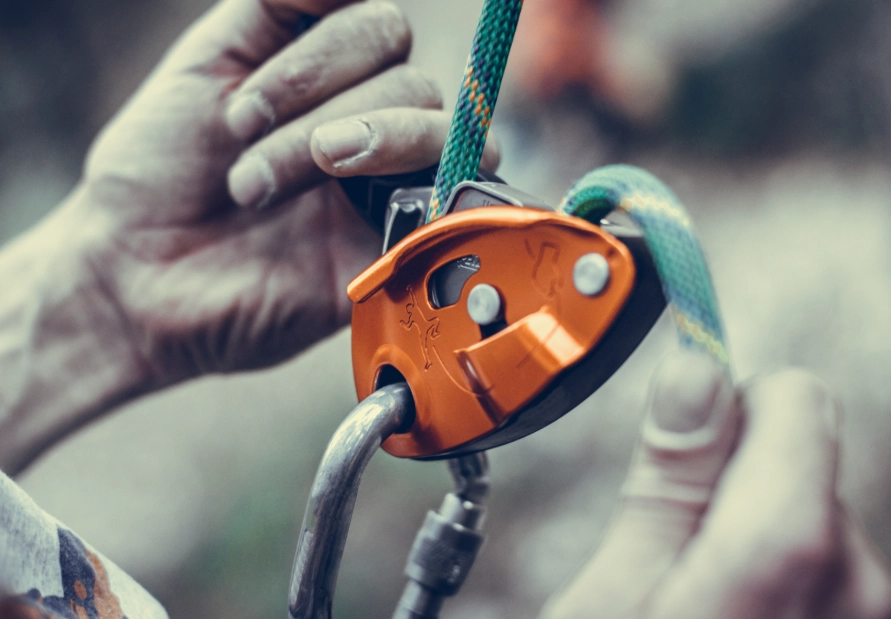
The Gear: Your Tools for the Job
You can't talk about belaying without talking about the tools. And trust me, not all devices are created equal. The choice depends on where you're climbing, what you're climbing, and honestly, personal preference (though safety should always trump preference).
Belay Devices: A Side-by-Side Look
Here’s a breakdown of the most common types. I've used them all, and each has its place, though I have my strong opinions.
| Device Type | How It Works | Best For | My Take / Watch Out For |
|---|---|---|---|
| Tubular Devices (e.g., ATC, Reverso) | Friction created by rope bends inside the device. Requires active braking by the belayer. | Top-rope, rappelling, trad climbing. Versatile and simple. | The classic. Lightweight and cheap. But it offers no assisted braking, so belayer focus is 100% critical. A tired belayer with an ATC makes me nervous. |
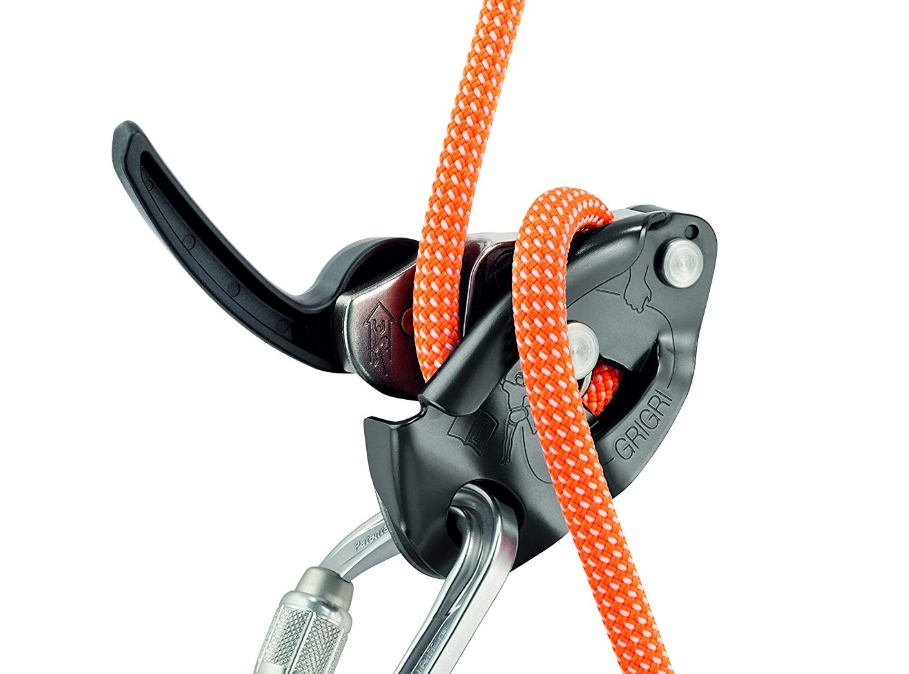
| Assisted-Braking Devices (e.g., GriGri, Click-Up) | A mechanical camming mechanism engages during a sudden pull, assisting in brake. | Single-pitch sport, gym climbing, belaying heavier climbers. | A game-changer for safety. The Petzl GriGri is the king here. But—big but—it creates complacency. People think it's "auto-locking." It's not. You must still keep your brake hand on the rope. I've seen more sloppy habits with GriGris than any other device. |
| Figure 8 | Rope threaded through the "8" shape, creating friction. | Primarily rappelling. Can be used for belaying but not ideal. | Honestly, I don't recommend it for belaying. It twists the rope like crazy and doesn't provide a smooth feed. Stick to rappelling with it. |
Beyond the device, you need a good harness—properly fitted, with a reinforced belay loop. Don't cheap out here. And a locking carabiner, always screw-gate or auto-locking, rated for climbing. The UIAA (International Climbing and Mountaineering Federation) sets the safety standards for all this gear. If your gear doesn't have a UIAA or CE mark, don't use it for climbing. Period.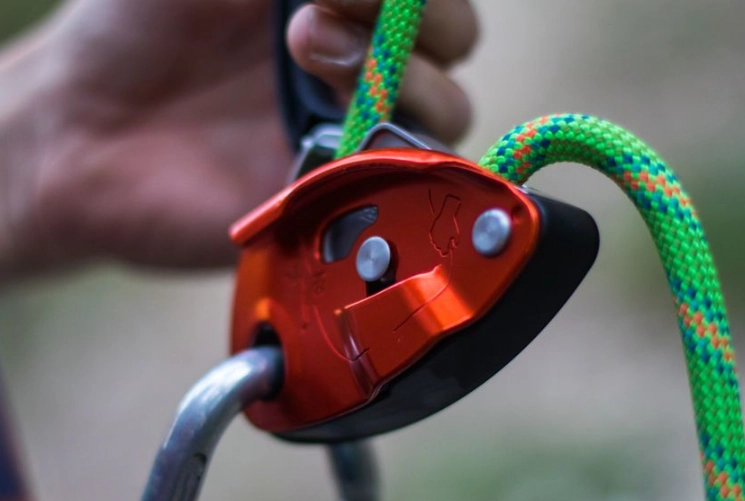
How to Belay: The Techniques Broken Down
Okay, you've got the gear. Now, the action. The actual belaying technique varies slightly by device, but the core principles are universal. Let's break down the most common scenario: top-rope belaying with a tubular device.
The PBUS Method: Your Bread and Butter
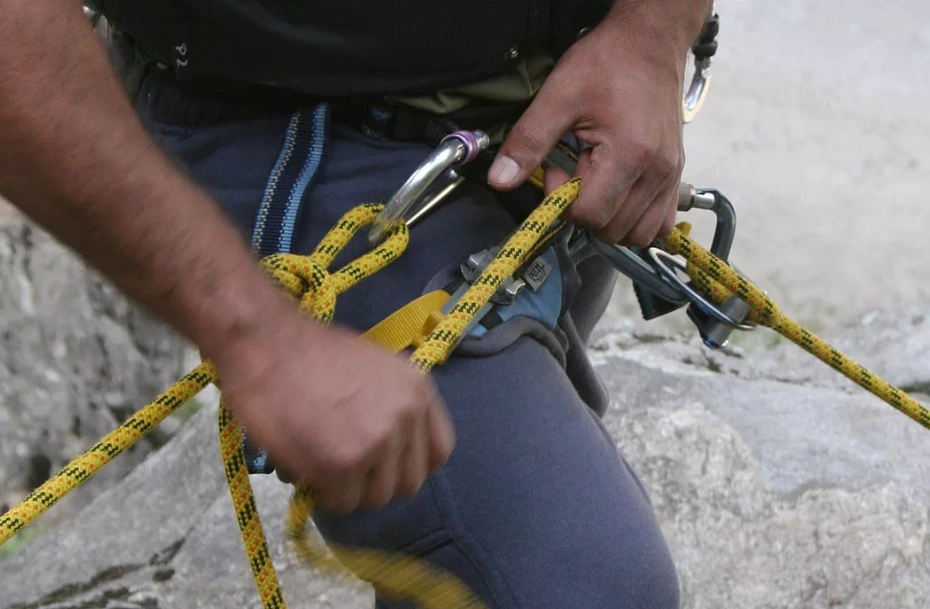
PBUS stands for Pull, Brake, Under, Slide. It's the fundamental sequence for taking in rope smoothly while keeping the brake hand engaged. This is what every gym certifies you on.
- Pull: Your guide hand (up near the device) pulls rope down.
- Brake: Your brake hand (down on the free end) immediately clamps the rope to the brake position (usually down and behind your hip). This is the non-negotiable safety step.
- Under: Move your guide hand under your brake hand.
- Slide: Your brake hand slides up the rope, back to a position closer to the device, ready to pull again.
It feels robotic at first. Then it becomes a rhythm. The key? Your brake hand never lets go of the rope. Ever. Switching to an assisted-braking device like a GriGri changes the hand motions (you often "feed" rope with a thumb press), but the vigilance remains.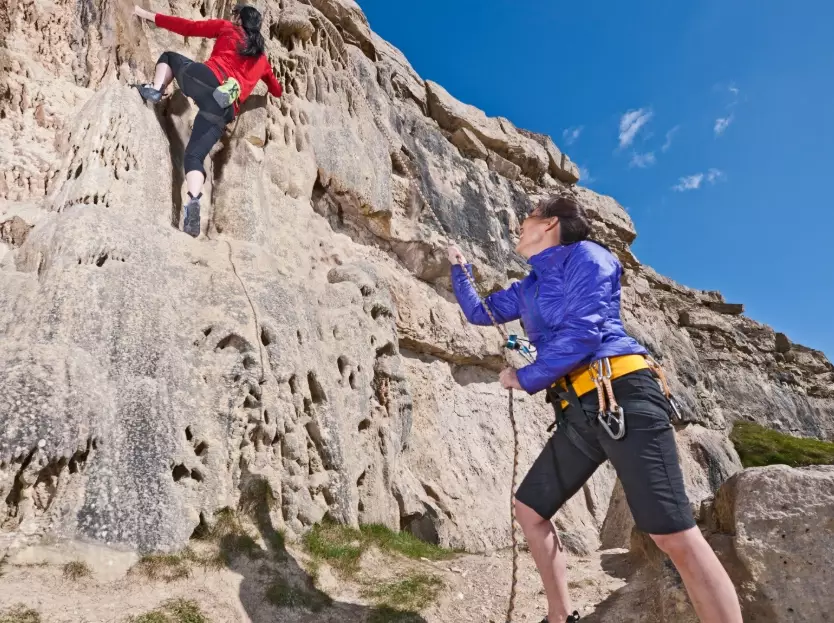
Lead Belaying: A Whole Different Ball Game
Lead belaying is where real skill shines. You're not just taking in slack; you're actively feeding it out as the climber ascends, while being ready to instantly catch a fall that can be from below you. The rope management is more complex.
You need to be softer, paying out slack smoothly to avoid tugging the climber off. But you also can't have huge piles of slack at your feet—that means a longer, harder fall. It's a dance. When the climber clips the rope into a quickdraw, you have to feed just the right amount of rope. Too little, and they can't clip. Too much, and you've created dangerous slack.
Common Belaying Mistakes (I've Made Some of These)
We all make mistakes. The goal is to learn from them before they become catastrophic. Here are the big ones I see constantly, both in gyms and at the crag.
- Taking the Brake Hand Off: This is rule number one for a reason. With a tubular device, it's an instant drop. Even with a GriGri, it's a terrible habit that defeats the safety mechanism.
- Poor Stance: Standing too close to the wall, directly under the climber. A fall then yanks you up and into the wall. Stand back, feet shoulder-width apart, ready to be pulled forward slightly and absorb energy.
- Lack of Communication: Not confirming "On belay?" "Belay on." "Climbing." "Climb on." It seems silly until you're at a windy crag with multiple parties. Standardize your calls. The American Mountain Guides Association (AMGA) emphasizes this in all its professional curricula.
- Not Checking the System: The partner check. Harness buckled? Knot tied correctly (double-back figure-eight!)? Belay device threaded right? Carabiner locked? Do it every single time, even with your regular partner.
- Zone Out Belaying: Scrolling on your phone, turning to chat with someone else. Your job is to watch the climber, feel the rope, be present. It's boring until it's not.
I'll admit, early on, I got caught chatting and was slow to take in slack after a climber clipped. They took a little whip because of it. Nothing bad happened, but the look they gave me was enough. I never did it again. Your partner's life is in your hands. Treat it that way.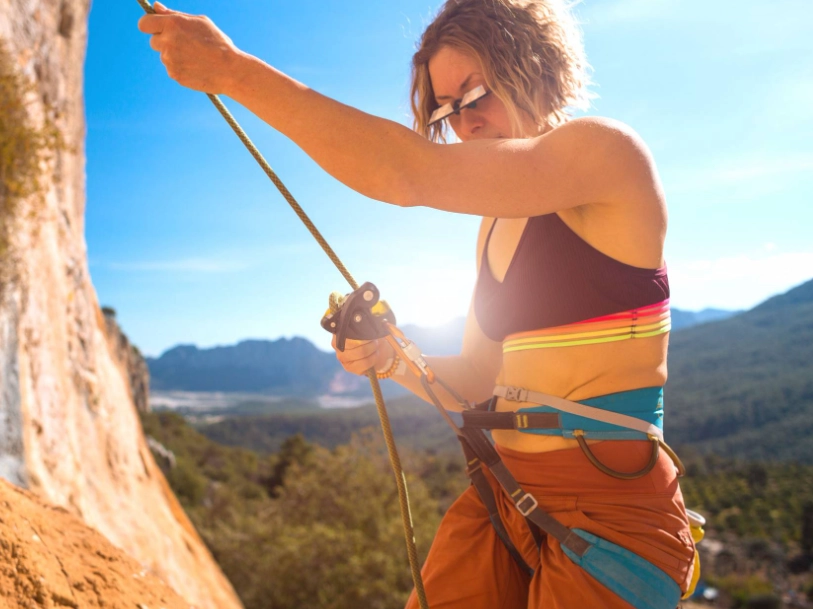
Advanced Tips & The Nitty-Gritty
Once you've got the basics down, these finer points separate a good belayer from a great one.
Belaying a Heavier Partner
If you're lighter, physics isn't your friend. You risk being pulled up hard in a fall. Solutions:
- Use an assisted-braking device (GriGri). This is the easiest solution.
- Anchor yourself. Many ground anchors exist, or you can use a sandbag/backpack in a gym. Just ensure it's bomber and doesn't create a tripping hazard.
- Get in a solid, low stance and be prepared to jump slightly to soften the catch. This is an advanced technique and requires practice.
What About Rappel Belaying (Fireman's Belay)?
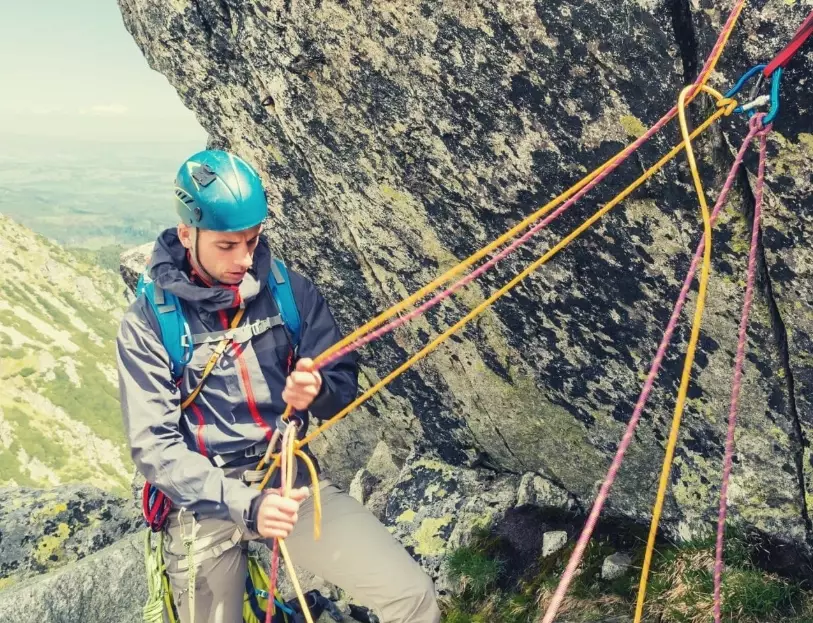
This is a brilliant, simple backup. The person on the ground holds the end of the rappel rope. If the rappeller loses control, the ground person pulls down on the rope, locking the device. It's almost foolproof and should be standard practice for any rappel, especially with beginners. Why doesn't everyone do it? Laziness, mostly.
Rope Management
A tangled pile of rope at your feet is a disaster waiting to happen. It can snag, preventing you from taking in rope, or worse, wrap around your leg. Keep it in a neat, flaked pile. On windy days or multi-pitch ledges, use a rope bag or tarp.
Answers to Questions You're Probably Asking
If you're mostly gym climbing, an assisted-braking device is a wise, safe investment. If you plan on doing multi-pitch trad or alpine where weight and rappelling matter, start with a good tubular device like a Black Diamond ATC-Guide or Petzl Reverso. They can also be used in "guide mode" to belay a second from above. Honestly, most climbers end up owning both.
You can learn the theory. But for the actual skill? No. You must learn from a qualified instructor in person. They need to see your hands, correct your stance, and give you feedback. A video can't yell "BRAKE HAND!" when you mess up. Check with your local climbing gym or guiding service for lessons.
If you're new, every session for a while. Have an experienced climber watch you. Practice catching falls (on top-rope, with the climber just a foot off the ground). Muscle memory is everything. Even experienced belayers should do a quick "systems check" and run through the motions mentally before starting a day.
This is a nuanced debate. A "soft" catch involves the belayer jumping or giving a little rope to decelerate the climber more gradually. It's easier on the body and gear. A "hard" catch is more static, stopping the fall faster but with a bigger jolt. Generally, a softer catch is better, especially on sport climbs where the gear is solid. On trad climbs with less reliable gear, a slightly harder catch might be desired to minimize movement on the pieces. It's something to discuss with your partner.
Look, at the end of the day, belaying is the foundation of our sport. It's what allows us to push limits safely. It's a skill that demands respect, continuous learning, and absolute focus. Don't just go through the motions. Understand the "why" behind every step. Be the belayer everyone wants to climb with—the one who is calm, attentive, and whose hands inspire total confidence. Because on the other end of that rope is a friend, a partner, a person trusting you with everything.
Now go get your hands on some rope and practice. Start slow. Be meticulous. And maybe one day, you'll be the one patiently teaching a new climber the sacred rhythm of pull, brake, under, slide.