Quick Park Guide
Let's talk about California's national parks. Honestly, they're kind of overwhelming in the best way possible. You've got these massive trees, deserts that feel like another planet, granite cliffs that make your jaw drop, and coastline that just doesn't quit. Trying to figure out where to start with all the National Parks in California can stop you in your tracks before you even begin.
I've spent a stupid amount of time in these places, made my share of mistakes (whoops, no water in Death Valley), and had some moments that literally took my breath away. This guide isn't just a list. It's the stuff I wish someone had told me before I started checking these parks off my list. We're going to break down all nine of them, but also get into the nitty-gritty of actually planning a trip. You know, the real questions. Which park is actually the best for you? How do you avoid the crowds that everyone complains about? What should you absolutely not forget to pack?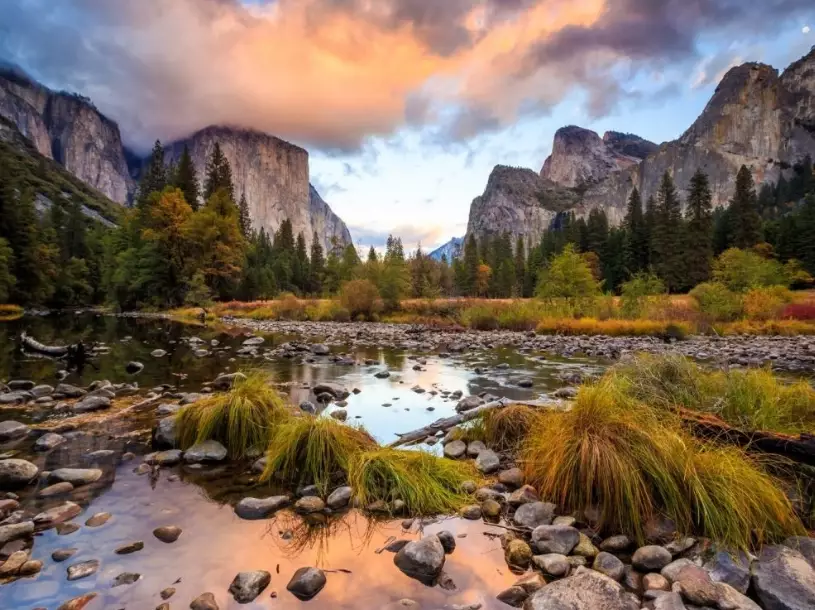
Think of this as your one-stop shop for everything related to National Parks in California. From the iconic spots you've seen on postcards to the quiet corners most people drive right past.
The Complete List: Your First Look at All 9 Parks
Okay, before we dive into the details, let's get a lay of the land. This table gives you the quick snapshot—where they are, what they're famous for, and the vibe you can expect. It's super useful for comparing at a glance, especially if you're trying to pair parks for a longer road trip.
| Park Name | Region of California | Known For / Signature Experience | Best For |
|---|---|---|---|
| Yosemite National Park | Sierra Nevada (Central East) | Iconic granite cliffs (El Capitan, Half Dome), giant waterfalls, giant sequoia groves. | First-time visitors, iconic photography, serious hiking & climbing. |
| Sequoia & Kings Canyon National Parks | Sierra Nevada (South East) | Home to the largest trees on Earth (General Sherman), deep canyons, quieter mountain scenery. | Tree admirers, escaping crowds, combined park exploration. |
| Death Valley National Park | Eastern Desert | Extreme landscapes: hottest, driest, lowest place in North America. Salt flats, sand dunes, colorful mountains. | Unique geology, winter sun, feeling like you're on Mars. |
| Joshua Tree National Park | Southern Desert | Otherworldly forests of Joshua Trees, massive boulder piles, clear night skies. | Rock climbing, bouldering, stargazing, desert vibes. |
| Channel Islands National Park | Off the Southern Coast | "The Galapagos of North America." Isolated islands with unique wildlife, kayaking sea caves, snorkeling. | Adventure seekers, wildlife lovers, getting truly off-grid. |
| Pinnacles National Park | Central Coast (Inland) | Jagged volcanic rock spires, talus caves, recovery site for the endangered California Condor. | Day hikes, cave exploration, condor spotting, less crowded alternative. |
| Lassen Volcanic National Park | Northern California | All four types of volcanoes, bubbling hydrothermal areas (sulfur vents, mud pots), alpine lakes. | Geology fans, hydrothermal features, summer hiking without Yosemite-level crowds. |
| Redwood National and State Parks | Far Northern Coast | The tallest trees on Earth. Coastal fog forests, fern-filled canyons, wild coastline. | Awe-inspiring nature walks, coastal drives, profound quiet. |
See what I mean? The variety is insane. You go from the highest peaks in the contiguous U.S. (Mt. Whitney's backdoor is in Sequoia) to the lowest point (Badwater Basin in Death Valley). It's one of the things that makes exploring National Parks in California so addictive.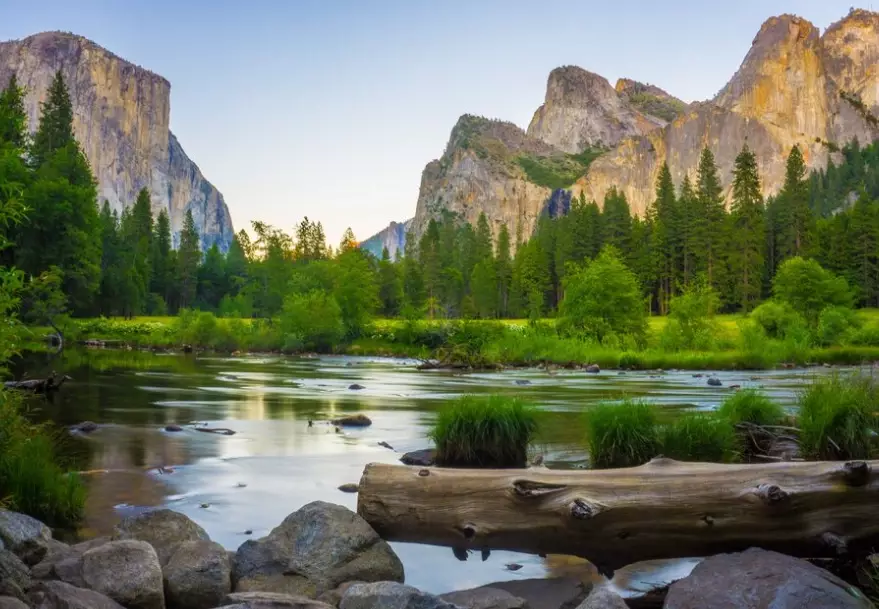
Deep Dive: What to Really Expect at Each Park
Now, let's get into it. A name and a one-liner isn't enough to plan a trip. Here's the real deal on each one, the good and the sometimes annoying.
Yosemite National Park: The Crown Jewel
Yosemite is the one everyone knows. And for good reason. The first time you drive through the tunnel and see that view of El Capitan and Half Dome... it's a moment. But here's the thing nobody tells you upfront: Yosemite Valley, where all the iconic stuff is, can feel like a beautiful, natural-themed shopping mall in the summer. The traffic is real. Finding parking between 9 AM and 5 PM is a competitive sport.
Don't just stay in the valley, though. The high country around Tuolumne Meadows (open summer-fall) is a whole different world—wide-open alpine scenery, fewer people, incredible hiking. And the Mariposa Grove of Giant Sequoias is a must-do. Check the official Yosemite National Park website for current conditions, reservation requirements (they've implemented a day-use reservation system during peak times in recent years), and road closures.
Best time to visit? May-June for waterfalls, September-October for fewer crowds and fall colors. July-August is peak everything—people, heat, and mosquitoes in some areas.
Sequoia & Kings Canyon: The Tree & The Canyon
These two parks are administered together and are right next to each other, so you almost always visit both. Sequoia is where you go to meet the giants. Walking among the giant sequoias, especially in the Giant Forest around the General Sherman Tree, is a humbling, almost spiritual experience. The scale doesn't make sense until you're there.
Kings Canyon feels wilder. The drive down into the canyon proper is spectacular, and it leads to a deep, river-carved valley that's often called a rival to Yosemite's—but with a fraction of the visitors. If you find Yosemite Valley too manicured, you'll love the raw feel of Cedar Grove in Kings Canyon.
They're quieter. That's their superpower.
Be prepared for mountain driving with lots of curves. Also, snow closes many roads from late fall through late spring. Always check the Sequoia & Kings Canyon National Parks website before you go.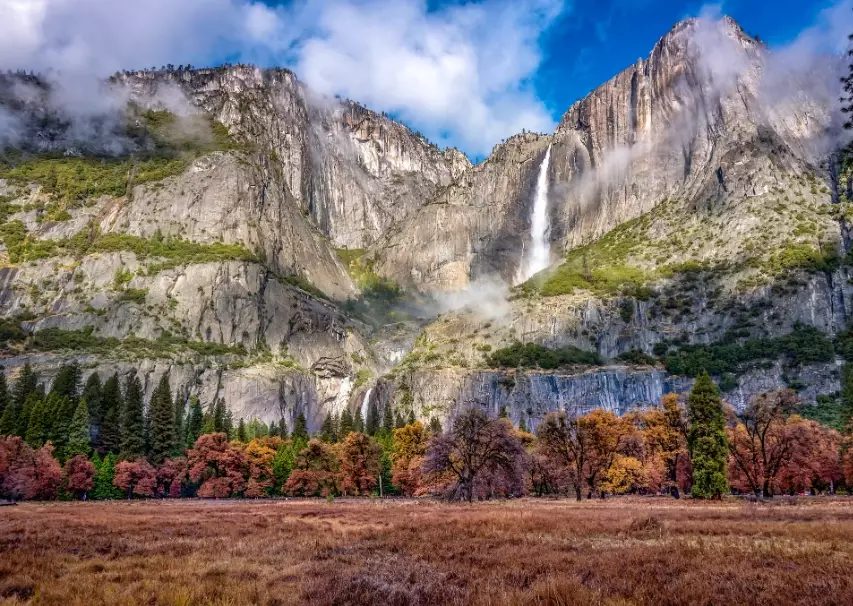
Death Valley National Park: The Extreme
This place breaks all the rules. I made the classic mistake of my first visit in July. It was 125°F (52°C). I lasted about 20 minutes outside the car at any stop. Don't be me. Visit from November to March. The weather is perfect—cool, sunny, ideal for exploring.
Death Valley is massive. Distances between sights are huge. You need a car with good tires, and you must carry gallons of water per person, even in winter. A breakdown here is serious business.
Joshua Tree National Park: The Desert Playground
Joshua Tree sits at a fascinating ecological crossroads. The western part has the famous, whimsical Joshua Trees and those incredible boulder piles that climbers love. The eastern part is lower, drier Colorado Desert. The park has a cool, funky vibe.
It gets extremely popular on weekends, especially from October to May. If you can go mid-week, do it. Sunrise and sunset are the golden hours—the light on the rocks is incredible, and the stars at night are some of the best you'll ever see. The park has little to no light pollution. Just bring warm clothes—desert nights are cold!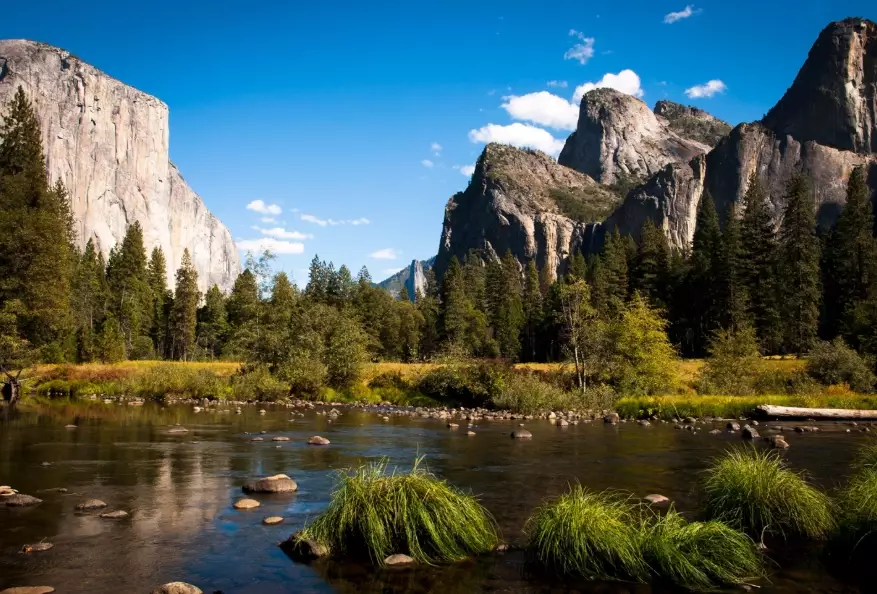
Channel Islands National Park: The Offshore Adventure
This is the least visited of California's national parks, and that's because you have to work for it. You need to take a boat (or a small plane) to get there. The park is five islands, with Santa Cruz and Anacapa being the most accessible for day trips.
What do you get for the effort? Isolation. You might hike for hours and see no one. You'll see island foxes (tiny, cute, and only found here), sea lions, and maybe whales on the crossing. You can kayak into sea caves, snorkel in kelp forests, and camp under pristine skies. It's not a drive-up-and-see experience; it's an active adventure. Book your boat trip with the park's official concessionaire, Island Packers, well in advance.
Pinnacles National Park: The Condor's Home
Pinnacles is California's newest national park (designated in 2013) and it's a fantastic choice if you want dramatic scenery without the overwhelming scale of Yosemite or the crowds of Joshua Tree. The rock formations are wild—remnants of an ancient volcano.
The two main activities are hiking through the talus caves (bring a flashlight!) and looking for California Condors. The park is a primary release site for these endangered, massive birds. Seeing one soar overhead, with its nine-foot wingspan, is unforgettable. The park is split into East and West sides, with no connecting road through it. Most of the development (visitor center, campground) is on the East side.
Lassen Volcanic National Park: The Boiling Earth
Lassen is a hidden gem. It's got all the volcanic features of Yellowstone's famous areas, but on a more manageable scale and with way, way fewer people. You can hike to the summit of Lassen Peak, an active volcano. You can walk boardwalks over bubbling mud pots and steaming fumaroles at Bumpass Hell (best name ever).
It's a four-season park. Summer and fall are for hiking and wildflowers. Winter is for snowshoeing and cross-country skiing around the steaming hydrothermal areas, which is a surreal experience. The main park road is closed by snow from roughly November to June, so access is limited in winter.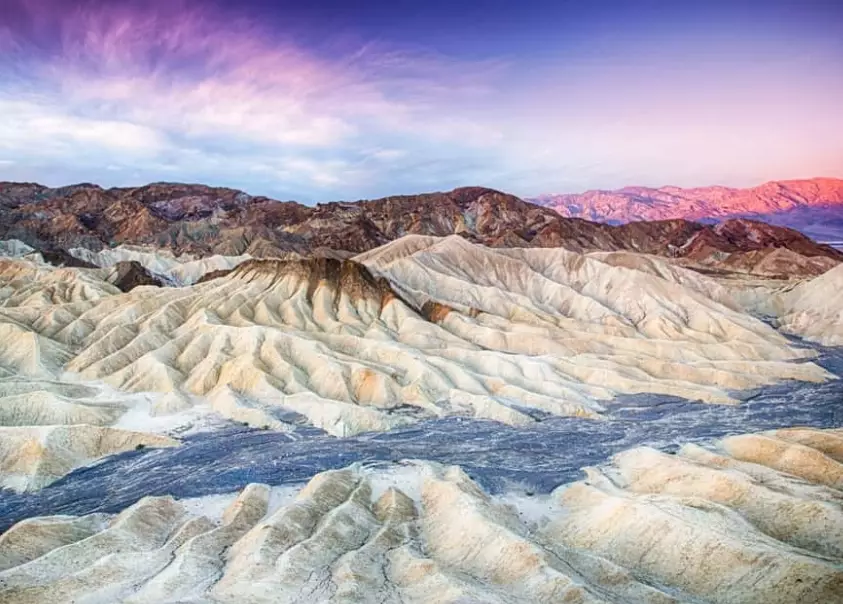
Redwood National and State Parks: The Quiet Giants
This is a cooperative complex of one national park and three California state parks. You experience them all as one. It's not just about seeing tall trees; it's about being immersed in an entire ecosystem. The fog, the ferns, the absolute silence under the canopy. It's humbling in a very different way from the giant sequoias.
Don't just drive through. Get out and walk. The Lady Bird Johnson Grove is an easy, iconic loop. For a more intense immersion, hike a section of the Tall Trees Grove trail (which sometimes requires a free permit). And don't miss the coast! The beaches here, like Gold Bluffs Beach, are wild and dramatic, often with elk grazing nearby.
Your Practical Guide to Visiting National Parks in California
Alright, you're excited about a park (or three). Now, how do you actually make it happen without stress? Here are the things nobody talks about in the glossy brochures.
When to Go: Timing is Everything
Crowds and weather are the two big factors. A general rule?
Spring (April-June): Fantastic for wildflowers (especially in the deserts), full waterfalls in the Sierras, but snow may still block high-elevation roads. Crowds start building.
Summer (July-Labor Day): Peak season everywhere. All roads and facilities are open, but also all crowds. Mountain parks are pleasant; deserts are brutally hot. Book everything far in advance.
Fall (September-October): My personal favorite for most parks. Crowds thin, weather is still good, fall colors emerge in the Sierras. A sweet spot.
Winter (November-March): Perfect for Death Valley and Joshua Tree (though cold at night). The Sierra parks (Yosemite, Sequoia, Lassen) become snowbound wonderlands, but access is limited to certain areas. Always check for chain requirements.
Getting Around & Getting In
You need a car. Full stop. Even for parks with shuttle systems like Yosemite, you need a car to get to the park. A standard sedan is fine for most main park roads, but if you want to explore dirt roads in Death Valley or more remote areas, higher clearance is wise.
Pay close attention to reservation systems. Post-pandemic, many parks now require advance reservations for entry or camping during peak times to manage congestion. Yosemite, for example, often has a day-use reservation system for the summer. Always, always check the specific park's .nps.gov website before you finalize plans.
Where to Stay: Lodging & Camping
Inside-park lodging (like the historic lodges in Yosemite or the inn at Death Valley) books up 6-12 months in advance for peak dates. If you miss out, look at gateway towns just outside the park entrances. They have more options but expect to drive in each day.
Camping is the classic way to experience National Parks in California. National Park Service campgrounds are usually basic (no showers, maybe no hookups) but in amazing locations. They book up incredibly fast on Recreation.gov the moment reservations open (often 6 months out). Some are first-come, first-served, which means arriving very early in the morning, especially on a summer Thursday or Friday.
My strategy? Book one main campsite as an anchor, and be flexible with your other nights.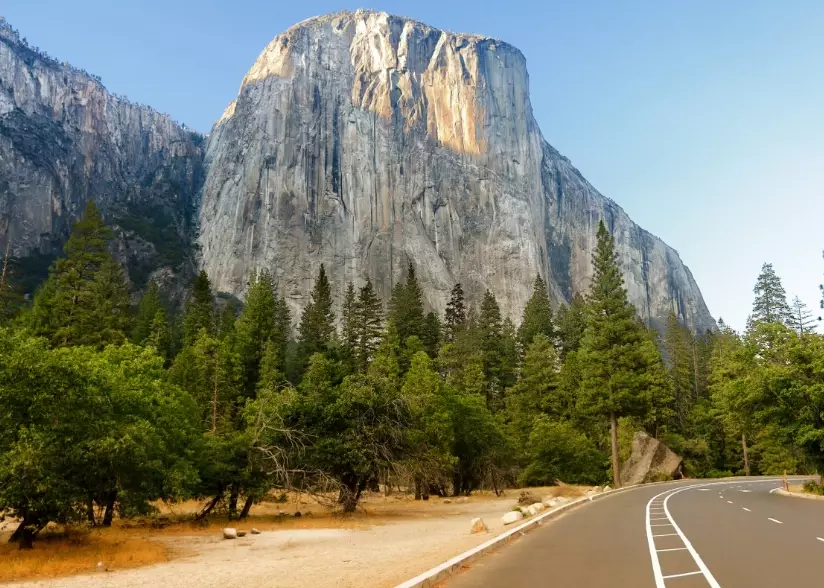
Frequently Asked Questions (The Stuff You Actually Search For)
Yosemite, by a huge margin. It consistently ranks in the top 5 most visited national parks in the entire country. This is why the crowding in Yosemite Valley is a real issue. Second place usually goes to Joshua Tree, which has seen a massive surge in popularity in the last decade.
For a quick, accessible trip, Pinnacles is a strong contender. It's relatively small, close to major highways (like the 101), and you can see the highlights in a day. Joshua Tree is also very easy to access from the greater Los Angeles area and the Coachella Valley, with the park entrances right off major highways. For a "drive-through" experience with big payoff, the scenic drive through Redwood National Park (Highway 101) is hard to beat.
This varies wildly:
- Yosemite: A minimum of 2 full days (one for the Valley, one for another area like Glacier Point or Tuolumne). 3-4 is ideal.
- Death Valley/Joshua Tree: 2 full days to see the major sights without rushing.
- Sequoia & Kings Canyon: 2 days minimum, 3 to really explore both parks.
- Channel Islands: Even a day trip requires a full day due to the boat ride. Overnight camping is the best way to experience it.
- Pinnacles/Lassen: Can be done as a long day trip, but 1-2 days is better for hiking.
- Redwoods: 1-2 days to do some driving and a few key hikes.
Absolutely! Some classic combos:
- Sierra Loop: Yosemite, Kings Canyon, Sequoia (mind the mountain passes, often closed in winter).
- Desert Combo: Death Valley and Joshua Tree (a long drive between them, but doable).
- Coastal Combo: Channel Islands (day trip from Ventura) and then drive up to Pinnacles.
Just be realistic about driving distances. California is huge, and mountain roads are slow.
The essentials never change: more water than you think, layers of clothing (temperature swings can be extreme), a good map (cell service is unreliable), sunscreen, a hat, and sturdy shoes. For desert parks, add electrolyte tablets and a wide-brimmed hat. For mountain parks, add bug spray in summer and traction devices/microspikes for any hiking outside of summer.
Final Thoughts: Making It Your Own
Look, you could spend a lifetime exploring the National Parks in California and still find new corners. The goal isn't to check all nine boxes as fast as possible. It's to find the one or two that speak to you and really get to know them.
Maybe you're a photographer chasing the perfect light on Half Dome. Maybe you're a family wanting an easy walk among giant trees. Maybe you're a solitude seeker wanting to hear nothing but wind in the pines on a remote trail in Lassen.
Start with what calls to you. Use this guide to manage the practical stuff—the reservations, the crowds, the weather. Then let the parks do the rest. They're pretty good at it.
Oh, and one last thing from someone who's learned the hard way: always look up from your phone or camera. Just stand there and take it in. That's the memory that sticks.