Trail Map
Let's be honest. The idea of family hiking can sometimes feel more stressful than relaxing. You picture whining, requests to be carried, forgotten snacks, and maybe a meltdown or two (and that's just the adults). I've been there. I've also had those magical days on the trail where the kids are laughing, exploring, and we all come home tired in the best way possible. The difference between those two outcomes? It almost always comes down to preparation and mindset.
This isn't about conquering a fourteener with a toddler on your back. It's about building a lifelong love for the outdoors, one manageable trail at a time. A successful family hike is measured in smiles, discoveries, and shared memories, not miles logged.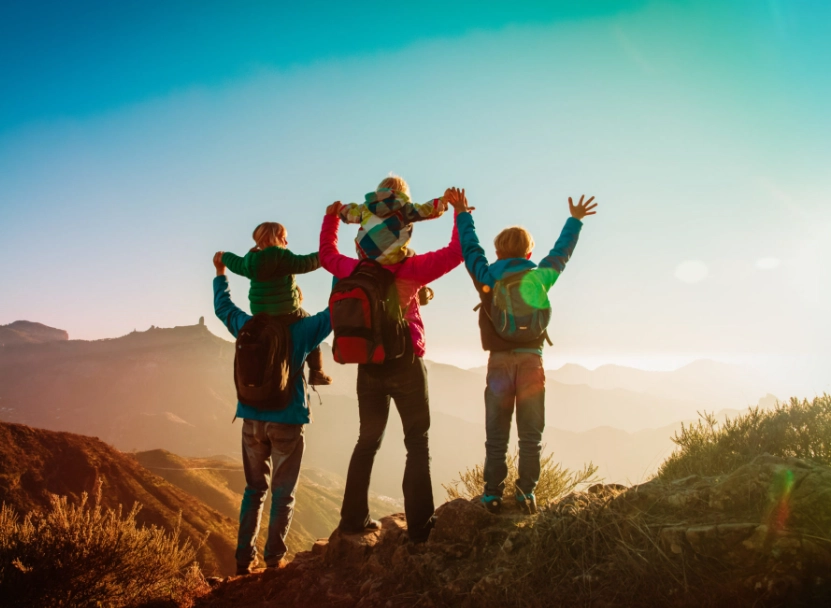
Phase 1: The Planning Stage (Where Most Family Hikes Are Won or Lost)
Jumping straight from the couch to a five-mile trail is a recipe for disaster. Good planning sets the tone for everything.
Choosing the Right Trail for Your Crew
This is the most critical decision. Forget what your super-fit, childless friend recommends. You need to think like a kid. The best family hiking trails have clear rewards: a waterfall, a pond to skip stones in, interesting rocks, or a cool viewpoint. Distance and elevation gain are your enemies if you overestimate.
A good rule of thumb I've stolen from rangers: a child can typically hike their age in miles. So a 4-year-old might handle a 4-mile round trip on flat ground. But that's a maximum guideline, not a goal. For your first few family hikes, aim for half that. A one-mile loop with a big payoff is worth ten times a miserable three-mile slog.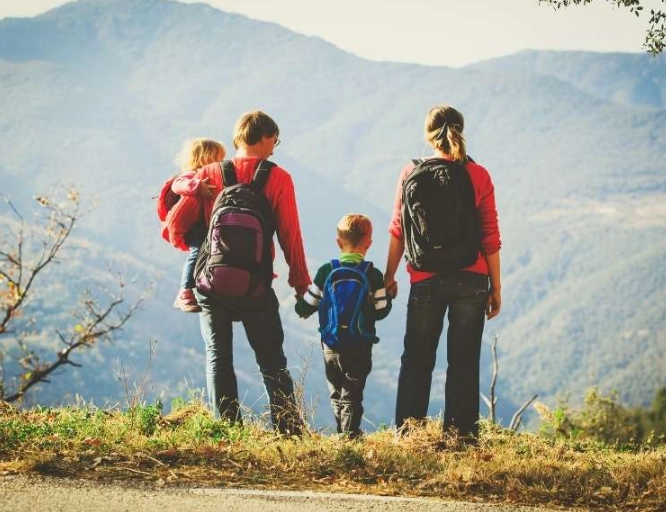
Here’s a quick reference I wish I had when my kids were younger:
| Kid's Age | Realistic Trail Focus | What Makes It Great | Potential Pitfall |
|---|---|---|---|
| Toddlers (2-4) | Stroller-friendly paths, nature loops under 1 mile. | Everything is new! Sticks, pinecones, bugs. | They will want to be carried. A lot. |
| Young Kids (5-8) | 1-3 miles with a clear destination (waterfall, lake). | Can carry a small pack. Love scavenger hunts. | Complaints start at the halfway point if bored. |
| Tweens (9-12) | 3-5 miles, more elevation, involve them in navigation. | Genuine stamina and curiosity about nature. | Eye-rolling if it's "too easy" or "uncool." |
| Teens (13+) | 5+ miles, challenging terrain, maybe even an overnight. | Can be true hiking partners. Value the achievement. | Getting them off their phones and out the door. |
Doing Your Homework: Weather, Permits, and Facilities
Nothing ruins a day like showing up to a closed trailhead or in a downpour. Check the official land manager's website. Is the trail open? Do you need a permit or parking pass? This is where linking to authoritative sources is crucial. For example, if you're hiking in a U.S. National Park, always check the National Park Service page for that specific park for the latest alerts on trail conditions, closures, and permits. For National Forests, the U.S. Forest Service site is your bible.
Weather in the mountains is fickle. A sunny forecast in town can mean a thunderstorm on the ridge. I got caught in a hailstorm once because I didn't check the alpine forecast. It was memorable, but not in the fun way. Learn from my mistake.
And bathrooms. Always know where the last real bathroom is before the trailhead. And if there isn't one, be prepared to teach the fine art of "going in the woods" with proper Leave No Trace principles. The Leave No Trace Center for Outdoor Ethics has great, non-judgmental guidelines for this very scenario.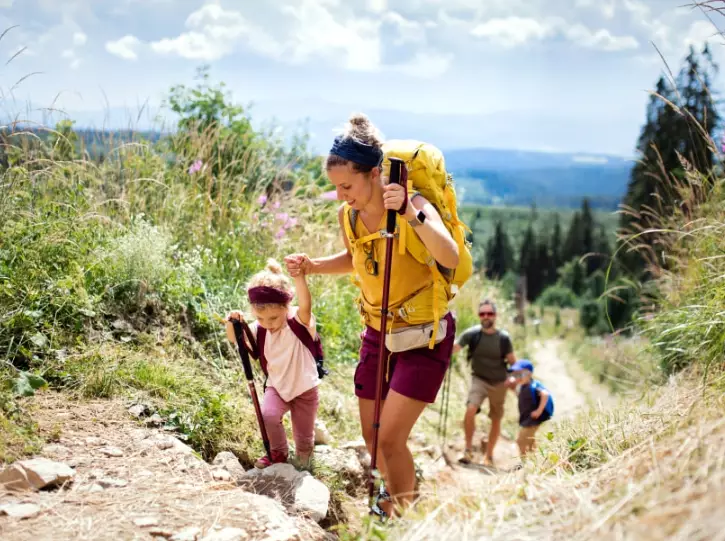
Phase 2: The Gear (You Don't Need Everything, But You Need the Right Things)
You don't need $500 worth of technical gear for a simple family hike. But skimping on a few key items can turn a minor slip into a major problem.
The Non-Negotiable Family Hiking Packing List
Everyone should carry something, even if it's just their own water and a snack. It builds ownership. Here’s the core list, split between parent-pack and kid-pack essentials.
- Navigation: A physical map and compass (phone GPS can fail), plus a downloaded offline map on your phone.
- Hydration: More water than you think. A rule is 0.5 liters per hour per person, minimum. For a family of four on a 3-hour hike, that's 6 liters. I use a hydration reservoir plus bottles.
- Food: Lunch plus extra high-energy snacks (trail mix, bars, jerky). The "hangry" factor is real.
- Layers: A lightweight, packable rain jacket for everyone, plus a fleece or puffy. Cotton kills—stick to wool or synthetics.
- First-Aid Kit: Don't buy a pre-made mini one. Make your own with plenty of bandaids (kids love fun ones), moleskin for blisters, antiseptic wipes, tweezers (for splinters/ticks), and any personal meds.
- Sun Protection: Sunscreen, lip balm with SPF, hats, and sunglasses.
- Illumination: A headlamp with fresh batteries, even for a day hike. Getting delayed happens.
- Repair/Misc: Duct tape (wrap some around a water bottle), a multi-tool, a whistle, and a lightweight emergency blanket.
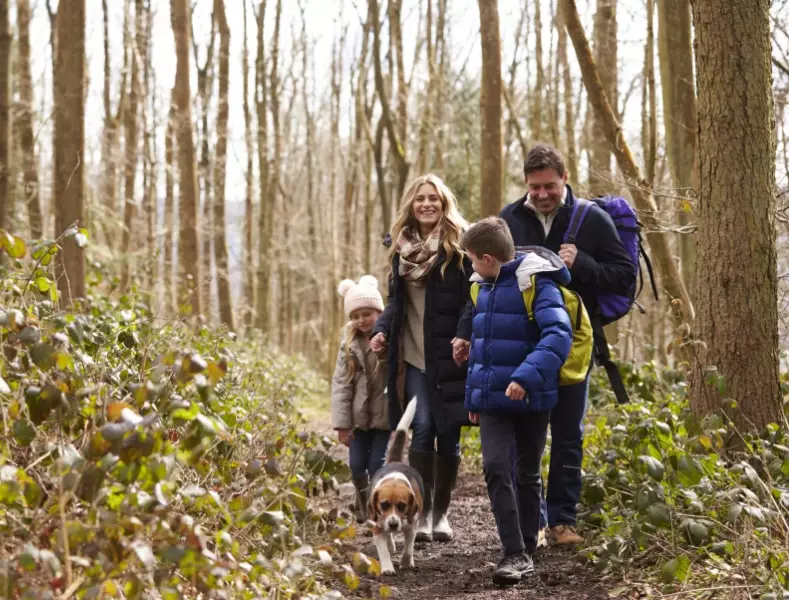
- Their own water bottle (insulated is best).
- Their favorite snacks.
- A small, beloved toy or stuffy for "photo ops" at the summit.
- A magnifying glass or small binoculars.
- A pocket-sized nature guide (birds, trees, rocks).
Keep it light—no more than 10% of their body weight.
Footwear: The Foundation of Fun
This deserves its own section. Trail runners or lightweight hiking shoes are perfect for most family hiking trips. They don't need heavy leather boots unless you're dealing with serious snow or carrying a heavy load. The key features: good tread (for mud and loose rock) and a sturdy toe cap (because kids kick everything). Go to a real outdoor store like REI where staff can measure feet and make recommendations. And for heaven's sake, break them in around the neighborhood before the big hike.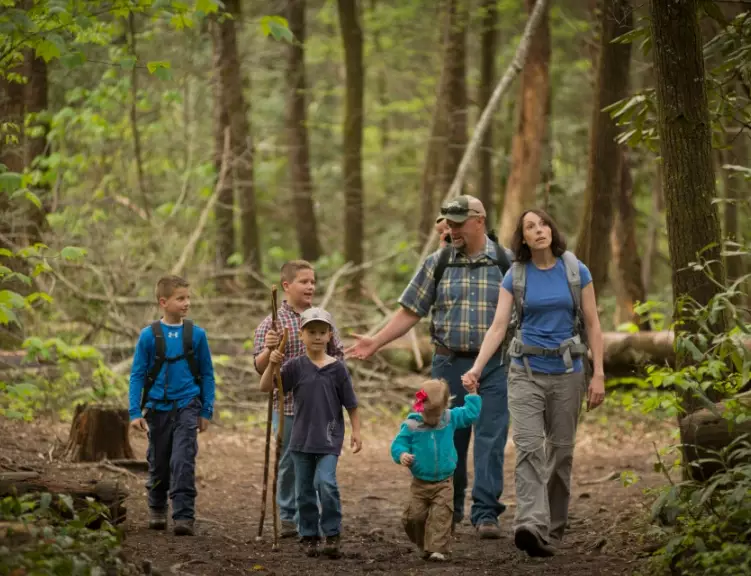
Phase 3: Hiking Day! Making It Happen
The plan is set, the packs are packed. Now comes the real test.
The Trailhead Start: Setting the Vibe
Start slow. Let the kids set the pace from the very first step. This is their hike, not your forced march. Point out the first cool thing you see—a weird-shaped cloud, an anthill, the sound of a bird. I like to start with a simple game: "Who can be the quietest for one minute so we can hear five different sounds?" It calms the initial frenzy and tunes them into the environment.
Safety on the Trail: The Unfun but Vital Stuff
Talk about safety basics before you even get out of the car. The rule in our family is simple: You must always be able to see the person in front of you and the person behind you. No running ahead around blind corners. If you need to stop, you call out "Stopping!" so the person behind doesn't plow into you.
Hydration and snack breaks should be proactive, not reactive. Stop every 30-45 minutes for a sip and a small bite. It keeps energy levels steady. Watch for signs of fatigue or irritation—that's your cue for a break, not when the full-blown meltdown occurs.
The Magic Formula: Keeping Kids Engaged (and Not Whining)
This is the secret sauce of family hiking. Your job is part guide, part game-show host.
- Scavenger Hunts: Give them a list (a smooth rock, a yellow leaf, something fuzzy, three different bird songs).
- Trail Games: "I Spy," 20 Questions about something in nature, or making up stories about the shapes of clouds.
- Give Them a Job: "You're the official map holder." "You're in charge of spotting trail markers." "You get to use the phone to take a picture of every cool mushroom."
- Embrace the Dirt: Let them climb on that safe boulder. Let them poke a rotting log with a stick. Let them get a little wet. The mess is part of the memory.
And when the inevitable "Are we there yet?" or "I'm tired" comes, don't dismiss it. Acknowledge it. "Yeah, my legs are feeling it too. Let's walk to that big tree up there and then have a gummy worm break." Bribery? Maybe. Effective? Absolutely.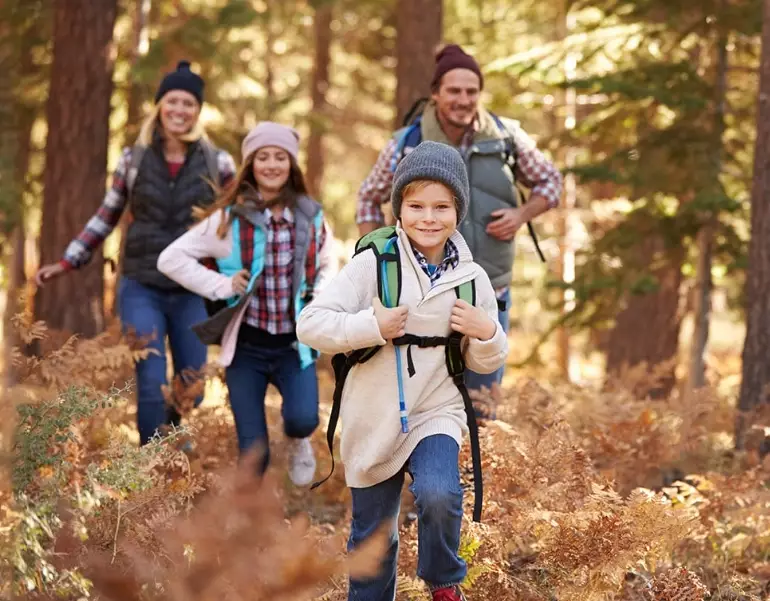
Phase 4: After the Hike (The Part Everyone Forgets)
You're back at the car, tired and happy. Don't just drive off.
Post-Hike Rituals
Have a special "trailhead snack" waiting in the cooler—cold juice boxes, a bag of chips, whatever feels like a celebration. Do a quick tick check on everyone before getting in the car. Take off those dirty hiking shoes and put on comfy sandals or crocs. It's a heavenly feeling.
On the drive home, ask positive, specific questions. Not "Did you have fun?" but "What was the coolest thing you saw today?" or "What part made you feel really strong?" This helps solidify the positive memories.
Gear Care and Planning the Next One
When you get home, empty all the packs. Hang up wet clothes, wash water bottles, recharge the headlamp batteries. Restock the first-aid kit. Doing it now means you're halfway ready for next time.
While the memory is fresh, talk about what you'd like to try next time. A longer trail? A trail with a swimming hole? Let the kids have input. The goal of family hiking is to build a habit, a tradition they'll want to continue.
Common Family Hiking Questions (Answered)
Look, not every family hiking trip will be perfect. There will be bug bites, squabbles, and days you turn around after only 15 minutes. That's okay. The goal isn't perfection. It's presence. It's showing your kids there's a world beyond screens, that their bodies are capable, and that some of the best conversations happen when you're walking side-by-side on a dirt path.
Start small. Celebrate the tiny victories. That first time your kid points out the trail marker before you do, or carries their own pack the whole way, or asks when you can go again—that's the real summit. So grab a map, pack some extra snacks, and go make some dirt-covered memories. The trail is waiting.