Your Climbing Compass
- First Things First: What Even Is Indoor Climbing?
- Your First Visit to an Indoor Climbing Gym: A Survival Guide
- Gear Talk: What You Actually Need (And What You Don't)
- Learning to Belay: It's Not as Scary as It Looks
- The Mental Game: Fear, Frustration, and Flow
- Staying Safe and Healthy: Avoiding the Common Pitfalls
- Making It a Habit: How to Progress and Not Get Bored
- Final Thoughts Before You Go
I remember walking into my first indoor climbing gym. The smell of chalk hung in the air, the walls looked impossibly tall, and everyone seemed to know exactly what they were doing. I felt completely out of place. My hands were sweaty before I even touched a hold. If that sounds familiar, relax. You're not alone, and that feeling passes faster than you think.
Maybe you saw it in a movie, or a friend posted a cool video. Maybe you're just looking for a workout that doesn't feel like a chore. Whatever brought you here, indoor climbing is one of the most rewarding things you can pick up. It's a full-body puzzle that engages your brain as much as your muscles. But starting can feel overwhelming. There's gear, jargon, and unspoken rules. This guide is here to cut through all that noise.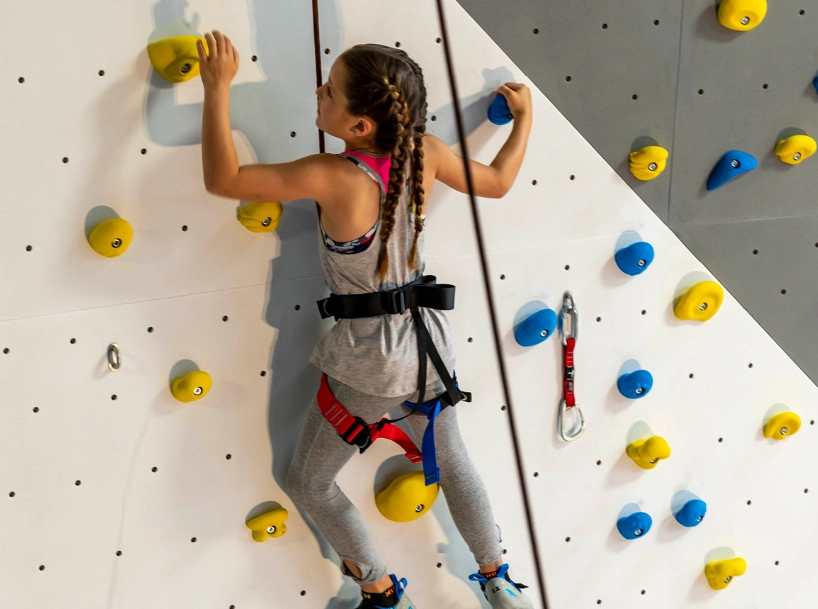
Think of this as your honest, no-BS friend explaining everything. We'll cover the stuff you actually need to know, not just the fluffy inspirational quotes. I'll even tell you about the time I completely misjudged a climb and took an embarrassing fall in front of everyone. Learning experience, right?
First Things First: What Even Is Indoor Climbing?
At its core, indoor climbing is rock climbing, but inside a controlled, weather-proof building. The walls are covered in artificial holds (those colorful plastic bits) that are bolted on to create specific routes, called "problems" in bouldering or "routes" on ropes. The beauty of it? You can do it any day of the year, and the difficulty is tailored, from gentle slopes for kids to overhanging caves that look like they defy physics.
But it's not just one thing. Walking into a gym, you'll see different zones. The two main disciplines you need to understand are Bouldering and Rope Climbing (like Top Rope). They feel like different sports sometimes.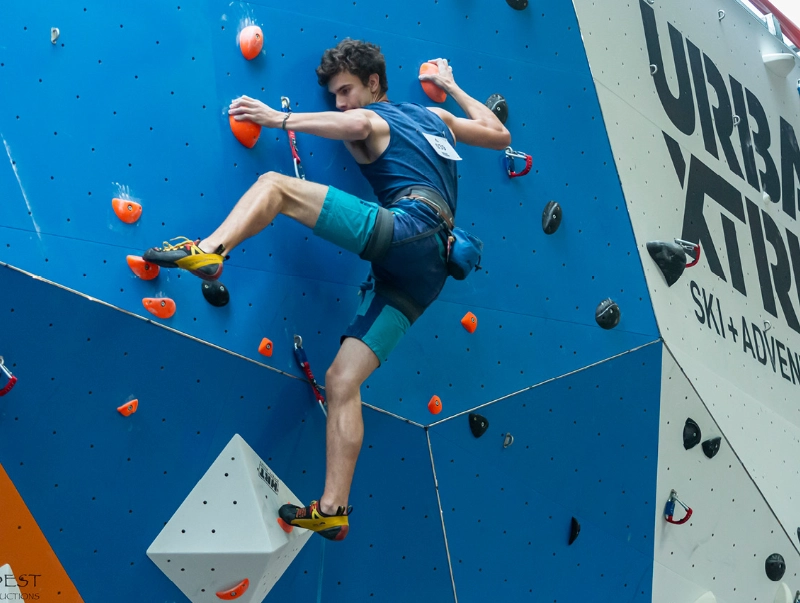
A quick personal take
I started with bouldering because it seemed less intimidating—no harness, no ropes, just you and a short wall. But I quickly learned it requires more explosive power. Rope climbing felt more about endurance and pacing myself. There's no "better" one; it's about what clicks with you on the day.
Bouldering vs. Top Rope: A Side-by-Side Look
This is the big fork in the road for most beginners. Here’s a breakdown to make it crystal clear.
| Aspect | Bouldering | Top Rope Climbing |
|---|---|---|
| Wall Height | Shorter (usually 12-15 feet / 4-4.5m) | Tall (often 30-60 feet / 9-18m) |
| Safety Gear | Climbing shoes, chalk, crash pads on the floor. | Climbing shoes, chalk, harness, rope, belay device, helmet (optional but recommended). |
| Partner Needed? | Not strictly, but safer and more fun with a spotter. | Absolutely. You need a belayer to manage the rope. |
| Learning Curve (Gear) | Very low. Just lace up and go. | Higher. You must learn to tie in and belay, often requiring a gym certification. |
| Physical Focus | Power, technique, problem-solving on short, hard sequences. | Endurance, technique, pacing on longer, sustained climbs. |
| Social Vibe | Very social. People gather around problems, try them, and chat about beta (the sequence of moves). | More partner-focused. You work closely with your belayer. |
| Best For Beginners Who... | ...want to start immediately, prefer short bursts of effort, and like solving puzzles. | ...are comfortable with a learning process, want to experience height safely, and enjoy longer climbs. |
See? Different beasts. Most gyms offer both, and many climbers do a mix. I often boulder to work on power and technique, then do some rope climbing for endurance. Don't feel you have to pick a side forever.
Your First Visit to an Indoor Climbing Gym: A Survival Guide
Okay, you've decided to give it a shot. This is the part that causes the most anxiety. Let's walk through it step-by-step.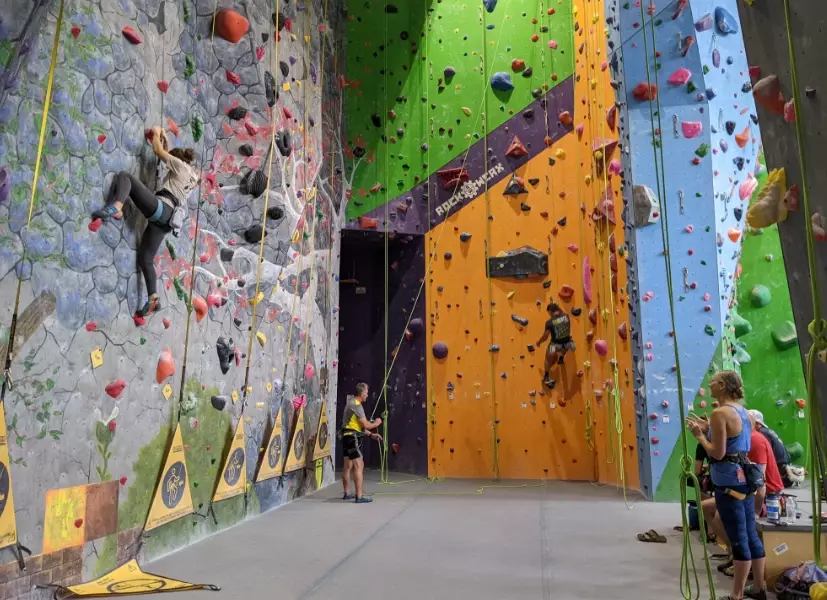
Before You Go: The Quick Checklist
- Find a gym: Search for "indoor climbing gym near me". Look at their website. Do they have beginner sessions? What's their rental situation?
- What to wear: Flexible, comfortable clothes you can move in (like workout gear). Avoid baggy pants that might get caught. For footwear, they'll rent you shoes.
- Mindset: You're there to have fun and learn, not to impress anyone. Every expert climber was a beginner who fell off easy routes.
When you arrive, head to the front desk. Tell them it's your first time. Any decent gym will give you a quick orientation—where the different walls are, the basic safety rules (like don't walk under someone who's climbing), and how the grading system works. Listen to this. It's important.
The single most important rule in any climbing gym: Look down before you jump or fall off a bouldering wall. Make sure the landing zone is clear.
Now, about those grades. Climbing routes are graded by difficulty. In the US, bouldering uses the V-scale (V0, V1, V2...), and rope climbing often uses the Yosemite Decimal System (5.5, 5.6, 5.7...). Start at the absolute lowest grade. I mean it. A V0 or a 5.5 might still feel challenging. That's normal. The goal is to learn movement, not to muscle your way up something too hard on day one.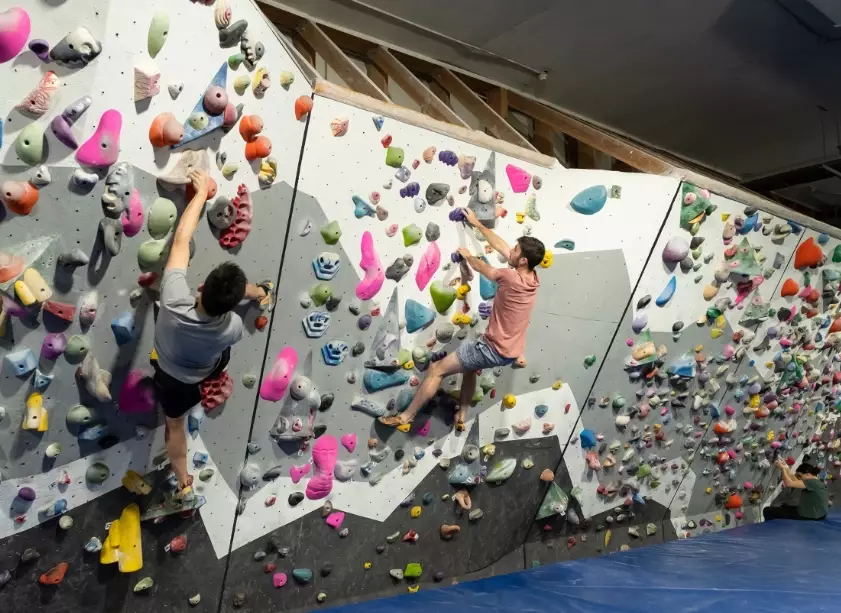
A Common First-Timer Mistake
People often try to pull themselves up with just their arms. Your legs are much stronger! Focus on standing up on your feet. Push with your legs, use your arms for balance and pulling when needed. This is the number one technique tip that will save your energy.
Gear Talk: What You Actually Need (And What You Don't)
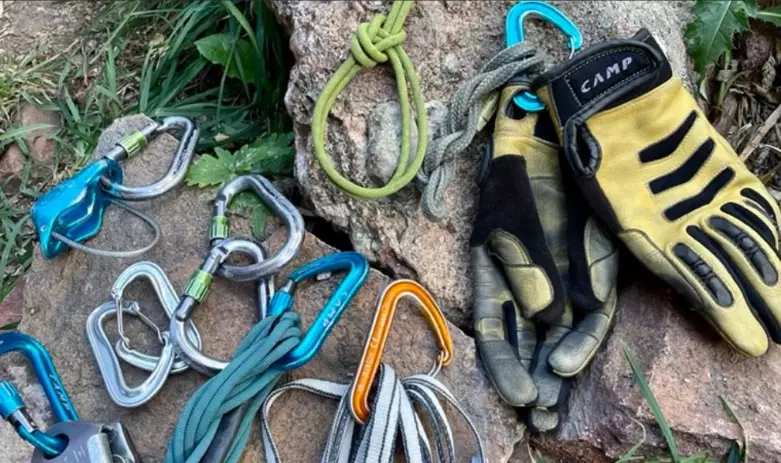
You can rent everything at first. But knowing what gear does helps you understand the sport.
The Non-Negotiables (For Rental)
- Climbing Shoes: These are tight. Like, uncomfortably tight at first. They're supposed to be snug to give you precision on small footholds. Don't rent street shoes; proper climbing shoes bend and grip in a way normal shoes never could. If your toes are slightly curled, that's normal. If they're screaming in pain, try a half-size up.
- Chalk and a Chalk Bag: Chalk (magnesium carbonate) absorbs sweat from your hands to improve grip. You don't need to dip your whole hand in it. A light dusting is enough. Some gyms ban loose chalk (they provide chalk balls) to keep the air cleaner, so check their policy.
- Harness (for rope climbing): This is your lifeline. The gym staff will show you how to put it on correctly—leg loops first, then the waist belt. The belay loop (the sturdy, reinforced loop in the front) is where everything attaches. Never tie a rope directly to the belt.
When to Buy Your Own Stuff
Don't rush out and buy gear after your first session. Rent for at least 5-10 visits. Why? First, you'll know if you actually like it. Second, your preferences will change. You might decide you love bouldering and won't need a harness for a while. When you do buy, shoes are the first investment. Getting a pair that fits your foot shape perfectly is a game-changer.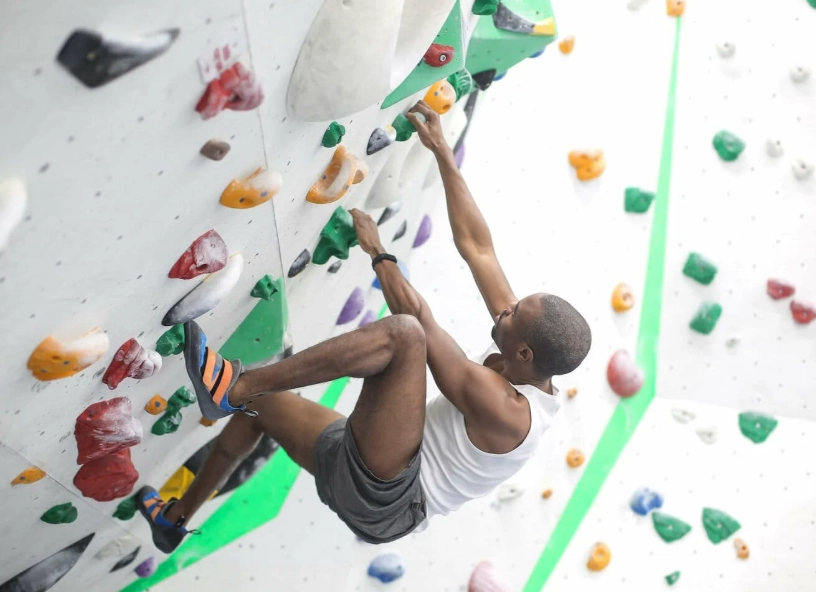
For belaying, you'll need a belay device. An assisted-braking device like a Petzl Grigri or an Edelrid Ohm is highly recommended for beginners (and many experienced climbers). They add an extra layer of safety by automatically locking if the climber falls. The International Climbing and Mountaineering Federation (UIAA) sets safety standards for this equipment, so always look for their certification.
Learning to Belay: It's Not as Scary as It Looks
If you want to do top rope indoor climbing, you need to learn to belay. Belaying is the technique of managing the rope to catch your partner if they fall. It's a position of huge trust, and gyms take it seriously.
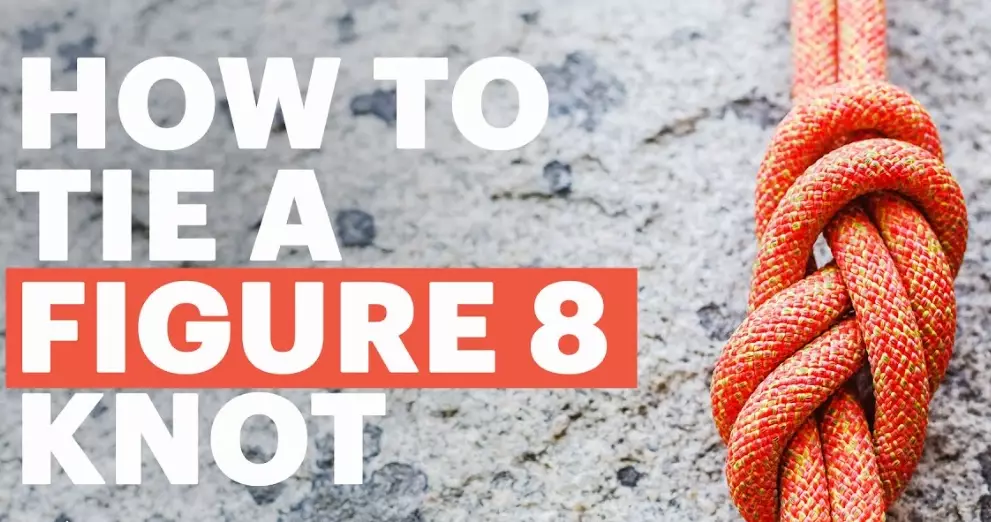
Most gyms require you to pass a belay test—a practical demonstration that you can tie the required knots (usually a Figure-8 Follow-Through) and operate the belay device correctly. You'll typically take a class, often included with your day pass or membership. Pay attention. This isn't the time to be on your phone.
The basic commands are ritualistic for a reason—to prevent miscommunication. They go like this:
Climber: "On belay?" (Are you ready to secure me?)
Belayer: "Belay on." (I am ready.)
Climber: "Climbing." (I am starting to climb.)
Belayer: "Climb on." (Go ahead.)
...After the climb...
Climber: "Ready to lower."
Belayer: "Lowering."
Say them. Every time.
The Mental Game: Fear, Frustration, and Flow
Let's be real. Indoor climbing is a mental sport. The physical part is only half the battle.
Dealing with Fear of Heights (It's Normal!)
You're not broken if you get to the top of a wall and feel a wave of panic. It's a natural response. The harness and rope are statistically incredibly safe when used correctly. The fear is often about the idea of falling, not the fall itself.
Here's a trick: instead of looking all the way down, focus on the wall in front of you. Look for your next hold. Take a deep breath. Tell your belayer you're feeling nervous—they can give you a tighter, more reassuring belay. Sometimes, just asking to be lowered a foot or two can reset your brain. Practice falling on purpose from a low height during a belay lesson. It demystifies the sensation.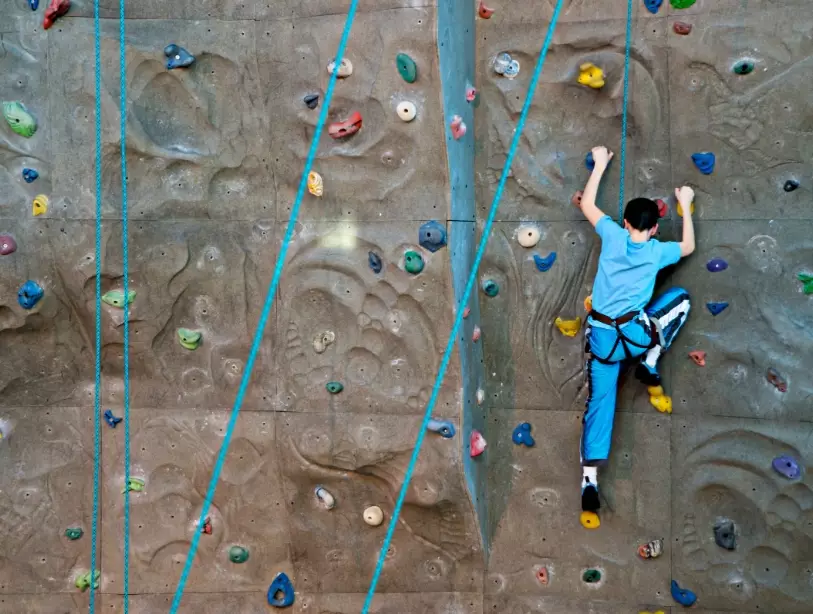
Personal insight
I still get a gut-clench on overhangs where I'm leaning out from the wall. My brain yells "You're going to swing!" The trick that worked for me was to actually take a practice fall in that position with my belayer ready. Feeling the rope catch me perfectly rewired that fear response. It's now just a signal to breathe and focus.
Handling Frustration
You will get stuck on a "easy" route. Everyone does. Maybe your foot slips, or you can't figure out how to grab a hold. Frustration is part of the learning process. Walk away from it. Try a different route, then come back. Watch how other people do it (this is called "reading beta"). Ask for advice—the climbing community is famously friendly and supportive. Saying "Hey, how did you do that move?" is a great way to make friends.
Staying Safe and Healthy: Avoiding the Common Pitfalls
Injury is a quick way to fall out of love with climbing. Most injuries come from overdoing it, not from dramatic falls.
The Golden Rule: Listen to Your Body
Your tendons and ligaments strengthen much slower than your muscles. You might feel strong enough to climb for three hours on your first day, but your fingers and elbows will pay for it tomorrow. Start with short sessions (60-90 mins), and take rest days. Pain in your finger joints or inner elbow (climber's elbow) is a sign to stop and rest.
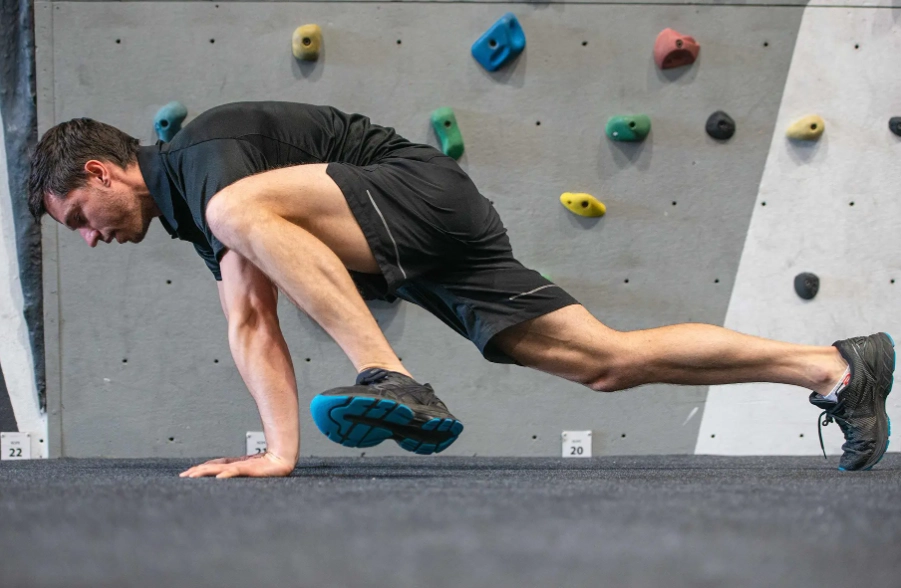
Always, always warm up. Don't just jump on the hardest wall. Start with some light cardio (jumping jacks, a quick jog), then do some dynamic stretches for your shoulders, wrists, and hips. Climb a few of the easiest routes in the gym to get blood flowing to your fingers. A proper warm-up is the best investment you can make in your climbing longevity.
For authoritative information on training and injury prevention, the American Alpine Club has resources, and many physical therapists who specialize in climbing publish excellent guides online.
Making It a Habit: How to Progress and Not Get Bored
So you've gone a few times and you're hooked. How do you keep it fresh and keep improving?
- Set Mini-Goals: Not "climb V5," but "successfully use a heel hook on a V1" or "complete three 5.8 routes in a row without getting pumped."
- Climb with Different People: Everyone has different strengths. Climbing with someone better than you is inspiring. Climbing with someone newer than you helps solidify your own knowledge.
- Try a Class: Most gyms offer technique workshops. Things like footwork, body positioning, and dynamic moves (dynos) are skills you can learn.
- Track the Fun: Gyms reset their walls regularly (every 4-8 weeks). New routes mean new puzzles. The environment is constantly changing.
Remember, progress isn't linear. Some days you'll feel weak and clumsy. Other days, you'll flash a problem that stumped you for weeks. It's all part of the journey.
Final Thoughts Before You Go
Indoor climbing is more than a sport or a workout. It's a community. It's a mental challenge. It's the satisfaction of solving a physical problem you initially thought was impossible. It's about trusting your partner and trusting yourself.
The barrier to entry is lower than you think. You don't need to be super strong. You need to be willing to try, to fail, and to get back on the wall. Search for that "indoor climbing gym near me", book an introductory session, and just show up. The rest will follow.
And if you see someone nervously looking at the walls on their first day, maybe say hi. You were there once, too.
Now go get some chalk on your hands.