Quick Trail Guide
- Why Bother Hiking at Night? (It's Not Just for the View)
- The Non-Negotiables: Safety First, Always
- Gearing Up for the Night: Beyond the Headlamp
- Picking Your First Night Hiking Trail
- On the Trail: Techniques for a Smooth Night Hike
- Embracing the Dark (And What's In It)
- Common Night Hiking Questions, Answered
- Making It a Routine
Let's be honest. The first time someone suggested a night hike to me, I thought they were a bit crazy. Hike in the dark? With all the... unknown things out there? It sounded less like recreation and more like the opening scene of a horror movie. But then a friend dragged me out one clear summer night on a trail I knew like the back of my hand in daylight. Let me tell you, I was not prepared for what happened.
It wasn't scary. It was utterly magical. The world I knew was gone, replaced by something quieter, sharper, and profoundly beautiful. The crunch of gravel underfoot was louder. The air felt cooler, cleaner. And the stars... I'd never really seen the Milky Way from my local hills before. That night, it was a dusty smear of light across the entire sky. I was hooked. I've been night hiking regularly for years now, and it's become my favorite way to experience the trails.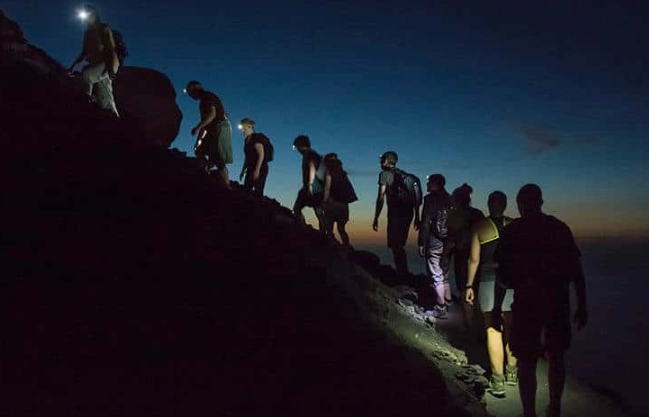
But here's the thing they don't always tell you: a successful, enjoyable night hike doesn't just happen. It's not the same as a day hike with less light. It's a different activity altogether, with its own rules, gear, and mindset. If you go out unprepared, you could have a miserable time or, worse, get into real trouble. That's why I'm writing this. I want to cut through the mystery and give you the straight talk on how to do this right, so you can skip the anxiety and go straight to the awe.
This guide is everything I wish I'd known before my first nocturnal adventure.
Why Bother Hiking at Night? (It's Not Just for the View)
If you're on the fence, let's talk motivation. Sure, the stars and the solitude are the big draws. But there are some really practical reasons to consider night hiking too.
For one, it beats the heat. Summer hiking in many places can be brutal. The sun is relentless, the trails are crowded, and the risk of dehydration or heatstroke is real. A night hike turns that on its head. The air is cool, the physical exertion feels easier, and you have the path mostly to yourself. It's a brilliant way to stay active during a heatwave.
Then there's the wildlife. You become a quiet observer in their world. I've seen more owls, foxes, and even a skunk family going about their business on night hikes than I ever have during the day. Your ears become your primary tool. You'll hear the rustle of nocturnal creatures, the distant hoot of an owl, the wind in the trees without the daytime background hum. It's a sensory experience that daytime hiking just can't match.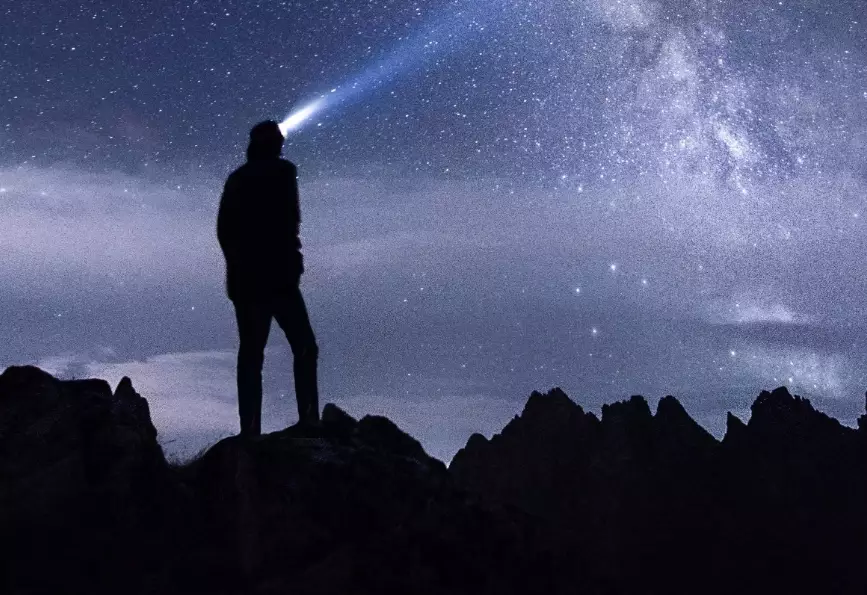
And let's not forget the mental challenge and reward. There's a unique satisfaction in navigating a familiar trail by a new sense—relying on your headlamp beam, your memory of the path's twists, and the feel of the ground. It builds confidence and a different kind of connection to the landscape. Conquering that initial, instinctive fear of the dark is a powerful feeling. You're not just walking; you're exploring a hidden version of your world.
The Non-Negotiables: Safety First, Always
This is the part you can't skip. Night hiking safety isn't a suggestion; it's the foundation of the whole activity. Getting it wrong can turn an adventure into a rescue mission.
Let Someone Know. Seriously.
This is rule number one, and I'm guilty of breaking it early on. Don't be like past me. Always, always tell a reliable person exactly where you're going, which trailhead you're using, and when you expect to be back. Text them a screenshot of the trail map. Set a hard deadline for them to call for help if they don't hear from you. The National Park Service emphasizes this as a critical step for any hike, and it's ten times more important at night.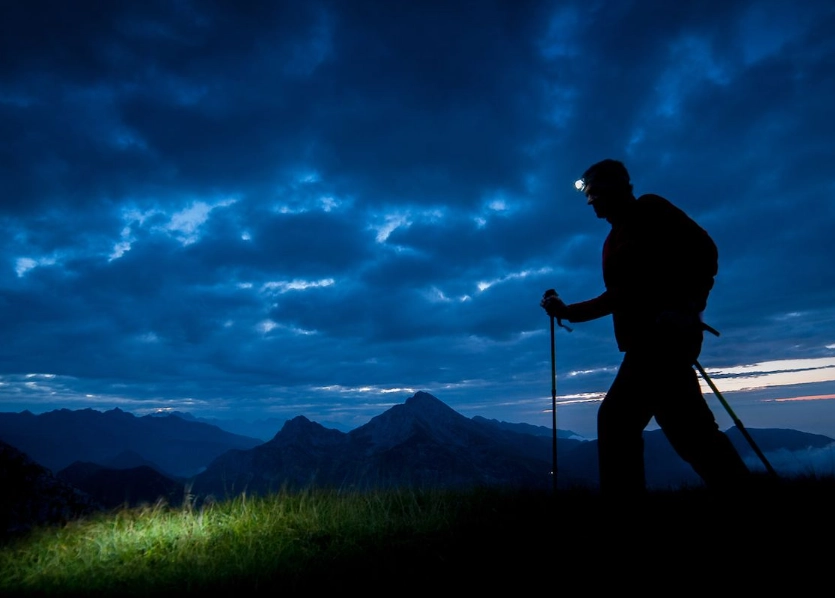
The Right Light is Everything
Your phone flashlight is not enough. It's a great backup, but it's a terrible primary light source. It drains your battery (your lifeline), has a narrow beam, and leaves you holding it awkwardly.
You need a proper headlamp. Hands-free lighting is a game-changer. But not just any headlamp. Look for one with a minimum of 200 lumens, multiple brightness settings (including a red light mode), and good battery life. The red light is crucial—it preserves your night vision so you're not constantly blinding yourself and others, and it's less disruptive to wildlife.
Know Your Trail in the Light Before You See It in the Dark
Your first night hike should not be on a brand-new, difficult trail. That's asking for trouble. Choose a trail you've hiked several times in daylight. You should know where the big turns are, where the tricky rocky sections lie, and how long it generally takes you. This familiarity builds a mental map that your headlamp will illuminate piece by piece. Navigation mistakes are much harder to correct at night.
Check the weather meticulously. Rain during the day is one thing; rain on a dark, potentially slippery trail is another. Fog can completely disorient you. Wind can mask sounds and make things feel more treacherous. The National Weather Service has great resources on hiking safety and understanding conditions.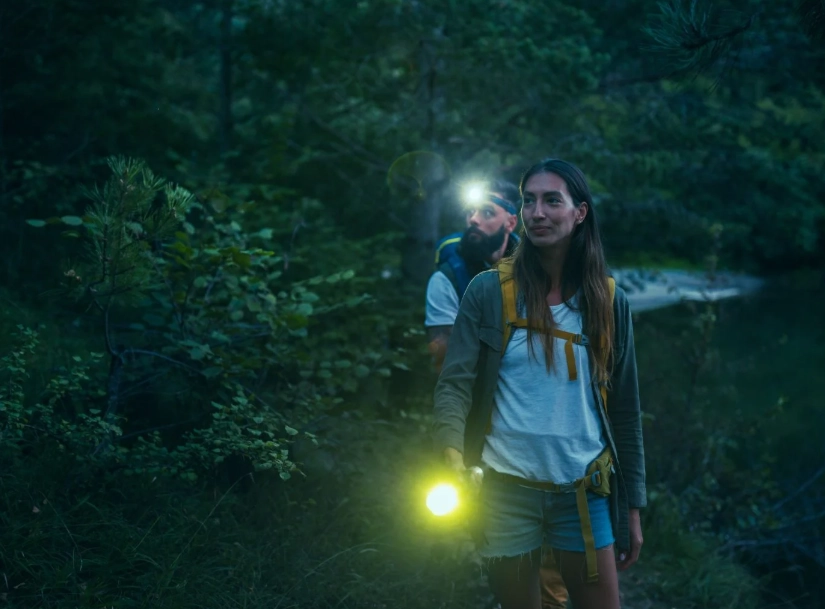
Gearing Up for the Night: Beyond the Headlamp
Your daypack gets a few nighttime upgrades. It's less about bringing more stuff and more about bringing the right stuff.
| Category | Essential Item | Why You Need It at Night |
|---|---|---|
| Core Safety | Primary Headlamp (200+ lumens, red light) | Hands-free navigation, preserves night vision. |
| Core Safety | Backup Light Source (small flashlight) | If your headlamp fails, this is your ticket out. |
| Core Safety | Extra Batteries / Power Bank | Power is safety. Never run out. |
| Navigation | Fully Charged Phone (Airplane Mode) | GPS/map backup. Airplane mode saves battery. |
| Navigation | Physical Map & Compass | Electronics can fail. Know how to use these. |
| Comfort & Warmth | Insulating Layer (Fleece, Puffy) | Temperatures drop fast after sunset. |
| Comfort & Warmth | Wind/Rain Shell | Blocks wind chill and unexpected drizzle. |
| Sustenance | More Water Than Usual | Cooler air can mask thirst. Hydrate proactively. |
| Sustenance | High-Energy Snacks | Keeps energy and morale up during longer treks. |
| First Aid | Enhanced First Aid Kit | Include a space blanket for potential long waits. |
Clothing is a big one. Dress in layers. You'll start cool, warm up as you hike, and then cool down rapidly when you stop. A moisture-wicking base layer, an insulating mid-layer, and a windproof/water-resistant outer shell are the holy trinity. Don't wear cotton—it holds sweat and gets cold, which is dangerous.
Footwear is critical. You need shoes or boots with excellent traction. That slightly muddy patch you'd skip over in daylight is now a potential slip zone in your narrow headlamp beam. Ankle support is also more valuable when you can't always see the exact placement of your next step.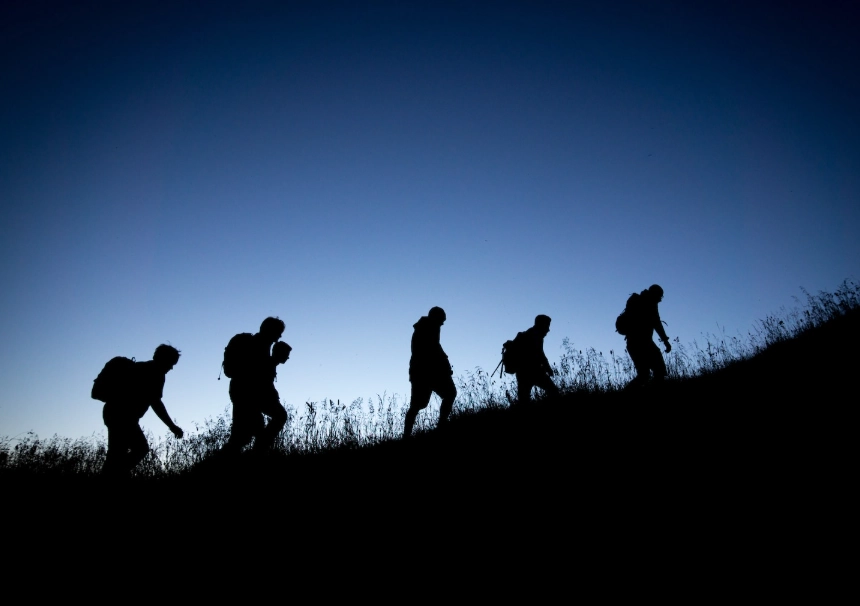
Picking Your First Night Hiking Trail
Where should you go? This choice can make or break your experience.
Start short and easy. Aim for a trail that's 2-4 miles round trip, with minimal elevation gain. A loop trail is fantastic because the scenery changes constantly. An out-and-back on a very familiar path is also a great, safe choice.
Consider the terrain. Wide, well-maintained paths are better than narrow, overgrown ones. Avoid trails with significant exposure (big drop-offs) or that require scrambling for your first few tries.
Check access and regulations. This is huge. Many state parks, national parks, and local preserves have strict closing times. Hiking after hours might be considered trespassing. Always check the official website for the park or land manager. Look for phrases like "day use only" or specific gate closure times. Some areas actually permit or even encourage night hiking—do your homework.
What about crowds? One of the joys of night hiking is solitude, but for a first-timer, knowing there might be another group or two on the trail can be reassuring. A popular, easy trail near a city might have a few other night hikers, while a remote wilderness trail will not. Choose your comfort level.
On the Trail: Techniques for a Smooth Night Hike
Okay, you're geared up, you've told your friend you're going, and you're at the trailhead as dusk settles. Now what?
Pace and Perception
You will hike slower at night. Accept it now. Your field of vision is limited to the cone of your headlamp. You're processing information differently. A three-mile day hike might take you an hour; at night, budget for 1.5 to 2 hours. There's no rush. Slowing down is part of the point.
Scan with your light. Don't just stare at your feet. Sweep the beam ahead to see what's coming, then down to place your next steps. Get into a rhythm. Look up frequently to take in the sky and let your eyes adjust to the ambient darkness beyond your beam.
Listening is Your Superpower
Turn off the podcast. Don't hike with headphones. Your hearing becomes a primary navigation and safety sense. You'll hear running water before you see it, giving you a clue about the terrain. You'll hear animals moving. You might even hear other hikers approaching. The soundscape is a massive part of the night hiking experience.
Group Dynamics
If you're hiking with others, communication is key. The person in front should call out obstacles—"root," "rock," "low branch." Space out a bit so you're not all in the same light pool, which creates harsh shadows. If you stop, announce it so the person behind doesn't walk into you.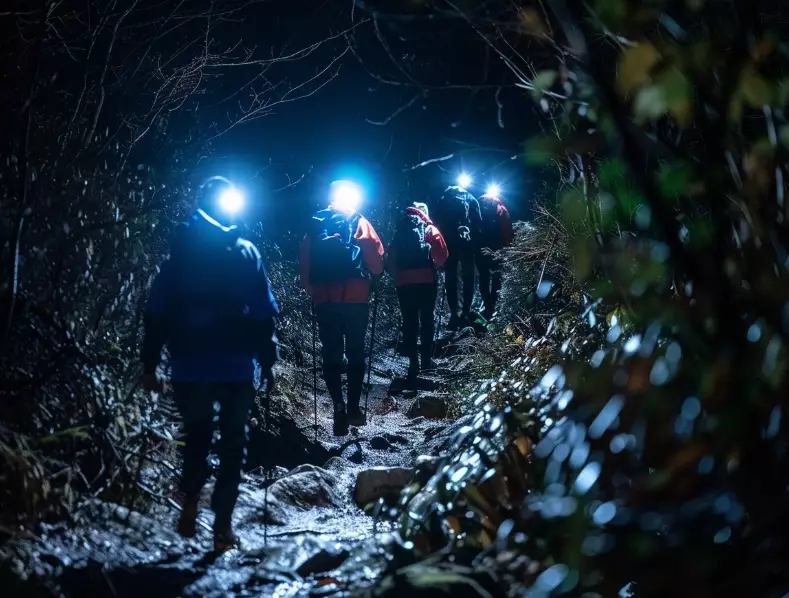
And for the love of all that is peaceful, be mindful of your light. Don't turn around and shine your bright white light directly in your hiking partner's face. If you need to talk to them, switch to red light or angle your beam down.
Embracing the Dark (And What's In It)
A big mental hurdle for many is the fear of wildlife. It's normal. Our brains are wired to be wary of the dark.
The reality is that most animals want nothing to do with you. You're a large, noisy, strangely-lit creature. They will usually hear you coming and get out of the way. In North America, the actual risk from animals like bears or mountain lions on a trail is extremely low, day or night. Making normal conversation-level noise is the best deterrent. Carry bear spray in known bear country, but know that its need is rare.
The real stars of the show are the celestial ones. If you want to level up your night hike, learn a few constellations. Seeing the Big Dipper or Orion overhead transforms the sky from a random sparkle to a familiar map. Apps like Star Walk or Sky Guide are fun, but use them sparingly with a red screen filter to protect your night vision. Better yet, bring a simple paper star chart and a red-light headlamp.
Common Night Hiking Questions, Answered
Making It a Routine
Once you've caught the bug, you'll start looking at the calendar differently. A full moon? That's a hiking night. A clear, crisp autumn evening? Perfect. You'll start to crave that unique peace.
You can also connect with others. Many local hiking clubs and outdoor organizations like The Mountaineers or local chapters of the Sierra Club host guided night hikes. These are brilliant for beginners—you have a leader who knows the trail, the group provides safety in numbers, and you can learn from others.
The goal of this guide isn't to scare you with lists of gear and warnings. It's the opposite. It's to give you the knowledge that dispels fear. Fear comes from the unknown. When you know how to choose a trail, what to bring, and how to move through the dark comfortably, that fear is replaced by anticipation.
Night hiking unlocks a secret door to the natural world. It's a practice in mindfulness, a test of self-reliance, and a source of pure, unadulterated wonder. It turns an ordinary trail into an expedition. So charge your headlamp, pick a trail you love, and go see what it has to show you after dark. You might just find your new favorite hobby.
Just remember to look up from your feet every now and then. The view is unbeatable.