Quick Navigation
- Before You Go: The Zion Planning Checklist
- Navigating the New Normal: Permits and Reservations
- Crafting Your Perfect Zion Itinerary
- Hiking Zion: From Iconic Trails to Hidden Gems
- Zion Beyond Hiking: Other Ways to Experience the Park
- Essential Tips for a Smooth Zion Adventure
- Frequently Asked Questions About Zion National Park
Let's be honest. You've seen the pictures. Those impossible red cliffs against a perfect blue sky, the winding Virgin River cutting through a slot canyon, the dizzying chain-assisted climb up Angel's Landing. It looks amazing, and you want to go. But then you start researching Zion National Park, and suddenly you're drowning in information about permits you can't get, shuttle tickets that sell out in seconds, and trails packed with people. It feels overwhelming.
I get it. I felt the same way before my first trip. I've also made all the mistakes so you don't have to. I've stood in the wrong line for an hour. I've shown up without the right permit. I've hiked in the wrong shoes. This guide is the result of learning those lessons the hard way, plus countless conversations with park rangers and fellow hikers.
This isn't just a list of trails. It's a strategic manual for actually experiencing Zion, not just surviving it. We'll cut through the noise and get to what you really need to know to plan a trip that's memorable for all the right reasons.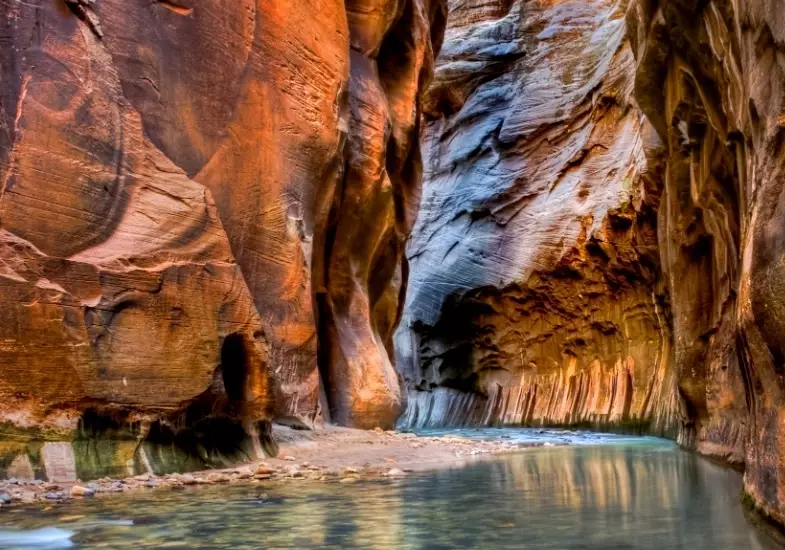
Before You Go: The Zion Planning Checklist
Jumping straight to the hike descriptions is tempting, but the success of your Zion trip is decided weeks or months before you arrive. Miss a key reservation, and your dream hike is off the table. Get this part right, and you're halfway there.
Best Time to Visit Zion: A Seasonal Breakdown
There is no single "best" time. It depends entirely on what you want. Crowds? Weather? Water temperature? It's a trade-off.
| Season | Pros | Cons | Best For |
|---|---|---|---|
| Spring (April-May) | Wildflowers, pleasant temps, flowing waterfalls. The Narrows water is cold but manageable. | Unpredictable rain, potential for flash floods. Crowds start building. | Hikers who want comfortable temperatures and vibrant scenery. |
| Summer (June-Aug) | Long days, warm water in The Narrows. All services open. | Extreme heat in the sun, monsoon thunderstorm risk, PEAK crowds. Shuttle lines are long. | Families on school schedules, canyon wading (but start very early!). |
| Fall (Sept-Oct) | My personal favorite. Warm days, cool nights, smaller crowds after Labor Day. Stunning light. | Days get shorter. Water in The Narrows gets chilly again. | Photographers, serious hikers, anyone wanting a balance of good weather and fewer people. |
| Winter (Nov-Mar) | No crowds. No shuttle (you can drive the canyon). Peaceful, stark beauty. | Short days, cold temps. Ice on trails like Angel's Landing can close it. The Narrows is a very cold, expert-only endeavor. | Solitude seekers, photographers, those comfortable with cold-weather hiking. |
My take? Late September through October is the sweet spot. The summer hoards have left, the heat has broken, and the light slants through the canyon in a way that makes everything glow. Spring is a close second, but be ready for more people.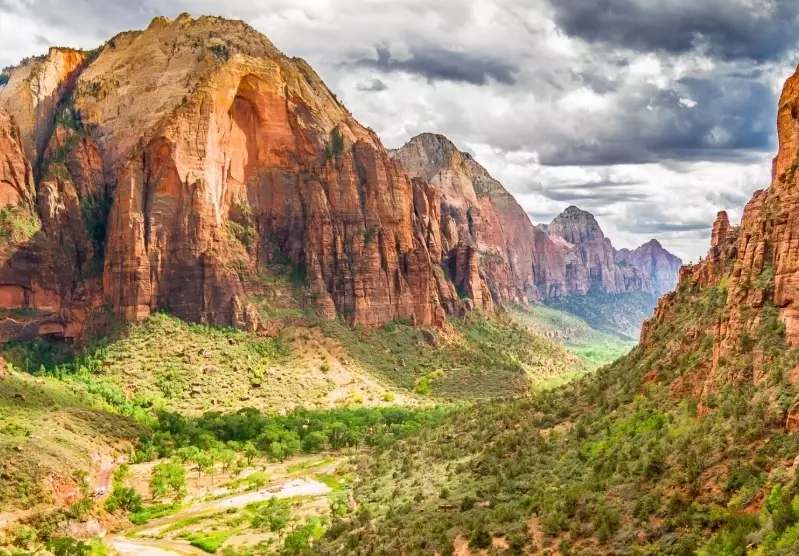
Where to Stay: Inside vs. Outside the Park
This decision impacts your daily routine more than you think.
Outside the Park (Springdale): This is where most people stay. The town of Springdale is literally at the park's south entrance. It's packed with hotels, restaurants, and gear shops. You'll take the town shuttle to the park entrance. It's convenient, but don't underestimate the time it takes. From your hotel room to a trailhead like The Grotto can easily be 45-60 minutes once you account for shuttles. Book early here too, especially for spring and fall.
There are also options in towns like Hurricane or St. George, about 30-60 minutes away. They're cheaper and have more chain hotels, but you'll spend a significant chunk of your day commuting. Only consider this if you're on a very tight budget or everything else is sold out.
Getting There and Getting Around
Most people fly into Las Vegas (LAS) or Salt Lake City (SLC). Vegas is closer (2.5-hour drive), but Salt Lake has more direct flights for some. The drive from either is stunning.
Now, the most important transportation note: From early spring through late fall, you cannot drive your personal vehicle on the Zion Canyon Scenic Drive. This is the road that accesses all the major trailheads (Angel's Landing, The Narrows, Emerald Pools, etc.). You must use the free park shuttle. It's efficient, but it's a system you need to understand.
The shuttle has two loops: the Springdale Line (runs through town) and the Zion Canyon Line (runs up the canyon). You board the Zion Canyon Line at the Visitor Center. During peak season, lines to board at the Visitor Center in the morning can be over an hour long. The pro move? Park at one of the large lots in Springdale (they fill up by 9 AM), take the town shuttle to the park entrance, walk in, and you're at the Visitor Center. Or, even better, if you're staying in Springdale, just walk or take the town shuttle from your hotel.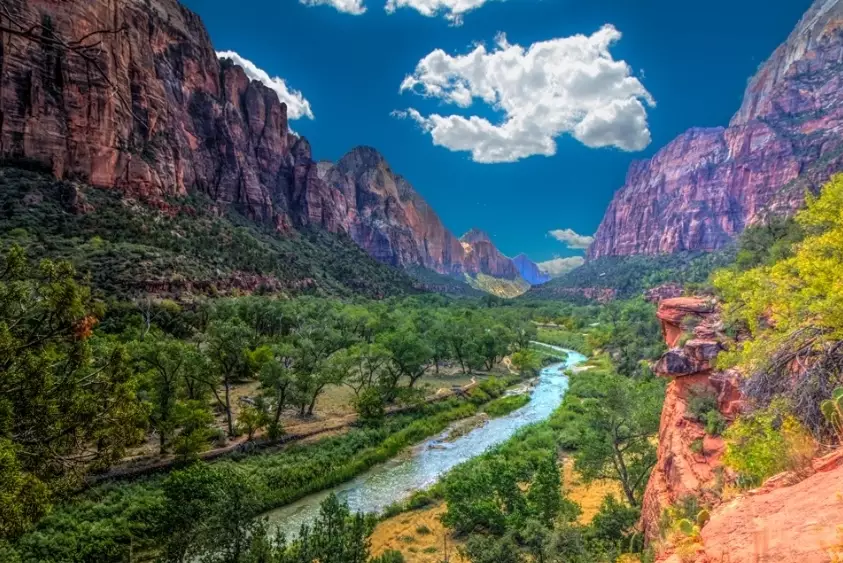
Park Fees and Passes
A private vehicle entry to Zion National Park costs $35 and is valid for 7 days. If you're visiting multiple national parks in a year, the $80 America the Beautiful Annual Pass is a no-brainer. It pays for itself in three park visits. You can buy it online or at any park entrance.
Navigating the New Normal: Permits and Reservations
This is the part that stresses everyone out. The park's popularity has forced a managed access system. It's not as bad as it seems if you're organized.
The goal of the permit system isn't to ruin your vacation. It's to prevent the trails from being literally damaged by overuse and to keep the experience from being miserable. Once you've stood on a narrow spine with a hundred other people, you'll understand why they did it.
There are three main things you might need to book in advance:
1. The Angel's Landing Lottery
This is the big one. To hike the chain section to the summit of Angel's Landing, you need a permit. They are awarded via a lottery system on Recreation.gov.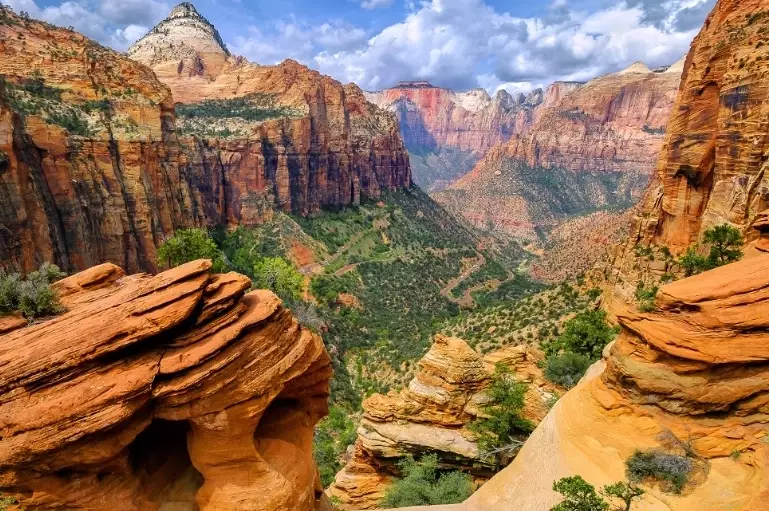
- Seasonal Lottery: Opens four times a year for entire upcoming seasons (e.g., January for spring). Your odds are low here, but it's worth a shot.
- Day-Before Lottery: This is your best bet. Lotteries run every day for permits to hike the next day. The application window is from 12:01 AM to 3:00 PM MT. Results are sent by 4:00 PM. I've had success with this multiple times. The key is to be flexible with your dates.
2. The Narrows Top-Down Permit
Wait, I need a permit for The Narrows? Only if you're doing the top-down hike from Chamberlain's Ranch (a 16-mile marathon usually done in one very long day or as an overnight). This requires a wilderness permit.
The bottom-up hike from the Temple of Sinawava (the one everyone pictures) does not require a permit. You just walk in from the river. Phew.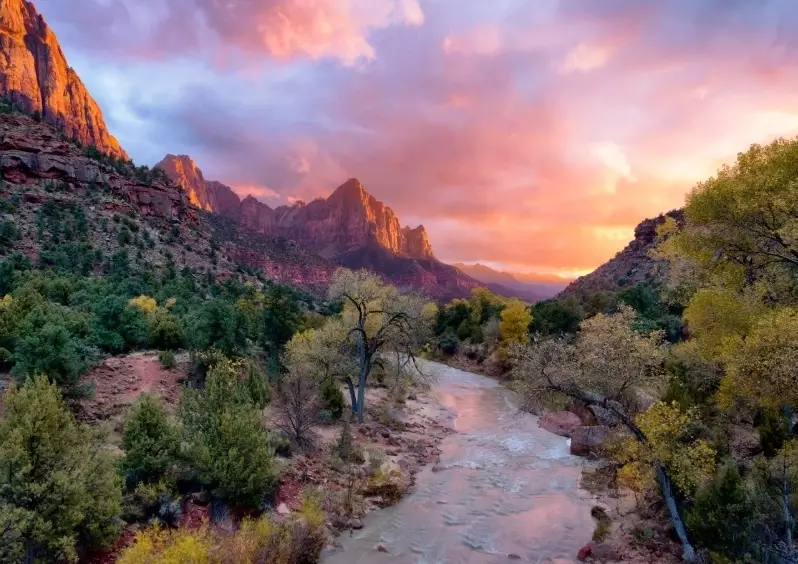
3. The Seasonal Shuttle Ticket
For the 2024 season, Zion has not required advance shuttle reservations, relying on the first-come, first-served system. However, this has been implemented in recent past seasons due to extreme congestion. This policy can change at any time. You must check the official Zion National Park shuttle page in the weeks leading up to your trip. Do not assume the rules are the same as last year.
My personal opinion? The shuttle reservation system, when active, was actually better for planning. The morning scramble for the first-come line was pure anxiety. A reserved slot, even if it meant less spontaneity, made the day start smoother.
Crafting Your Perfect Zion Itinerary
How many days do you need in Zion National Park? You can see the highlights in one frantic day, but to actually feel the place, I recommend at least two full days, with three being ideal. Here’s how I’d break it down.
| Days | Morning | Afternoon | Evening |
|---|---|---|---|
| 1 Day (The Blitz) |
Angel's Landing (if you have permit) or Observation Point via East Mesa Trail (no permit, epic view). Start at sunrise. | Shuttle to Temple of Sinawava. Hike the Riverside Walk and wade into the start of The Narrows (bottom-up). | Easy stroll to the Watchman Trail near the visitor center for sunset. |
| 2 Days (Classic Combo) |
Day 1: The Narrows bottom-up hike. Go as far as Orderville Canyon and back. | Day 1: Explore the Emerald Pools trails (lower pools are easiest, upper pools more rewarding). | Day 1: Dinner in Springdale, early night. |
| Day 2: Angel's Landing (permit) or West Rim Trail to Scout Lookout (same climb, no permit needed for this part, still awesome). | Day 2: Drive the Zion-Mt. Carmel Highway. Stop at the Canyon Overlook Trail (short, great payoff). Check out the historic tunnel. | Day 2: Sunset at the Human History Museum patio or a final stroll. | |
| 3+ Days (Deep Dive) |
Days 1 & 2: As above. | Day 3: Drive 40 mins north to the Kolob Canyons section of Zion. Hike the Taylor Creek Trail (moderate 5-mile round trip to a double arch alcove). Fewer than 10% of visitors see this area. | Any evening: Attend a ranger program. The night sky talks are fantastic. |
That third day option to Kolob Canyons is my biggest piece of advice for anyone with the time. It feels like a different, quieter park. The red cliffs are just as dramatic, but you might have the trail to yourself.
Hiking Zion: From Iconic Trails to Hidden Gems
Alright, let's talk trails. This is why you're here. I've categorized them not just by difficulty, but by the type of experience they offer.
The Iconic Must-Dos (If You Can)
Angel's Landing: Let's address the fear factor first. Yes, the last half-mile is along a narrow ridge with chains for support and sheer drop-offs on both sides. It's not for those with a severe fear of heights. But it's also not a free solo climb. The chains are secure, and if you take your time, it's manageable for most fit hikers. The 360-degree view from the top is legendary. The hike to Scout Lookout (before the chains) is a strenuous 4-mile round trip with switchbacks, but the view is still incredible and requires no permit.
The Narrows (Bottom-Up): Hiking in a river. It's as fun as it sounds. You'll need to rent proper gear (canyoneering shoes, neoprene socks, and a walking stick) from a shop in Springdale. Don't hike it in sneakers—the river rocks are like bowling balls covered in Vaseline. The water can be cold and the current strong. Check the official Narrows conditions page for flash flood risk before you go. Even hiking a mile or two in is a unforgettable experience.
Observation Point (via East Mesa Trail): This is the secret backdoor. The traditional trail from Weeping Rock is often closed due to rockfall. But you can drive to a trailhead on the east side of the park (dirt road, okay for most cars when dry) and hike a flat, easy 3.5 miles (one way) through a forest to Observation Point. The view? It's actually higher than Angel's Landing, looking down on it. No permit needed. This might be the best view-for-effort ratio in the park.
Moderate Adventures with High Rewards
Emerald Pools: A network of trails leading to... well, pools. The Lower Pool is an easy, paved walk to a waterfall. The Upper Pool involves more climbing and is quieter. It's a good family-friendly option or a nice afternoon add-on.
Riverside Walk: This is the paved path that leads to the entrance of The Narrows. It's 2.2 miles round trip, completely flat, and runs along the Virgin River with towering walls. It's wheelchair accessible (with assistance) and stunningly beautiful. Don't skip it just because it's easy.
Canyon Overlook Trail: On the east side of the park, just after the long tunnel. It's only 1 mile round trip, but involves stairs and some narrow sections. The payoff is a breathtaking view down Pine Creek Canyon and the switchbacks of the highway below. Perfect for sunset.
Zion's Hidden Gems (Shh!)
Kolob Arch via La Verkin Creek Trail: Located in the Kolob Canyons section. A 14-mile round trip hike to one of the world's largest freestanding arches. It's a commitment, but you'll see maybe a handful of people all day. True wilderness.
The Subway (Top-Down): This is a permit-only, technical canyoneering route that requires rappelling, swimming, and serious route-finding. Not for beginners. But the photos of its iconic tubular formation are what park dreams are made of. If you have the skills and get the permit, it's a lifetime achievement.
I think The Subway is more spectacular than The Narrows, but it's a completely different league of difficulty. Don't attempt it without preparation and a guide if you're new to canyoneering.
Zion Beyond Hiking: Other Ways to Experience the Park
Not everyone wants to hike 10 miles. That's okay. Zion isn't just a hiking park.
Scenic Drives: The Zion-Mt. Carmel Highway is an attraction itself. Wind through switchbacks, crawl through a 1.1-mile long tunnel (built in 1930!), and emerge onto the stunning Checkerboard Mesa area. The Kolob Canyons Road is a 5-mile dead end with pullouts offering jaw-dropping views right from your car.
Cycling: You can bike the Zion Canyon Scenic Drive even when the shuttles are running! This is a fantastic way to experience the canyon at your own pace. Rent an e-bike in Springdale to make the slight uphill grade a non-issue.
Horseback Riding: Several outfitters offer rides along the Virgin River or on the plateaus. It's a classic Western way to see the scenery.
Essential Tips for a Smooth Zion Adventure
These are the little things that make a big difference.
- Start Early. I mean, really early. On the first shuttle of the day (often 6 or 7 AM). You'll have trails to yourself, beat the heat, and be done with your hike before the crowds even find parking. This is the single most effective strategy in Zion.
- Hydrate Like It's Your Job. The desert air is deceptively dry. Carry at least 3 liters of water per person for a long hike. I use a hydration bladder so I can sip constantly.
- Footwear is Everything. For paved trails, good sneakers are fine. For anything rocky or sandy, trail runners or hiking boots. For The Narrows, rent the proper canyoneering shoes. Blisters can ruin a trip.
- Check the Weather, Then Check it Again. Not just for rain, but for temperature swings. It can be 50°F at sunrise and 90°F by noon. Layer up. And crucially, check for flash flood warnings if you're going into any canyon, especially The Narrows. The park's weather page and the visitor center are your best sources.
- Manage Your Crowd Expectations. Zion is popular for a reason. You will see other people, especially at midday at the popular spots. Embrace the early morning strategy, seek out the less-hyped trails (like Watchman or Pa'rus), and remember that everyone is there for the same awe you are.
Frequently Asked Questions About Zion National Park
Look, planning a trip to Zion National Park can seem like a part-time job with all the permits and logistics. But I promise you, the moment you round a corner on the trail and see the sun lighting up those Navajo sandstone walls in a hundred shades of red and orange, it all fades away. The scale of the place humbles you. The silence in the side canyons settles you. It's worth every bit of the effort.
The key is to plan diligently but then be present. Put the phone away (after taking the photo, of course). Feel the sun on the rock, the cold of the river, the dust on the trail. Listen for the canyon wrens. That's the real magic of Zion. It's not just a checklist of hikes; it's an experience that sticks with you long after you've left.
Now go get those permits. I'll see you on the trail.