In This Guide
I drove into Glacier National Park on a crisp September morning, and the sight of those jagged peaks against a clear blue sky still gives me chills. Montana's national parks aren't just destinations; they're experiences that stick with you. But here's the thing – most folks show up unprepared, missing out on the magic. Let's fix that.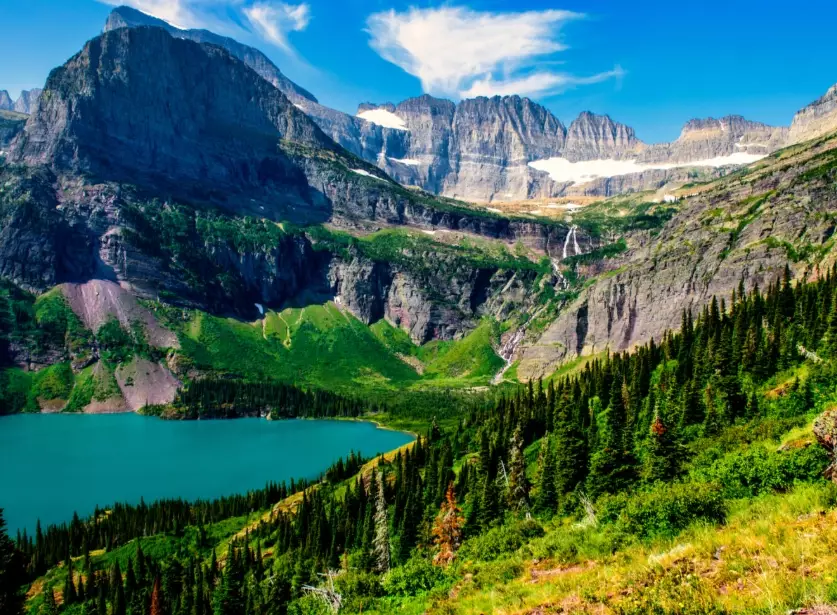
Montana boasts two iconic national parks: Glacier National Park, entirely within the state, and Yellowstone National Park, which spills over from Wyoming with its North Entrance in Montana. This guide dives deep into both, giving you the nitty-gritty details to plan a trip that's smooth, memorable, and free from rookie errors.
Glacier National Park: Crown of the Continent
Glacier is the star of Montana's park system. Spanning over 1 million acres, it's a hiker's paradise with over 700 miles of trails. But don't just wander in blindly – knowing the logistics saves headaches.
Quick Facts: Address: Glacier National Park, Montana (main entrance near West Glacier). Entrance fee: $35 per vehicle (valid for 7 days). Open year-round, but key roads like Going-to-the-Sun Road are seasonal (typically late June to mid-October). Best way to get there: Fly into Glacier Park International Airport (FCA) in Kalispell, then drive 30 minutes to the west entrance.
Getting There and What to Expect
From Kalispell, take Highway 2 east to West Glacier. The drive is scenic, but traffic piles up in summer. I made the mistake of arriving at noon in July – spent an hour in line. Aim for early morning or late afternoon entries.
Once inside, the Going-to-the-Sun Road is the main artery. It's 50 miles of sheer beauty, but it's narrow and often congested. Pro tip: Use the free shuttle system from Apgar Visitor Center to Logan Pass. It runs from July to September and lets you skip the parking chaos.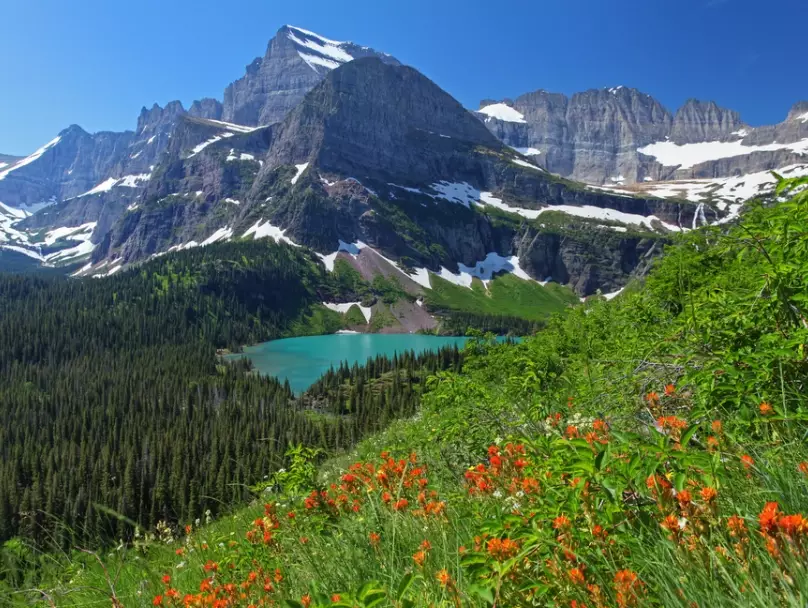
Must-See Attractions and Hikes
Everyone talks about Logan Pass, but it's a zoo by 9 AM. Instead, start with these spots:
- Hidden Lake Overlook: A moderate 2.7-mile round trip from Logan Pass. Go at sunrise for solitude and wildlife sightings – I saw mountain goats up close.
- Avalanche Lake: A 4.6-mile round trip from the Trail of the Cedars. The lake's turquoise waters are worth the climb, but the trail gets muddy; wear sturdy boots.
- Many Glacier Valley: Drive to the east side for Grinnell Glacier Trail. It's 10.6 miles round trip, strenuous, but offers glacier views few see. Check trail status on the National Park Service website – it often closes due to bear activity.
Camping? St. Mary Campground on the east side has first-come, first-served sites, but they fill by 8 AM. Book ahead at Fish Creek or Many Glacier if you can.
Yellowstone National Park: The Montana Gateway
Yellowstone's North Entrance in Gardiner, Montana, is the original park gateway. It's less crowded than Wyoming entrances, but that doesn't mean it's a breeze.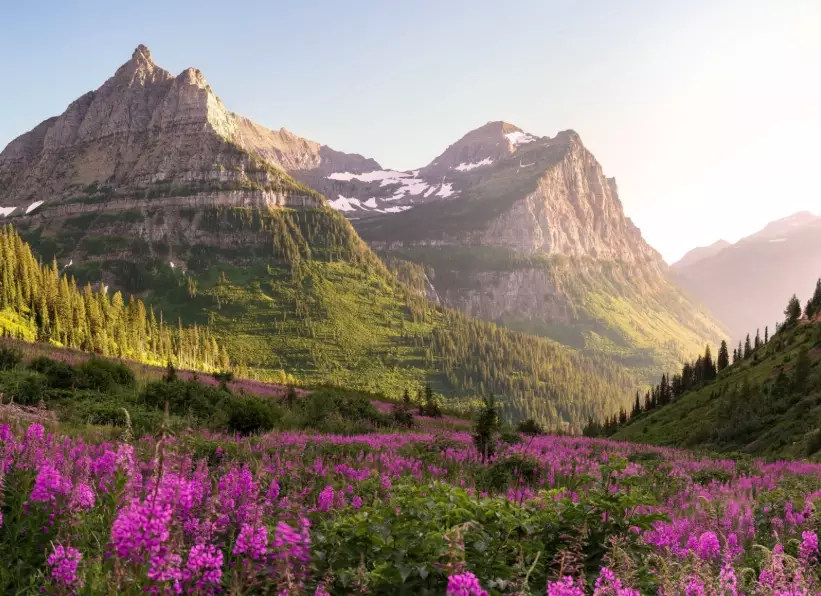
Quick Facts: Address: North Entrance, Gardiner, MT 59030. Entrance fee: $35 per vehicle (valid for 7 days, same as Yellowstone overall). Open year-round, but some roads close in winter (November to April). Getting there: Fly into Bozeman Yellowstone International Airport (BZN), then drive 90 minutes south via US-89.
North Entrance Details and Unique Features
From Gardiner, you enter right by the iconic Roosevelt Arch. The drive to Mammoth Hot Springs is 5 miles – easy, but parking is tight. Mammoth has elk lounging around the buildings; it's surreal but watch your distance.
The Montana section of Yellowstone includes the Lamar Valley, dubbed "America's Serengeti." I spent a dawn there last fall and spotted wolves, bison, and grizzlies. Most tourists rush to Old Faithful, but Lamar is where the real action is. Bring binoculars and patience.
Key Stops from the Montana Side
- Mammoth Hot Springs: Terraced hot springs that change daily. The boardwalk loop is 1.5 miles, wheelchair-accessible, but can be smelly – not for the faint of nose.
- Lamar Valley: A 29-mile drive from Mammoth. Best for wildlife viewing at dawn or dusk. Road conditions vary; check for closures on the National Park Service site.
- Tower Fall: A 132-foot waterfall near the Northeast Entrance. The viewing area is a short walk from the parking lot, but the trail to the base is often closed due to erosion.
Accommodation in Gardiner ranges from budget motels to lodges. I stayed at the Yellowstone River Motel – basic but clean, with rooms around $150 per night in summer. Book months ahead.
How to Plan Your Montana National Parks Trip
Throwing together a last-minute trip to these parks is a recipe for frustration. Here's a structured approach.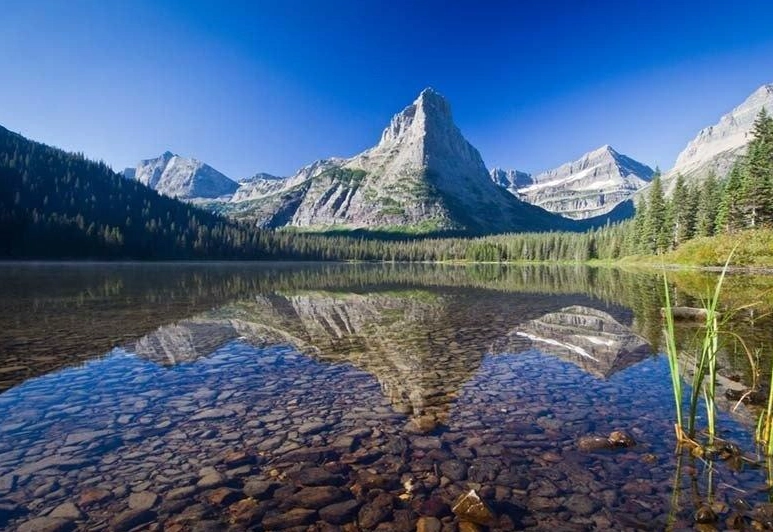
Sample 5-Day Itinerary
This balances both parks without rushing:
- Day 1: Arrive in Kalispell, drive to West Glacier. Settle in Apgar Village, hike Trail of the Cedars. Stay at Lake McDonald Lodge (book early).
- Day 2: Drive Going-to-the-Sun Road early, hike Hidden Lake Overlook. Afternoon at Many Glacier for a boat tour.
- Day 3: Drive from Glacier to Gardiner (about 6 hours). Stop in Browning for lunch. Evening in Lamar Valley for wildlife.
- Day 4: Explore Mammoth Hot Springs, then drive to Tower Fall. Picnic at Pebble Creek.
- Day 5: Depart from Bozeman airport.
This itinerary assumes summer access. In spring or fall, adjust for road closures – Going-to-the-Sun Road might not open until July some years.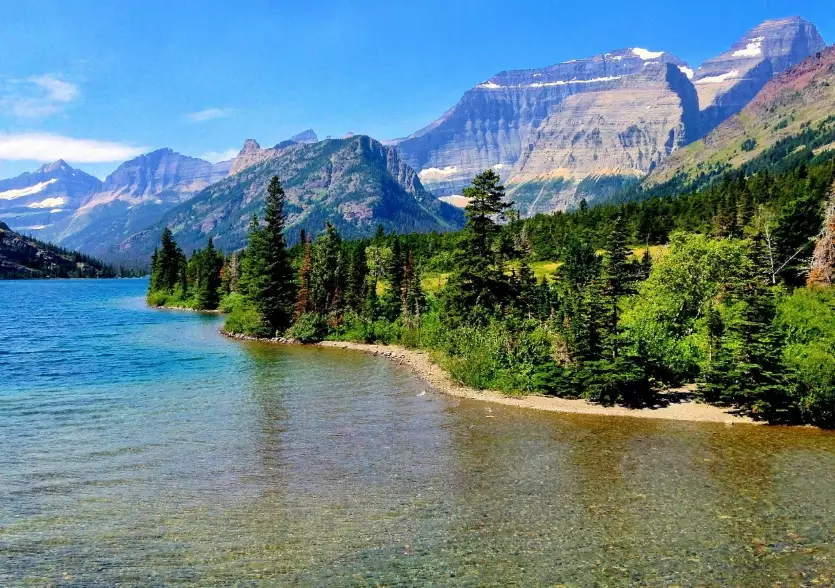
Accommodation and Camping Tips
Inside the parks, lodges fill up a year in advance. For Glacier, I've had luck with cancellations at Many Glacier Hotel if I check the website weekly. Camping is cheaper but competitive: Fish Creek Campground in Glacier takes reservations, while St. Mary is first-come. In Yellowstone, Mammoth Campground is first-come and often full by noon.
Outside the parks, towns like Whitefish near Glacier or Gardiner near Yellowstone offer more options. I found a cozy Airbnb in Whitefish for $120 per night – book at least 3 months ahead.
| Park | Best Time to Visit | Peak Crowds | Entry Fee |
|---|---|---|---|
| Glacier National Park | Late June to September | July and August | $35 per vehicle |
| Yellowstone (North Entrance) | May to October | June to August | $35 per vehicle |
That table gives a snapshot, but let me add: September in Glacier is golden – fewer people, fall colors, but some services wind down. Weigh the trade-offs.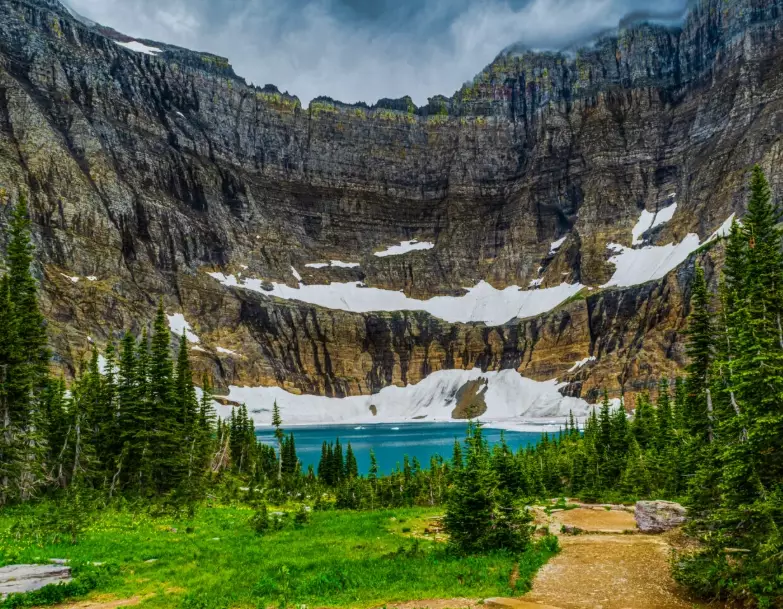
Common Mistakes and Expert Advice
After a decade of visiting these parks, I've seen the same errors repeat. Here's how to avoid them.
Mistake 1: Overpacking your day. Newbies try to cram too many hikes. Glacier's trails are steep and slow – a 5-mile hike can take 4 hours with breaks. Pick one major activity per day.
Mistake 2: Ignoring weather. Montana's weather shifts fast. In Glacier, I got caught in a hailstorm on a sunny July hike. Always pack layers, rain gear, and check forecasts on the National Weather Service site.
Mistake 3: Underestimating wildlife safety. Bison in Yellowstone aren't teddy bears; they charge if provoked. Keep 100 yards from bears and wolves, 25 yards from other animals. Carry bear spray – I rent it from local shops for $10 per day.
Non-consensus tip: Skip the popular Logan Pass at peak hours. Instead, explore the Two Medicine area on Glacier's east side. It's quieter, with stunning lakes and trails like Scenic Point that offer panoramic views without the crowds. Most guides overlook it because it's a bit off the beaten path.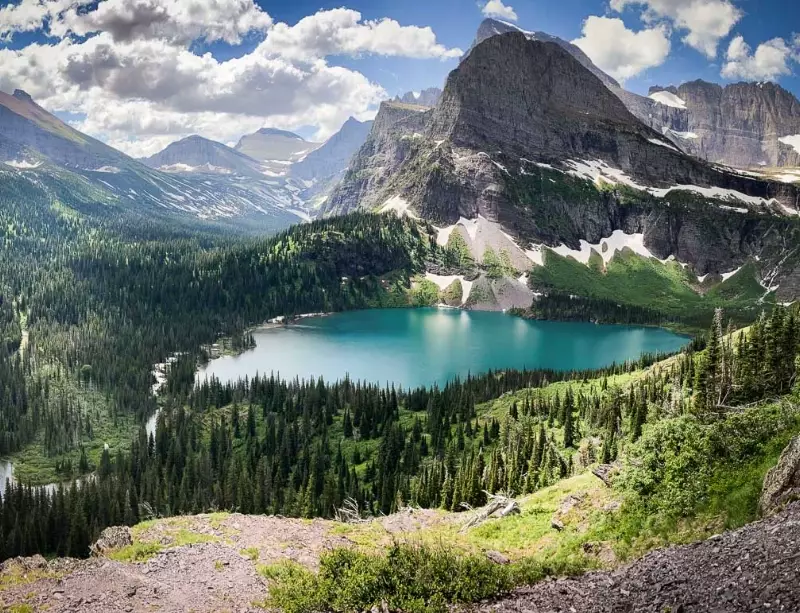
Frequently Asked Questions
Montana's national parks offer raw, unfiltered wilderness. But the magic lies in preparation. Use this guide to craft a trip that's not just a checklist, but an adventure you'll reminisce about for years. Start planning now – those mountains aren't going anywhere, but the best experiences require a bit of savvy.