Let's be honest. When you think of Alaska, you picture vast, untamed wilderness, right? Glaciers the size of cities, mountains that scrape the sky, and animals that don't just walk by—they own the place. That image isn't wrong. And the best way to step into that picture is through Alaska's national parks. But here's the thing most blogs don't tell you upfront: planning a trip to the national parks in Alaska isn't like planning a weekend in Yellowstone. It's a whole different beast. Some parks have roads, others you can only reach by boat or plane. Some feel remote, others feel like you've left the planet entirely.
I remember my first time flying over the Wrangell-St. Elias range. The pilot banked the tiny plane, and all I saw were endless peaks and icefields. No roads. No buildings. Just pure, raw earth. It was humbling and a bit terrifying. That's the magic and the challenge of Alaska's parks. This guide is my attempt to save you from the overwhelm. We're going to break down all eight national parks in Alaska, not just with pretty pictures, but with the gritty details you need to actually plan a trip. Which park is right for you? When should you go? What do you absolutely need to pack? And yes, we'll talk about the famous ones like Denali and Glacier Bay, but also the hidden gems that most visitors never see.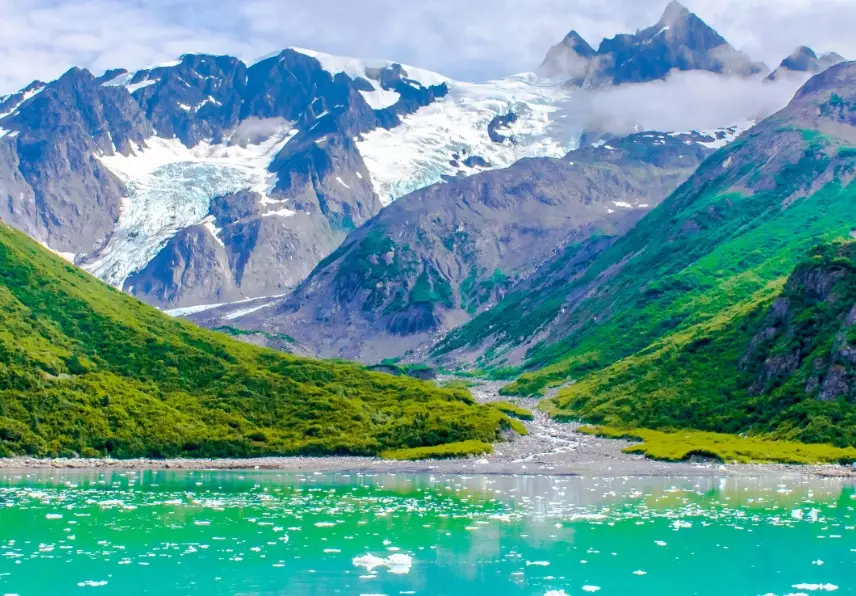
Quick Guide
Meet the Magnificent Eight: Alaska's National Parks at a Glance
Alaska holds over half of America's national park land. Wrapping your head around that is tough. Eight separate parks, each massive and wildly different. To make sense of it, let's start with a snapshot. This table isn't just a list; it's your first tool for deciding where to focus your precious time and money.
| Park Name | Size (Acres) | Signature Feature | Best For | Access Challenge |
|---|---|---|---|---|
| Denali National Park & Preserve | 6 million | Denali (North America's tallest peak) | Wildlife viewing, iconic Alaskan scenery | Moderate. One park road, private vehicles restricted past mile 15. |
| Glacier Bay National Park & Preserve | 3.3 million | Tidewater glaciers & fjords | Boat/kayak tours, glacier calving, whale watching | High. Primary access is by boat or plane from Gustavus. |
| Wrangell-St. Elias National Park & Preserve | 13.2 million (Largest in US) | Vast mountain ranges & historic mines | Adventure, flightseeing, backpacking | High. Few maintained roads, vast backcountry. |
| Katmai National Park & Preserve | 4.1 million | Brown bears & the Valley of Ten Thousand Smokes | Bear viewing (Brooks Falls), volcanic landscapes | Very High. Accessible only by boat or plane. |
| Kenai Fjords National Park | 669,000 | Coastal fjords & Harding Icefield | Boat tours, hiking Exit Glacier, marine wildlife | Low-Moderate. Road to Exit Glacier, boat access from Seward. |
| Gates of the Arctic National Park & Preserve | 8.4 million | Pure, roadless Arctic wilderness | True wilderness immersion, backpacking, solitude | Extreme. No roads or trails. Bush plane access only. |
| Lake Clark National Park & Preserve | 4 million | Volcanoes, turquoise lakes, bears | Bear viewing, fishing, scenic flightseeing | Very High. Accessible only by small plane. |
| Kobuk Valley National Park | 1.8 million | Great Kobuk Sand Dunes & caribou migrations | Unique landscapes, cultural sites, solitude | Extreme. Remote Arctic location, bush plane access. |
See what I mean? From the relatively accessible Kenai Fjords to the utterly remote Gates of the Arctic, the spectrum is huge. Your choice depends entirely on what kind of experience you're after and, frankly, your budget and comfort level.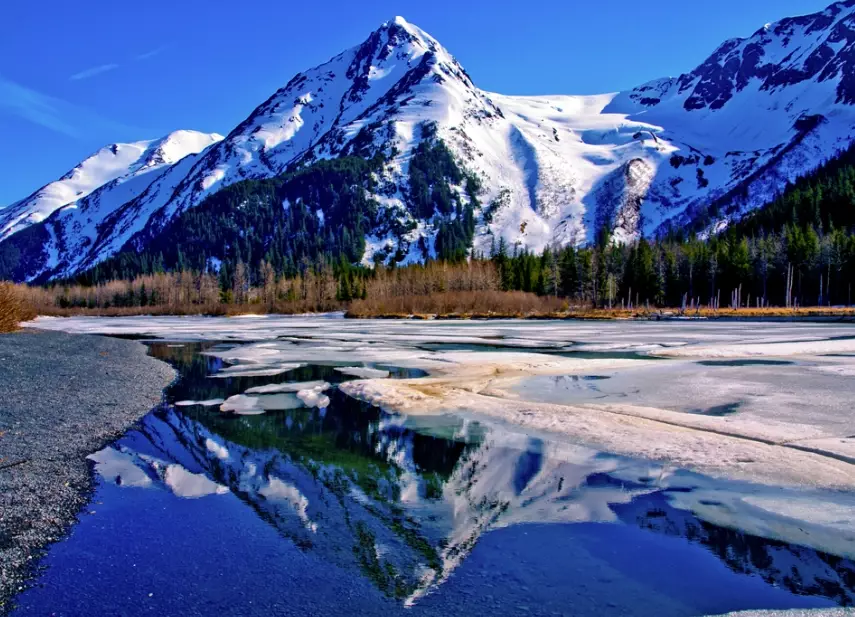
Deep Dive: What Makes Each Alaska National Park Unique
Okay, let's get past the stats and talk feel. What's it actually like to be in these places?
Denali National Park & Preserve: The Icon
Denali is the poster child for a reason. That single, massive peak dominates the landscape—when the clouds part. And that's the first lesson: Denali creates its own weather. You might get a crystal-clear view, or you might not see the mountain for days. The park's genius is its single 92-mile road. Private cars can only go the first 15 miles, so you explore by park shuttle bus or guided tour. This keeps the wilderness wild. You'll see grizzlies, caribou, Dall sheep, and moose from the bus window. It's accessible, but it still feels wild. The park's official site, the National Park Service page for Denali, is your absolute best source for current road conditions, shuttle tickets, and trail alerts.
Pro Tip: Book your shuttle bus tickets (the green buses) way in advance if you want to go deep into the park, say to the Eielson Visitor Center. The camper buses are also a fantastic, budget-friendly way to access backcountry units for hiking.
Glacier Bay National Park: The Liquid Ice Show
Glacier Bay is water-based drama. Most visitors arrive on cruise ships, but to really experience it, you need to spend time in the small town of Gustavus or stay at the lodge in Bartlett Cove. The day boat tour run by the park concessionaire is spectacular—you'll see glaciers calving with thunderous crashes and watch for humpback whales and sea otters. Kayaking here is next-level, but it's serious business with tides, weather, and distance. The NPS Glacier Bay site has crucial info on permits for camping and kayaking.
Wrangell-St. Elias National Park: Where Giants Roam
This is the largest national park in the United States. Let that sink in. It's bigger than Vermont and New Hampshire combined. The scale is incomprehensible from the ground. There are two main road-accessible areas: the Nabesna Road in the north and the McCarthy Road in the south. The McCarthy Road is a famous, bumpy 60-mile gravel road that leads to the historic Kennecott Mines. This park is for those who want to feel small. You can drive in, find a trailhead, and hike for days without seeing another soul. Flightseeing here is arguably the best in Alaska, giving you a sense of the park's insane scale.
Katmai National Park: Bear Central
Katmai is synonymous with brown bears. The live cams from Brooks Falls have made it famous. But visiting is a major expedition. You fly from Anchorage to King Salmon, then take a small floatplane to Brooks Camp. It's expensive. And once you're there, you're in bear country for real. The bear viewing platforms are managed tightly for safety. It's an incredible, life-changing experience to watch these powerful animals fish for salmon. But it's not a casual day trip. Beyond Brooks, the park's interior, like the Valley of Ten Thousand Smokes, is a stark, ash-covered volcanic landscape that feels like another planet.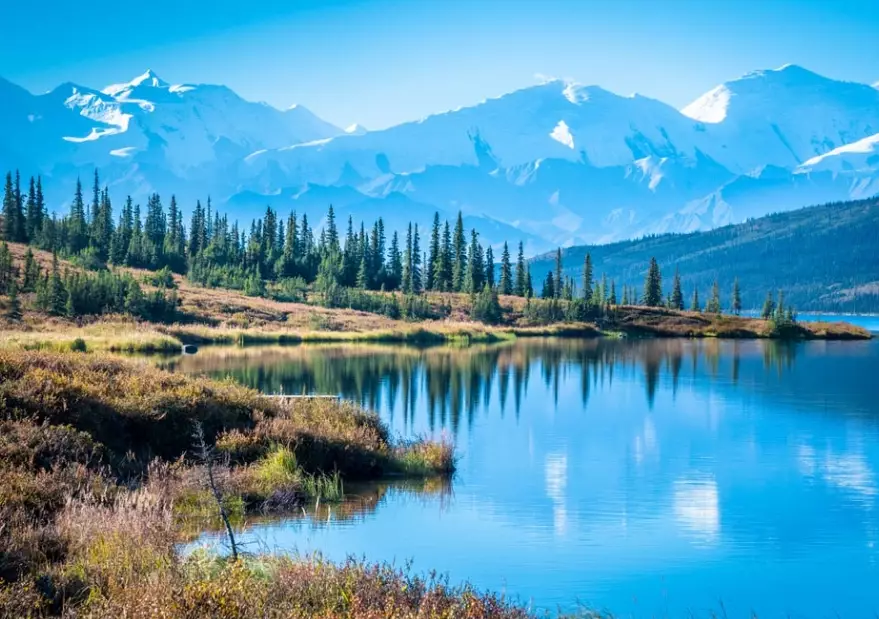
Let's Be Real: A trip to Katmai is a significant investment. The flights, the lodging (which books up over a year in advance), the gear. For many, watching the bears on the NPS Brooks Falls webcam might be as close as they get. And that's okay! It's still amazing.
Kenai Fjords National Park: Mountains Meet the Sea
Kenai Fjords is the most accessible of the coastal parks. You can drive right to the Exit Glacier area near Seward and walk right up to the ice (though it's receding rapidly, a sobering climate change lesson). The real magic, though, is on the water. Day cruises from Seward take you into the fjords where you'll see glaciers, orcas, humpbacks, puffins, and sea lions. It's a marine wildlife bonanza. For the hardy, the hike up to the Harding Icefield is a brutal but rewarding climb with views over a vast ice sheet.
Gates of the Arctic & Kobuk Valley: The True Frontier
These two, along with much of Lake Clark, represent the final level of Alaskan travel. Gates of the Arctic has no roads, no trails, no established visitor services. You get dropped off by a bush pilot and you're on your own. It's for experienced wilderness travelers only. The reward is utter solitude and a landscape untouched by human development. Kobuk Valley is similarly remote, famous for the Great Kobuk Sand Dunes—massive dunes north of the Arctic Circle—and the annual migration of the Western Arctic caribou herd. Visiting these parks is less of a "vacation" and more of an expedition. You need serious skills, preparation, and a guide unless you're supremely confident.
Thinking about the remoteness of these places still gives me a mix of excitement and anxiety.
Lake Clark National Park: The All-Rounder
Lake Clark often gets overlooked, but it's a stunning blend of everything: twin volcanoes (Iliamna and Redoubt), turquoise lakes, dense forests, and coastlines teeming with bears. Like Katmai, access is primarily by air from Anchorage or Homer. It's a premier destination for bear viewing at places like Chinitna Bay or Silver Salmon Creek, where you can watch bears from the beach. It also offers world-class fishing and incredible flightseeing. It feels more diverse than some of the other remote parks.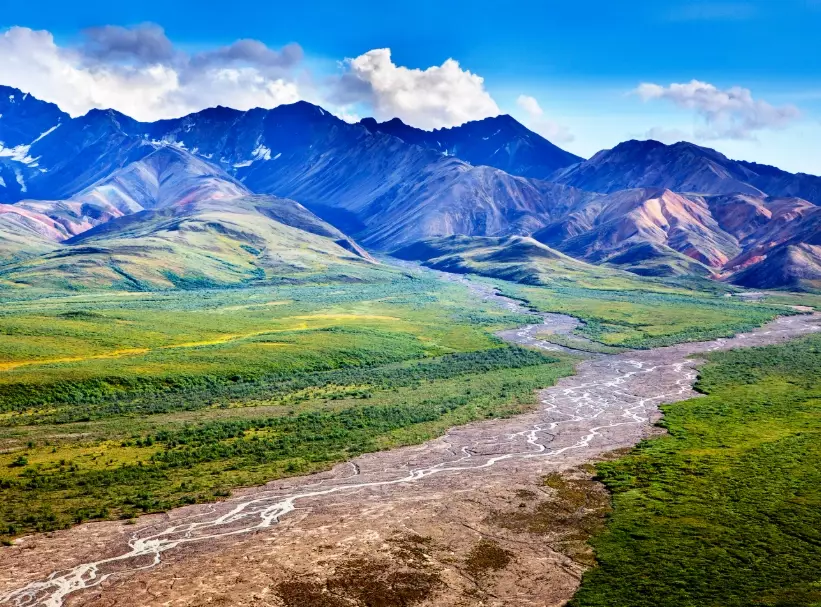
The Nuts and Bolts: Planning Your Alaska National Parks Trip
All that inspiration is great, but now we need logistics. This is where trips are made or broken.
When to Go: The short answer is June through early September. July is peak for wildflowers and (usually) warmer weather. August brings fall colors in the tundra and peak berries (and bears eating them!). September can be stunning but days are shorter and weather chancier. May and late September are shoulder seasons—fewer people, but some services may be closed.
What about crowds? Yes, even Alaska gets crowded. The parking lot at Exit Glacier, the shuttle buses in Denali, the Brooks Falls platforms in July—they can be busy. To avoid the masses, target shoulder seasons or seek out the less-visited areas of each park (like the Kantishna area in Denali or the West Arm of Glacier Bay).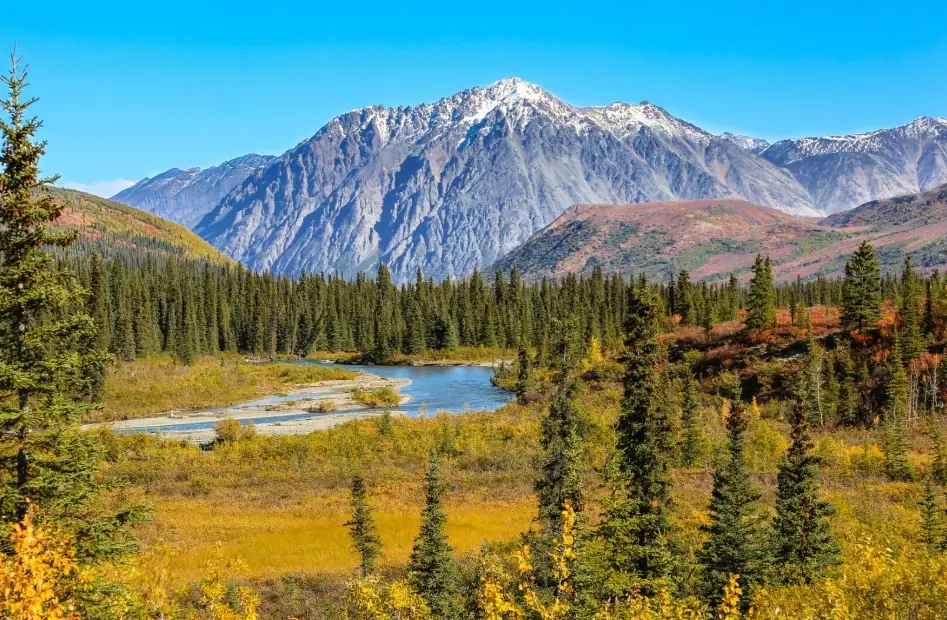
How to Get Around (It's Not Just Driving)
Transportation is your biggest puzzle. For Denali and the roads in Wrangell-St. Elias, you need a car. For everything else, think boats and planes.
- Ferries: The Alaska Marine Highway (official website) can get you to towns near some parks like Glacier Bay (Gustavus) or Kenai Fjords (Seward). It's slow travel but an adventure in itself.
- Bush Planes: Essential for Katmai, Lake Clark, Gates, and Kobuk. Companies like Rust's Flying Service or Katmai Air are lifelines. It's expensive but provides views you can't get any other way.
- Guided Tours: For many, especially first-timers or those visiting remote parks, a guided multi-day tour is the safest and most efficient way to go. They handle the complex logistics.
What to Pack (Beyond Your Hiking Boots)
Alaska's weather is notoriously fickle. "Layering" is your mantra.
- Base Layer: Merino wool or synthetic. No cotton. Ever.
- Insulating Layer: Fleece or puffy jacket.
- Shell Layer: Waterproof and windproof jacket and pants.
- Footwear: Waterproof hiking boots plus camp shoes.
- The Essentials: Bear spray (and know how to use it!), a high-quality DEET-based insect repellent (the mosquitoes are legendary), a headnet for buggy areas, a good map and compass/GPS, water filter, and a satellite communicator (like a Garmin inReach) if you're going into the backcountry.
Seriously, the bugs can be maddening. I've had hikes where the mosquito swarm was so thick it looked like fog. Come prepared.
Budgeting Realistically
Alaska is expensive. Gas, food, flights, lodging—it all adds up. A day trip flightseeing can cost $300-$500 per person. A multi-day bear viewing lodge package can run several thousand. Camping is the great budget equalizer, and it's fantastic in most parks. Research campgrounds on each park's NPS site. Also, consider using Anchorage or Fairbanks as hubs to stage shorter trips to multiple parks (like Denali and a flight to Katmai).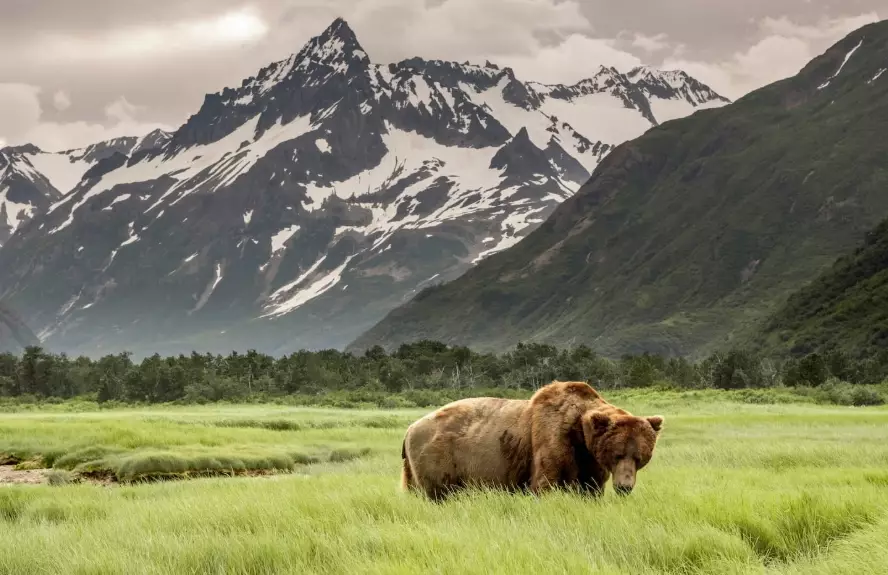
Answering Your Alaska National Parks Questions (The Real Ones)
Final Thought: Visiting the national parks in Alaska isn't about checking off a list. It's about choosing an experience that matches your spirit of adventure and your comfort level. Whether that's watching a glacier calve from a cruise ship deck or spending a week alone in the Brooks Range, these parks offer a raw connection to the natural world that's harder and harder to find. Do your research, pack your patience (for weather and logistics), and prepare to be humbled. It's worth every bit of the effort.
The scale, the silence, the sheer power of the landscapes—it sticks with you. You come back different. Maybe a little more patient, definitely with a deeper sense of your own place in the world. That's the real treasure these parks guard. Now go start planning. Your adventure is out there.