Quick Guide
- What Exactly Are Hoodoos? It's All in the Erosion
- The Top US National Parks for Hoodoo Spotting
- Planning Your Hoodoo-Focused National Park Trip
- Beyond the View: Hiking and Photography Tips
- Why Are Hoodoos So Special? More Than Just a Pretty Rock
- Your Hoodoo Questions, Answered
- The Bottom Line on Chasing Hoodoos
Let's talk about hoodoos. You've probably seen pictures – those weird, tall, skinny spires of rock that look like they were carved by a giant with a sense of humor. They pop up in deserts and badlands, standing in silent, crowded groups like a stone forest. If you're anything like I was before my first trip, you're wondering: what are these things, how did they get there, and most importantly, where are the best places in America's national parks to see them?
I remember my first real encounter with hoodoos. It wasn't in a famous park, but a lesser-known state park. I rounded a corner on a hiking trail, and there they were. Dozens of them. Some looked like totem poles, others like mushrooms, a few even resembled people frozen in time. It was downright surreal. That moment sparked a years-long fascination that's taken me to some of the most incredible landscapes in the country. This guide is everything I wish I'd known before I started chasing these geological oddities.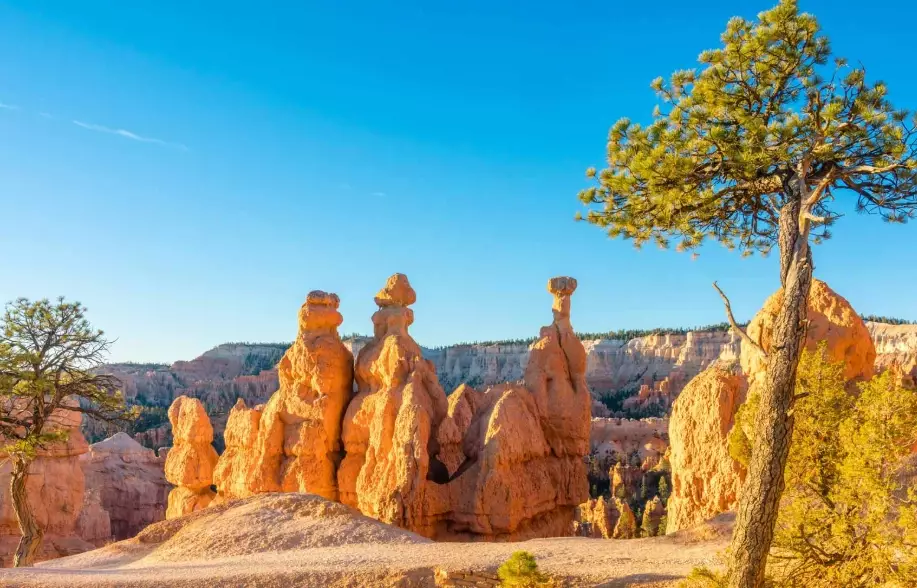
Quick Take: Hoodoos are tall, thin spires of rock that protrude from the bottom of arid basins. They're formed by differential erosion, where harder rock caps protect softer rock underneath from wearing away completely. The result is a landscape that feels otherworldly.
What Exactly Are Hoodoos? It's All in the Erosion
Okay, science time. But don't worry, I'll keep it simple. A hoodoo isn't just any odd-shaped rock. It has a specific recipe. You need a softer rock layer (often shale or sandstone) topped by a harder, denser layer (like limestone or a type of resistant sandstone).
Rain is the main sculptor here. In arid climates, when it does rain, it often comes down hard. That water finds tiny cracks in the top layer and starts seeping down. It slowly dissolves and washes away the softer rock underneath. But the hard caprock acts like an umbrella, protecting the column directly beneath it. The unprotected rock around it gets washed away, leaving the protected pillar standing alone. Over centuries and millennia, you get a field of these pillars – a hoodoo amphitheater. Wind helps too, sandblasting the sides and giving them their smooth, often fluted appearance.
The variety is insane. Some look like giant chess pieces. Others, with their tilted caps, look like they're about to topple over (and eventually, they will). The colors depend on the minerals in the rock – iron oxides give you reds and oranges, manganese can add purples. At sunset, a field of hoodoos can look like it's on fire.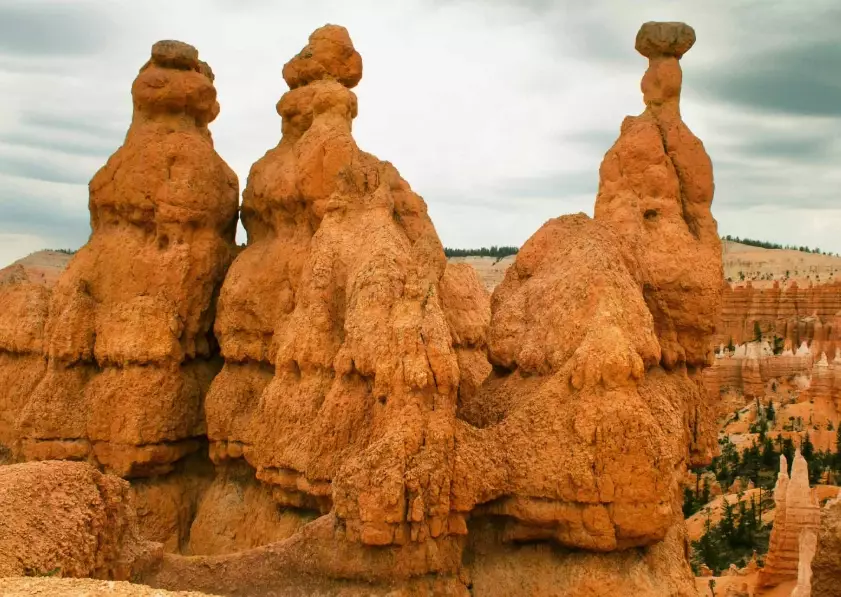
The Top US National Parks for Hoodoo Spotting
Not all national parks have them. You need the perfect geological conditions. The good news is, the ones that do are absolutely mind-blowing. Here’s my breakdown of the heavy hitters, based on my own visits and countless conversations with park rangers and fellow geology nerds.
| National Park | Hoodoo Vibe & Scale | Best Viewing Spots | My Personal Take |
|---|---|---|---|
| Bryce Canyon, Utah | The undisputed king. Thousands of densely packed, brightly colored hoodoos in a series of massive amphitheaters. Scale is breathtaking. | Sunrise Point, Sunset Point, Inspiration Point, Queen's Garden Trail (hiking down among them is a must). | It's the most concentrated, visually overwhelming display on the planet. Can feel crowded at main overlooks, but worth it. The National Park Service page for Bryce Canyon has great seasonal advice. |
| Badlands, South Dakota | Vast, stark, and spread out. Hoodoos here are part of a larger eroded landscape of buttes and pinnacles. Feels more desolate and ancient. | The Notch Trail, Door Trail, Window Trail. The Castle Trail offers longer hikes among formations. | The scale is horizontal, not vertical. It feels more raw and untamed than Bryce. The colors are more subtle but the atmosphere is powerful. Watch for rattlesnakes. |
| Goblin Valley State Park, Utah | Not a *national* park, but an honorary mention. The hoodoos here are shorter, stouter, and look like... well, goblins. It's whimsical and interactive. | The entire valley floor. You're encouraged to wander freely among the formations. | Feels like a playground. Less about awe, more about fun and exploration. Perfect for kids. The lack of marked trails is a huge plus for some. |
| Death Valley, California | Isolated clusters in a sea of extreme desert. The hoodoos at the Melrose Canyon site are remote and require a rough drive/hike. | Melrose Canyon (for the adventurous), also interesting formations near Zabriskie Point. | This is for the committed. The journey is hard, the sun is brutal, but having a field of hoodoos almost entirely to yourself is a rare and special experience. Not for casual visitors. |
| Capitol Reef, Utah | Hoodoos are not the main event here, but they make surprising appearances. The Cassidy Arch area has some great examples mixed with domes and canyons. | Along the Grand Wash trail, near Cassidy Arch. | A nice bonus in a park famous for other things. It's like finding a hidden geological easter egg while you're exploring the Waterpocket Fold. |
You'll notice Utah dominates the hoodoo scene. It's got that perfect combo of the right sedimentary rock layers and a dry climate with just enough sporadic, intense rain to do the carving work. But Badlands offers a completely different, more austere beauty. Honestly, choosing the "best" national park for hoodoos depends on what you're after. Jaw-dropping density? Bryce. A sense of lonely, ancient vastness? Badlands.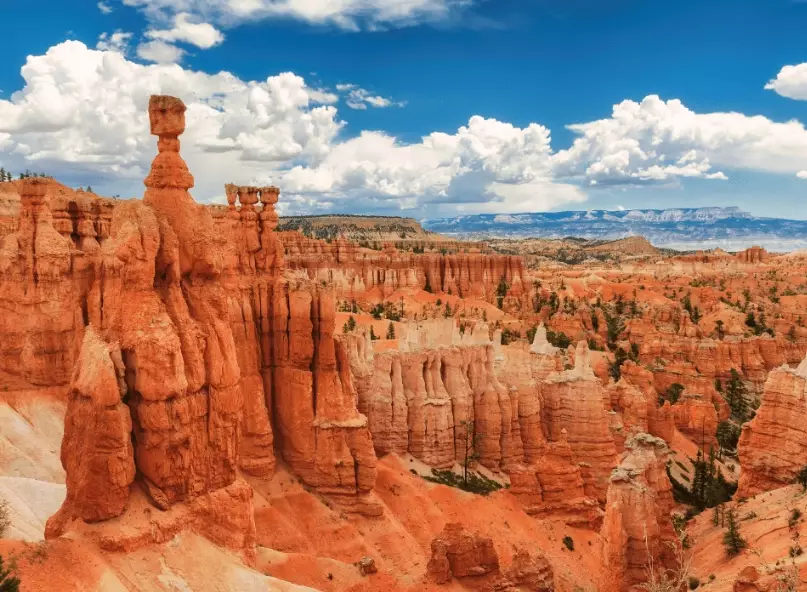
Planning Your Hoodoo-Focused National Park Trip
This isn't like visiting a city park. A little planning goes a long way in making your trip to see these national parks hoodoos memorable for the right reasons.
When to Go: It's All About the Light (and the Crowds)
For hoodoos, timing is everything. They are sculptures of light and shadow.
- Best Light: Sunrise and sunset. The low angle of the sun makes the colors explode and casts long, dramatic shadows that define every ridge and crevice. Midday light flattens everything out. At Bryce, sunrise lights up the amphitheater; sunset is better for photography at many Badlands overlooks.
- Best Seasons: Late spring (May-June) and early fall (September-October). Summer can be brutally hot, especially in Utah and Death Valley, and attracts the biggest crowds. Winter is stunning (especially Bryce with snow on the red rock), but some trails may be icy or closed.
I made the mistake of visiting Badlands in August once. The heat was oppressive by 10 AM, and the light was harsh. Lesson learned.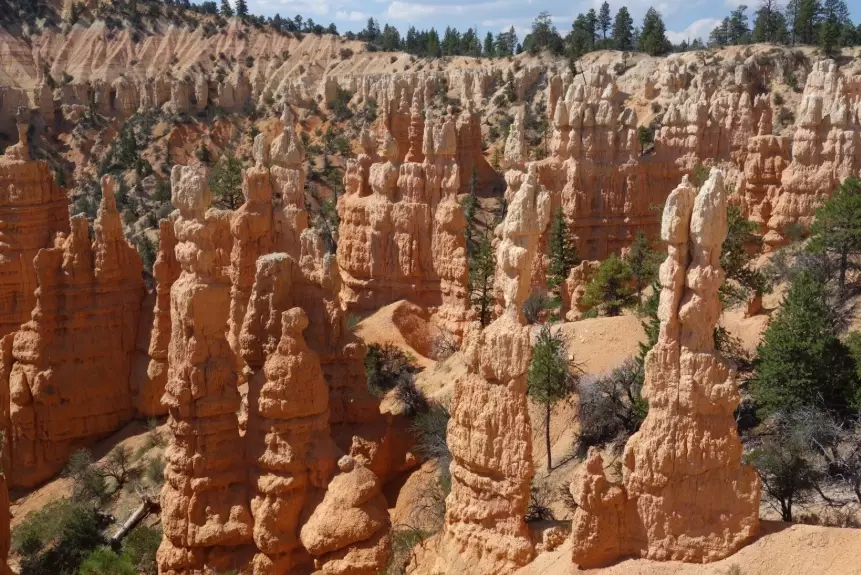
What to Bring: The Non-Negotiables
Hoodoo Hiker's Packing Shortlist: More water than you think you need (a gallon per person per day for long hikes), high-SPF sunscreen, a wide-brimmed hat, sturdy hiking boots with good ankle support (the terrain is uneven and often sandy), layers (deserts get cold at night), a good map (cell service is often nil), and a quality camera or phone with plenty of storage.
Seriously, the water thing. I've seen too many people on trails with a tiny plastic bottle. It's not enough. Dehydration sneaks up on you.
Safety and Etiquette Among the Spires
Please Don't Be That Person: Hoodoos are fragile. The rock can be crumbly. Never climb on the hoodoos. Not only is it incredibly dangerous for you (falls are fatal), but the oils from your skin and the physical stress accelerate erosion. You're literally destroying the very thing you came to see. Stay on designated trails.
Other tips? Tell someone your plans if you're hiking deep. Watch for wildlife (snakes, scorpions in warmer months). And practice Leave No Trace principles. These places feel ancient and pristine – let's keep them that way.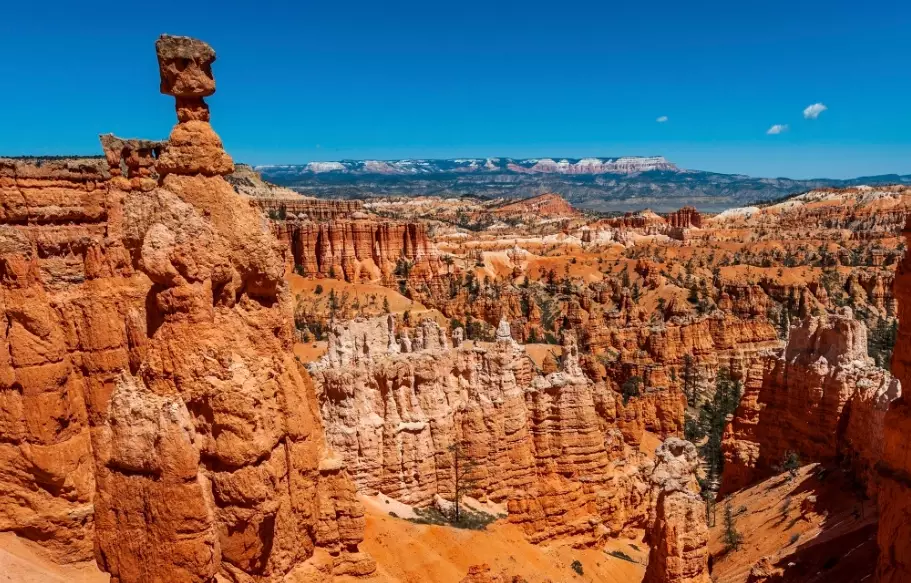
Beyond the View: Hiking and Photography Tips
To really understand hoodoos, you have to get among them. That means hiking.
Choosing Your Trail
If you're new to this, start with the classics. At Bryce, the Queen's Garden/Navajo Loop combination is a perfect 3-mile introduction that takes you from the rim down into the heart of the hoodoos and back up. At Badlands, the Notch Trail is short but involves a cool log ladder and ends with a stunning view. For the more adventurous, longer backcountry trails let you escape the crowds entirely. The basic geology primers from the USGS can make identifying rock layers on your hike way more interesting.
My personal favorite lesser-known hike is the Fairyland Loop at Bryce. It's longer (8 miles) and sees far fewer people. You feel like you've discovered a secret city of rock.
Capturing the Magic: Photography 101
Photographing hoodoos is a joy. A few pointers from my many failed shots:
- Gear: A wide-angle lens (like a 16-35mm) is great for capturing vast amphitheaters. A telephoto zoom (70-200mm) is essential for compressing distant hoodoo groups and isolating details, like the texture of the caprock.
- Composition: Use leading lines (trails, ridges). Frame a prominent hoodoo against the sky. Get close to show texture. Most importantly, include a human figure for scale – it makes the immensity of the formations hit home.
- Settings: Shoot in RAW. Use a tripod for sunrise/sunset and for focus stacking (to get everything from foreground to background sharp). A polarizing filter can help cut haze and make colors pop, but use it carefully as it can darken the blue sky unevenly.
The single best thing you can do is be there for the golden hour. It transforms the scene.
Why Are Hoodoos So Special? More Than Just a Pretty Rock
Sure, they're photogenic. But their value runs deeper. For geologists, a hoodoo is a history book. Each layer represents a different environment from millions of years ago – an ancient sea, a river floodplain, a desert dune field. Studying their erosion teaches us about climate patterns over immense timescales.
For many Indigenous cultures, these are sacred places. The stories associated with them often explain their origins as frozen beings or petrified ancestors. It's a reminder to visit with respect, not just as a tourist attraction.
And for the rest of us? They're a profound lesson in time and perspective. They form over epochs, change with the seasons, and will eventually crumble. Standing next to one is a humbling experience that can really reset your sense of what's important.
Your Hoodoo Questions, Answered
I get asked a lot of the same things. Let's tackle some FAQs.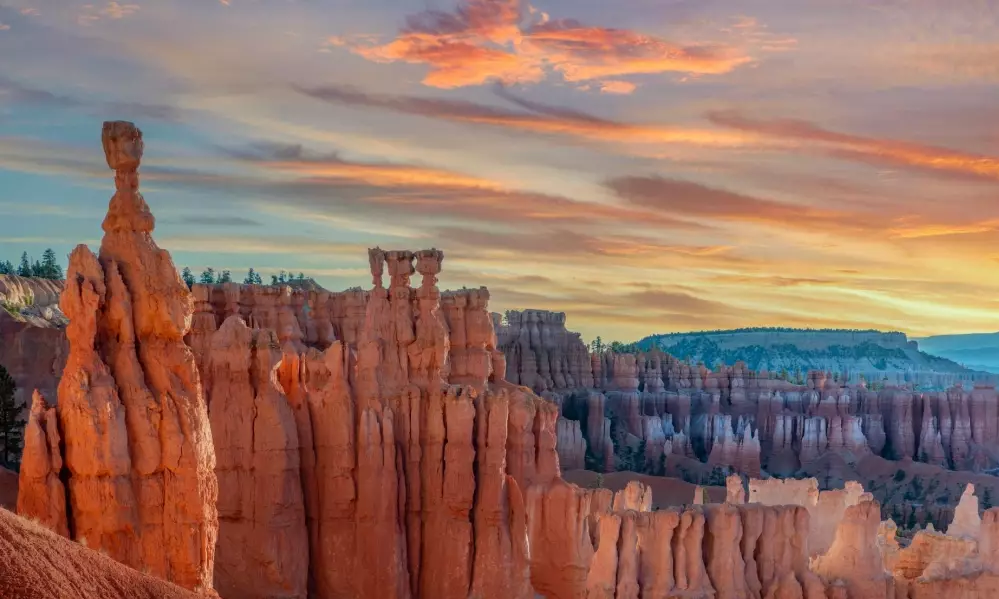
The Bottom Line on Chasing Hoodoos
Seeking out hoodoos in national parks is more than just checking off a scenic view. It's an immersion into one of nature's most patient and artistic processes. Whether you're standing on the rim of Bryce Canyon feeling dwarfed by a silent army of stone, or wandering the alien maze of Goblin Valley with a grin on your face, it's an experience that sticks with you.
The key is to engage with it. Don't just snap a photo and leave. Read the park signage about the geology. Talk to a ranger. Hike down into the amphitheater. Sit quietly at sunset and watch the colors change. That's when you move from being a spectator to feeling like a participant in something ancient and grand.
Our national parks protect these fragile, slow-motion masterpieces. By visiting responsibly, we ensure they'll keep inspiring awe and wonder for generations of hoodoo hunters to come. Now, go find your favorite stone giant.