Your Quick Trail Guide
- Why Bother With Mountain Photography Anyway?
- The Non-Negotiable Gear List
- Mastering the Techniques in the Field
- The Planning Phase: Don't Just Wing It
- Post-Processing for Mountain Shots
- Safety: The Most Important Part of Your Kit
- Answers to Common Mountain Photography Questions
- Final Thoughts Before You Head Out
Let's be honest. You've seen those jaw-dropping mountain photos online, the ones where the peaks look like they're cutting into the sky, the light is just perfect, and everything feels... epic. And you've probably thought, "I want to do that." But then the reality hits. It's not just pointing a camera at a big hill. Real mountain photography is part art, part science, and a whole lot of planning and grit.
I remember my first serious attempt in the Rockies. I had a decent camera, sure. But I underestimated everything else—the weight of my pack, how fast the weather turns, and that sinking feeling when you hike for hours only to get flat, boring light. That trip taught me more than any tutorial. Mountain photography humbles you. It forces you to think about light, weather, endurance, and your gear in a way no other genre does.
So, whether you're planning your first hike with a camera or you're looking to refine your alpine shots, this guide is for you. We're going to ditch the fluff and talk about what actually works out there.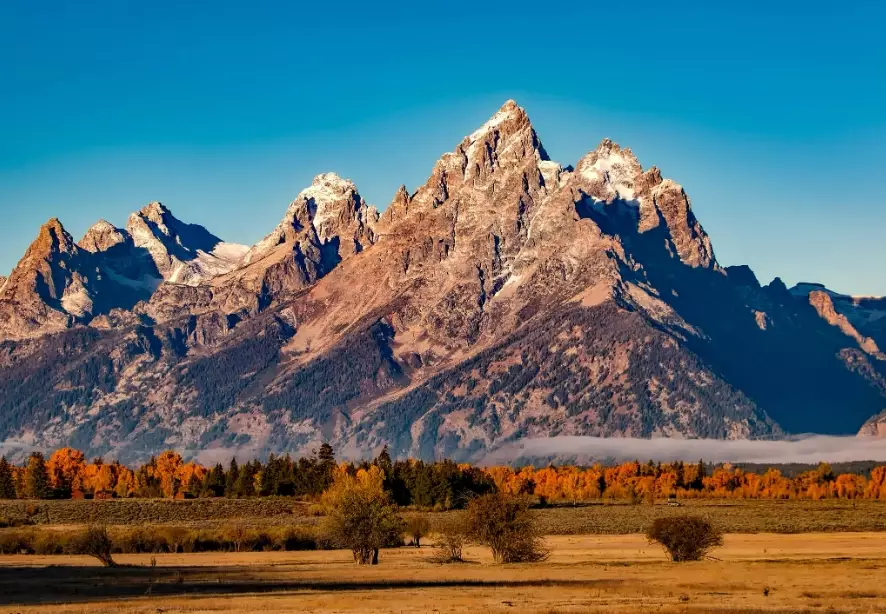
Why Bother With Mountain Photography Anyway?
It's hard. It's unpredictable. It demands early mornings and long hikes. So why do it? For me, it's the closest thing to meditation. You're completely focused on the moment—the changing light, the composition, the technical settings—while being surrounded by raw, powerful nature. It's a challenge that pays off in spades when you get that one shot that makes the entire trek worth it.
The Non-Negotiable Gear List
Your gear can make or break a mountain photography expedition. Every ounce matters when you're gaining elevation, but so does capability. It's a constant balancing act.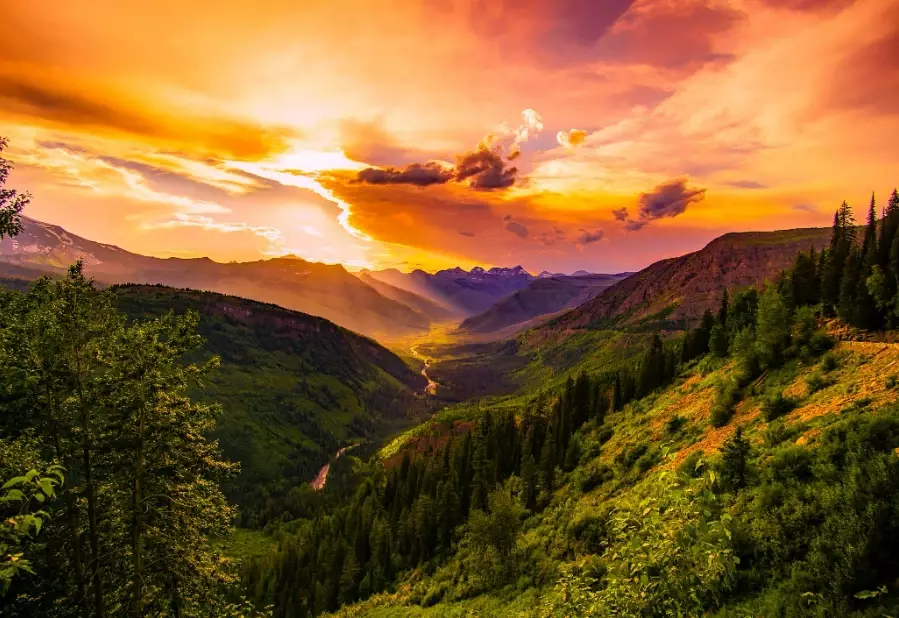
The Core Camera Kit
The Body: A weather-sealed DSLR or mirrorless camera is your best friend. Dust, moisture, and temperature swings are the norm. Brands like Canon, Nikon, Sony, and Fujifilm all have great options. Full-frame sensors are fantastic for dynamic range and low-light performance, but a modern APS-C camera is more than enough for most people and saves weight. Don't get hung up on megapixels; 24MP is plenty.
Lenses - The Heart of Mountain Photography: This is where your choices define your style.
| Focal Length | Best For | My Personal Take |
|---|---|---|
| Wide-Angle (14-24mm / 16-35mm) | Expansive vistas, capturing foreground interest (like wildflowers or a lake) with the mountains behind, shooting in tight spaces like canyons. | Essential. It's the classic mountain photography lens. But be careful not to make distant peaks look tiny and insignificant. |
| Standard Zoom (24-70mm) | Versatile workhorse. Great for mid-range scenes, isolating specific features, and general-purpose shooting. | If I could only take one lens, this might be it. It's incredibly flexible for storytelling on the trail. |
| Telephoto Zoom (70-200mm or 100-400mm) | Compressing distant peaks, isolating details (like a lone tree on a ridge), capturing wildlife, and shooting sunrises/sunsets from afar. | A game-changer. It lets you see the mountains in a new way, revealing patterns and layers invisible to the naked eye. Heavy, but worth it. |
See that? Your lens choice isn't just about zoom; it's about how you want to tell the story of the landscape.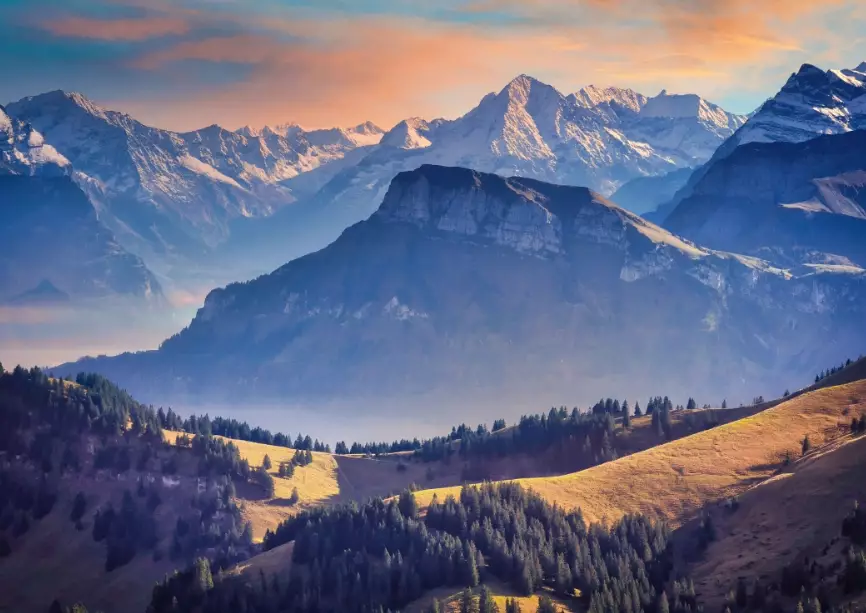
The Support & Survival System
Tripod: Non-negotiable for sunrise, sunset, and any low-light situation. Get a carbon fiber model to save weight. Make sure it's stable enough for your heaviest lens in wind. I've had a cheap tripod buckle in a gust—never again.
Filters: A circular polarizer (CPL) is magic. It cuts glare off wet rocks and foliage, deepens blue skies (carefully!), and can make clouds pop. A neutral density (ND) filter, like a 3-stop or 6-stop, is crucial for long exposures to smooth out moving water or clouds. Graduated ND filters (soft-edge) can help balance bright skies with darker foregrounds, though I often prefer to blend exposures in post these days.
Backpack: A dedicated photography backpack with a hip belt is essential. It distributes weight off your shoulders. Look for one with easy side-access to your camera so you don't have to take the pack off every time. Brands like Shimoda, F-stop, and Mindshift make excellent ones.
Batteries & Memory: Cold kills batteries. Bring at least three, keep them in an inner pocket close to your body. Multiple high-capacity memory cards too. There's nothing worse than running out of space as the light gets good.
Cleaning Kit: A rocket blower, microfiber cloths, and lens wipes. Mountain dust and pollen are relentless.
Mastering the Techniques in the Field
Okay, you've got the gear. Now, how do you actually use it up there?
Nailing Exposure in High-Contrast Light
Mountain scenes are famous for tricky light. Bright snow or sky against dark shadows. Shooting in RAW is mandatory—it gives you the data to recover details later. Use your histogram! Bump up your exposure compensation if shooting snow (+1 to +2 stops) to keep it white, not grey.
Many photographers use exposure bracketing (taking 3 or 5 shots at different exposures) and blend them later (HDR). It's effective, but don't overdo it. The goal is natural-looking depth, not a surreal HDR nightmare.
Sometimes, the best mountain photography happens when you embrace the contrast. A stark, silhouetted ridge against a colorful sky can be more powerful than a perfectly exposed but flat image.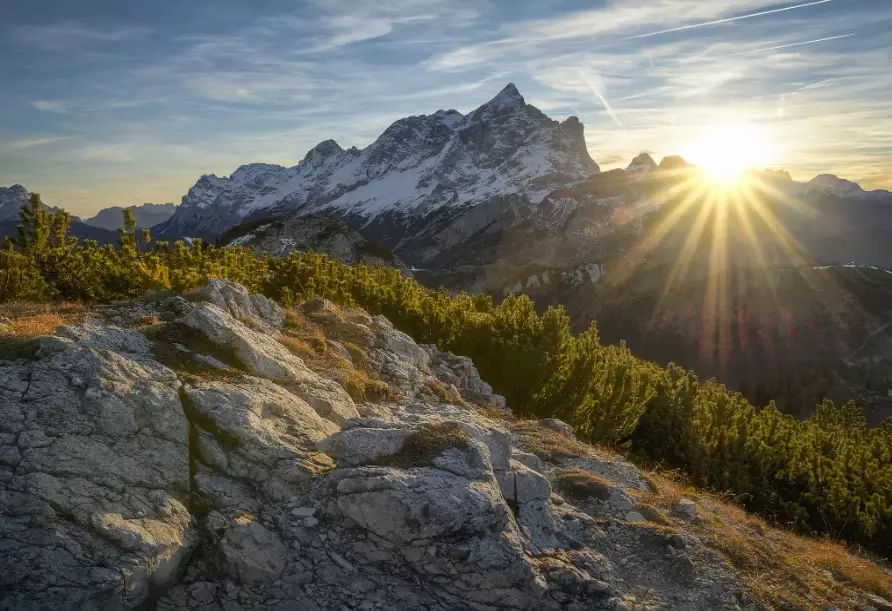
Composition That Works With the Terrain
Forget rigid rules. Think in terms of guiding the viewer's eye.
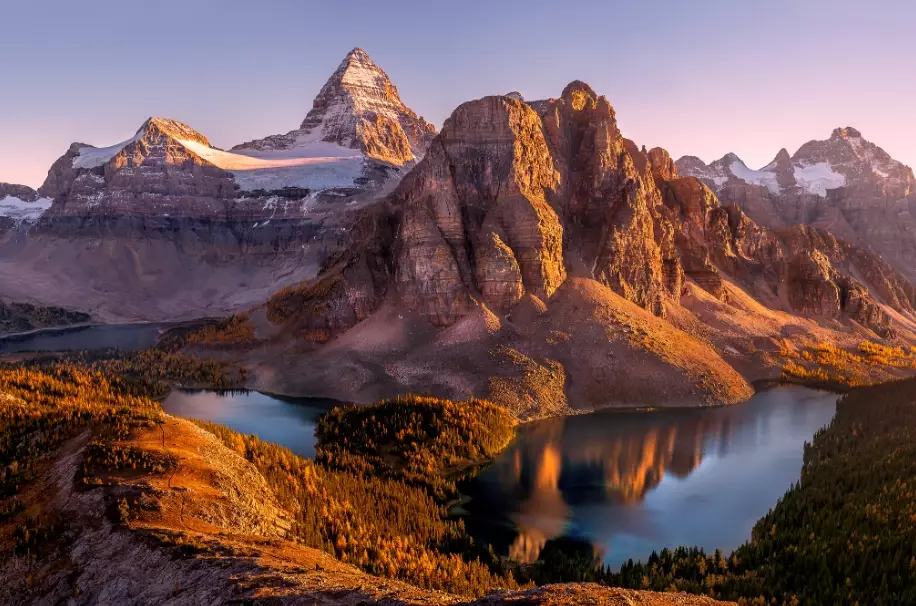
- Foreground Interest: This is the secret sauce. A winding trail, a reflective pond, colorful rocks, wildflowers. It creates depth and a sense of place. Get low with your wide-angle.
- Leading Lines: Use ridges, rivers, or trails to pull the eye into the frame and toward your main subject.
- Layering: Mountains are perfect for this. Compose with distinct layers—foreground, mid-ground (a valley, a forest), background (the main peaks). This adds tremendous depth.
- Scale: Including a person (even a tiny one) in the frame is the most effective way to show the immense scale of the mountains. It instantly creates a story.
Focus and Sharpness: The Technical Must
Nothing ruins a great composition like a soft image. For grand landscapes, focus about one-third into the scene. Use manual focus with focus peaking if your camera has it, or use autofocus on a distinct point in that middle distance.
For maximum sharpness from foreground to infinity, learn about focus stacking. You take multiple shots focused at different distances and blend them in software like Adobe Photoshop or Helicon Focus. It's a bit technical, but for scenes with extreme depth, it's unbeatable.
And always, always use a tripod and a remote shutter release (or your camera's 2-second timer) to eliminate camera shake, especially with telephoto lenses.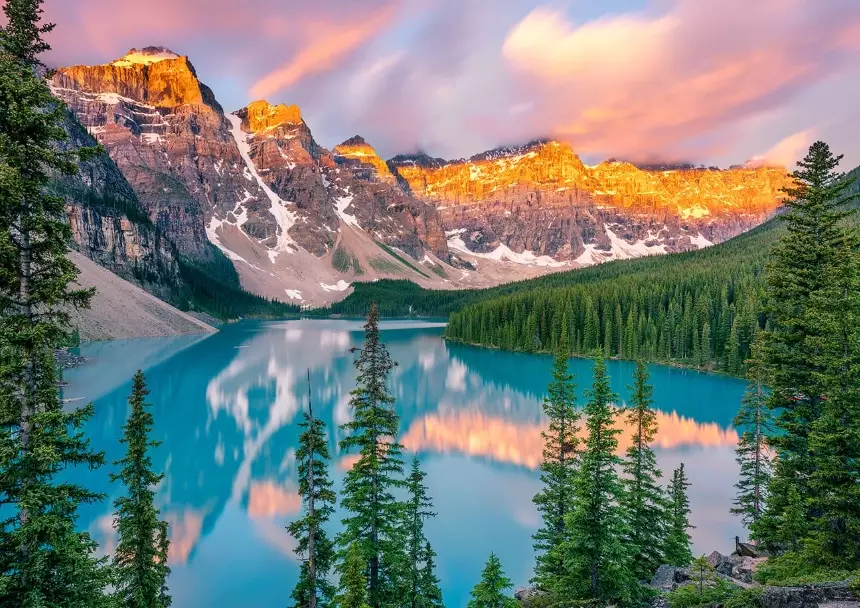
The Planning Phase: Don't Just Wing It
The best mountain photos are made before you even leave home.
Scouting Locations: Use tools like Google Earth (a photographer's best friend) to study the terrain in 3D. Where will the sun rise and set? What angle will light up that specific face? Photo-sharing sites like Flickr and 500px are great for inspiration, but don't just copy the famous shots. Look for new angles.
For trail conditions and official information, always check the managing agency's website. If you're heading to a US National Park, the National Park Service website is the definitive source for alerts, permits, and webcams. Similarly, for national forests, the US Forest Service site is key.
Weather is Everything: I use a combination of general forecasts and mountain-specific ones. Websites like Mountain-Forecast.com give predictions for different elevations, which is crucial. A clear day in the valley can be a whiteout at the summit.
Some of my most memorable mountain photography sessions came from embracing "bad" weather. Storm fronts, fast-moving clouds, and post-storm light can create incredibly dramatic scenes.
Post-Processing for Mountain Shots
Think of this as developing your digital negative. The goal is to enhance what you saw and felt, not to create something new.
My basic Lightroom/Adobe Camera Raw workflow for mountain photography looks like this:
- Lens Corrections: First step. Enable profile corrections to fix distortion and vignetting.
- Basic Tone: Adjust exposure, contrast, highlights (pull them down to recover sky detail), and shadows (lift them to see into the dark areas). Whites and blacks sliders to set the overall tonal range.
- Color & Presence: I'm careful with saturation. I prefer increasing vibrance slightly, which is smarter and less likely to blow out colors. Clarity can add punch to rock textures, but don't overdo it—it creates ugly halos.
- Local Adjustments: This is where the magic happens. Use graduated filters to darken a bright sky or brighten a dark foreground. Use radial filters to subtly draw attention to your focal point. The Dehaze slider can cut through atmospheric haze on distant peaks, but use it sparingly.
- Sharpening & Noise Reduction: Apply sharpening to the land areas (masking slider held down so it only affects edges). Use luminance noise reduction if you shot at a high ISO.
Safety: The Most Important Part of Your Kit
This isn't a side note; it's the headline. Your safety and the safety of your group is paramount. Mountains don't care about your Instagram feed.
- Tell Someone: Always leave a detailed trip plan with someone reliable, including your route and expected return time.
- Weather Watch: Be prepared to turn back. Summits will always be there another day.
- Essentials: The Ten Essentials are not optional: navigation (map, compass, GPS), sun protection, insulation (extra layers), illumination (headlamp), first-aid supplies, fire starter, repair kit/tools, nutrition (extra food), hydration (extra water), emergency shelter.
- Know Your Limits: Acclimatize to altitude. Understand the signs of altitude sickness. A heavy photography pack changes your hiking dynamics—train with it.
The American Hiking Society's guide to the Ten Essentials is an excellent resource to review before any trip.
It's simple. No photo is worth risking your life for.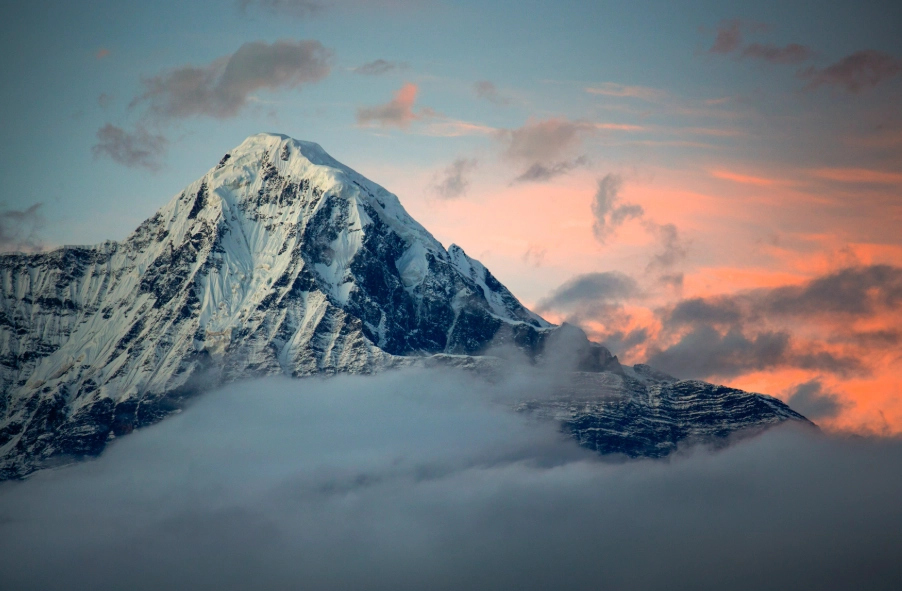
Answers to Common Mountain Photography Questions
Final Thoughts Before You Head Out
Mountain photography is a journey, not a destination. Your first shots might not be portfolio-worthy, and that's okay. Each trip teaches you something new about light, about your gear, and about yourself.
Start small. Find a local hill or accessible mountain viewpoint. Practice with your gear in different light. Build your fitness and your knowledge gradually.
The most important piece of equipment isn't your camera or your most expensive lens.
It's your curiosity.
It's your willingness to get up before dawn, to hike that extra mile for a different perspective, to sit and wait for the light to change. That's what separates a snapshot from a photograph that truly captures the spirit of the mountains.
Now, go check the weather, charge your batteries, and start planning your next adventure. The mountains are waiting.