In This Guide
- The Foundation: It's All in the Feet (And Hips)
- Technical Toolkit: Moves You Need to Own
- Gear for the Advanced Climber: It's Personal Now
- Training Off the Wall: Building the Advanced Engine
- The Mind: Your Best and Worst Piece of Gear
- Safety & Etiquette: The Unspoken Rules of Mastery
- Putting It All Together: A Sample Advanced Climbing Week
Let's be honest. You've been climbing for a while now. You can lead a sport route without panicking (most of the time), you've got your own harness that's actually broken in, and the thought of a weekend at the crag gets you more excited than anything else. But there's this nagging feeling. You see videos of people flowing up overhangs like spiders, or placing gear in a crack with a calm precision that seems almost magical. You want that. You want to stop just doing climbs and start climbing them. That's the jump into advanced climbing, and it's less about superhuman strength and more about a shift in your head and your habits.
I remember my own transition. I was strong, or so I thought. I could campus a few rungs, pull hard. Then I got on a technical face route, all tiny edges and body tension. I pumped out in minutes, humbled by my own inefficiency. That was the lesson: advanced climbing isn't just harder, it's different. It's a puzzle where your body is the tool, and brute force is often the wrong wrench.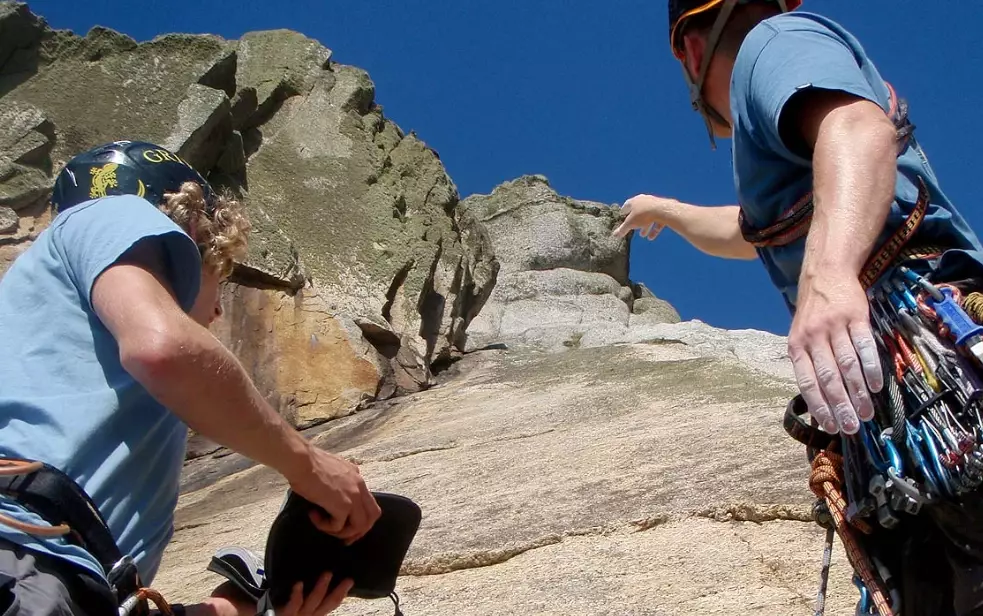
The Foundation: It's All in the Feet (And Hips)
You've heard "use your feet" a million times. At the advanced level, it morphs into something more nuanced. It's not just standing on holds, it's understanding how the pressure from your big toe can twist your hip into the wall, creating rest positions out of nowhere.
Silent Feet is a Lie (Sort Of)
The classic "silent feet" drill is great for beginners to learn control. But watch an elite climber on granite slab. You'll hear precise, deliberate taps as they test friction. The goal isn't silence; it's accuracy and intention. Every foot placement is a conscious decision. Is it a smear for balance? A heel hook for a pull? A toe hook to release your hand? Think of your foot as a second hand with a very specific job.
I used to climb loudly, slapping my feet around. It wasted energy and often missed the sweet spot of the hold. Now, I focus on the “stick.” Place the toe, roll the foot onto the rubber, feel it engage, then move. That micro-pause makes a world of difference.
Hips: Your Secret Weapon
Your core connects your arms and legs, but your hips dictate your center of gravity. On an overhang, you need to get your hips into the wall. This often means dropping a heel or flagging a foot out wide to counterbalance. On a vertical face, you might need to rotate a hip away from the wall to reach a side-pull. Advanced climbing is a constant, fluid adjustment of your hips. A good drill? Climb an easy route focusing only on keeping one hip touching the wall at all times. It feels weird, but it teaches you to move from your center.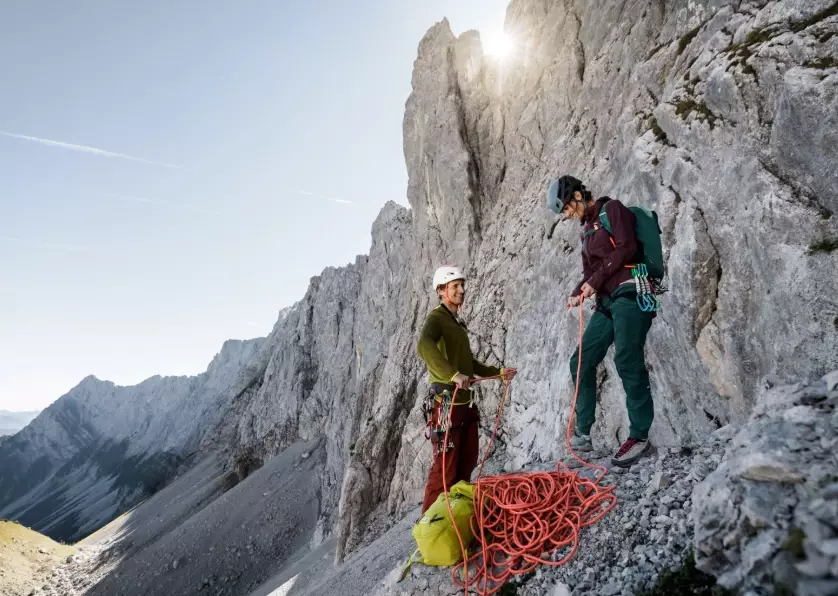
Technical Toolkit: Moves You Need to Own
Beyond basic edging and smearing, the advanced climber's repertoire expands. These aren't tricks; they're solutions.
- Backstepping & Flagging: The bread and butter of efficient movement. Backstepping involves turning your hip inward, using the outside edge of your foot. It brings your shoulder closer to the next hold. Flagging is extending a leg out to the side to prevent you from barn-dooring (swinging out). They often work together. If a move feels awkward, you're probably not flagging or backstepping correctly.
- Drop Knees: An extreme form of backstepping. You rotate your knee down and inward, sinking your hip low. This is gold for underclings and sidepulls on overhangs, giving you incredible reach and stability. It can be tough on the knees, so build into it gradually.
- Dynamic Movement (The Controlled Lunge): Not every move is static. Sometimes you have to go for it. The key is to generate momentum from your legs and core, not just your arms. Practice on bouldering problems below your limit. The goal is control in the air, not wild desperation.
- Heel & Toe Hooks: These are game-changers. A good heel hook can take full body weight off your arms. Look for hooks anywhere—on holds, on the rock itself, even on volumes indoors. Toe hooks are subtler but great for stabilizing on steep terrain. The trick is active engagement; don't just rest your limb there, pull with it.
How do you practice this stuff? Don't just climb routes. Play on the wall. Pick a boulder problem and climb it three different ways. Force yourself to use a heel hook where you normally wouldn't. Eliminate holds. This deliberate play is where advanced climbing skills are forged.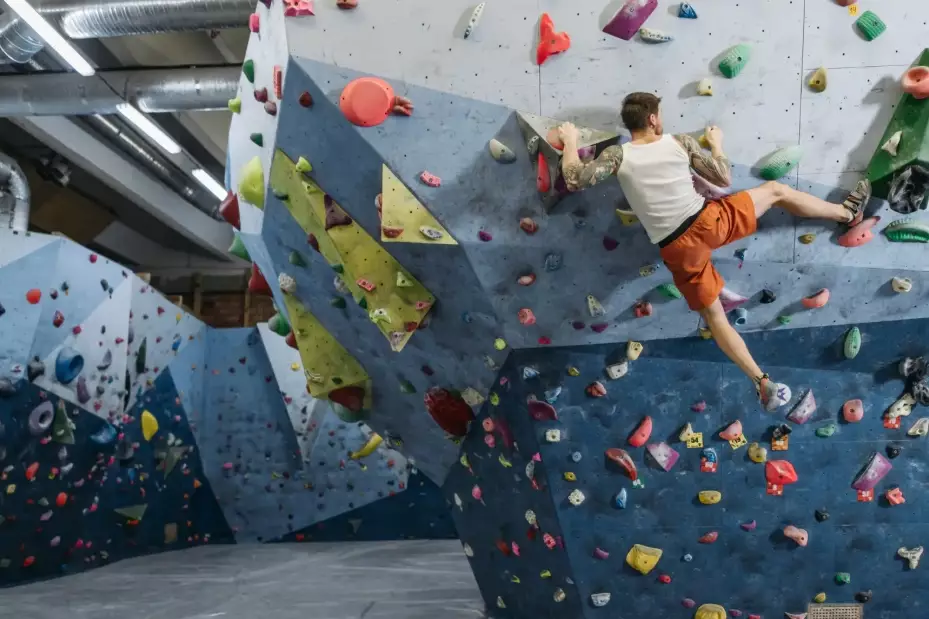
Gear for the Advanced Climber: It's Personal Now
Your first pair of shoes were probably all-rounders. Now, your quiver might expand. The right tool for the job matters.
| Climbing Discipline | Shoe Type & Key Features | My Personal Take (For What It's Worth) |
|---|---|---|
| Steep Sport Climbing & Bouldering | Aggressive, Down-Turned: Stiff midsole, pronounced downturn, sensitive toe patch. Designed for pulling on overhangs and standing on micro-edges. | These are your "performance" shoes. They're often uncomfortable, but the precision on small holds is unmatched. Don't size them painfully small; a little discomfort is okay, agony is not. I save these for my project attempts. |
| Technical Face & Slab Climbing | Neutral to Moderate: Softer rubber, flatter profile, high sensitivity. Built for feeling the rock and smearing on nothing. | This is where sensitivity beats stiffness. You need to feel the friction through the sole. A softer shoe lets your foot conform to subtle features. My go-to for long, technical routes. |
| Traditional & Crack Climbing | Stiff, Flat, & Often Laced: Very stiff midsole to protect your feet when jamming, durable rubber, often with a board-lasted construction for support. | Comfort is king here. You might be standing in a crack for minutes while placing gear. A stiff, supportive shoe saves your feet. The fit should be snug but not performance-tight. I made the mistake of using soft shoes on my first crack climb... my feet were screaming. |
Beyond shoes, your rack evolves. For trad climbing, you'll learn the nuances of cams versus nuts, when to use hexes, and the art of equalizing gear. For sport climbing, you might invest in a quickdraw set with lighter, slimmer biners to reduce weight. A helmet transitions from a "maybe" to a non-negotiable, especially when climbing multi-pitch or in areas with loose rock. Resources like the International Climbing and Mountaineering Federation (UIAA) set the safety standards for this equipment—look for their certification stamp.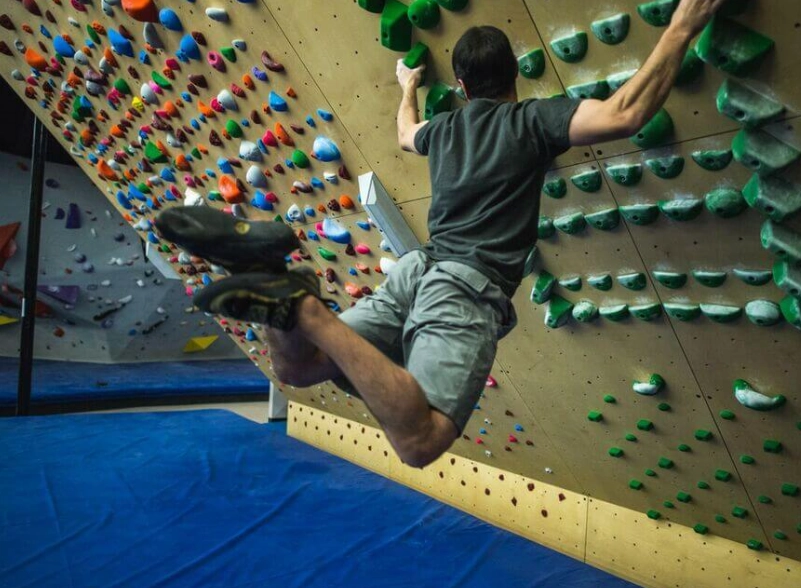
Training Off the Wall: Building the Advanced Engine
You can't just climb anymore. To break through plateaus, you need targeted training. But more isn't always better. Smart training beats hard training.
Strength vs. Power vs. Power Endurance
These are different, and your training should reflect your goals.
- Strength: Your maximum force. Think one-arm pull-ups or locking off on a tiny edge. Trained with low reps, high intensity, and long rest (e.g., max hangs on a fingerboard).
- Power: Strength applied quickly. The explosive move to a distant hold. Trained with dynamic movements like campus boarding (use with caution!) or limit bouldering.
- Power Endurance: The ability to do hard moves repeatedly. That pumpy section in the middle of your route. Trained with linked boulder problems or interval training on the wall (e.g., 4x4s).
Most recreational climbers need a base of general strength and endurance first. Jumping straight into intense campus boarding is a fast track to injury. The American Mountain Guides Association (AMGA) emphasizes structured, progressive training in their coach certifications—it's a philosophy worth adopting.
The Fingerboard is Your Friend (If You Respect It)
The hangboard is the most specific tool for building finger strength, the true bottleneck for advanced climbing. The key is consistency and sub-maximal effort. A simple routine done 2-3 times a week for 20 minutes is far better than sporadic, all-out sessions.
- Edge Size: 20mm (or a comfortable jug to start).
- Grip: Open-hand or half-crimp (avoid full crimp to protect pulleys).
- Work: Hang for 7 seconds.
- Rest: Rest for 53 seconds. (This is a 7:53 second ratio).
- Repeat: Do 4-6 sets.
- Frequency: 2 times per week, with at least 48 hours rest between sessions.
The goal is to finish feeling like you could do one more set, not completely wrecked.
Listen to your body. Finger tweaks (a mild, nagging pain in a tendon pulley) are common. If you feel one, stop. Ice it, rest, and maybe do some light, open-handed hangs after a few days. Pushing through is how you get a full-blown rupture that sidelines you for months. Trust me, I've been there.
The Mind: Your Best and Worst Piece of Gear
This might be the most important section. At the advanced level, your head is what usually fails first.
Managing Fear and Pump
Fear is rational. You're high up, the fall might be big, the gear might be sketchy. The problem is when fear hijacks your brain and you freeze. You stop breathing, your forearms pump solid, and you fall off.
Breathing. It sounds stupidly simple, but under stress, we hold our breath. Practice exhaling forcefully on the hard move. It keeps you oxygenated and can momentarily reduce the sensation of pump. Develop a pre-climb ritual—checking your knot, chalk up, three deep breaths. It signals to your brain that it's time to focus, not panic.
As for the pump, sometimes you have to climb into it and through it. Learning to shake out one arm at a time, to find even marginal rest stances, is a core skill of advanced climbing. Look for no-hands rests, knee bars, or even just a good heel hook to let the blood flow back.
Redpoint vs. Onsight Mentality
An onsight attempt (climbing a route clean on the first try with no beta) is a test of adaptability and nerve. You have to read the rock, make quick decisions, and commit.
A redpoint attempt (climbing clean after practice and falls) is a test of project management and persistence. You work the moves, you find the best sequence, you fall, you try again.
They require different mindsets. Don't get frustrated if you can't onsight your redpoint grade. They're different skills. Cultivate both. Go out some days trying to onsight routes at your flash level. Other days, pick a project and chip away at it. The process of working a hard project—falling, figuring it out, eventually linking it all together—is where you learn the most about advanced climbing.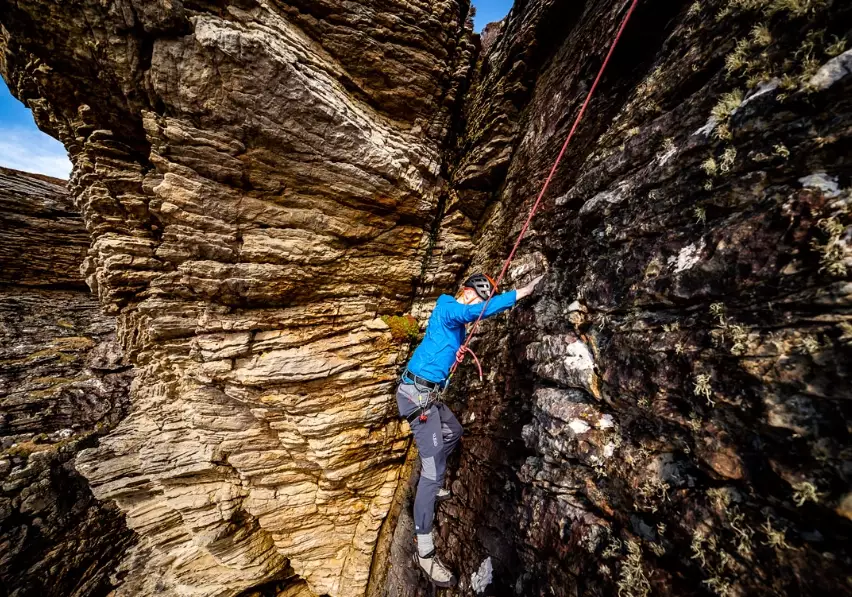
Safety & Etiquette: The Unspoken Rules of Mastery
Being an advanced climber isn't just about sending hard grades. It's about responsibility.
Advanced Anchors & Systems: You should know how to build a bombproof, equalized anchor from natural gear or bolts. Understand concepts like extension, load-sharing, and the SERENE (Strong, Equalized, Redundant, Efficient, No Extension) principle. For multi-pitch, you need to be fluent in transitions, rappels, and rope management. A course from a certified guide (like those through the AMGA) is worth every penny.
Environmental Stewardship: Stick to established trails, use existing anchors, clean up all your trash (including tape and fruit peels), and respect access issues. Organizations like the Access Fund work tirelessly to keep climbing areas open. Our behavior determines if they stay that way.
Community: Share beta if asked, but don't spray unsolicited advice. Encourage others. The strongest climber at the crag isn't the one who climbs the hardest; it's the one who fosters the best vibe and helps others improve safely.
Putting It All Together: A Sample Advanced Climbing Week
This isn't a prescription, just an example of how these elements might blend for someone with a regular job, climbing at around 5.11+/5.12- level and aiming to push into solid 5.12.
- Monday: Rest or very light activity (walking, mobility).
- Tuesday (Strength Day): Warm-up, then limit bouldering session indoors. Focus on 1-3 move problems at your absolute max. Quality over quantity. Follow with a short, controlled hangboard session (like the 7:53 protocol) and some antagonist training (push-ups, rows).
- Wednesday: Active recovery. Maybe an easy aerobic activity like cycling, or some yoga focused on flexibility.
- Thursday (Power Endurance Day): Indoor route climbing. After warm-up, do 4x4s on routes 2-3 grades below your onsight level. 4 climbs in a row, rest 4 minutes, repeat for 4 sets. It's brutal but effective for fighting pump.
- Friday: Rest.
- Saturday (Outdoor Skill Day): Head to the crag. Spend the day working a project route (redpointing) or trying to onsight a variety of routes. Focus on applying specific techniques—"today I will focus on perfect drop knees." This is where the advanced climbing mindset gets applied for real.
- Sunday (Volume/Endurance Day): Either a second outdoor day doing lots of easier mileage to build endurance, or an indoor session climbing many routes at a comfortable level to reinforce movement patterns.
See the balance? Strength, power endurance, skill application, and rest. Most people skip the rest part. Don't.
Advanced climbing is a lifelong pursuit of subtlety, strength, and problem-solving. It's about moving with an economy that looks effortless and facing challenges with a calm focus. It's less about conquering the rock and more about collaborating with it, finding the path it allows. Forget the grade for a second. Focus on the movement, the puzzle, the sheer joy of being up there. The grades will follow. Now get out there, climb smart, and be safe. The rock face is waiting.