Essential Guide Highlights
Let's be honest. The idea of waking up to the sound of birds in Yosemite or falling asleep under a blanket of stars in the Grand Canyon is pretty much unbeatable. But between the dream and the reality lies the sometimes-frustrating, always-crucial process of figuring out where you're actually going to pitch your tent. National parks campgrounds are the gateway to these incredible places, but snagging a spot feels harder than ever.
I remember trying to book a site at Glacier National Park a few years back. I was online right when reservations opened, and the spots were gone in what felt like 90 seconds. It was brutal. That experience taught me a lot about how the system works (and doesn't work). This guide is everything I wish I'd known then. We're going to move past the generic advice and dig into the real strategies, the different types of sites you'll encounter, and the unspoken rules that make the difference between a good trip and a great one. Whether you're a first-timer wondering where to even start, or a seasoned camper looking to up your game, there's something here for you.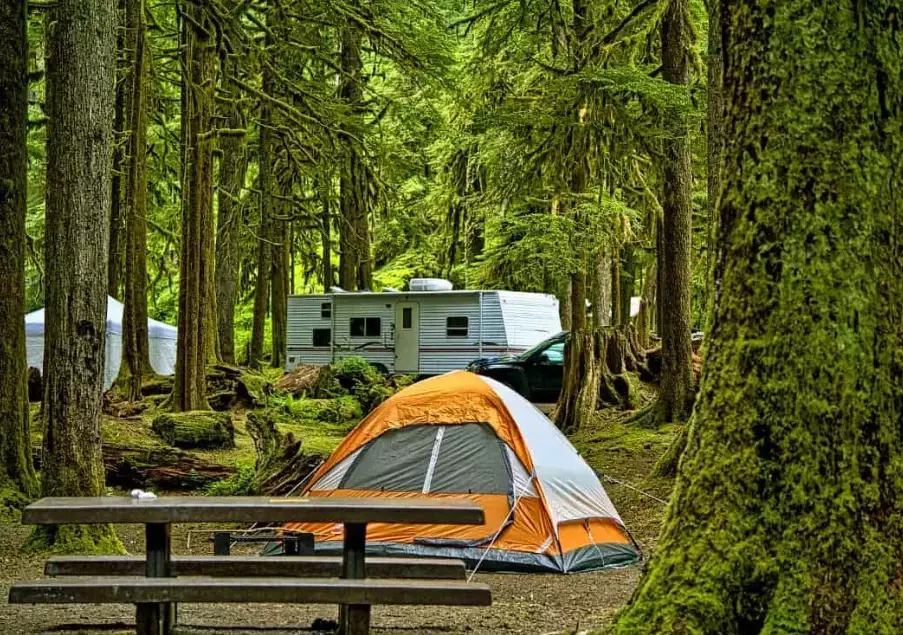
First Things First: Picking Your Park and Your Spot
You can't talk about national parks campgrounds without talking about the elephant in the room: availability. Or, more accurately, the lack of it. Demand has skyrocketed, and the parks haven't magically gotten bigger. So your first job is strategy.
Once you've got a park (or a shortlist) in mind, you need to understand the landscape of the campgrounds themselves. Not all national park camping is created equal.
The Main Types of Campgrounds You'll Find
Most parks have a mix, and knowing what you're getting into is half the battle.
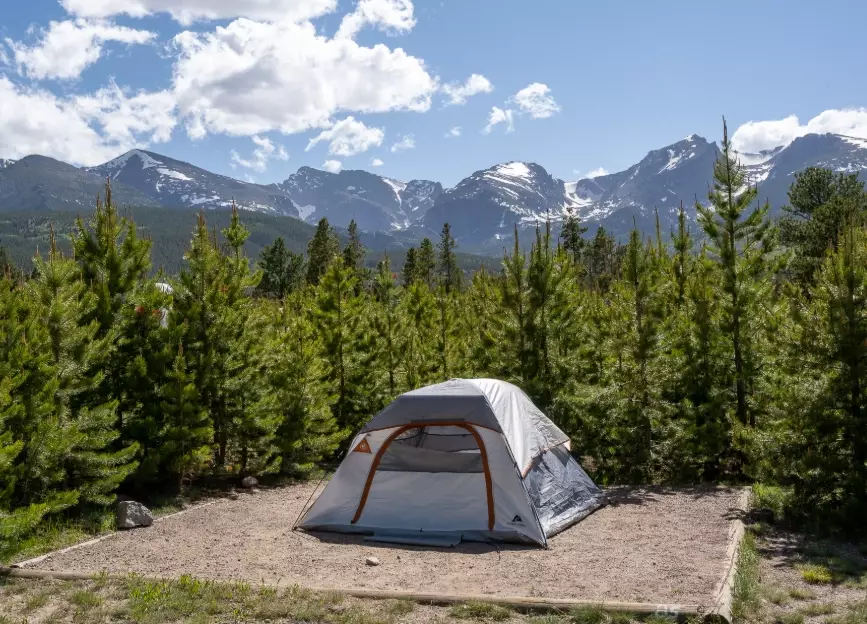
- Developed Campgrounds: These are the ones you picture. They have designated sites, usually a picnic table, a fire ring, and access to shared amenities like restrooms (vault toilets or flush), potable water, and sometimes even showers or an amphitheater for ranger talks. They're convenient, social, and perfect for families or those who want a few comforts. Examples are the famous national parks campgrounds like Yosemite's Upper Pines or Zion's Watchman.
- Primitive Campgrounds: A step further into the wild. You'll still have a designated spot, but amenities are minimal—maybe just a pit toilet and no running water. You need to be more self-sufficient. The trade-off? More solitude, often darker skies, and a deeper sense of being away from it all.
- Group Campgrounds: Designed for, well, groups. Usually larger sites that accommodate multiple tents or even small RVs. These require advance reservation for the whole group and have their own set of rules.
- Backcountry/Wilderness Camping: This is dispersed camping at its purest. No designated sites, no facilities. You hike in, find a suitable spot following Leave No Trace principles, and camp. This always requires a permit, which can be highly competitive in popular parks. It's not for beginners, but it's the ultimate experience for solitude.
So, which is right for you? Ask yourself: How important are a real toilet and a quick drive to the visitor center? Are you okay carrying all your water? Your answers will point you in the right direction.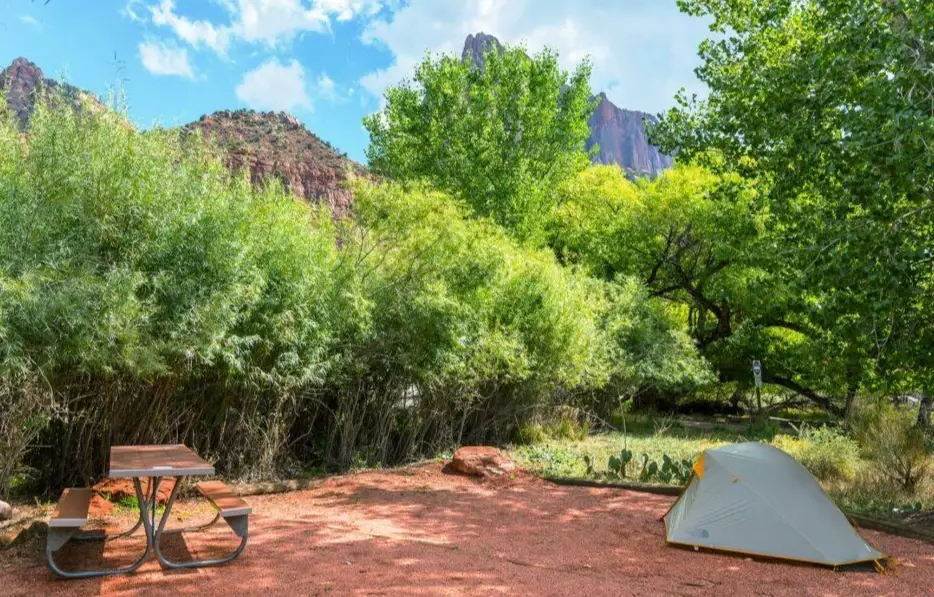
The Booking Battlefield: How to Actually Get a Site
This is where most of the stress lives. The system can feel like a lottery, but with preparation, you can tilt the odds in your favor.
First, know your booking windows. For the mega-popular parks, sites are released 6 months in advance, and I do mean in advance. For Yosemite Valley in summer, you need to be online at 7:00 AM Pacific Time, 168 days before your planned arrival, with your account already logged in and your payment info saved. It's a sport.
Here’s a quick comparison of the main booking avenues:
| Booking Method | How It Works | Best For | Biggest Challenge |
|---|---|---|---|
| Recreation.gov | Centralized system for many federal lands. Sites released on a rolling 6-month window at specific times. | Planners who can book exactly 6 months out. Trips to parks like Acadia, Rocky Mountain, Yellowstone. | Extreme competition. Sites sell out in minutes for prime dates/locations. |
| Park-Specific Portal | Some parks (e.g., Glacier, Great Smoky Mountains) run their own reservation websites. | Trips to those specific parks. Often has slightly different rules than Recreation.gov. | Remembering which park uses which system and its unique release schedule. |
| First-Come, First-Served (FCFS) | No reservations. You drive up, find an empty site, claim it, and pay at the self-registration station. | Spontaneous travelers, off-season trips, or weekdays. Often the only option in less-developed areas of a park. | Uncertainty. You might arrive after a long drive to find a "Campground Full" sign. Requires a flexible schedule. |
My personal strategy? I mix and match. I might book 2 nights at a reserved site in the heart of the park, and then plan to snag a FCFS site in a more remote area for the rest of my stay. It spreads the risk.
What if everything is booked?
Don't panic. Cancellations happen all the time. People's plans change. Be that person who checks the reservation site frequently, especially in the 1-2 weeks leading up to your trip. Many a prime spot has been grabbed this way. Also, look at campgrounds just outside the park boundaries. They're often run by the Forest Service or private operators, have more availability, and can be a great basecamp. The US Forest Service website is a goldmine for finding these.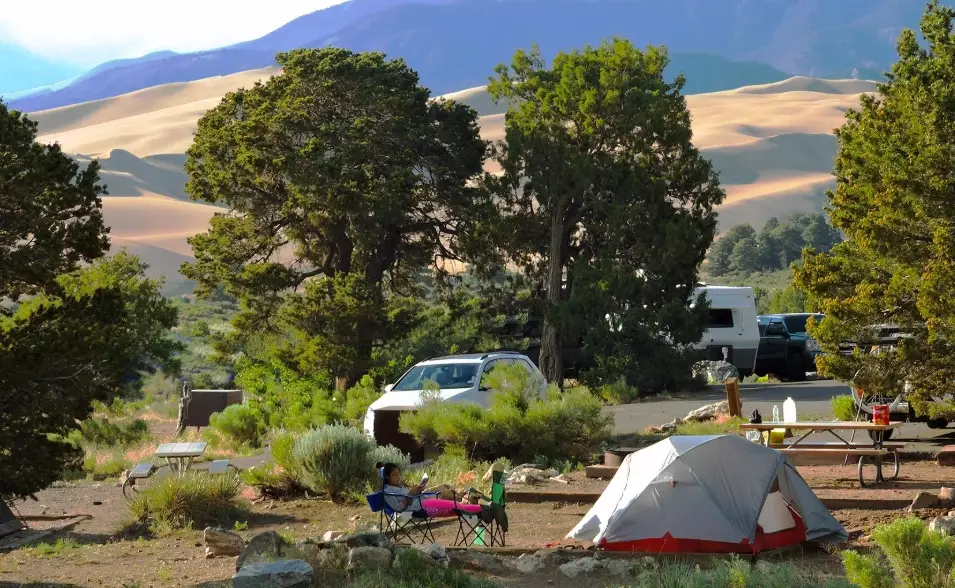
Gearing Up: What You Really Need (and What You Don't)
Okay, you've got the site. Now what do you put on it? Gear lists are everywhere, but let's talk about the stuff that matters specifically for national parks campgrounds.
The big three are always shelter, sleep system, and kitchen. But the parks throw in some curveballs.
- Bear-Resistant Food Storage: This is non-negotiable in many parks like Yellowstone, Glacier, or the Sierras. Hard-sided bear canisters or the provided metal food lockers ("bear boxes") at sites are mandatory. A regular cooler is NOT sufficient. A hanging bear bag is often not allowed because the trees aren't suitable. Check the park's rules—this is for your safety and the bears'.
- Water Storage & Filtration: Even if your developed campground has a water spigot, it might be a walk away. Bring large containers (like collapsible jugs) to fill up and keep at your site. For primitive sites or long hikes, a reliable water filter or purifier is essential. I learned this the hard way on a hot day in Arches.
- Lighting: It gets dark. A good headlamp for everyone is key for nighttime trips to the restroom. String up some solar-powered fairy lights around your canopy for ambient light at the site—it's cozy and keeps you from blinding your neighbors with a lantern.
- Comfort & Shelter Extras: A folding table is a lifesaver if your site's picnic table is gross or non-existent. A pop-up canopy or tarp gives you shade and rain protection over your cooking/eating area. Camp chairs that you actually like to sit in for hours.
And what can you leave behind? That giant, complicated coffee contraption? Maybe. Many national parks campgrounds have strict rules about washing dishes (use biodegradable soap, wash 200 feet from water sources, etc.). Keep your kitchen simple to make cleanup easier.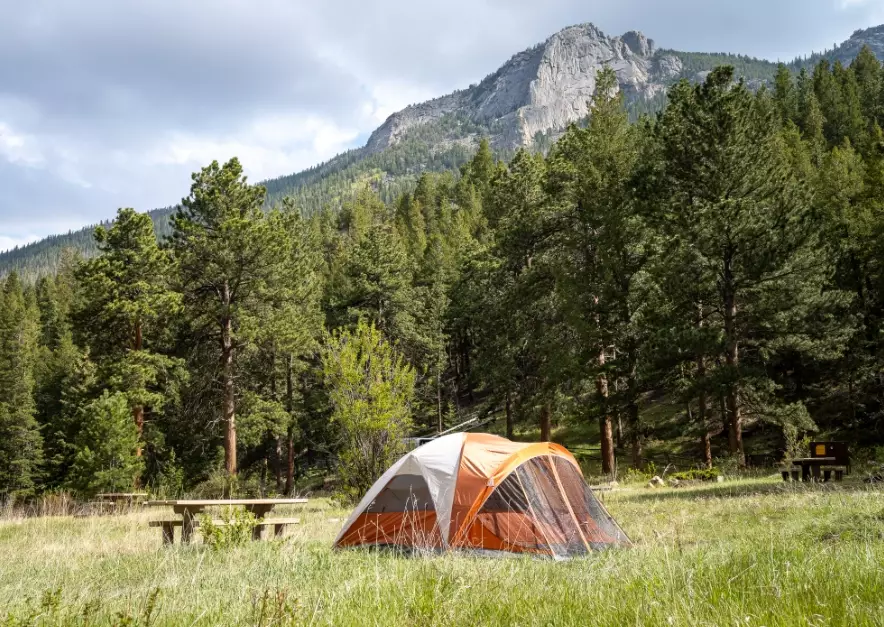
Campground Etiquette: The Unwritten Rules
This might be the most important section. A crowded campground is a community, and a few bad apples can ruin it for everyone. Being a good neighbor guarantees you'll have a better time, too.
Noise. Quiet hours are usually 10 PM to 6 AM, but courtesy extends beyond that. Keep voices down, especially in the morning. Don't slam car doors. If you're playing music, keep it low and only for your site—no one else came to the wilderness to hear your playlist. Seriously, this is the number one complaint.
Light. Use red-light modes on headlamps at night to preserve everyone's night vision (including your own). Point lanterns downward, not into neighboring sites. That super-bright LED lantern might be great for you, but it's a nuisance for the family next door trying to stargaze.
Site Boundaries. Your site is your site. Don't cut through others' sites to get to the bathroom. Keep your gear (chairs, tents, kids' toys) within your designated area.
Cleanliness. This is critical for wildlife safety. Never, ever leave food, trash, or even scented items (toothpaste, deodorant, coolers) unattended. Not for a minute. It attracts animals and creates "problem" bears that often end up being euthanados. Use the bear boxes or your vehicle if allowed (check rules—in some parks like Yosemite Valley, hard-sided RVs are okay, but soft-top cars are not).
It sounds like a lot of rules.
It is. But it's all based on respect—for other people, for the wildlife, and for the place itself. Following them is what keeps these national parks campgrounds special and safe for everyone.
Answering Your Burning Questions
Let's tackle some of the specific questions that pop up again and again when people are searching for info on national parks campgrounds.
Making the Most of Your Stay
You're there! The tent is up, the site is organized. Now, immerse yourself.
Talk to the campground host. They are a wealth of local, real-time information. They know which trailhead parking fills up first, where the recent wildlife sightings have been, and maybe even a lesser-known viewpoint. They're volunteers who love the park—pick their brains.
Go to a ranger program. The evening campfire talks or morning guided walks are fantastic, free, and incredibly informative. You'll learn about the park's ecology, history, and secrets in a way you just can't from a guidebook.
Finally, just be present. Put the phone away (service is often spotty anyway). Watch the light change on the canyon walls. Listen to the wind in the pines. The real magic of staying in national parks campgrounds isn't just the convenience; it's the 24/7 immersion in a spectacular landscape. You get the early mornings and the late nights, the sounds and the silences that day-trippers miss entirely.
It takes some work to get there, but that just makes it sweeter when you do.