My Yosemite Trail Guide
Let's be real for a second. You've seen the pictures. El Capitan staring down at you. That perfect reflection of Half Dome in a glassy lake. Waterfalls so big they look fake. Yosemite National Park is one of those places that feels almost mythical until you're actually there, smelling the pine trees and feeling the spray of mist on your face. But here's the thing – it can also be overwhelming. Where do you even start? How do you avoid the crowds? What's worth the hype and what's just... fine?
I've been going to Yosemite for years, made all the mistakes so you don't have to. Got stuck in traffic jams of RVs, showed up to a trailhead with no parking for miles, underestimated just how cold that alpine water really is. This guide is the result of all those lessons. We're not just listing facts. We're talking about how to actually have a great time in one of America's most iconic national parks.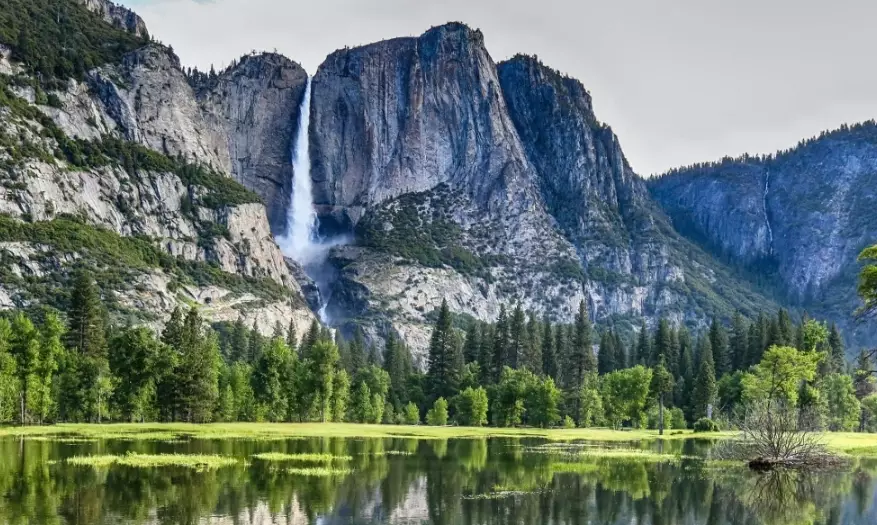
The Core Truth: Yosemite isn't a single destination. It's a massive, complex landscape of high country, deep valleys, giant sequoia groves, and sheer granite walls. Trying to "do it all" in a weekend is a recipe for frustration. The key is to pick your battles and dive deep into one or two areas.
First Things First: The Lay of the Land
Yosemite Valley is what most people picture. It's the famous, U-shaped glacial valley with the big cliffs and waterfalls. But the park is huge – nearly 1,200 square miles. If you only stay in the Valley, you're missing like 90% of Yosemite National Park.
Here’s a quick breakdown of the main areas:
- Yosemite Valley: The heart of the postcard. Home to El Capitan, Half Dome (viewed from below), Yosemite Falls, and tons of services. Also home to 90% of the summer traffic, honestly.
- Glacier Point: A drive-up (seasonally) viewpoint that gives you the iconic, top-down view of the Valley and Half Dome. The vista is unbeatable, but it's often packed.
- Wawona / Mariposa Grove: South entrance area. Mariposa Grove is where the giant sequoias are. It's quieter, more relaxed.
- Tuolumne Meadows: The high country. Over 8,500 feet in elevation. This is where you find alpine meadows, crystal-clear lakes, and domes. It's cooler, less crowded, and opens later in the season (usually late June/July).
- Hetch Hetchy: A reservoir in a valley similar to Yosemite Valley, but without the development. Great for hiking without the crowds.
Knowing this changes everything. If you hate crowds, you might base yourself near Tuolumne. If you're all about the iconic sights, you brave the Valley.
The Must-Sees & The Overrated (My Honest Take)
Everyone's list is different, but based on pure impact-per-effort, here's my ranking.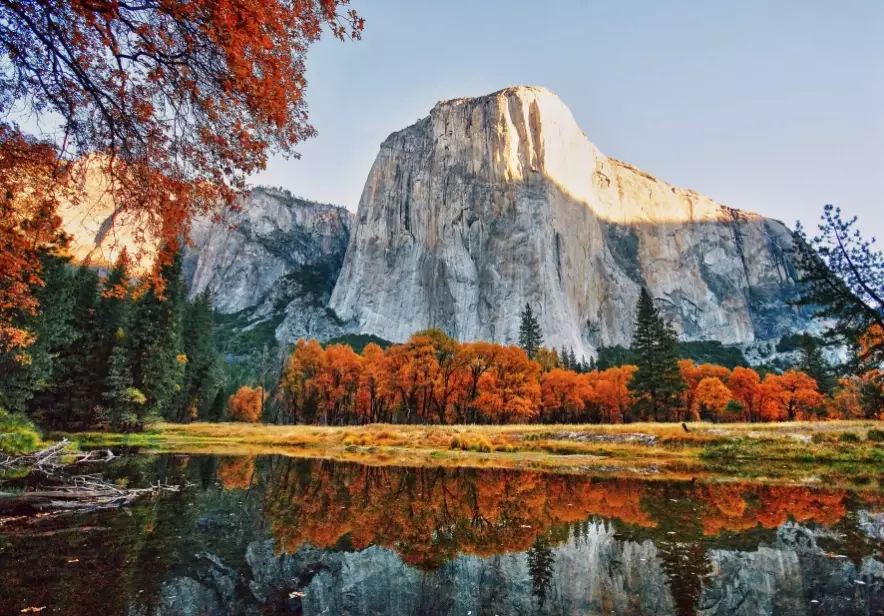
Can't-Miss, Worth the Hassle
Tunnel View. Look, it's crowded. You'll be sharing the space with buses. But walking up to that wall and seeing the entire Valley framed perfectly – El Cap on the left, Bridalveil Fall on the right, Half Dome in the center – it still gives me chills. It's the single best introduction to the scale of Yosemite National Park. Go at sunrise if you can. The light is magic and the crowds are thin.
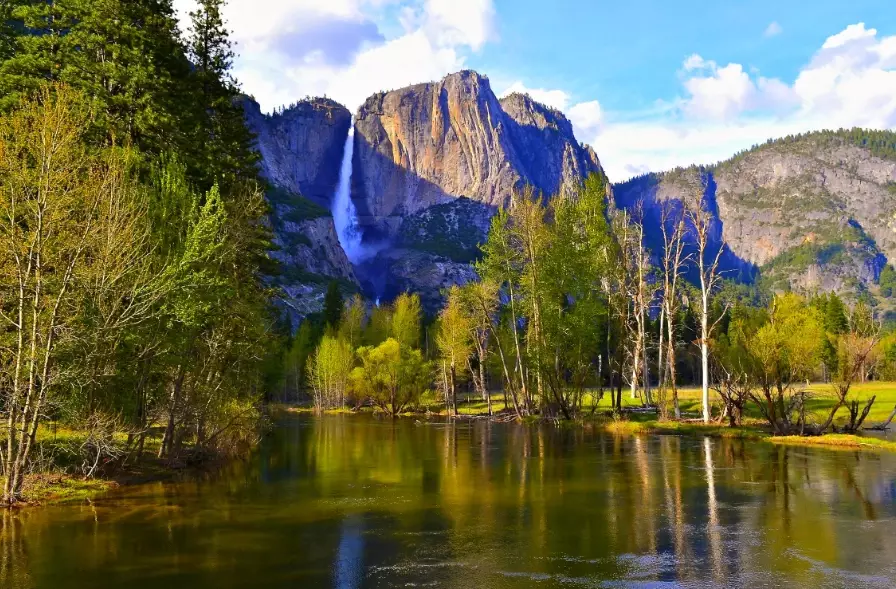
Yosemite Falls. It's the tallest in North America. When it's flowing strong (peak in May/June), the roar and the mist are insane. The lower fall is an easy, paved walk from shuttle stop #6. The hike to the top is a brutal, sun-exposed grind. Do the lower fall. Save your energy for other trails.
Glacier Point at Sunset. Yes, it's a drive. Yes, the parking lot is a zoo by mid-day. But watching the last light hit Half Dome, turning it from gray to orange to fiery red, is a religious experience. The view down 3,200 feet to the Valley floor puts everything in perspective. Just... get there early to secure a spot.
Surprisingly Underwhelming (If You're Short on Time)
Bridalveil Fall. It's pretty, especially with the wind whipping the spray around. But it's a very short walk to a viewpoint that's often swamped. If you're pressed for time, you get a great view of it from Tunnel View anyway.
The Village Store. It's just a big, expensive gift shop and grocery. Don't expect a charming park experience here. It's functional.
Local's Tip: The real magic often happens away from the shuttle stops. Find a quiet spot along the Merced River in the Valley, maybe near Cathedral Beach. Sit. Watch the water. That's when Yosemite sinks in.
Hiking in Yosemite: Picking Your Battle
This is where most of your questions are, right? Which trail? How hard is it? Let's break it down by effort level.
First, a non-negotiable: Check the official Yosemite National Park Current Conditions page before you go. Trail closures due to weather, fire, or rockfall are common. The NPS site is the only source of truth.
Easy & Family-Friendly Walks
These are mostly flat, paved, or well-graded paths. Perfect for stretching your legs.
- Lower Yosemite Fall Trail: 1-mile loop. Takes you to the base of the lower fall. You will get wet in spring. It's loud and powerful. A must-do for first-timers.
- Mirror Lake Trail: About 2 miles round-trip to the lake. It's more of a seasonal pond now, but in spring it reflects Half Dome beautifully. The paved part ends at the lake; you can continue on a dirt loop.
- Cook's Meadow Loop: An easy, flat walk in the heart of the Valley with classic views of Yosemite Falls and Half Dome. Great for sunset.
Moderate & Rewarding Hikes
You'll break a sweat, get your heart rate up, and earn a stellar view.
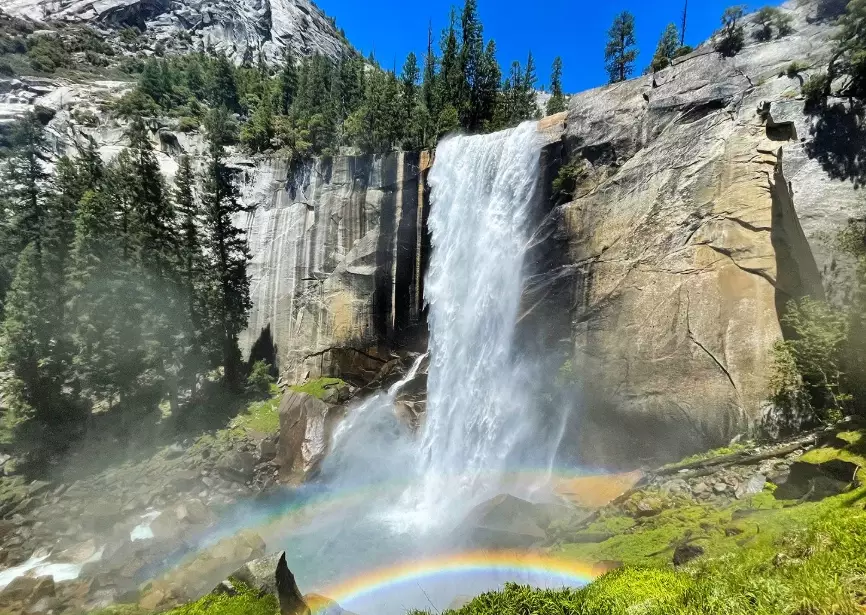
The Mist Trail to Vernal Fall. This is the classic Yosemite hike. It's steep, it's wet (you climb right next to the roaring waterfall), and the granite steps are slippery. But standing on the bridge at the top of Vernal Fall, feeling the power of the river, is unforgettable. It's about 3 miles round-trip with 1,000 ft of gain. Start EARLY. I mean, 7am early. By 9am, it's a conga line.
You can continue to Nevada Fall for a longer, harder day (about 7 miles total). That's a proper workout.
Glacier Point via the Four Mile Trail. Okay, it's actually 4.8 miles one-way, and it's all uphill from the Valley (3,200 ft gain). But the payoff is ending up at Glacier Point with the bragging rights that you hiked there. The views back down to the Valley are constant and stunning. You can take the shuttle one-way if you arrange it.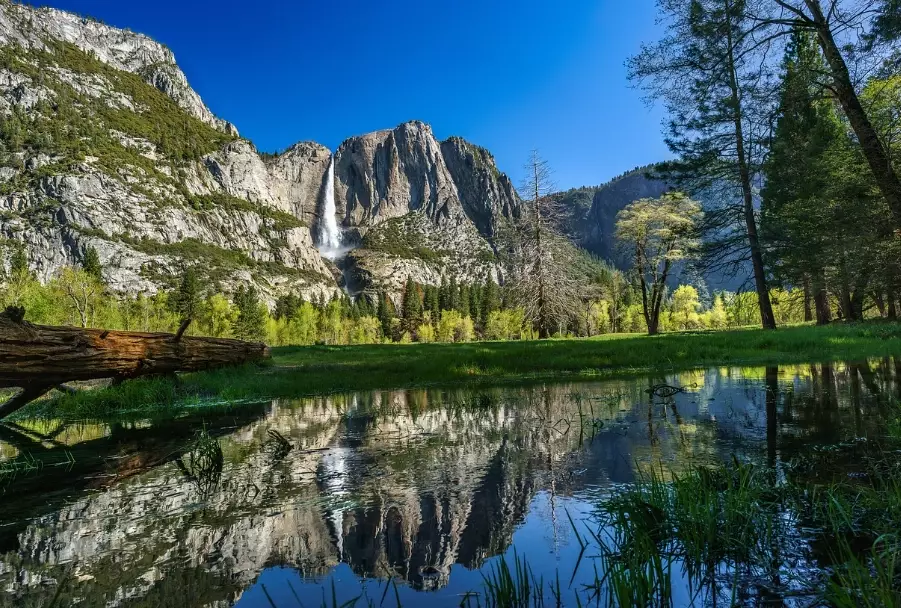
The Big Ones: Permits & Prep Required
Half Dome Cables. The legendary hike. 14-16 miles round-trip, 4,800 ft of elevation gain. The final 400 feet are up the sheer granite dome using metal cables as handrails. It's as epic and scary as it sounds. You ABSOLUTELY NEED A PERMIT to do the cables. They are awarded via a lottery months in advance (March) and a daily lottery two days prior. Do not attempt without a permit, and do not attempt if storms are forecast. People have died here. Respect it. All the info is on the NPS Half Dome page.
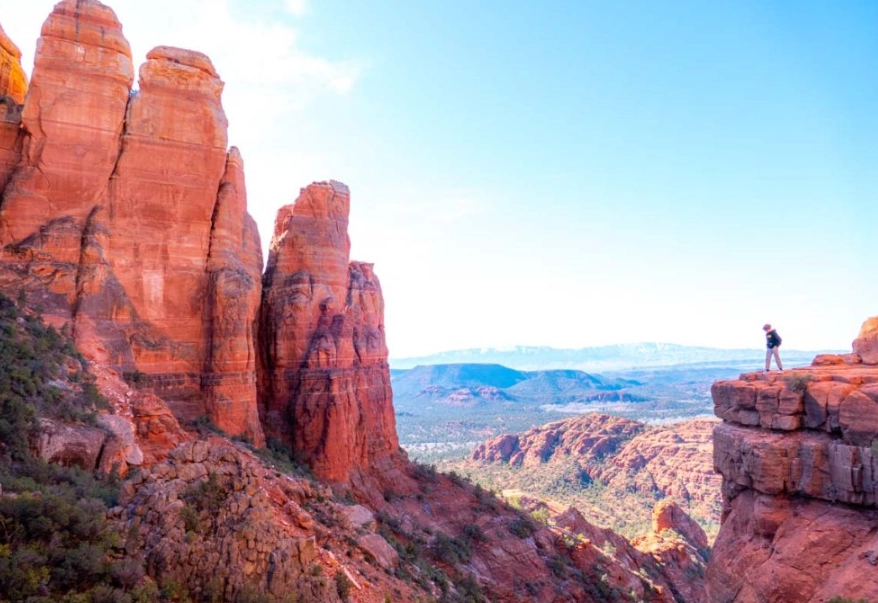
Clouds Rest. My personal favorite. Higher than Half Dome, with arguably a more breathtaking 360-degree view, and (usually) no permit required for a day hike. The catch? It's long (12.5 miles from Tioga Road) and the final ridge is narrow with huge drop-offs. Not for those with a fear of heights. But if you can handle it, it's the best view in Yosemite National Park, hands down.
Serious Warning: The altitude in Tuolumne Meadows and on high country trails is no joke. You'll get winded faster. Drink way more water than you think you need. Sun exposure is intense. Pack layers – the weather can change in minutes.
The Practical Stuff: How to Not Have a Bad Time
This is the boring but critical section. Ignore it at your peril.
When to Go (It Matters More Than You Think)
- May & June: Peak waterfall flow, wildflowers, green meadows. Also peak crowds. Valley is packed. Reservations essential.
- July & August: Waterfalls slow to a trickle or dry up. High country (Tuolumne) opens. Hot in the Valley, perfect in the mountains. Crowds are intense everywhere.
- September & October: My favorite time. Crowds thin, weather is stable, fall colors start. No waterfalls, but fantastic hiking weather.
- Winter (Nov-Apr): A completely different park. Snow covers the Valley, quiet reigns. Some roads close (Tioga, Glacier Point). Requires chains and winter gear. Magical if you're prepared.
Getting In & Getting Around
The Reservation System: During peak season, you often need a reservation just to drive into Yosemite National Park. This changes yearly. For 2024, check the NPS Reservations Page. Book these the second they become available.
Parking is a Nightmare. The Valley lots fill by 9am, sometimes earlier. Your best bet is to use the free, extensive shuttle bus system. Park your car at your lodging or at the large, designated day-use parking (like at Curry Village) and don't touch it again until you leave.
Shuttles are Your Friend. The Valley shuttle (routes #1 and #2) loops to all major trailheads and sights. The Tuolumne Meadows shuttle connects high country trailheads. They run frequently but can be crowded.
Where to Sleep
Lodging inside the park books up exactly 365 days in advance on travelyosemite.com. Set a calendar reminder. It's competitive.
| Option | Pros | Cons | Best For |
|---|---|---|---|
| Camping in Park | Inexpensive, immersive, wake up in nature. | Extremely hard to get sites. Some are first-come-first-served (line up at 6am). Bears are active – strict food storage rules. | Budget travelers, those who love camping. |
| Lodges in Valley (Yosemite Valley Lodge, Curry Village) | Amazing location, no driving needed. | Very expensive, books out instantly, can feel like a busy hotel complex. | Families, first-time visitors who want convenience. |
| Wawona Hotel / Tuolumne Meadows Lodge | Quieter, more historic charm or high-country access. | Far from Valley attractions, still books up fast. | Those seeking a quieter base or focusing on high country. |
| Staying Outside Park (Oakhurst, El Portal, Groveland) | More availability, often cheaper, more dining options. | You have to drive in and out each day, facing entrance lines and parking stress. Can be a 45+ minute drive to Valley. | Those who plan ahead less, or want more town amenities. |
My personal strategy? I camp if I can snag a site. If not, I stay in a vacation rental in El Portal or Groveland, commit to early mornings, and treat the drive as part of the adventure.
Answers to Stuff You're Probably Wondering
For a first visit of 1-2 days, yes, 100%. The convenience of rolling out of bed and being there is worth the cost and booking hassle. For longer trips or repeat visits, staying outside can be more relaxed and offer better value.
You can see the highlights, but you'll be rushed. A realistic one-day blitz: Enter early via Tunnel View, see Bridalveil Fall (quick stop), park and take the shuttle to Lower Yosemite Fall, have a picnic by the river, drive up to Glacier Point for sunset. It's a lot, but it's possible. You won't do any real hiking.
Black bears, not grizzlies. They're smart and want your food. In campgrounds, you MUST use the provided metal food lockers. Never leave food, coolers, or even scented items like toothpaste in your car. A bear breaking a car window is a common, expensive event. They're not out to get you, they just want your snacks. Be smart.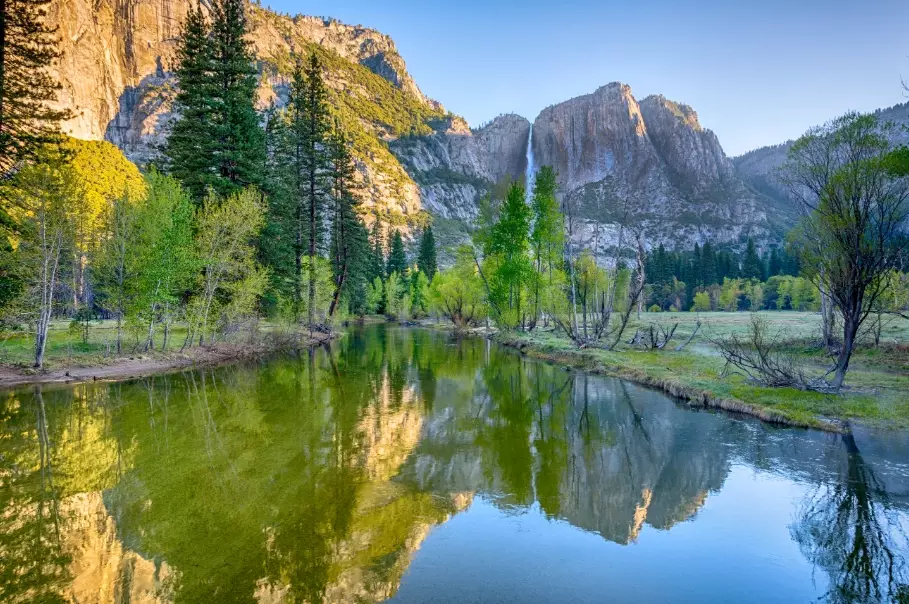
- A headlamp: Even if you don't plan to hike in the dark.
- Multiple water bottles & a way to filter: Fill up at camp. Consider a Sawyer filter if you're hiking long trails.
- Broken-in hiking shoes: Blisters ruin trips.
- Layers: A puffy jacket for cool mornings/evenings, even in summer.
- Downloaded maps: Cell service is spotty to non-existent. Use the NPS app or a map or app like Gaia.
Yosemite National Park is a place that stays with you. It's the feeling of the sun on your back as you hike, the cool shade of the trees, and the way the stars come out at night. It's a reminder that nature is still here. We can see it, touch it, and protect it.
The planning can feel like a lot, but it's worth it. Pick your season, book what you can, and then just go. Be flexible, be respectful, and let the park show you its secrets. You might just find yourself planning your next trip before the first one is even over.