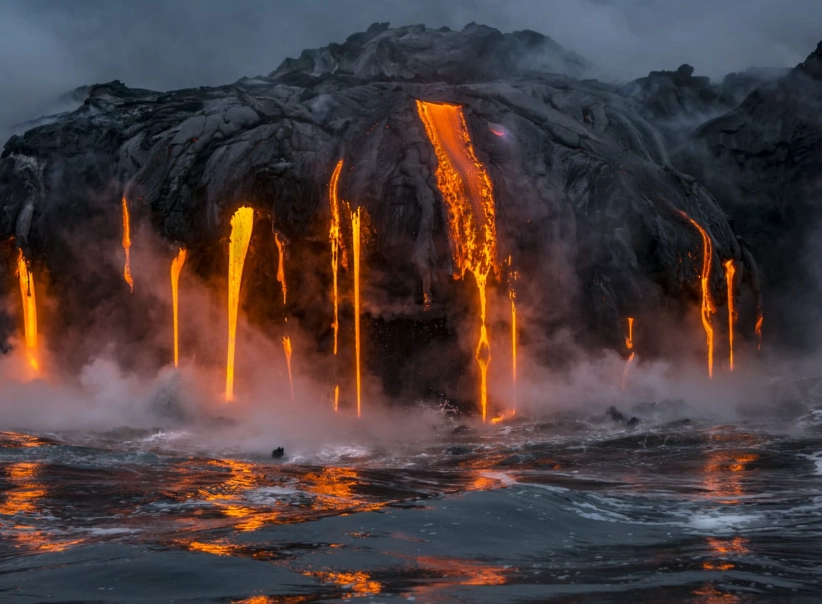
Your Guide to National Parks
Let's be honest, we've all done it. You type "best national parks" into Google, hoping for a clear answer, and you're met with a dozen different lists that all seem to contradict each other. One says Yellowstone is the undisputed king, another raves about the remote beauty of Gates of the Arctic, and a third is trying to convince you that the newest park is automatically the best. It's enough to make you close the laptop and just go to the local state park instead.
But what if I told you that most national parks rankings are missing the point? The truth is, there's no single "best" park. Asking for the top national parks ranking is like asking for the best food in the world—it completely depends on who's eating, their mood, and what they're craving.
I've spent years visiting these places, from the crowded overlooks at the Grand Canyon to the silent, mosquito-filled trails in the Everglades. I've come to realize that a useful ranking isn't a decree from on high. It's a tool. A way to match a specific person with their ideal patch of protected wilderness. So, let's ditch the one-size-fits-all list and build something more personal.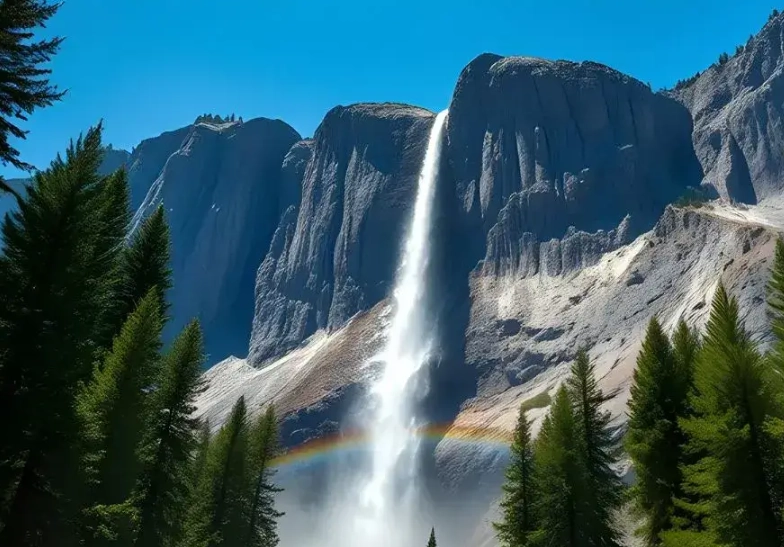
The Core Idea: A meaningful national parks ranking must start with you. Are you traveling with young kids? Seeking a soul-stirring solo backpacking trip? Wanting to capture award-winning photos without hiking 10 miles? Your answers change the list completely.
What Makes a Park "Top Tier"? Breaking Down the Criteria
Before we get to any lists, we need to understand the yardstick. What are we even measuring? Most generic rankings use a vague blend of popularity and scenic beauty. We can do better. To create a national parks ranking that's actually useful, we should weigh several key factors. Think of these as filters you can adjust based on your own trip.
Scenery & Geological Wow Factor
This is the obvious one. It's the sheer, drop-jaw spectacle. The Grand Canyon's immense scale, the jagged peaks of the Tetons rising straight from the plain, the otherworldly hoodoos of Bryce Canyon. Some parks are essentially a single, massive landmark. Others are a diverse tapestry of landscapes. This factor is what gets people to buy the plane ticket in the first place.
Accessibility & Visitor Infrastructure
This is where parks diverge wildly. Great Smoky Mountains National Park has roads winding through its heart, with countless pull-offs and easy walks. Contrast that with Isle Royale or North Cascades, where the real magic begins only after a boat ride or a serious trek from the main road. Good infrastructure means more people can experience it, but it also means... more people.
Biodiversity & Wildlife Viewing
For some, a trip isn't complete without seeing large animals in the wild. Yellowstone is the classic here, with its reliable bison, elk, and bear sightings (from a safe distance, please!). The Everglades is a subtropical wonderland of birds, alligators, and unique ecosystems. A park like Redwood might have less megafauna but boasts a living cathedral of ancient life.
Hiking Trail Quality & Variety
This isn't just about having trails. It's about having a range of trails. A top-tier park for hikers offers everything from paved, stroller-friendly paths to challenging, all-day summit bids that reward you with insane views. Zion's Angels Landing and The Narrows are iconic for a reason, but the park also has quieter, stunning hikes like Watchman Trail.
Crowds & The Ability to Find Solitude
This is a huge one, and a real pain point. Nothing shatters the majesty of nature like being in a queue of 50 people waiting to take the same photo. Arches National Park now uses a timed entry system for a reason. Meanwhile, parks like Great Basin or Congaree offer profound, crowd-free experiences. Your tolerance for people will massively influence your personal ranking.
See what I mean? A park that scores a 10/10 on scenery but a 2/10 on solitude (I'm looking at you, Arches in July) might be perfect for a first-time visitor but a nightmare for a seasoned backpacker. That's why the next step is crucial.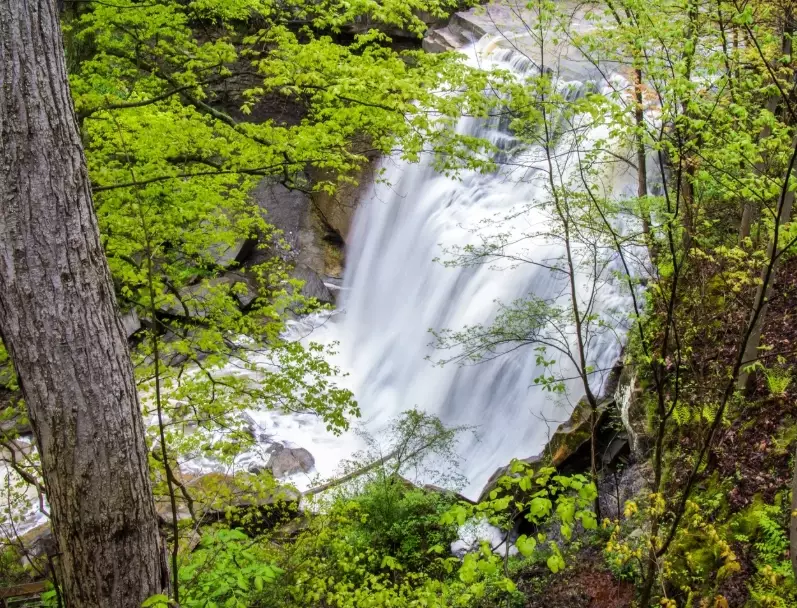
I remember my first trip to Yellowstone. I was so excited for Old Faithful. When I got there, it felt less like a natural wonder and more like a stadium event, with bleachers and a predictable schedule. It was cool, sure, but the real magic happened later, watching a lone bison cross a misty river at sunrise, miles from any parking lot. That's the moment that stuck with me. Rankings often sell the stadium, not the sunrise.
Ranked by Traveler Type: Your Personal Top 10
Okay, enough theory. Let's apply these criteria to create some actual, actionable national parks rankings. Forget the generic top 10. Here are specialized top 5 lists for different kinds of travelers.
For First-Timers & Icon Chasers
If you're new to the national parks system, you want the classics. The postcard shots. The places that define the American wilderness idea. Accessibility and reliable "wow" moments are key here.
Pro Tip: For these iconic parks, planning is non-negotiable. Book lodging (inside or near the park) 6-12 months in advance, especially for summer. Consider the shoulder seasons (May/June or September/October) for slightly better crowds and weather.
| Park | Why It's Top Tier for First-Timers | Key Accessible Icon | Crowd Level (Peak Season) |
|---|---|---|---|
| Grand Canyon (South Rim) | The scale is incomprehensible until you see it. Multiple easy rim walks and shuttle buses make viewing effortless. | Mather Point, Desert View Watchtower | Very High |
| Yellowstone | The greatest concentration of geothermal features on Earth, plus reliable wildlife. A true one-of-a-kind. | Old Faithful, Grand Prismatic Spring | Extremely High |
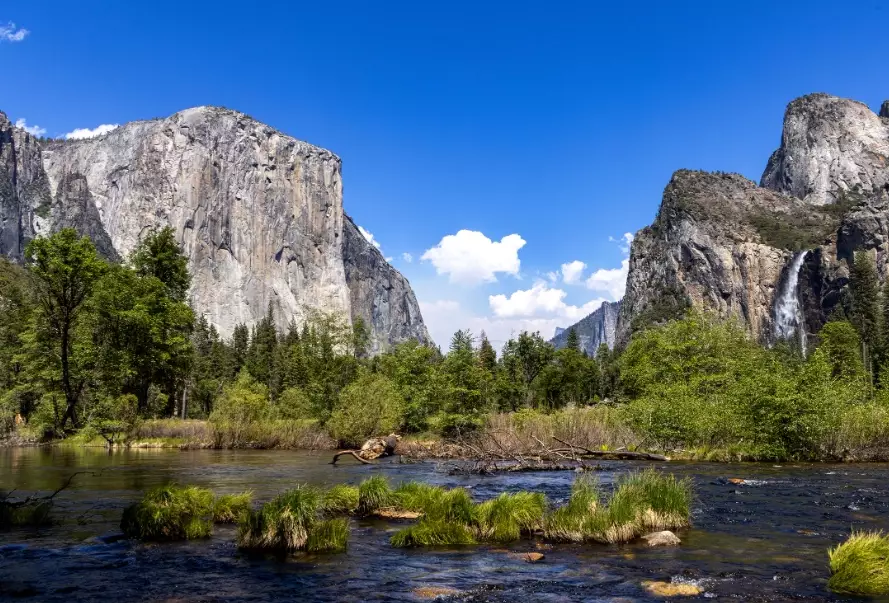
| Yosemite (Yosemite Valley) | Concentrated, monumental scenery. El Capitan and Half Dome are right there, towering over you. | Tunnel View, Glacier Point (if open) | Extremely High |
| Zion (Canyon Scenic Drive) | Sheer red cliffs surround you. The park shuttle system makes navigation simple for the main canyon. | The Narrows (walk-in), Canyon Overlook Trail | Very High |
| Rocky Mountain (Trail Ridge Road) | Experience alpine tundra from your car on the highest paved road in the US. Easy access to high-altitude beauty. | Trail Ridge Road, Bear Lake | High |
These parks are popular for a reason—they deliver. But that popularity is their main drawback. If your dream involves quiet contemplation, read on.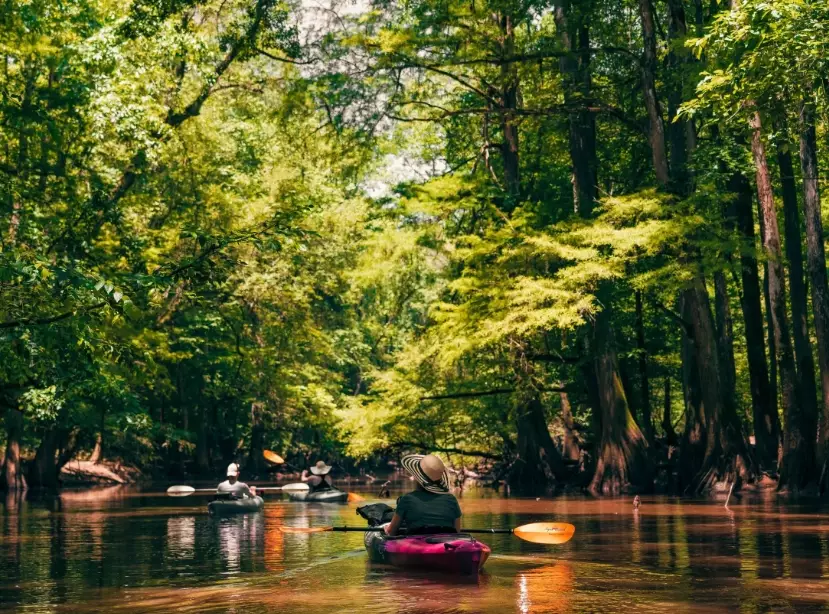
For Hikers & Backpackers Seeking Challenge
This ranking prioritizes trail networks, vertical gain, and backcountry opportunities. Scenery is a given, but it must be earned.
Forget the pavement. In these parks, the trail is the destination.
- Yosemite (Beyond the Valley): While the valley floor is for sightseers, the high country (Tuolumne Meadows) and the wilderness trails (like the one to Half Dome's summit with a permit) are a hiker's paradise. The John Muir Trail starts here.
- Glacier National Park: The Going-to-the-Sun Road is spectacular, but the real soul of Glacier is on trails like the Highline Trail or Grinnell Glacier. It's rugged, raw, and has a genuine wildness.
- North Cascades National Park: Often called the "American Alps," this is the most underrated hiking destination in the system. It has no iconic drive-through experience, which filters out casual visitors. You're here to hike, period. The National Park Service page for North Cascades rightly focuses on its wilderness character.
- Great Smoky Mountains: Don't let the easy auto-tours fool you. With over 800 miles of trails, including a massive section of the Appalachian Trail, it's a backpacker's dream. The diversity of ecosystems along the trails is stunning.
- Olympic National Park: The unique thing about Olympic is the variety within one park: alpine meadows, temperate rainforest (the Hoh is unreal), and wild coastline. You can plan multi-day trips that feel like traveling through different worlds.
A quick thought on backcountry permits: For parks like Yosemite, Glacier, and Rocky Mountain, the competition for wilderness permits is fierce. Your dream hike requires research on the NPS's backcountry permit system the moment reservations open. It's a hassle, but it's what preserves the solitude.
For Families with Young Kids
This national parks ranking is all about short attention spans, easy wins, and safety. Look for parks with junior ranger programs, interactive visitor centers, and short, engaging loops.
My sister asked me for advice on this last year. She has a 5 and 7-year-old. My top advice? Focus on parks with a high density of short, payoff-heavy walks and avoid ones where the main attraction is a grueling, all-day trek.
- Great Smoky Mountains: The clear winner. It's free, has countless easy trails to waterfalls (like Grotto Falls), and wildlife like deer is common and easy to spot from the car. The Cades Cove loop is a driving safari.
- Yellowstone: The geysers and bubbling mud pots are like nature's playground. Kids are fascinated. Boardwalks keep them safe and engaged. Just keep them close near thermal areas and wildlife.
- Rocky Mountain National Park: The Bear Lake area is perfect. It's a high-elevation hub with a network of flat, scenic loops around subalpine lakes. The Trail Ridge Road lets everyone see the alpine world without a tough hike.
- Bryce Canyon: The hoodoos are whimsical and fire the imagination. The Rim Trail along the amphitheater is largely flat and offers ever-changing views. The Navajo Loop, while a bit steep, is short and takes you down into the fairy-tale landscape.
- Carlsbad Caverns: It's not a traditional park, but walking into that enormous cave is an experience kids never forget. The self-guided tour on the Big Room route is manageable and utterly unique.
Zion, while amazing, can be tricky with little ones. Many of its best features involve long shuttle rides, significant drop-offs, or river hikes. Save it for when they're older.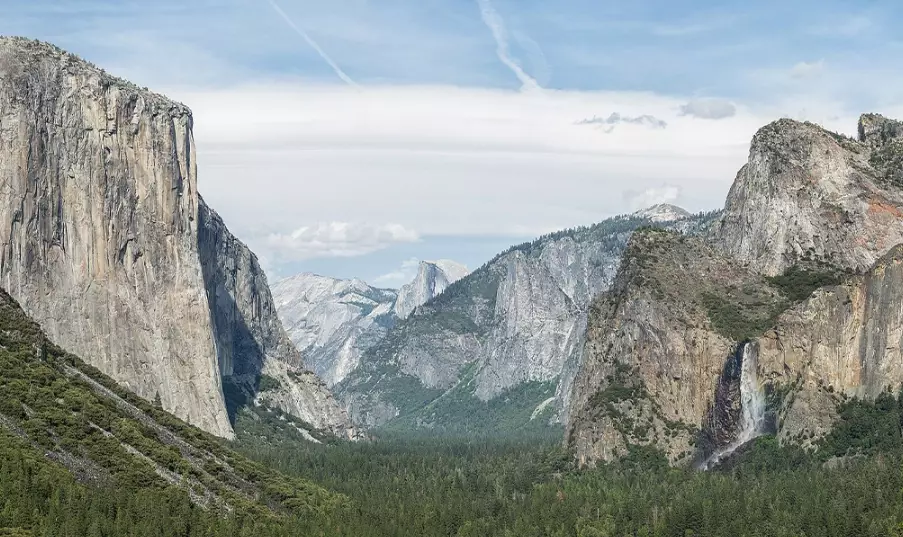
The Overlooked Gems: Parks That Deserve a Higher Ranking
Popularity contests leave brilliant places in the dust. If you want to escape the herds and have an experience that feels more personal and discovered, these parks should shoot to the top of your personal national parks ranking.
Let's talk about Great Basin National Park in Nevada. No timed entry, no traffic jams. You drive through miles of desert sagebrush, then the Wheeler Peak Scenic Drive climbs into a completely different world of alpine lakes and ancient bristlecone pine forests. You can tour Lehman Caves, then hike to a glacier (yes, in Nevada!). It feels like a secret.
Then there's Congaree National Park in South Carolina. It's a floodplain forest, a sanctuary of giant trees and quiet waterways. The boardwalk trail lets you walk through the heart of it. It's not about sweeping vistas; it's about immersion in a lush, green, quiet world. The mosquito meter at the visitor center is a honest touch.
Black Canyon of the Gunnison is like if the Grand Canyon decided to be more intense and less crowded. The canyon is narrower, deeper, and darker. The views from the South Rim are dizzying. You can often have an overlook to yourself, which is unthinkable at its famous cousin.
I spent an afternoon at Black Canyon's Gunnison Point. Two other people came and went in an hour. The silence was so deep I could hear the river, a vertical mile below, as a faint, constant whisper. That's a feeling you can't buy, and you won't find it on a "top 5 by visitation" list.
These parks may not have the single most famous landmark, but they offer a quality of experience—tranquility, intimacy, surprise—that the heavy-hitters often can't match during peak season.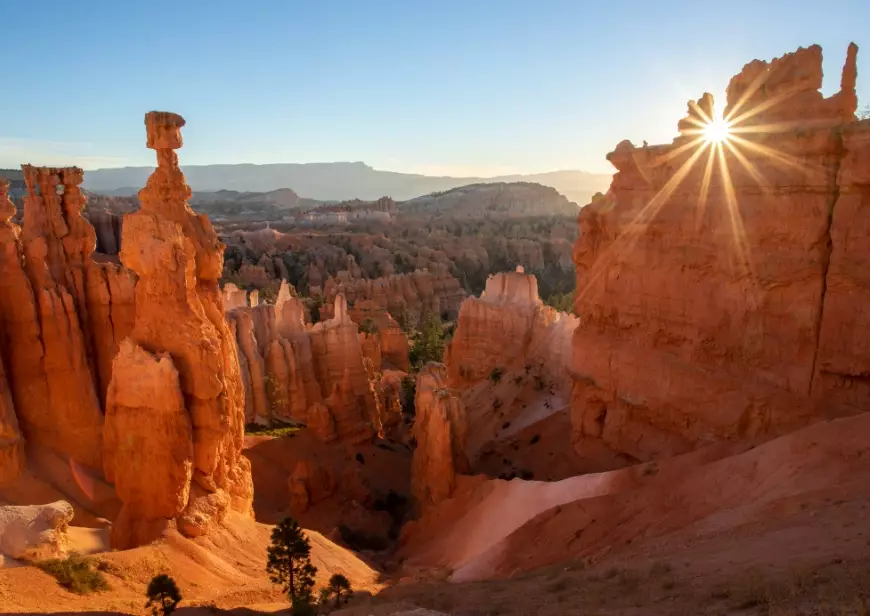
Answering Your National Parks Ranking Questions
After talking to dozens of travelers, some questions come up again and again. Let's tackle them head-on.
Are national parks rankings subjective?
Absolutely, 100%. Anyone who claims their top 10 list is the objective truth is selling something. My love for the soggy, green silence of Olympic's rainforest is subjective. Someone else's preference for the stark, red desert arches of Utah is equally valid. A good ranking article (like this one, I hope) admits its biases and gives you the tools to apply your own.
How often do rankings change?
The landscapes themselves change glacially (sometimes literally, as glaciers retreat). But what changes more rapidly is access and visitation pressure. A park might be a hidden gem until a viral social media post makes a specific spot overwhelmingly popular. The implementation of timed entry systems (Arches, Rocky Mountain, Glacier) is a direct response to this and can alter a park's ranking for someone who hates planning. Always check the official NPS Plan Your Visit page for the latest on reservations and alerts.
Should I just visit the #1 ranked park?
Probably not. Think about location and trip-chaining. It makes far more sense to visit a cluster of parks. A Utah trip covering Zion, Bryce, Capitol Reef, and Arches is a masterpiece of southwestern landscapes. A Pacific Northwest trip linking Olympic, Mount Rainier, and North Cascades offers incredible diversity. Forcing a trip to the isolated #1 park when three others are nearby might be less rewarding. The U.S. Geological Survey provides fantastic topographic maps that help you visualize these regional clusters.
What's the biggest mistake people make using these rankings?
Treating them as a checklist.
The goal isn't to "collect" top-ranked parks. It's to have a profound experience. Rushing from one park to another to tick boxes leads to burnout. You spend more time driving and checking in than you do actually seeing anything. I'd rather spend three full days deeply exploring one park than one day each at three parks. Depth over breadth, almost every time.
Building Your Own Ultimate Ranking
So here's your homework. Grab a piece of paper or open a note-taking app. Ask yourself these questions:
- Who is going? (Solo, partner, young kids, elderly relatives?)
- What's your fitness & adventure level? (Car-based sightseeing vs. 10-mile day hikes vs. multi-day backpacking?)
- What landscapes speak to you? (Mountains, deserts, coasts, forests?)
- What's your crowd tolerance? (Do you need solitude, or is a shared experience okay?)
- What time of year are you traveling? (This eliminates some parks and makes others shine.)
Your answers create a profile. Now, run the parks through your personal filter. That quiet, trail-less park that ranks low on a generic list might be #1 for your solo meditation retreat. The busy, iconic park might be the perfect #1 for your family's first, easy-to-navigate adventure.
The Final Word: The best national parks ranking is the one you create for yourself. Use the lists and data as a starting point, not a final answer. Let your own interests, abilities, and dreams be the deciding factor. The park that's right for you is the best park, regardless of what any article (even this one) says. Now go find it.
Oh, and one last piece of unsolicited advice? Whatever park you choose, get off the main road. Walk even just a half-mile down a trail. The crowds thin, the noise fades, and the real magic of these places—the part that can't be ranked—begins.