I remember the first time a bull elk bugled in the misty dawn of Rocky Mountain National Park. The sound wasn't just a noise; it was a physical vibration in the air, a primal call that connected me to something ancient. That's the magic of wildlife in America's national parks. It's not a zoo exhibit. It's raw, unpredictable, and utterly captivating. But here's the thing most blogs won't tell you: finding these moments requires more than just showing up. It demands strategy, respect, and a willingness to see the world on the animals' terms.
Your Wildlife Adventure Awaits
Top 5 US National Parks for Wildlife Encounters
Forget just listing animals. Let's talk about the experience. Each park has a different character, a different star creature, and a different best time to visit. Based on two decades of tracking, watching, and sometimes just sitting quietly, here's my breakdown.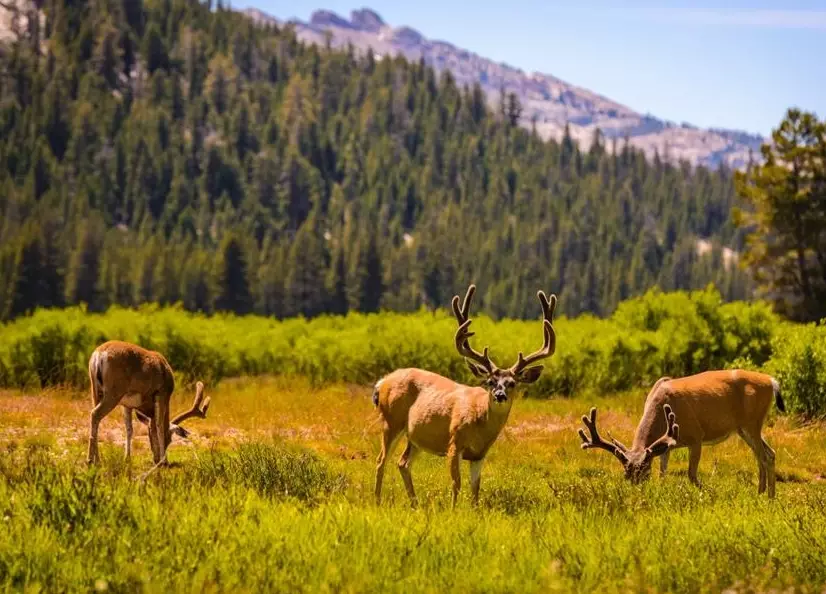
| Park & Location | Signature Wildlife | Best Time to Visit | The "Can't Miss" Spot |
|---|---|---|---|
| Yellowstone (Wyoming/Montana/Idaho) | Gray wolves, Grizzly & black bears, Bison herds, Elk, Pronghorn | May-June (for babies), Sept-Oct (for rut & less crowd) | Lamar Valley at dawn. It's called "America's Serengeti" for a reason. |
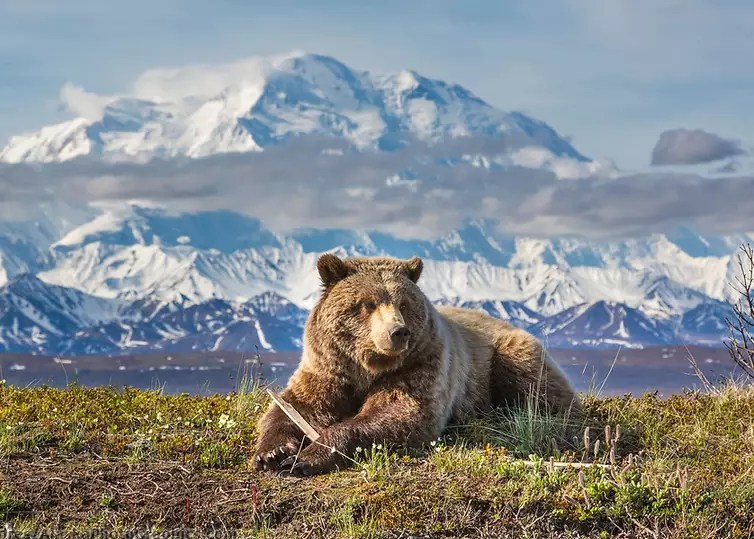
| Denali (Alaska) | Dall sheep, Grizzly bears, Moose, Caribou, Golden eagles | Late May to mid-September (park road is only fully open then) | Take the park bus deep into the interior (mile 43-63 is prime). Private cars are restricted. |
| Everglades (Florida) | American alligator, Manatee, Florida panther (rare), Roseate spoonbill, Crocodile | Dry season (Dec-Apr). Animals congregate at water holes. | Shark Valley tram road or an airboat tour (choose an eco-friendly operator). |
| Rocky Mountain (Colorado) | Elk (especially during the fall rut), Bighorn sheep, Moose, Mule deer | September-October for the elk rut. Spring for lambs on the cliffs. | Moraine Park or Horseshoe Park at sunrise during fall. |
| Great Smoky Mountains (TN/NC) | Black bears, White-tailed deer, Salamanders (30+ species!), Fireflies (synchronous in June) | Spring for newborns, Fall for color, June for fireflies (lottery required). | Cades Cove Loop Road, early morning or late evening. |
A quick story about Yellowstone. Everyone rushes to see Old Faithful, but the real show is in Lamar Valley. I once spent four hours there with a thermos of coffee, watching a wolf pack rest, play, and eventually move out on a hunt. You won't see that in five minutes. You have to invest the time.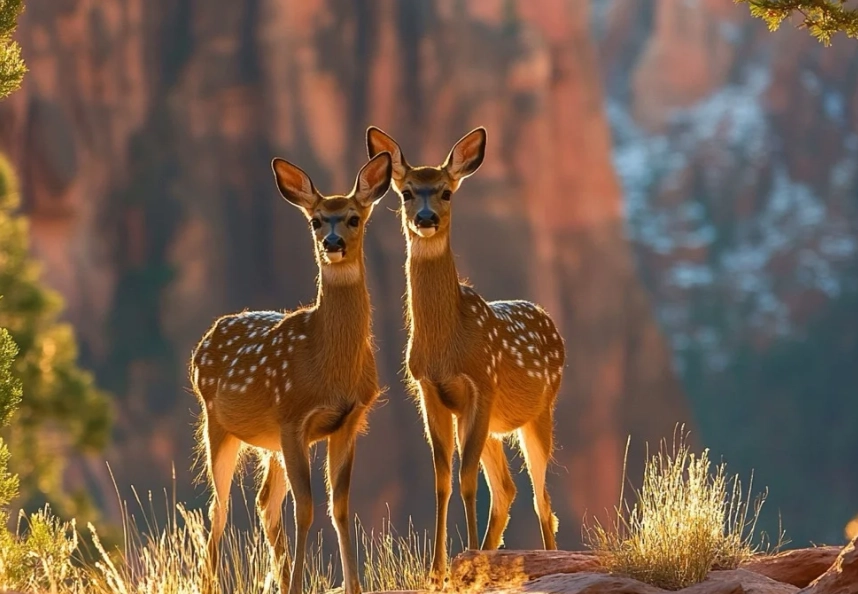
How to Plan Your National Park Wildlife Trip
Planning is everything. A common mistake? Trying to see everything in one day. Wildlife doesn't work like that.
Step 1: Pick Your Target and Season
What's your dream sighting? If it's bear cubs, aim for late spring. If it's the dramatic elk rut with bulls locking antlers, fall is your season. Check the National Park Service (NPS) website for seasonal highlights. Summer is crowded and hot—animals are less active midday.
Step 2: Master the Logistics
This isn't glamorous, but it's critical.
- Lodging: Stay inside the park if you can. Being on location for dawn is a game-changer. Places like the Old Faithful Inn (Yellowstone) or Denali Park Village book up a year in advance. If you're outside, add an hour to your morning drive.
- Permits & Reservations: Many parks now require timed entry or vehicle reservations (e.g., Rocky Mountain, Glacier, Arches). Get these the second they become available.
- Gear: Beyond binoculars (get 8x42 or 10x42), pack layers. Mornings are freezing. Bring a headlamp for pre-dawn starts, a comfortable camp chair for sitting still, and a field guide specific to the region.
Pro Insight: The biggest error I see? People treat wildlife viewing like a checklist. They drive fast, stop for 30 seconds, and move on. The animals see you coming a mile away. Slow down. Park the car. Walk a quiet trail. Sit on a rock for 20 minutes. The park will reveal itself to you.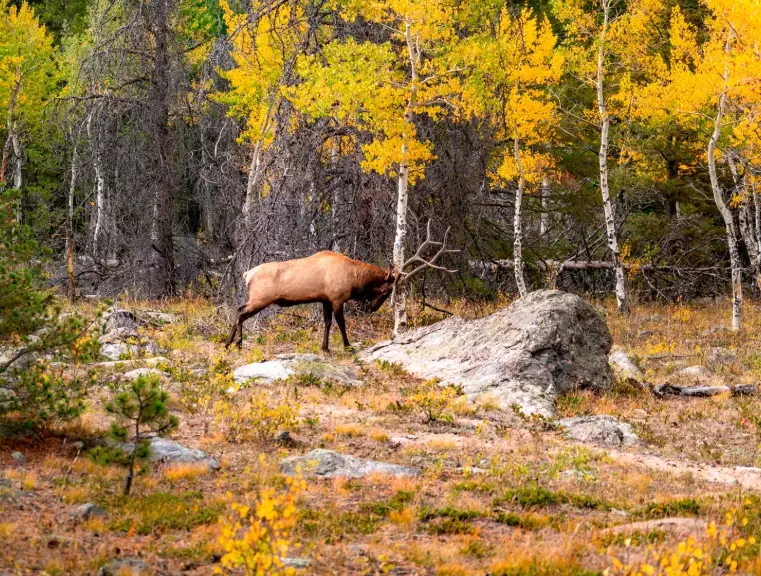
Expert Tips for Spotting and Photographing Animals
Your eyes need training. Look for patterns that break the pattern.
- Look for parts, not wholes: A horizontal line in a vertical forest (a deer's back). The curve of an ear. The shiny black of a bear's nose.
- Listen: Alarm calls from birds like jays or squirrels often mean a predator is near. The crack of a branch. The splash in a pond.
- Use other people wisely: A cluster of cars or people with spotting scopes ("bear jams" in Yellowstone) is a clue. But be respectful—don't crowd them.
For photography, your phone won't cut it for distant subjects. A DSLR or mirrorless camera with a 200-400mm lens is ideal. But more important than gear is light. The harsh midday sun creates awful shadows. Shoot in the golden hours of dawn and dusk.
And please, turn off your flash. It can blind and disorient animals, especially at night.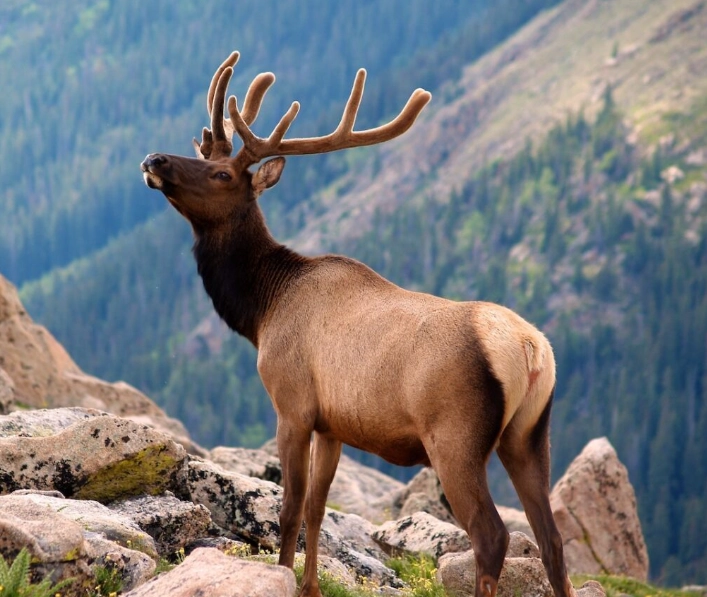
Safety and Ethical Wildlife Viewing (The Non-Negotiables)
This is where experience talks. I've seen too many close calls.
Distance is your friend. The NPS rule is 25 yards from most wildlife, 100 yards from bears and wolves. I use a simpler rule: if the animal notices you and changes its behavior, you're too close. You're a guest in their home.
Never feed wildlife. Not even a squirrel. A fed bear is a dead bear. It teaches them to associate people with food, leading to aggressive behavior and often euthanasia.
In bear country (like Yellowstone, Glacier, Denali), carry bear spray and know how to use it. Have it accessible, not buried in your pack. Make noise on trails to avoid surprising a bear.
Respect closures. If a meadow is roped off for nesting birds or a trail is closed due to bear activity, there's a vital reason. Go somewhere else.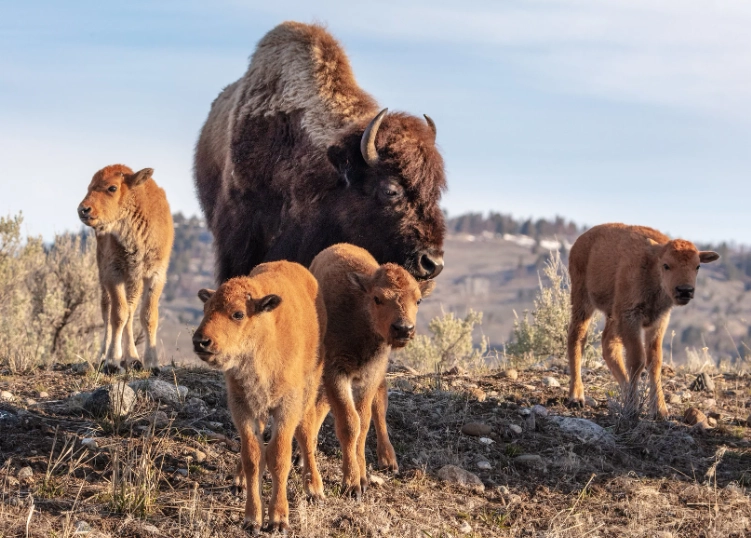
Your Wildlife Watching Questions, Answered
At the end of the day, wildlife watching in national parks is about connection. It's about trading the noise of daily life for the quiet anticipation of a rustle in the bushes. It's about witnessing a scene that unfolds the same way it has for thousands of years. Do your homework, pack your patience, and always put the animal's welfare first. The wild heart of America is waiting for you—see it responsibly.