You're standing in a climbing gym for the first time, looking up at a wall dotted with colorful plastic holds. It's exciting, maybe a little intimidating. Everyone else seems to know what they're doing. Here's the secret they all learned at some point: climbing isn't about brute strength. It's a puzzle of movement, balance, and technique. If you learn the right techniques from day one, you'll progress faster, have more fun, and avoid the frustrating plateaus that come from relying solely on muscle. This guide cuts through the noise and gives you the five foundational techniques to focus on, right now.
Your Quick Start Guide
Gear Up: Your First Climbing Kit and Gym Safety
Let's get the boring but vital stuff out of the way first. You can't practice technique if you're unsafe or uncomfortable.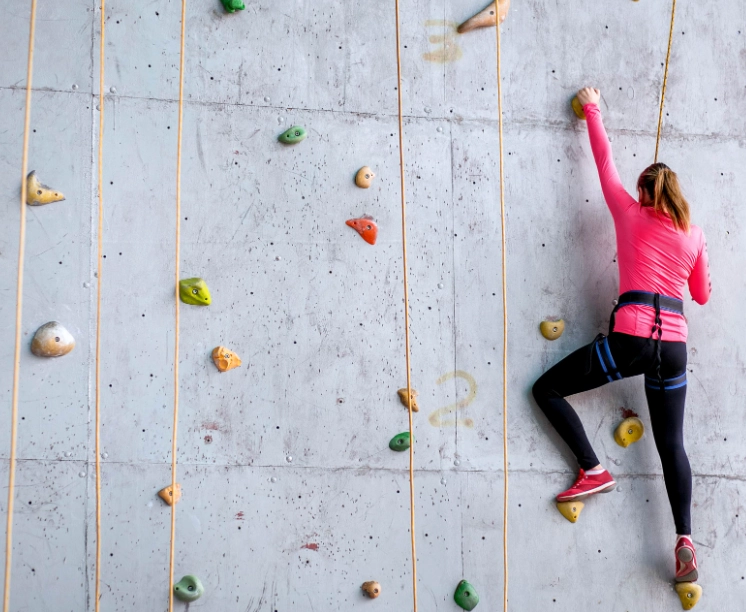
For your first few visits, just rent. Gyms have harnesses and shoes. This lets you figure out what you like before spending money. When you're ready to buy, keep it simple.
Your Minimalist Starter Kit:
- Climbing Shoes: Don't get the insanely tight, downturned "aggressive" shoes you see pros wear. Get a flat or slightly downturned pair that fits snugly but doesn't cause serious pain. Your toes should be at the end, not curled under. La Sportiva Tarantulace or Scarpa Origin are classic beginner models for a reason—they're comfortable and work well.
- Harness: Try it on. Sit in it. The waist belt should be above your hip bones and tight enough that you can't pull it down over them. The leg loops should be snug but not restrictive. Adjustability is key. Brands like Black Diamond and Petzl make great, no-fuss beginner harnesses.
- Chalk and Bag: A small chalk bag and some loose chalk. It's not for looking cool; it keeps your fingers dry for better grip.
Gym Etiquette and Safety 101
Every gym has its own rules, but universal truths exist. Always get the safety orientation. It's not optional. For roped climbing, you'll either need a partner who knows how to belay (the rope-holding technique) or use an auto-belay device. For bouldering (shorter climbs over padded mats), the rules are different but just as important.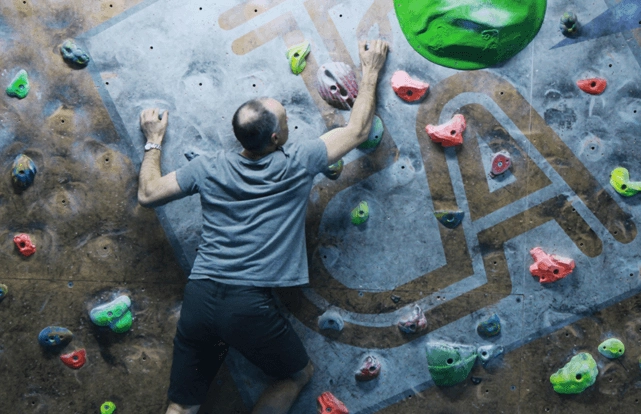
The Golden Rules of Bouldering Safety: Look before you leap—or fall. Always scan the landing zone. Is someone walking underneath you? Is another climber's project in your fall line? Wait. When you come down, try to land on your feet with bent knees, and roll onto your back. Don't jump down if you can help it; downclimb a few holds. And never, ever walk under someone who is climbing.
Now, with the safety basics locked in, we can talk about the fun part: moving on the wall.
The 5 Foundational Climbing Techniques for Beginners
Forget trying to memorize a hundred moves. Nail these five concepts, and you'll be better than 80% of first-timers. I've coached this sequence for years, and it works.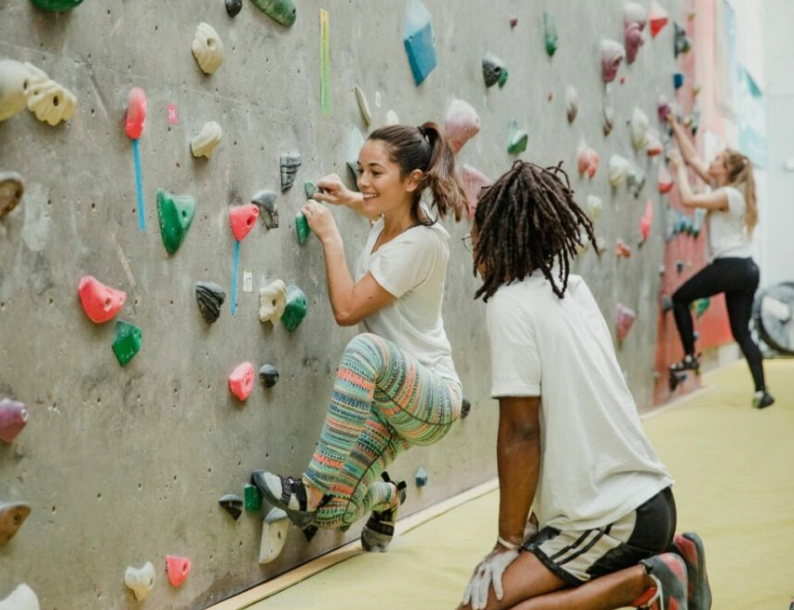
1. Footwork: The #1 Skill You're Probably Neglecting
Your legs are your strongest muscles. Use them. The most common error I see is beginners standing on the front of their foot, the ball, as if on a ladder. You have no stability.
Instead, stand on the inside edge of your big toe. Imagine there's a tiny laser pointer on the rubber there, and you need to point it precisely at the hold. This gives you a stable platform to push from. Practice on the easiest wall: place your foot silently and deliberately on a hold, using your toe. No slapping sounds.
Here’s a drill: climb an easy route using only your feet. Keep your hands on large, comfortable holds or even just on the wall. Focus on shifting your weight over each foot before moving the next one. It feels weird, but it rewires your brain.
2. Handholds: How to Grip (Without Burning Out)
You don't need to crush every hold. Your goal is to hang on with the least amount of effort possible.
For large holds (jugs), an open-handed grip is often more efficient than a full "crimp" (fingers bent at 90 degrees). Save the crimp for when you really need it; it strains your finger tendons. On smaller holds, try to use the pads of your fingers, not the tips. And relax your grip between moves! I see so many people white-knuckling their way up, exhausting their forearms in minutes. Shake out your arms whenever you find a stable position.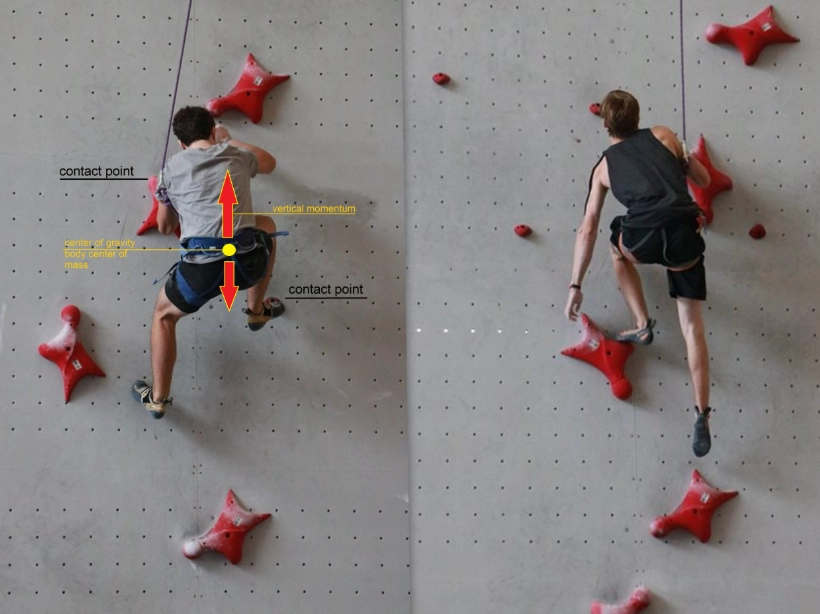
3. Body Positioning: The Silent Game-Changer
This is where technique truly lives. The core principle: keep your hips close to the wall. When your hips are in, your weight is over your feet, not hanging off your arms.
On vertical walls, stand up straight. On overhanging walls, you'll need to engage your core to prevent "barn dooring" (swinging out). A related concept is flagging. If you're reaching with your right hand, sometimes you'll swing left. To counter this, flag your left leg out to the right side of your body. It acts like a counterbalance, stabilizing you instantly. It feels unnatural at first but becomes second nature.
4. The Art of Resting While Climbing
Climbing isn't a sprint. Finding rest positions lets you recover, plan your next moves, and complete longer climbs. Look for places where you can straighten your arms and sink your weight onto your skeleton, not your muscles. A slight ledge to hook a heel on can turn a strenuous stance into a lounge chair. Breathe deeply. Shake out each arm alternately. This skill alone will let you climb routes you thought were too hard.
5. Movement Economy: Climbing Smart, Not Hard
Watch an experienced climber. They move fluidly, with momentum. Beginners often move statically: reach, pull, lock off, then grope for the next hold. It's exhausting.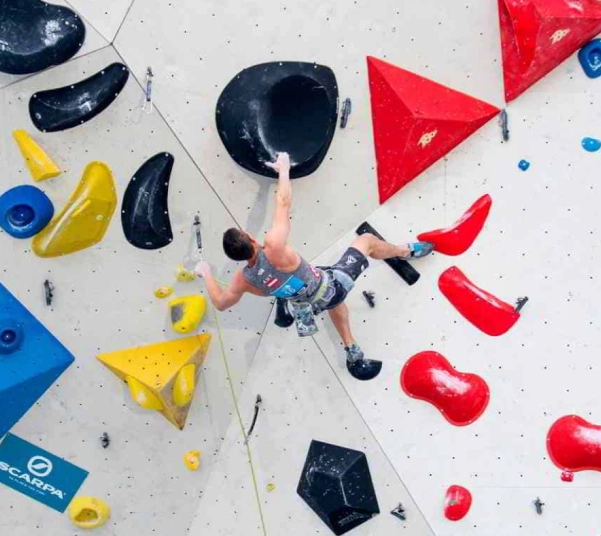
Learn to use momentum. Sometimes, a small bounce or a shift of your hips can give you the extra few inches to reach a hold comfortably. Practice rocking your weight over your foot before reaching. Instead of pulling with your arm, push with your leg and let your body rise naturally. This "dynamic" movement is more advanced but start thinking about it early. It's the difference between fighting the wall and dancing with it.
| Technique | Beginner Mistake | Pro Correction | Quick Drill |
|---|---|---|---|
| Footwork | Standing on the ball of the foot, slapping feet onto holds. | Place feet silently using the inside edge of the big toe. | "Silent Feet" climb: make no sound with your shoes. |
| Gripping | Death-gripping every hold, overusing the crimp grip. | Open-hand grip when possible, relax between moves. | Climb an easy route, consciously opening your grip on each hold for a second. |
| Body Position | Hips sagging away from the wall, arms fully extended. | Keep hips close to the wall, use flagging for balance. | On a vertical route, try to keep your torso an inch from the wall the whole time. |
Practicing Safely: From Gym to Crag
How you practice is as important as what you practice. Don't just climb until you fail every time. Structure your session.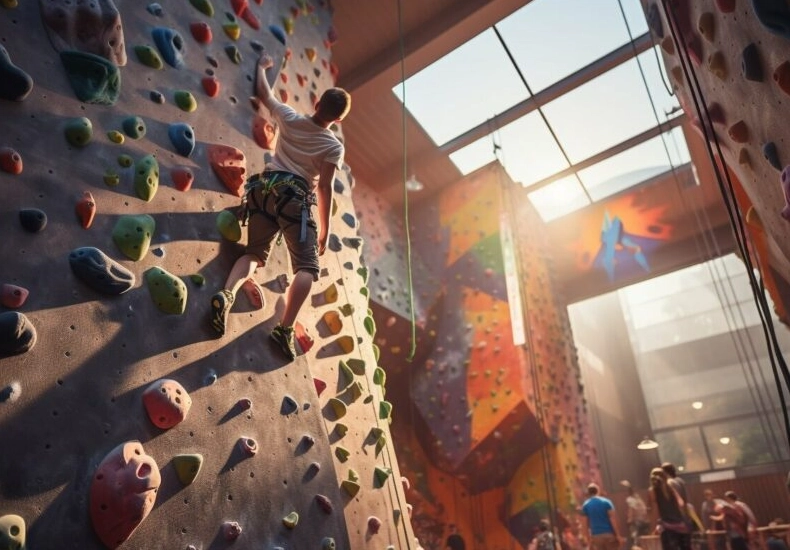
Warm-up. Seriously. 5-10 minutes of light cardio (jumping jacks, a bike) followed by dynamic stretches for your shoulders, wrists, and hips. Then climb 3-4 of the absolute easiest routes in the gym. This gets blood flowing to your muscles and tendons, preventing injury.
Skill Practice. Spend 20-30 minutes working on one of the techniques above. Pick one focus per session. Use the drills mentioned.
Projecting. Pick a route 1-2 grades above your warm-up that feels challenging but possible. Try it 3-4 times, resting fully between attempts. Work out the sequence. This is where you apply your techniques under pressure.
Cool Down. Climb 1-2 easy routes to flush lactic acid. Do some static stretches, especially for your forearms and shoulders.
Resist the urge to climb 7 days a week. Your tendons adapt much slower than your muscles. For the first few months, 2-3 sessions a week is plenty. Rest is when you get stronger.
Thinking about climbing outdoors? That's a whole new chapter. Never go without an experienced climber or a certified guide. Organizations like the American Mountain Guides Association (AMGA) set the standard for guide certification. Outdoor climbing involves managing real rock, natural hazards, and placing your own protection. The gym is the perfect, controlled classroom to build your foundational skills first.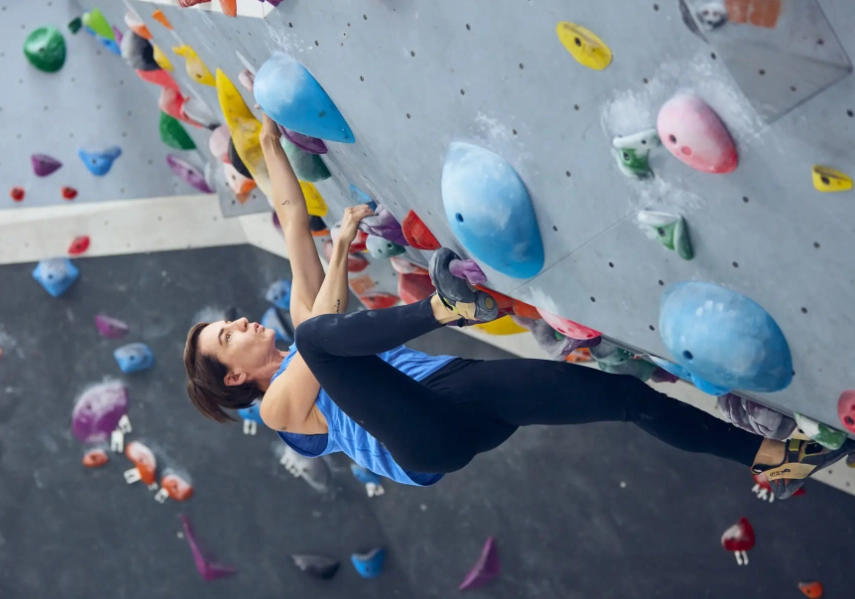
Your Beginner Climbing FAQ Answered
The wall isn't going anywhere. Your journey starts with one step, or more accurately, one carefully placed foot. Focus on movement, not muscles. Embrace the puzzle. The community you'll find is one of the most supportive out there. Now go get on the wall.