Let's get something straight right away. Hiking is walking, but it's walking with a purpose, a plan, and usually a bit more mud on your shoes. It's the sport that turns a simple stroll into an adventure, connecting you with landscapes you'd never see from a car. I've spent over a decade on trails, from easy loops in state parks to multi-day treks, and I've seen the same mistakes trip people up again and again. This guide is here to help you skip the frustrating parts and get straight to the good stuff—the fresh air, the quiet forests, and the incredible views.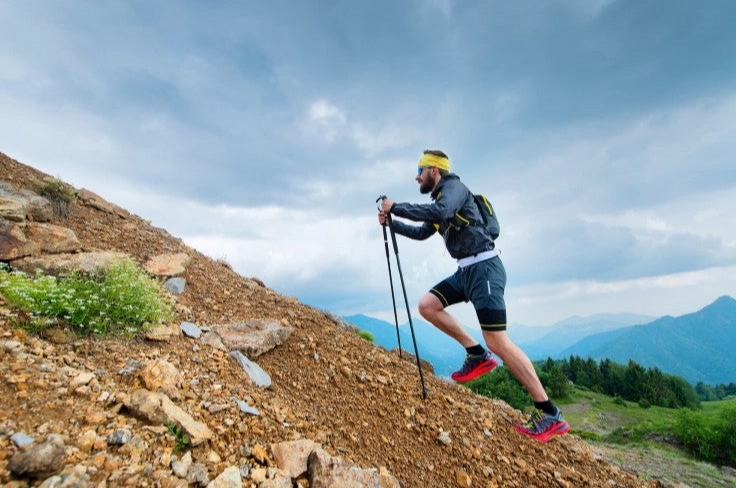
What's Inside This Guide?
- What Hiking Really Is (And Isn't)
- Gear You Actually Need vs. Stuff You Can Skip
- How to Plan Your First Real Hike, Step-by-Step
- Trail Techniques That Save Your Energy (and Knees)
- The Safety Stuff Nobody Talks About Enough
- Ready for More? Next-Level Hiking Skills
- Hiking Right: Leaving No Trace
- Real Hikers, Real Questions
What Hiking Really Is (And Isn't)
At its core, hiking is traveling on foot in natural environments, typically on trails. It's not mountaineering—you don't need ice axes or ropes for a standard hike. It's also distinct from backpacking, which involves carrying overnight gear. Hiking is accessible. The barrier to entry is surprisingly low, which is why it's so popular. A study by the Outdoor Foundation consistently ranks it as one of the most popular outdoor activities in the U.S.
The benefits are more than just physical. Sure, you'll get a great cardio workout and strengthen your legs. But the mental reset you get from a few hours away from screens, the problem-solving of navigating a tricky section of trail, and the simple joy of finding a perfect overlook—that's the real payoff.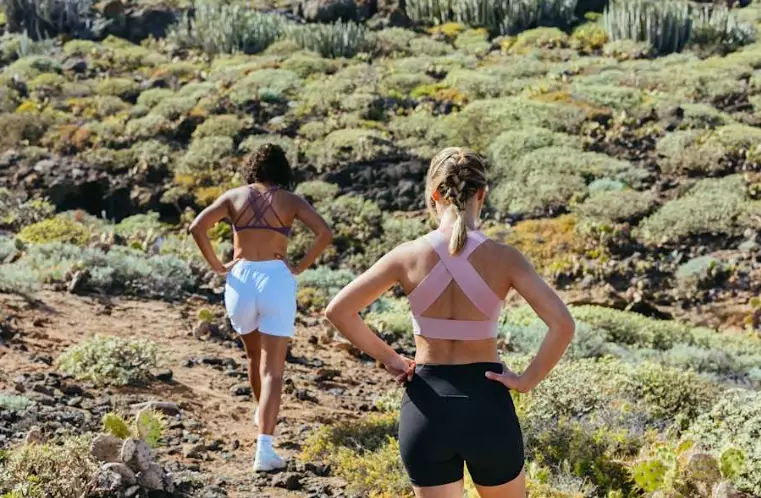
A Quick Comparison: Think of hiking as the broad category. A 2-mile loop on a paved path in a city park is a walk. That same 2-mile loop on a dirt trail with some roots and rocks? That's a hike. A 10-mile journey with significant elevation gain into a wilderness area is a solid day hike. Backpacking starts when you add a tent and sleeping bag to the mix.
Gear You Actually Need vs. Stuff You Can Skip
You can spend a fortune on gear, but you don't need to. For your first few hikes, focus on the essentials. The single most important piece of gear is your footwear. A common mistake beginners make is wearing old running shoes on a rocky, wet trail. They lack grip and ankle support, turning a simple hike into a slip-and-slide adventure.
Here’s a breakdown of the non-negotiable items:
| Item | Why It's Essential | Budget-Friendly Tip |
|---|---|---|
| Footwear | Provides traction, support, and protects your feet from sharp rocks and roots. Blisters can ruin a hike faster than anything. | Look for previous-season models of reputable brands like Merrell or Salomon. You don't need the $200 top-tier boot for beginner trails. |
| Backpack (Daypack) | Carries your water, food, layers, and safety gear. A 20-30 liter pack is perfect for day hikes. | Any sturdy backpack with padded straps will work initially. Prioritize comfort over features. |
| Water & Container | Dehydration leads to fatigue, headaches, and poor decision-making. Plan for at least half a liter per hour of hiking. | Reuse a durable plastic water bottle. Avoid single-use plastic if you can. |
| Navigation | Getting lost is a real risk, even on "well-marked" trails. Phones can die or lose signal. | Download offline maps on your phone (like on Gaia GPS or AllTrails) and carry a simple paper map as a backup. |
Beyond that, clothing matters. Avoid cotton—it holds moisture and can lead to chafing and hypothermia if the weather turns. A synthetic or wool t-shirt, hiking pants or shorts, and a light rain jacket are a great start. I learned the hard way on an early hike in the Blue Ridge Mountains. A sudden afternoon storm soaked my cotton hoodie, and I spent the last hour shivering, a totally preventable misery.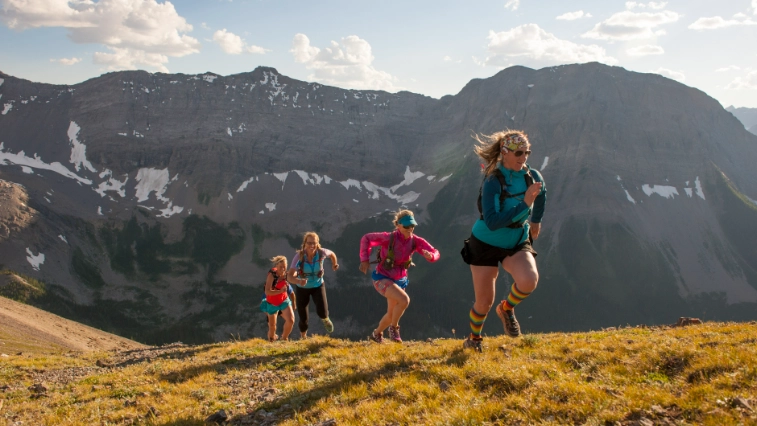
How to Plan Your First Real Hike, Step-by-Step
Planning is what separates a great day out from a stressful one. Don't just pick the most famous trail nearby. Be honest about your fitness level.
- Find a Trail. Use resources like AllTrails or the website of your local national park or state forest. Filter for "easy" or "moderate" and pay close attention to the distance and elevation gain. A 3-mile hike with 500 feet of climb is more challenging than a flat 5-mile walk.
- Check the Weather. Not just for rain, but for temperature swings. Mountain weather is notoriously fickle. A sunny forecast in the valley can mean cold wind and fog at the summit.
- Tell Someone. Always let a friend or family member know where you're going and when you expect to be back. Text them a screenshot of the trailhead location.
- Pack the Night Before. This avoids the frantic morning scramble where you forget your water or snacks.
- Arrive Early. Trailhead parking lots fill up fast, especially on weekends. An early start also means you avoid the midday heat and have more time to enjoy the trail at your own pace.
For a concrete example, let's say you're near a place like Great Smoky Mountains National Park. Instead of jumping on the crowded Alum Cave Trail to Mt. LeConte (11 miles round trip, strenuous), look for something like the Laurel Falls Trail (2.6 miles round trip, easy). It gets you into the forest, to a waterfall, and builds confidence.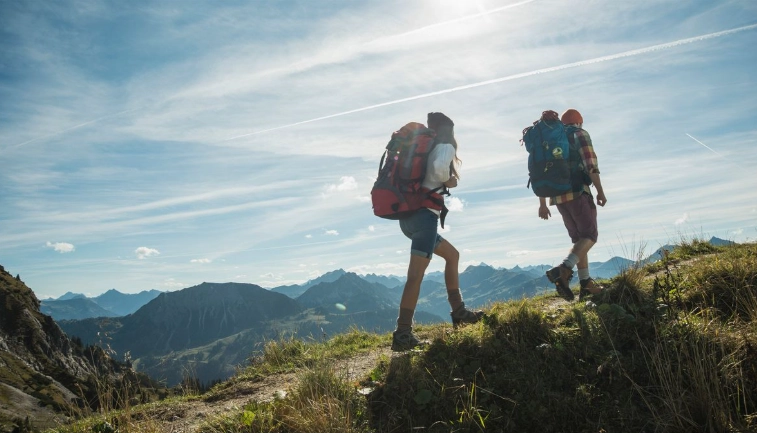
Trail Techniques That Save Your Energy (and Knees)
How you move on the trail makes a huge difference. Most people burn out by powering up hills and then slamming down the other side.
Going Uphill
Shorten your stride. Take smaller, deliberate steps. Lean slightly forward from the ankles, not the waist. Use the "rest step": pause briefly with your weight on your back leg to give your muscles a micro-break with each step. It feels slow, but it's sustainable for long climbs.
Going Downhill
This is where knees get punished. Don't lock your knees. Keep them slightly bent to act as shock absorbers. Take shorter steps and control your speed. If it's steep, zigzag (switchback) across the trail to reduce the angle of descent. Good trekking poles are a game-changer here, taking 20-30% of the impact off your joints.
Pacing is everything. Start slower than you think you need to. A good rule of thumb: you should be able to hold a conversation while hiking. If you're gasping for air, slow down.
The Safety Stuff Nobody Talks About Enough
Safety isn't about fear; it's about preparedness. The "Ten Essentials" list, originally developed by mountaineers, is your blueprint. It's not ten items, but ten systems:
The Ten Essentials (Modern Version): 1. Navigation (map, compass, GPS), 2. Headlamp (plus extra batteries), 3. Sun protection (sunglasses, sunscreen, hat), 4. First aid kit, 5. Knife or multi-tool, 6. Fire (lighter, matches, firestarter), 7. Emergency shelter (a lightweight bivy or space blanket), 8. Extra food, 9. Extra water (and a way to purify more), 10. Extra clothes (an insulating layer and rain gear).
I've only had to dip into my emergency kit once, when a hiking partner twisted an ankle miles from the trailhead. That space blanket and extra food made the wait for help much more manageable. It's not paranoia; it's practical.
Wildlife encounters are rare but possible. Make noise in areas with bears to avoid surprising them. Know how to store your food properly. In most cases, animals want to avoid you as much as you want to avoid them.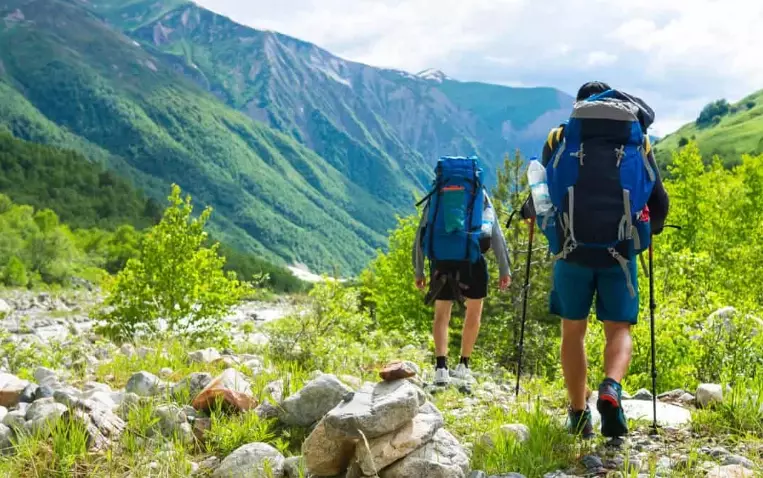
Ready for More? Next-Level Hiking Skills
Once you're comfortable with day hikes, the world opens up.
Navigation Beyond the App
Learn to read a topographic map and use a compass. Your phone is a fantastic tool, but understanding contour lines on a map tells you exactly where the steep climbs are, where water might be, and how to identify your location visually. Take a basic course from an organization like REI or a local outdoor club.
Venturing Into Overnight Backpacking
This is the natural progression. It adds layers of planning—permits, bear canisters, water filtration, and campsite selection. Start with an easy one-nighter close to home before attempting a multi-day epic.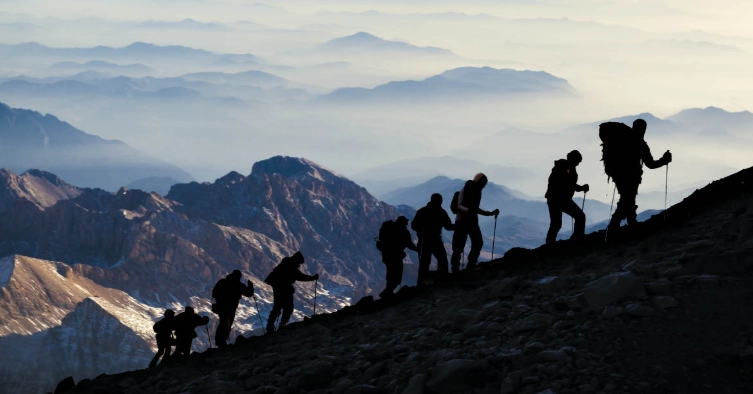
Hiking Right: Leaving No Trace
This is the industry's hot topic for a reason. With more people on the trails, our impact multiplies. Sustainable hiking isn't optional; it's a responsibility. Follow the seven Leave No Trace principles:
- Plan ahead and prepare.
- Travel and camp on durable surfaces (stay on the trail!).
- Dispose of waste properly (pack out ALL trash, including toilet paper).
- Leave what you find (no picking flowers or moving rocks).
- Minimize campfire impacts.
- Respect wildlife.
- Be considerate of other visitors.
That social media photo of someone standing on a fragile meadow for the perfect shot? Don't be that person. Staying on the trail, even when it's muddy, prevents erosion and protects plant life.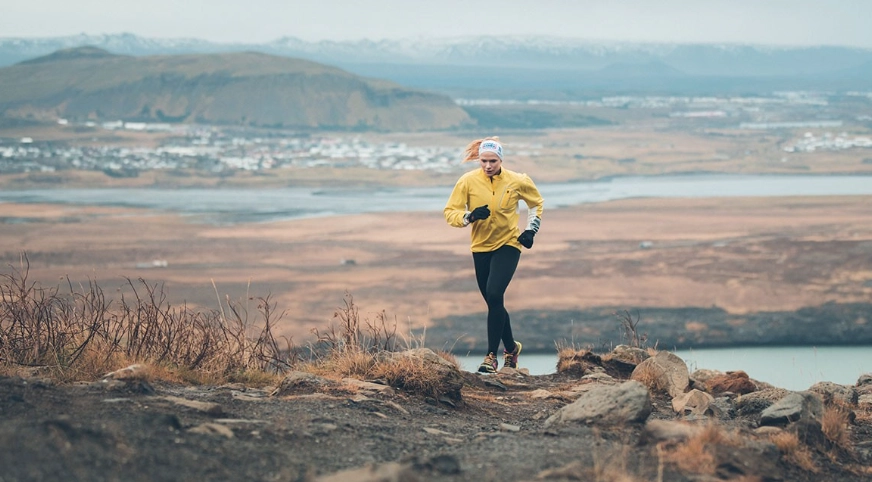
Real Hikers, Real Questions
Is it safe for me to go hiking alone as a beginner?
I generally advise against solo hiking until you have more experience and confidence in your navigation and judgment. If you do go alone, stick to very popular, well-marked, short trails. Always over-communicate your plans. The risk isn't just getting lost; it's having no one to help if you sprain an ankle. Build skills with a partner or group first.
My knees hurt on downhills. Are trekking poles worth the hassle?
Absolutely, 100%. This is the number one piece of advice I give to hikers of any age complaining about knee pain. They provide stability on uneven ground and, most importantly, transfer significant impact from your knees to your arms and shoulders. Start with adjustable poles and learn the basic technique—plant the pole opposite your forward foot. The learning curve is short, the benefit is massive.
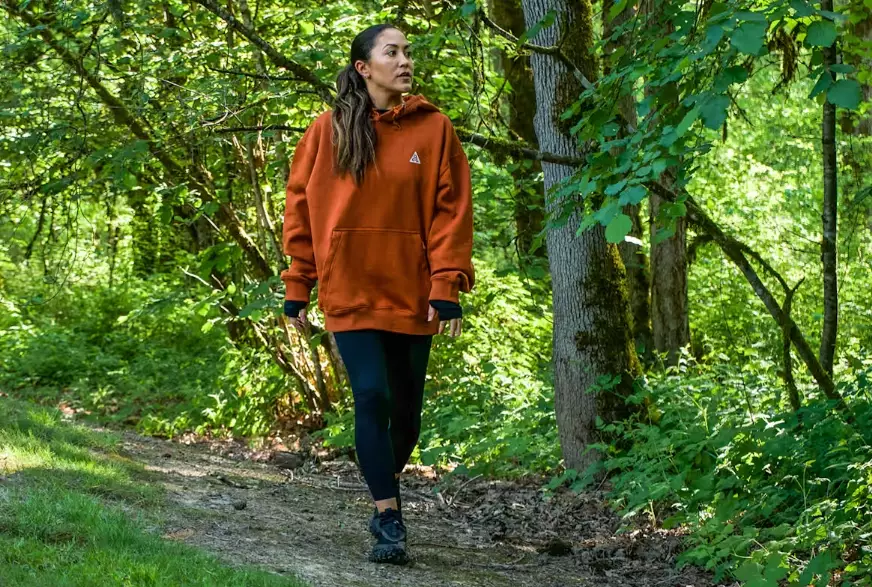 How do I find hiking partners or groups?
Check Meetup.com for local hiking groups—there are often beginner-focused ones. Your local outdoor retailer (like REI) hosts classes and group outings. Facebook groups for your area's hiking community can also be a great resource. Be clear about your experience level when joining a group to ensure you pick an appropriate hike.
What's the biggest mistake you see experienced hikers make?
Complacency. They skip checking the weather because "they know the trail." They leave the rain jacket behind on a "sunny" day. They push the pace too hard early on and bonk later. The mountains don't care how many miles you've logged. Respect the basics—weather, the ten essentials, pacing—every single time you go out.
Can I start hiking with young kids? How?
Yes! It's fantastic for them. The key is to manage expectations—yours and theirs. Choose a trail under a mile with a fun destination like a stream, pond, or big rock. Let them set the pace, stop to look at bugs and leaves, and bring tons of snacks. The goal isn't distance; it's a positive experience in nature. A "hike" with a toddler might be 200 yards into the woods for a picnic.
The trail is waiting. It doesn't require you to be an athlete or an expert. It just asks for a little preparation and respect. Lace up those shoes, grab some water, and take that first step. The view from the other side of your comfort zone is always worth it.