Let's cut to the chase. Talking about the world's highest mountain peaks isn't just about listing altitudes. It's about understanding what it actually takes to get there—the logistics, the cost, the hidden challenges, and the very real difference between a postcard dream and a viable climbing plan. Having spent over a decade on slopes from the Andes to the Himalayas, I've seen too many people focus solely on the summit photo, missing the critical, gritty details that define success or failure. This guide is for anyone who's ever looked at a peak and wondered, "Could I?" We'll move past the generic facts and into the actionable, often overlooked specifics you need to know.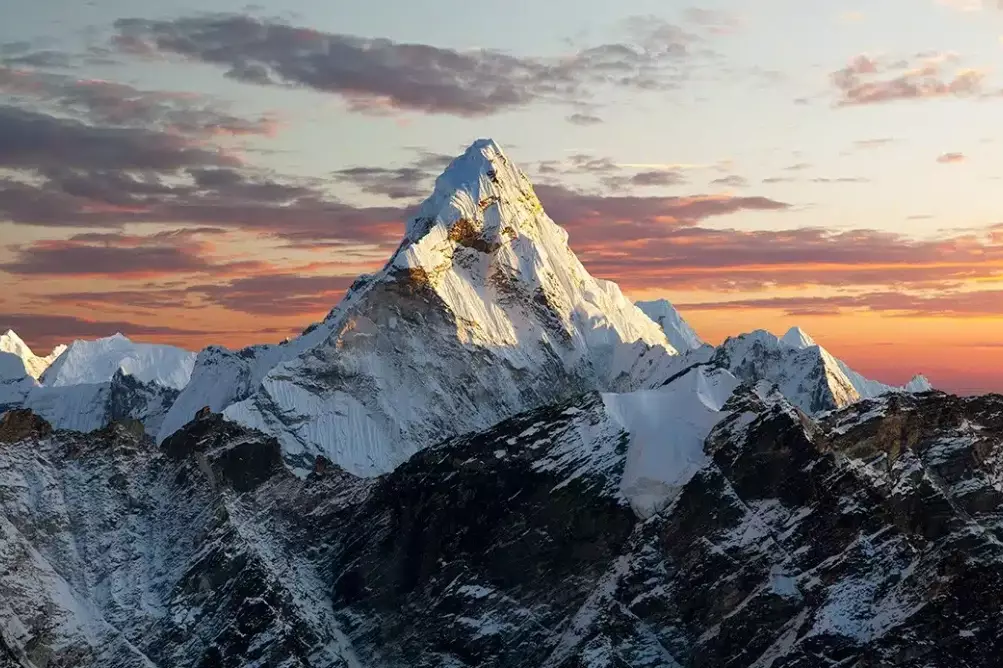
Your Summit Journey Starts Here
What Are the World's Highest Mountain Peaks?
When we say "highest," context is everything. Are we talking elevation above sea level? Prominence? Technical difficulty? For most, the list starts with the Seven Summits—the highest peak on each continent. But that's just one lens. The Himalayan and Karakoram ranges hold all 14 peaks above 8,000 meters (26,247 feet), known as the "Eight-thousanders." These are the planet's ultimate climbing objectives.
Here’s a practical look at the most famous ones, not just as points on a map, but as destinations with real-world access and requirements.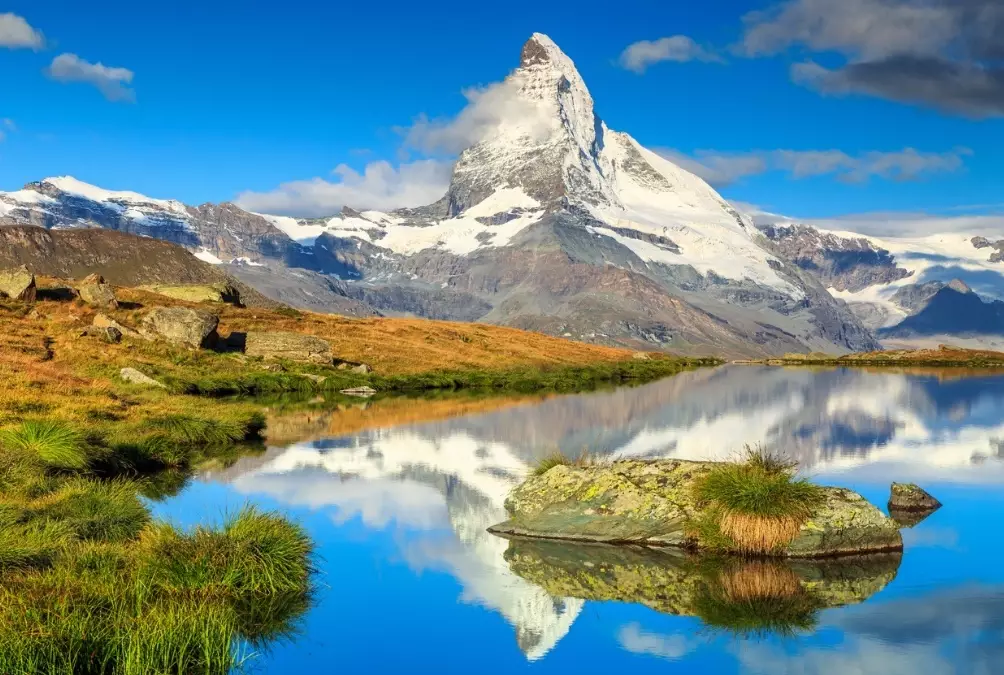
| Peak Name | Height (meters / feet) | Mountain Range | Continent / Location | First Ascent | Key Note for Climbers |
|---|---|---|---|---|---|
| Mount Everest | 8,848.86m / 29,031.7ft | Mahalangur Himal, Himalayas | Asia (Nepal/China border) | 1953 (Hillary & Norgay) | Commercial expeditions standard; requires significant high-altitude experience. |
| K2 | 8,611m / 28,251ft | Karakoram | Asia (Pakistan/China border) | 1954 (Compagnoni & Lacedelli) | Considered more technically difficult and dangerous than Everest; far less crowded. |
| Kangchenjunga | 8,586m / 28,169ft | Himalayas | Asia (Nepal/India border) | 1955 (Brown & Band) | Respect for local culture means most expeditions stop short of the true summit. |
| Denali (Mount McKinley) | 6,190m / 20,310ft | Alaska Range | North America (USA, Alaska) | 1913 (Stuck & team) | Extreme cold and weather; requires glacier travel and sled hauling skills. |
| Aconcagua | 6,961m / 22,837ft | Andes | South America (Argentina) | 1897 (Zurbiggen) | Highest outside Asia; a major "walk-up" peak but still a serious high-altitude test. |
| Mount Kilimanjaro | 5,895m / 19,341ft | - | Africa (Tanzania) | 1889 (Meyer & Purtscheller) | Non-technical trek to the summit, but altitude sickness is a very common challenge. |
| Mont Blanc | 4,808m / 15,774ft | Europe (France/Italy border) | 1786 (Paccard & Balmat) | Birthplace of modern alpinism; requires glacier and rock climbing skills; popular and can be crowded. |
This table isn't just data. It's a starting point for research. Notice how "height" doesn't correlate with "difficulty." K2 is shorter than Everest but vastly more lethal. Denali's latitude makes its cold rival any Himalayan giant.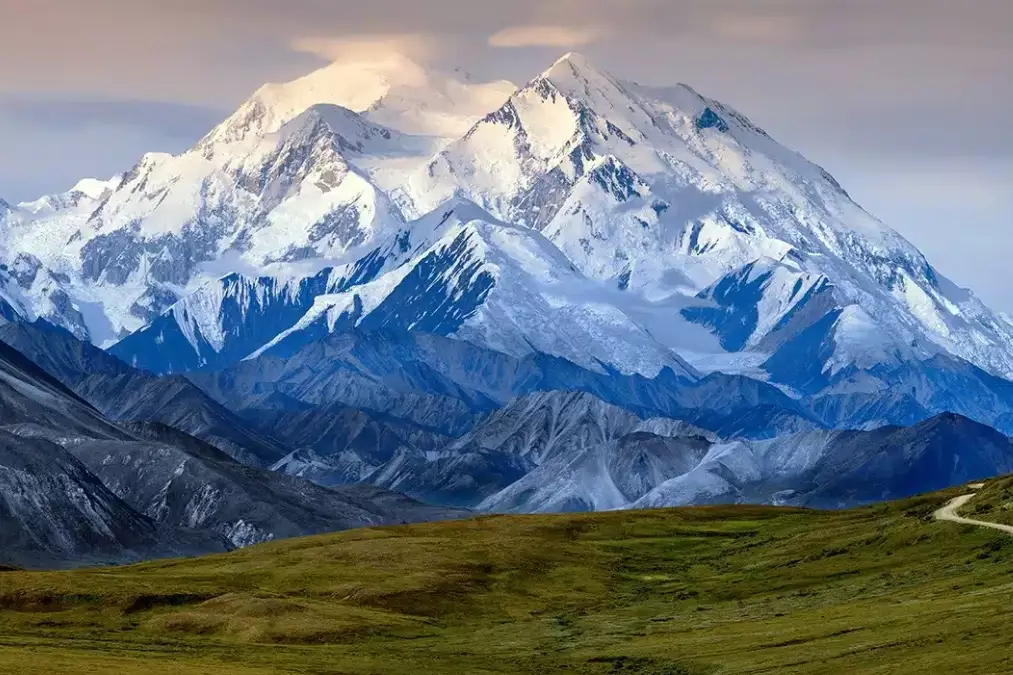
Mount Everest: Beyond the Headlines
Everest is the icon. But the public image is a mess of overcrowding stories and Instagram posts. Let's talk logistics.
You have two main routes: the Southeast Ridge from Nepal and the North Ridge from Tibet. The south side is more popular, with services centered in Namche Bazaar and the Khumbu Icefall being the first major obstacle. The north side is generally colder, windier, and has a longer summit ridge but avoids the Icefall.
What Does It Really Cost and Require?
A standard guided commercial expedition from the south side in Nepal will run between $45,000 and $75,000 USD. This includes the climbing permit from the Nepal government (around $11,000), logistics, Sherpa support, food, and base camp tents. The north side in Tibet can be slightly cheaper, but political access changes frequently.
Beyond money, you need a resume. Reputable operators require proof of prior high-altitude experience, like summiting another 7,000m or 8,000m peak. You don't just show up. The process involves months of acclimatization rotations on the mountain itself, moving between Base Camp (5,364m), Camp 1, Camp 2, Camp 3, and Camp 4 before a summit push.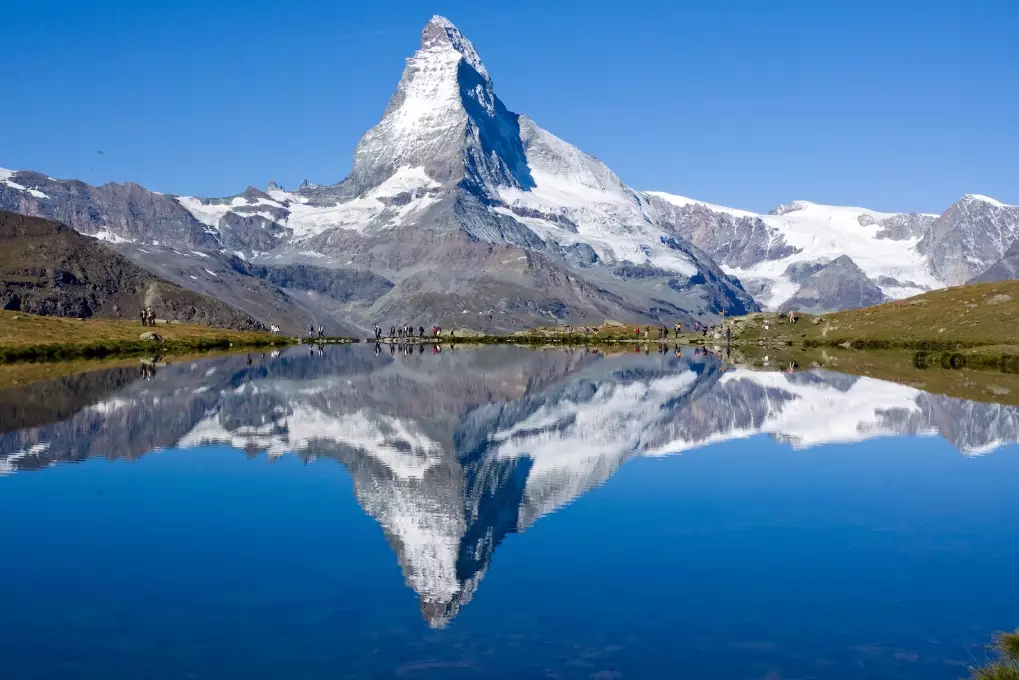
My Take: The biggest mistake I see isn't physical. It's mental and logistical. People obsess over training for the Death Zone (above 8,000m) but underestimate the grueling, boring, and critical weeks spent acclimatizing lower down. They also forget that summit day often starts near midnight, climbing for 12+ hours in the dark on oxygen-deprived autopilot. Your training needs to simulate exhaustion, not just strength.
Other Iconic Giants: K2, Denali, and More
If Everest is the marathon, K2 is the ultra-marathon with technical climbing sections. Its reputation as the "Savage Mountain" is earned. The Bottleneck, a steep couloir of hanging seracs, is one of the most dangerous passages in all of mountaineering. There are no fixed lines for much of the route like on Everest. Logistics are harder, with a longer trek in to the remote Concordia area in Pakistan. The success rate is significantly lower, and the climbers you meet there are usually elite alpinists, not clients on a guided package.
Denali in Alaska is a different beast. It's the highest peak in North America and feels like a polar expedition. You're hauling a sled with all your supplies for up to three weeks on the West Buttress route (the most popular). Temperatures can plunge below -40°C (-40°F) with wind chill. The National Park Service requires climbers to register and demonstrate specific skills, like crevasse rescue. You can't buy a "full-service" guide here like on Everest; you need to be a competent expedition member.
Then there's Aconcagua in Argentina. It's often called the highest trekking peak, which is dangerously misleading. While the Normal Route doesn't require ropes for most, the altitude is brutal, and weather on the summit ridge can be ferocious. It's an excellent first step into real high-altitude expedition climbing, but it demands respect. Permits are required and vary in cost depending on the season.
The Seven Summits: A Realistic Blueprint
The challenge to climb the highest peak on each continent is a famous mountaineering goal. But the list has two interpretations: the Bass List (includes Kosciuszko for Australia) and the Messner List (includes Carstensz Pyramid in Oceania). Most serious climbers aim for the Messner list, as Carstensz (4,884m) in Indonesia is a technical rock climb, while Kosciuszko (2,228m) is a gentle hike.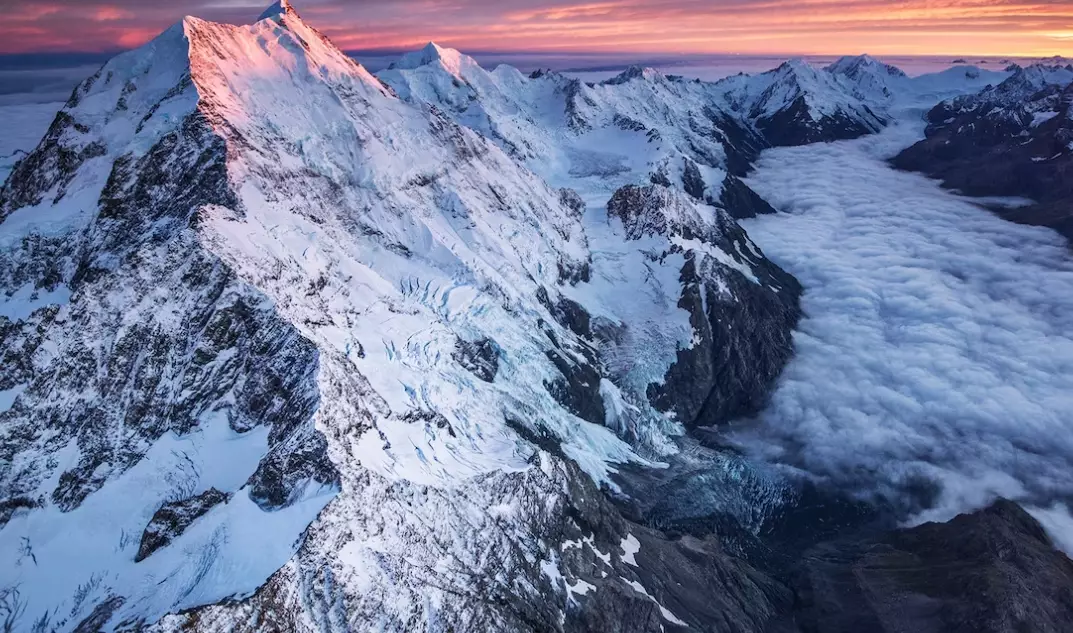
Here’s a potential progression, thinking like a strategist, not a tourist:
Start with Kilimanjaro or Elbrus. Kilimanjaro (Africa, 5,895m) tests your body's reaction to altitude on a non-technical path. Mount Elbrus (Europe, 5,642m) in Russia introduces basic glacier travel and crampon use. Both are serious undertakings but don't require prior climbing skills.
Move to Denali or Aconcagua. These are your first true expeditions. They teach cold-weather camping, load hauling, and longer-term altitude management. Denali is more technically demanding with crevasse navigation.
Tackle the Himalayan Peaks. This is where you build your 8,000m resume. Peaks like Island Peak (6,189m) in Nepal or Lobuche East (6,119m) are common training grounds. Then, climbers often attempt an "introductory" 8,000m peak like Cho Oyu (8,188m), the sixth highest, before considering Everest.
Carstensz Pyramid and Vinson Massif are often slotted in based on logistics and funding. Vinson (Antarctica, 4,892m) is less about technical difficulty and more about the extreme cost and logistics of getting to Antarctica.
The entire endeavor can take years and cost well over $250,000. It's a life project.
How to Prepare for a Major Mountain Climb
Training for Everest or Denali isn't about getting "jacked." It's about endurance, cardio at threshold, and functional strength. Think weighted step-ups for hours, not heavy bench presses.
Financial Preparation: Budget beyond the expedition fee. Factor in international flights, gear (a high-quality down suit, boots, and oxygen system can cost thousands), insurance (specialized evacuation insurance is mandatory), and time off work (a full Everest expedition can take two months).
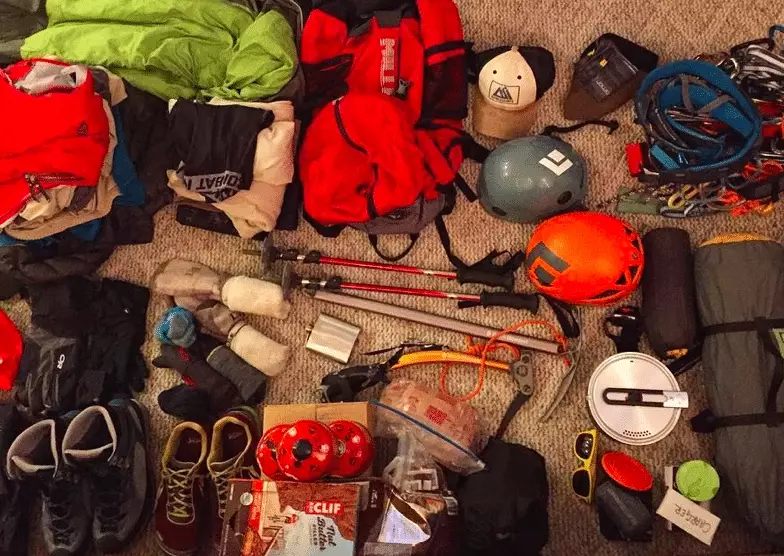
Gear: Don't buy the cheapest, but you don't need the most expensive. Focus on reliability in critical items: boots, harness, layering system. Rent where you can (like a high-altitude suit) for your first major climb. I've seen people spend a fortune on gear only to realize they hate expedition life.
Permits and Logistics: This is where guide services earn their keep. For independent climbers, navigating the permit systems of Nepal's Department of Tourism or Argentina's Aconcagua Provincial Park is a job in itself. Regulations change. Use official government sites for the most current info.
Your Mountain Climbing Questions Answered
It's the cumulative decision fatigue and the psychological toll of the Khumbu Icefall. Everyone talks about the summit day and the Death Zone. But weeks before that, you must pass through the Icefall dozens of times during acclimatization. It's a constantly shifting maze of giant crevasses and seracs that can collapse without warning. The mental energy of hyper-vigilance every single time, knowing the risk, wears you down in a way pure altitude doesn't. Also, the boredom and discomfort of living at Base Camp for a month can mess with your head more than you'd think.
Directly to Everest or Denali? Absolutely not, and any company that suggests otherwise is dangerously irresponsible. However, a beginner can absolutely start the journey. The path begins with learning basic mountaineering skills on smaller, non-technical peaks like Mount Rainier in the US or taking a course in the Alps. Then, progress to guided climbs on peaks like Ecuador's Cotopaxi or Mexico's Pico de Orizaba. These are serious, glaciated volcanoes that teach essential skills with professional guidance. "Beginner" mountains exist, but they are stepping stones, not the final destination.
 How do you choose a reputable guide service for an 8,000m peak?
Look beyond the flashy website and summit photos. First, check their safety record and guide-to-client ratio (1:2 or 1:3 is good for high altitude; 1:1 is premium). Second, demand to speak directly with the lead guide who will be on the mountain. Ask specific questions about their emergency protocols, oxygen systems (brand, flow rates, backup plans), and their policy on turning clients around. Third, scour forums like SummitPost or the American Alpine Club publications for unbiased reports. Finally, a huge red flag is a company that doesn't rigorously vet your experience. If they accept anyone with a check, they prioritize profit over safety.
You can't prevent it entirely—genetics play a role—but you can manage it aggressively. The gold standard is gradual ascent and proper acclimatization. The "climb high, sleep low" principle works. Pharmacological aids like Acetazolamide (Diamox) can help, but they're a supplement, not a substitute for time. The most common mistake is ascending too fast because you feel good. I've seen incredibly fit athletes get hit hard because they pushed the schedule. Listen to your body, not your ego. A good guide service will have built-in acclimatization days and monitor clients closely. If symptoms of severe AMS, HAPE, or HACE appear, the only cure is immediate descent.