When someone says they're going backpacking, it's not just about throwing stuff in a bag and leaving. Go backpacking means embracing a style of travel that's independent, budget-conscious, and immersive. It's about hitting the road with a backpack, often for extended periods, to explore places deeply rather than ticking off tourist traps. I remember my first trip: two months in Southeast Asia with a 40-liter pack, and it changed how I see travel forever.
Quick Jump to What Matters
- What is Backpacking? A Definition Beyond the Dictionary
- The Backpacker's Mindset: Freedom, Flexibility, and Frugality
- How to Plan a Backpacking Trip: From Dream to Reality
- Essential Gear for Backpacking: My Top Picks After 10 Years
- Common Mistakes New Backpackers Make (And How to Avoid Them)
- FAQ: Your Burning Questions About Backpacking
What is Backpacking? A Definition Beyond the Dictionary
Backpacking is a form of low-cost, independent travel. You carry your belongings in a backpack, stay in hostels or campsites, and move from place to place without a fixed itinerary. It's common in regions like Europe, Southeast Asia, and South America. But here's the thing: it's not just for students or gap-year kids. I've met retirees backpacking through national parks in the US, proving age is no barrier.
The essence? Immersion. Unlike a packaged tour, backpacking lets you interact with locals, try street food, and adapt plans on the fly. It's about the journey, not just the destination. A study by the Adventure Travel Trade Association highlights that backpackers often seek authentic experiences over luxury.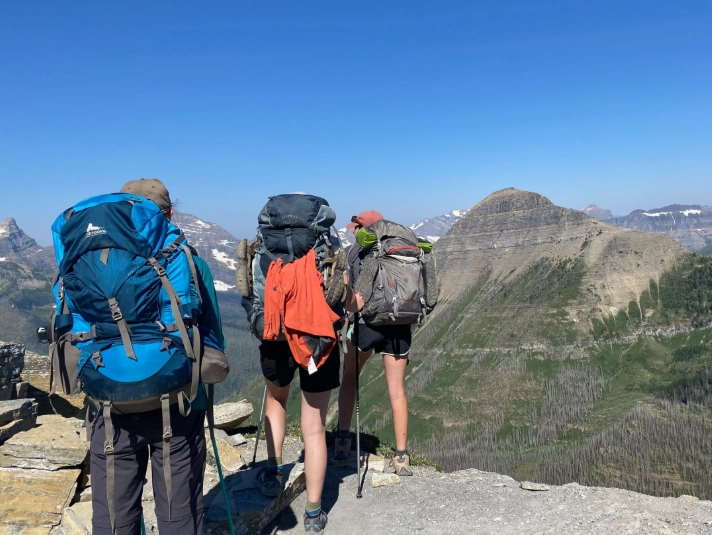
Backpacking vs. Other Forms of Travel
People confuse backpacking with hiking or vacationing. Hiking involves trekking in nature, often overnight, while backpacking can include cities and cultures. Vacationing might mean resorts; backpacking means hostels. Think of it as a spectrum: on one end, luxury travel; on the other, rugged backpacking. Most of us fall somewhere in between.
The Backpacker's Mindset: Freedom, Flexibility, and Frugality
Backpacking isn't just about gear; it's a mindset. Freedom to change plans when you hear about a hidden waterfall. Flexibility to take a local bus instead of a flight. Frugality not as cheapness, but as smart spending—like cooking in hostel kitchens to save money for a splurge on a local guide.
I learned this in Peru. My plan was to hike Machu Picchu, but a fellow backpacker suggested the Salkantay Trek instead. It was cheaper, less crowded, and more rewarding. That spontaneity defines backpacking.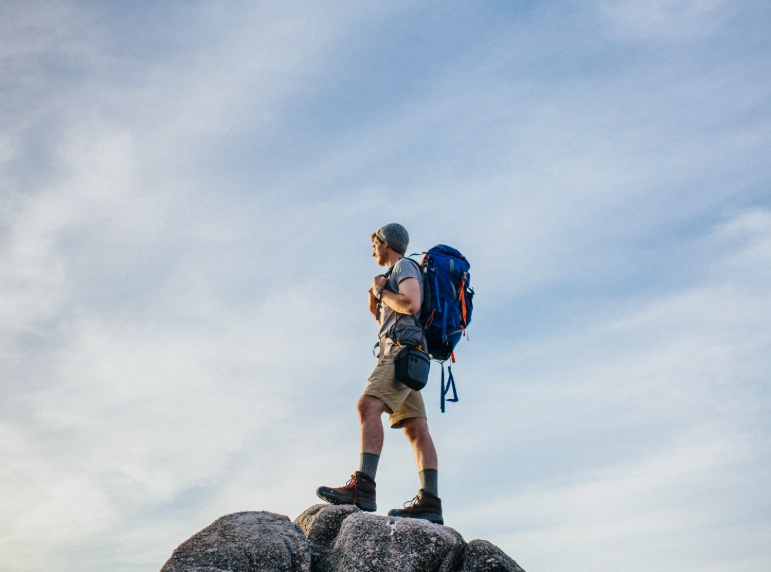
Pro tip: Embrace discomfort. Backpacking means sometimes sleeping in noisy dorms or dealing with delays. But those moments often lead to the best stories—like that time I got lost in Tokyo and ended up at a tiny ramen shop run by a grandmother.
How to Plan a Backpacking Trip: From Dream to Reality
Planning a backpacking trip can feel overwhelming, but break it down. Here's a step-by-step guide based on my own mishaps and successes.
Step 1: Choosing Your Destination
Pick a region that matches your interests and budget. Southeast Asia is popular for beginners due to low costs and well-trodden routes. Europe offers culture but can be pricier. Consider factors like season—monsoon in India might ruin plans. I use resources like Lonely Planet for inspiration, but also check government travel advisories for safety.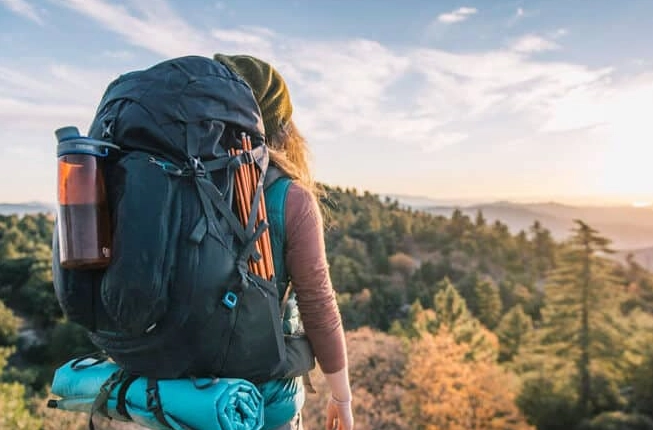
Step 2: Budgeting and Saving
Budget is key. A rough estimate: in Southeast Asia, $30-50 per day covers hostels, food, and transport. In Europe, it might be $50-80. Save by cutting daily expenses back home. I set up a separate savings account and automated deposits. Don't forget insurance—World Nomads is a reliable option for backpackers.
Step 3: Packing Smart (Not Heavy)
Packing is an art. Start with a backpack around 40-60 liters. Use a packing list, but be ruthless. I once brought three pairs of jeans to Central America and never wore them—too hot! Stick to lightweight, quick-dry fabrics. Roll clothes to save space. And always leave room for souvenirs.
Here's a hypothetical scenario: You're planning a 3-month backpacking trip through Thailand, Vietnam, and Cambodia. Flights from the US might cost $800-1200. Hostels average $10-15 per night. Food: $5-10 per day for street eats. Total budget? Around $3000-5000, excluding splurges. It's doable with planning.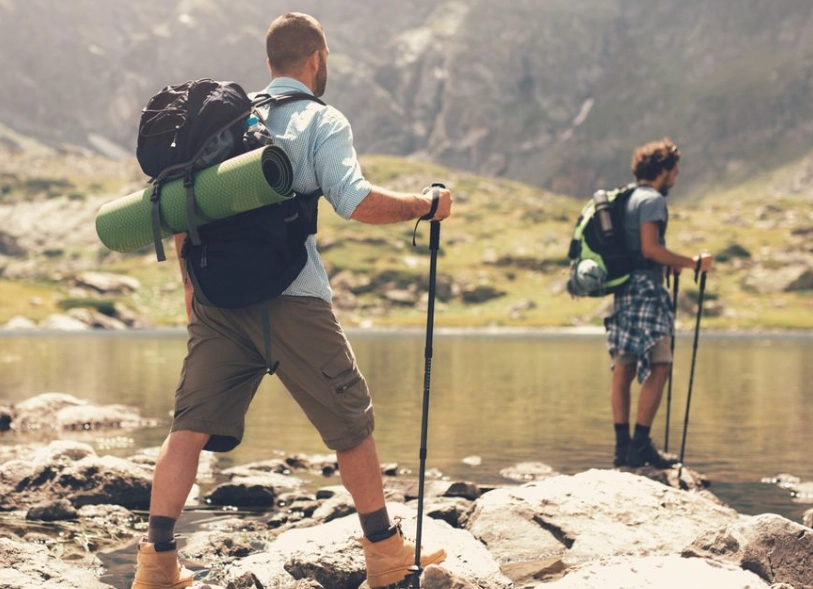
Essential Gear for Backpacking: My Top Picks After 10 Years
Gear can make or break a trip. After a decade of backpacking, here's what I swear by. Avoid overbuying; focus on multi-use items.
| Item | Why It's Essential | My Recommendation |
|---|---|---|
| Backpack | Carries everything; fit is crucial to avoid back pain. | Osprey Farpoint 40—comfortable and airline-friendly. |
| Sleeping Bag | For hostels or camping; choose based on climate. | Marmot Trestles 30—versatile for most conditions. |
| Travel Towel | Quick-dry and compact; hostels often charge for towels. | Sea to Summit Tek Towel—lightweight and absorbent. |
| Power Bank | Keeps devices charged on long bus rides or hikes. | Anker PowerCore 10000—reliable and small. |
| First-Aid Kit | For minor injuries; includes bandages and meds. | Adventure Medical Kits Ultralight—comprehensive. |
Notice I didn't list fancy gadgets. A smartphone with offline maps does most jobs. And always pack a reusable water bottle—places like RefillMyBottle help find refill stations globally.
Common Mistakes New Backpackers Make (And How to Avoid Them)
We all mess up. Here are pitfalls I've seen, including my own.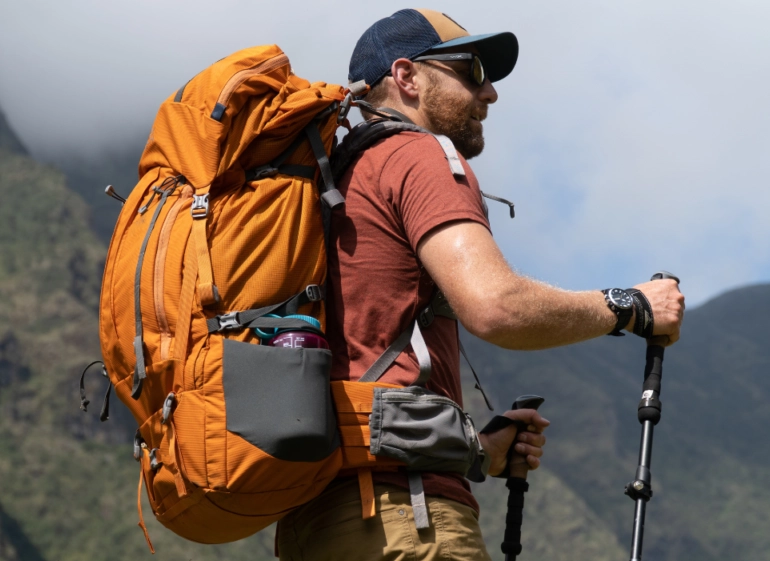
Overplanning: Booking every hostel in advance kills spontaneity. Leave gaps. On my Europe trip, I had every night booked, but missed a festival in Berlin because I couldn't change plans. Now, I book only the first few nights.
Underestimating costs: Hidden expenses add up—like visa fees or local taxes. Research thoroughly. For example, Vietnam requires a visa that costs around $25, often overlooked.
Ignoring local customs: Dress appropriately in temples or conservative areas. I learned this in Myanmar when I wore shorts to a pagoda and got turned away. Respect goes a long way.
Packing fears: Bringing too much "just in case" stuff. That extra jacket? Probably unnecessary. Use a packing cube system to organize and limit items.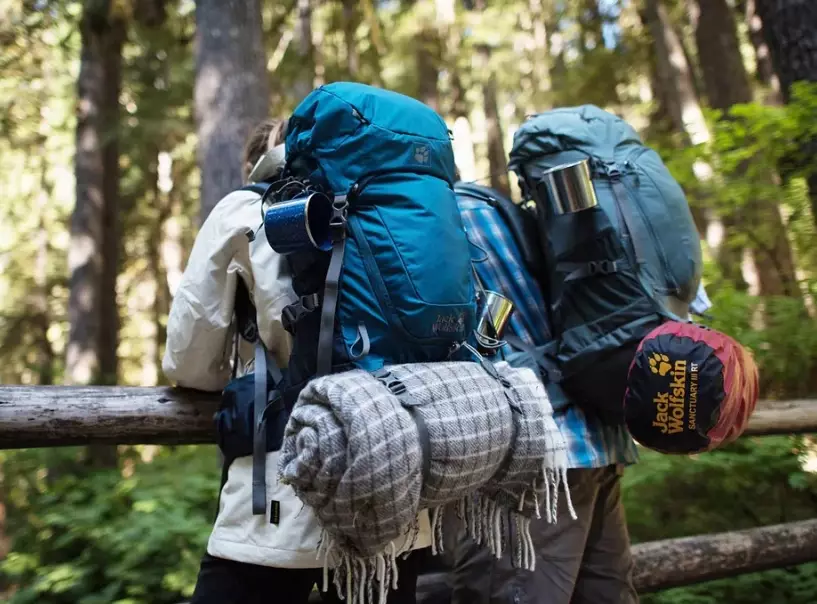
FAQ: Your Burning Questions About Backpacking
Backpacking is more than a trip; it's a way to see the world raw and real. Whether you're dreaming of the Inca Trail or Bangkok's streets, start small, pack light, and embrace the unknown. I still get nervous before every journey, but that's part of the thrill. Go backpacking means stepping out of comfort zones—and often, finding yourself along the way.