Let's be honest. You've been hitting the gym, maybe even building some decent grip strength, but you're still stuck on the same grade. Your arms pump out long before your legs feel tired. Sound familiar? That's the classic signal your climbing technique needs work, not your muscles. Improving your technique is the single most effective way to climb harder, more efficiently, and with less risk of injury. It's the difference between muscling your way up a wall and dancing up it. This guide cuts through the generic advice and gives you the actionable, nuanced details that actually make a difference.
What You'll Learn in This Guide
Footwork: The Non-Negotiable Foundation
Everyone says "use your feet," but what does that actually mean? It's not just standing on holds. It's about precision, pressure, and trust.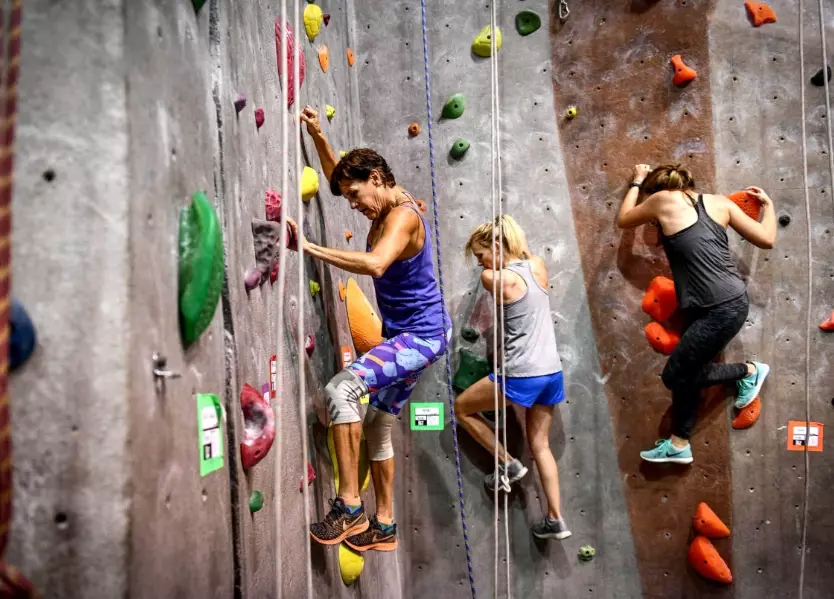
Here's the subtle error I see all the time: climbers look at their foot for a split second, place it roughly on a hold, and immediately look up, shifting their weight before the foot is truly settled. That foot is now just a vague suggestion to your body, not a solid platform.
The Silent Stare Drill
Try this next session. When you place a foot, look at it for one full second after it makes contact. Don't just glance. Stare. Be intentional about the exact part of your shoe rubber you want on the exact part of the hold. Press down gently through your big toe, feeling the hold's texture. Only then look away. This one-second pause builds neural pathways for precision. It feels awkward at first, then it becomes automatic.
Inside vs. Outside Edge
Your climbing shoe isn't a flat plank. The inside edge (the side near your big toe) is for precision and turning your knee in. The outside edge (little toe side) is for creating opposition and reaching when your body is flagged out. A common mistake is using the smeary, middle part of the shoe for everything on small edges. You lose all your power. For small footholds, think "point and press" with a specific edge.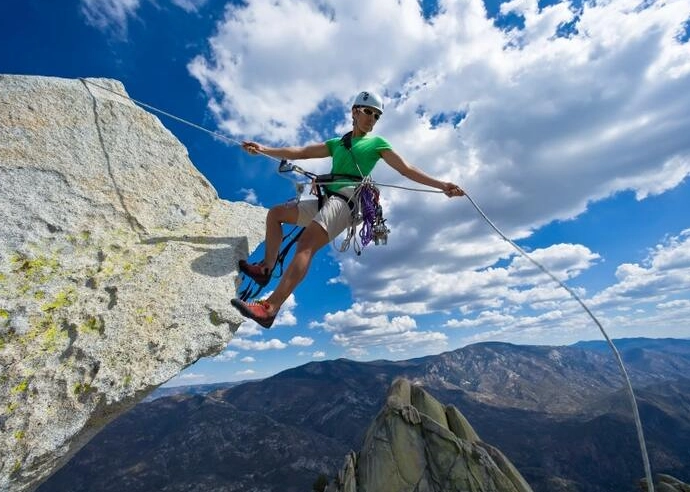
Body Positioning and Center of Mass
Technique is largely about managing your center of mass (roughly your belly button) relative to your points of contact. The goal is to keep your weight over your feet as much as humanly possible.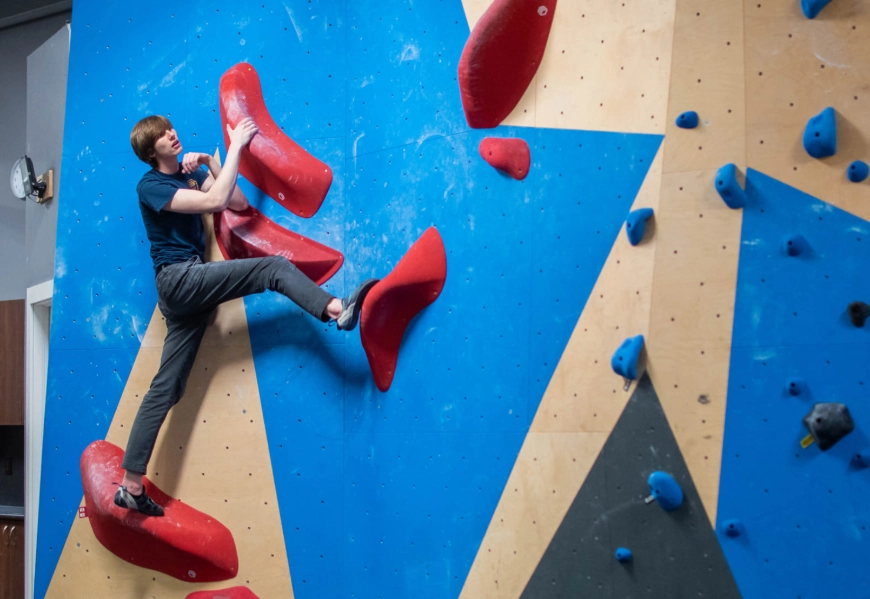
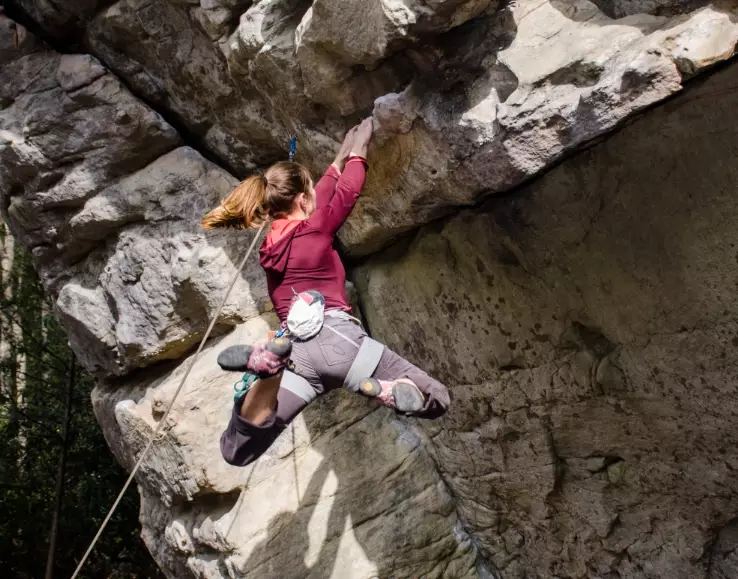
The backstep is a perfect example. Instead of facing the wall with your right foot on a hold, rotate your hip and place the outside edge of your right shoe on the hold, turning your right knee away from the wall. This pulls your hip—and thus your center of mass—in towards the wall, creating a much more stable and energy-efficient position than a front-on stance. It feels exposed at first, but it's a game-changer.
Hips to the Wall
On vertical or slab terrain, the mantra is "hips in." If your butt is sagging away from the wall, your arms are doing all the work to pull you in. Engage your core to stick your hips close to the rock. On overhangs, the rule flips: you often need to drop your hips or "sit" into a position to extend your reach and find rest.
Let's put some of these concepts together. Below is a breakdown of common body positions and their primary uses.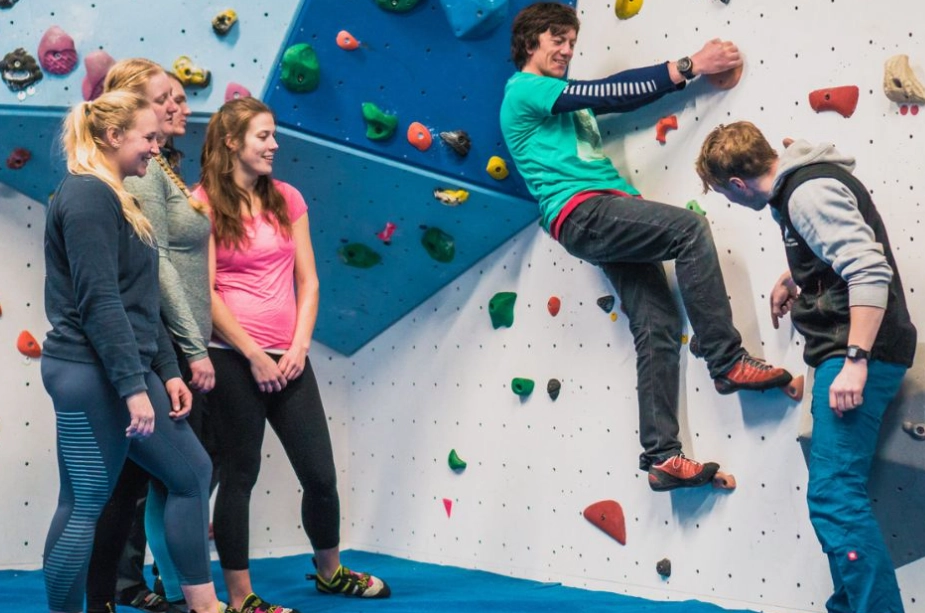
| Position Name | How It Looks | Best Used For | Common Mistake |
|---|---|---|---|
| Backstep | Outside edge on hold, knee pointed outwards. | Reaching up and across with the opposite hand; maintaining balance on a sidepull. | Not rotating the hip enough, making it an awkward front-step. |
| Flagging | One leg extended out to the side, not on a hold. | Preventing your body from barn-dooring (swinging out) when holds are in a line. | Letting the flagging leg dangle passively. Keep it slightly tense for counter-pressure. |
| Drop Knee | Deep inside edge, knee rotated down and inward. | Extreme hip rotation on steep terrain to bring shoulder close to the wall. | Forcing it on a bad hold and popping a foot. It requires a decent foothold. |
| High Step | Foot brought up near chest or higher. | Making a big move up to a poor handhold, allowing you to stand up. | Forgetting to shift weight completely over the high foot before standing up. |
Specific Drills to Cement Good Technique
Reading is one thing, doing is another. You need to wire these movements into your muscle memory. Don't just climb—climb with a constraint.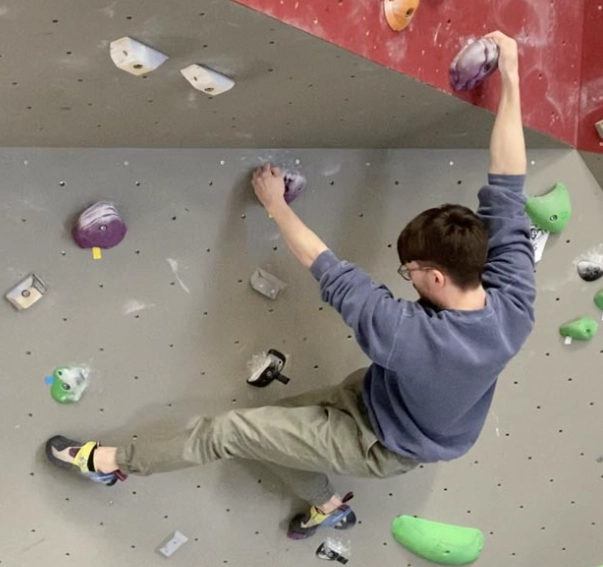
- The Quiet Feet Game: Climb an easy route. Every time your foot makes an audible "thud" or scrapes loudly, you must downclimb one move and restart from there. This forces deliberate, silent placement.
- Three-Touch Rule: For each handhold, you are only allowed to grab it once. No readjusting your grip. If your hand slips off, you fall. This teaches commitment and accurate hand placement from the start.
- Elimination Bouldering: Pick a color of hold on a spray wall or a circuit. You can only use holds of that color for feet, forcing you to use terrible, tiny, or awkwardly placed footholds. Your footwork will adapt quickly under pressure.
I spent a month doing one "quiet feet" lap as my warm-up every session. The improvement in my foot placement confidence was more dramatic than any hangboard cycle I'd done.
The Often-Ignored Mental Game
Technique isn't just physical. Your brain can be your biggest limiter. Fear of falling, even just a few feet off the ground bouldering, makes you tense up. Tense climbers have terrible technique—they grip too hard, move jerkily, and forget to breathe.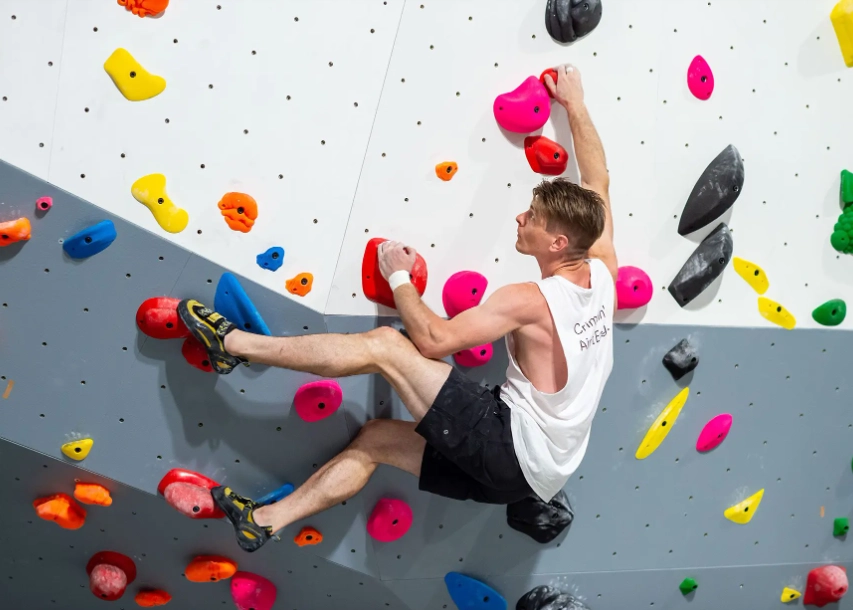
Practice deliberate falls. On a top-rope, after clipping a bolt, let go. Get used the sensation. On a boulder, climb two moves up on an easy problem and jump off. Do it five times. Remove the mystery. When you're not afraid of the consequence, you can focus on the movement. Resources from the American Alpine Club often discuss the psychology of climbing and risk management, which is foundational to performing technically.
Another mental hack: climb with your eyes. Before you move, trace the exact path your hand or foot will take through the air to the hold. Visualize the movement. This pre-programming reduces hesitation, which is a major energy drain.