Quick Navigation
Let's talk about one of the most jaw-dropping drives in America. You've probably seen pictures—a ribbon of pavement winding above the treeline, views that stretch forever, and the feeling of being on top of the world. That's Trail Ridge Road in Rocky Mountain National Park. But what exactly makes this road so special, and more importantly, how do you actually plan a trip to drive it without any headaches?
I remember my first time. I rolled up in a rented sedan, full of excitement, and completely underestimated everything. The altitude hit me like a ton of bricks, I missed half the good pull-offs because I didn't know where they were, and I spent way too much time stuck behind a slow-moving RV. It was still incredible, don't get me wrong, but I could have done it better. This guide is everything I wish I'd known before I went.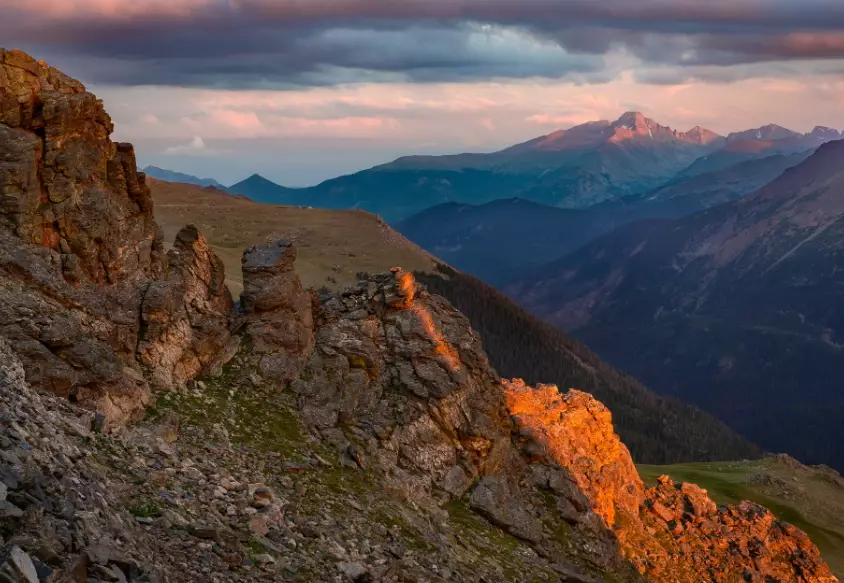
The Core Facts: Trail Ridge Road is the highest continuous paved road in the United States, cresting at 12,183 feet. It's not just a way to get from the park's east side (Estes Park) to the west side (Grand Lake)—it's the main attraction itself. The road is typically open from late May/early June through mid-October, but that's just the start of the story.
When Can You Actually Drive Trail Ridge Road?
This is the million-dollar question. You can't just show up any day of the year. The road is closed through the winter and spring due to massive snowpack. The opening is a big deal, and it depends entirely on the snowplow crews of the National Park Service. They have to clear snow that can be over 20 feet deep in some spots.
The official Trail Ridge Road status page on the NPS website is your bible for this. Bookmark it. They update it regularly with progress. Generally, the goal is to have it open by Memorial Day weekend, but some years it's earlier, some years it's later. The fall closure is usually around the second or third week of October, but a single early-season snowstorm can force a sudden closure.
So, what's the absolute best time? If you hate crowds, avoid July and August like the plague. Seriously, the traffic can be miserable. My sweet spot is late June or early September. In June, the wildflowers in the lower meadows are insane. In September, the crowds thin out, the aspen trees are turning gold, and you might even hear an elk bugle. The weather is more stable in summer, but you trade that for people.
| Time of Year | Pros | Cons & Considerations |
|---|---|---|
| Late May - Early June | Fewer crowds, dramatic snow walls still lining the road. | Road may not be fully open yet; many high-elevation trails are still snow-covered; weather is highly unpredictable. |
| July - August | All facilities open; best chance for stable, warm weather; all trails accessible. | Extremely crowded; frequent afternoon thunderstorms; timed entry permit required for the park. |
| September | Beautiful fall colors; fewer people; active wildlife (elk rut). | Shorter days; colder temperatures, especially at night; chance of early snow. |
| October (until closure) | Very few visitors; serene, stark beauty. | Many facilities closed; high chance of snow/ice on the road; can close any day. |
Timed Entry Permit Alert: From late May through October, you need a Timed Entry Permit + a park pass to enter most areas of Rocky Mountain National Park during the day. This includes access to Trail Ridge Road from the east side. Plan and book this months in advance—they sell out fast.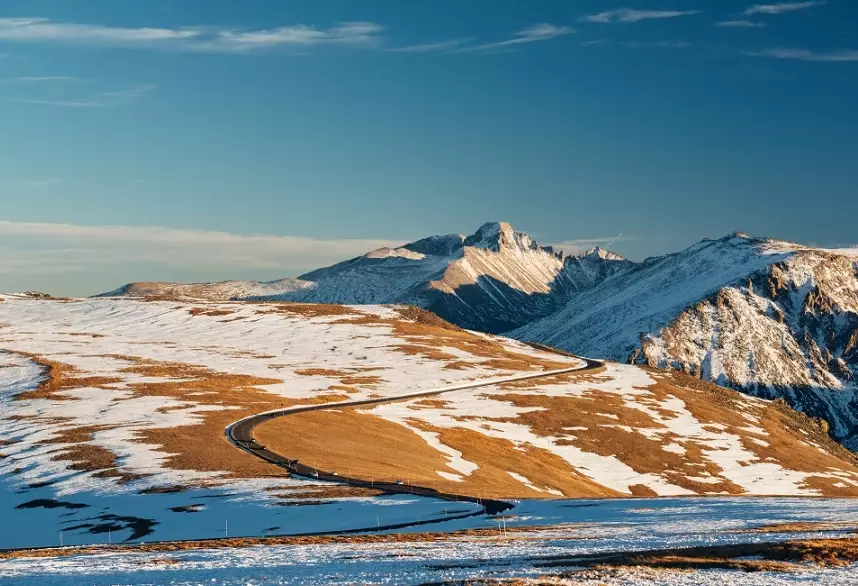
Before You Go: The Non-Negotiable Prep Work
Driving Trail Ridge Road isn't like cruising down a highway. You need to prep your vehicle and yourself. Let's start with the car.
Vehicle and Driving Tips
You don't need a 4x4. The road is paved and well-maintained. But you do need a car in good mechanical shape. Those long, steep grades are hard on engines, especially if they're older or underpowered. Check your coolant and brakes before you go. Overheating on a climb with no shoulder is not a fun experience.
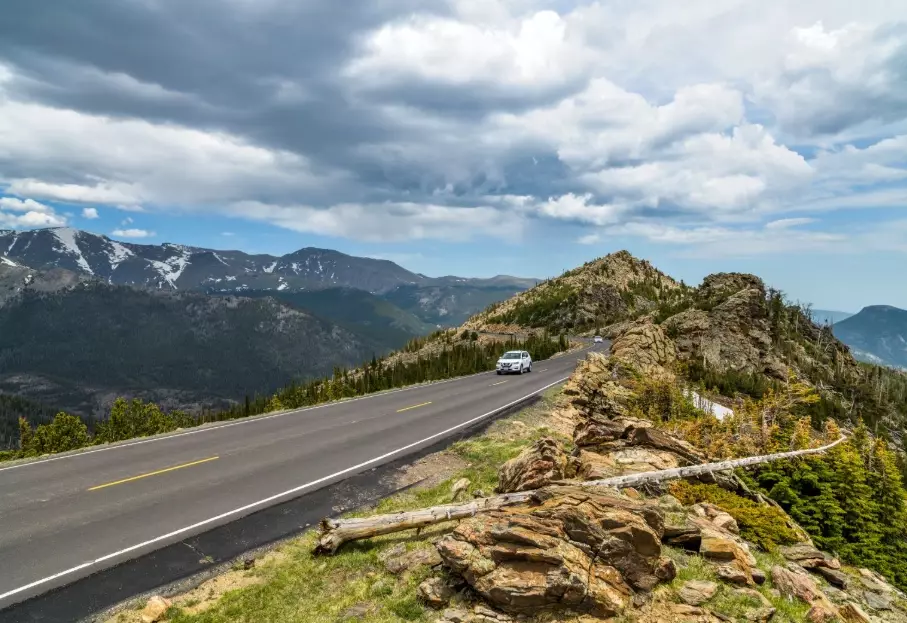
The drive itself demands your full attention. The road is winding, there are no guardrails in many of the most exposed sections (which adds to the thrill, but also the pucker factor), and you'll be sharing it with cyclists, wildlife, and distracted tourists. Go slow. Use the pull-offs if you want to sightsee—never stop in the travel lane. The speed limit is mostly 35 mph, but often 25 mph or less on the curves. Obey it.
Fuel up in Estes Park or Grand Lake before you enter the park. There are no gas stations on Trail Ridge Road itself. The Alpine Visitor Center at the top has restrooms and a gift shop, but no fuel.
A quick story: I saw a minivan with steam pouring from its hood at Rainbow Curve. They had to wait hours for a tow truck to come all the way from Estes Park. It ruined their day and caused a traffic snarl. A simple pre-trip check could have avoided it.
Conquering the Altitude
This is the part most people ignore, and then they pay for it. The summit of Trail Ridge Road is over 12,000 feet. That's higher than many peaks in the Alps. The air is thin. You will get out of your car at the Alpine Visitor Center and feel like you just ran a sprint.
Altitude sickness is real. Symptoms can include headache, dizziness, nausea, and shortness of breath. It doesn't matter how fit you are—it can hit anyone. Here's how to fight it:
- Hydrate like it's your job. Start drinking extra water the day before you go. Avoid alcohol and heavy meals.
- Take it slow. Literally. Walk slowly. Don't try to hike up that hill to get a photo at a sprint pace.
- Listen to your body. If you feel awful, the only cure is to go down to a lower elevation. Don't try to tough it out.
- Consider spending a night in Estes Park (7,522 feet) to acclimatize a bit before driving up.
I felt the headache on my first trip. It was a dull, persistent throb that made it hard to enjoy the views. Lesson learned.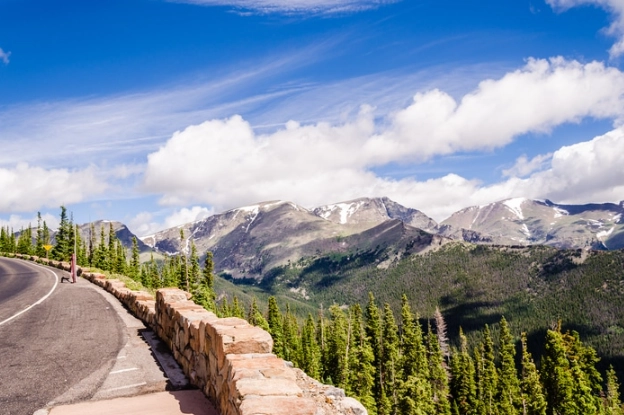
The Must-Stop Points Along Trail Ridge Road
You could drive the whole 48-mile stretch from Estes Park to Grand Lake in about two hours if you didn't stop. But that would defeat the whole purpose. Here are the spots you absolutely shouldn't miss, going from east to west.
Many Parks Curve
One of the first major overlooks. It gives you a panoramic view back over Estes Park and several mountain ranges. A great orientation spot.
Rainbow Curve
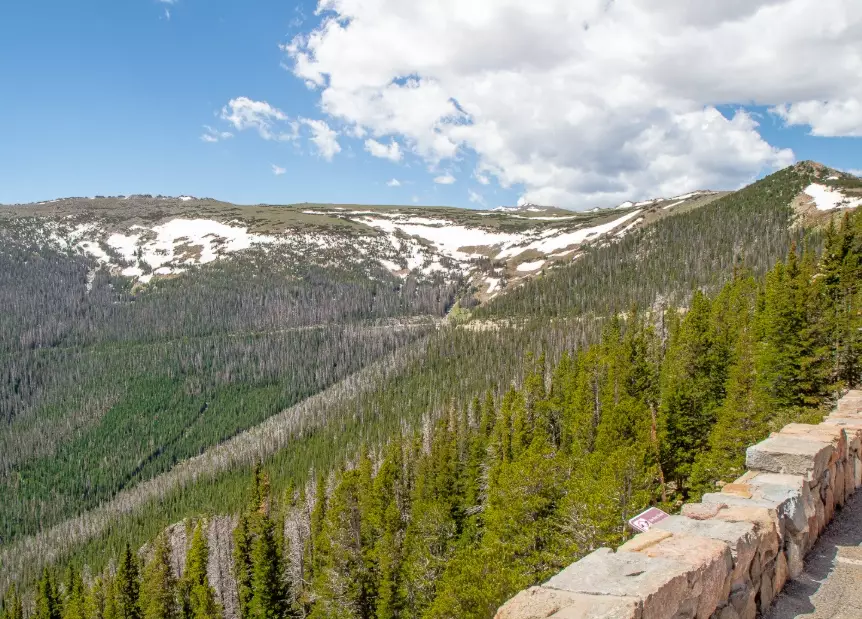
This is a classic. You get a stunning view of Horseshoe Park and the Alluvial Fan down below. It's often windy here, so hold onto your hat.
Forest Canyon Overlook
This one involves a short, paved walk from the parking lot. You look down into a vast, glacially-carved canyon. The scale is hard to comprehend until you see it.
Rock Cut & Tundra Communities Trail
You're now above 12,000 feet. Park at Rock Cut. Here, you can walk on a short, paved loop trail—the Tundra Communities Trail. This is your chance to safely walk on the fragile alpine tundra. Read the signs; the plants here take decades to grow an inch. The views are 360 degrees of breathtaking. This is the highest point you can easily access on foot along Trail Ridge Road.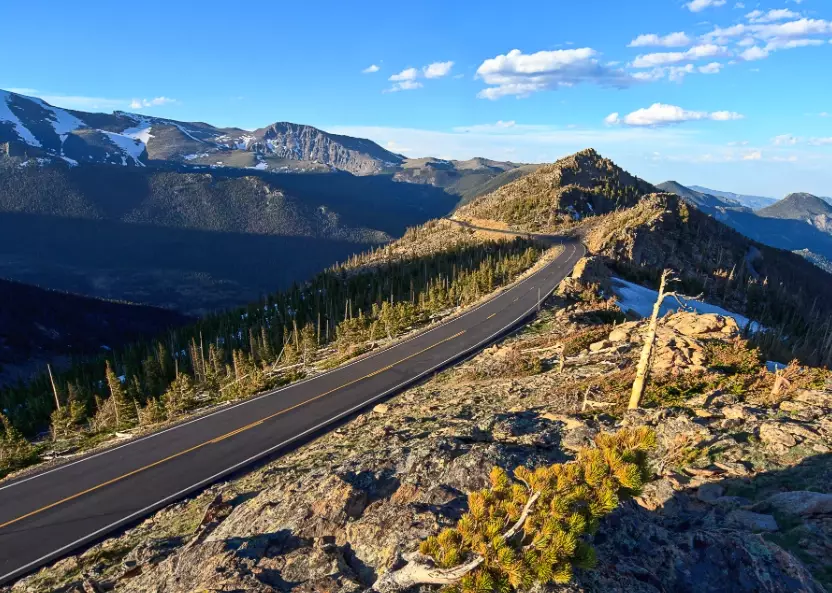
Alpine Visitor Center
The highest visitor center in the National Park System. It's packed in summer, but it's a rite of passage. Use the restrooms, get your passport stamp, and grab a hot drink. The gift shop is fun. The walk up the steep path behind it to the actual ridge is brutal at this altitude, but worth it for the bragging rights.
After the visitor center, you start descending toward the west side. The landscape changes again, becoming greener. Stop at the Farview Curve to see the headwaters of the Colorado River winding through the valley.
Is driving the entire Trail Ridge Road Rocky Mountain experience worth it? Absolutely. But doing just the east side up to the visitor center and back is also a fantastic trip if you're short on time.
What About Hiking and Wildlife?
You're not just locked in your car. There are fantastic, short hikes off of Trail Ridge Road that get you away from the crowds.
- Ute Trail: Starts near the Alpine Visitor Center. It's a walk across the tundra with unbelievable views. You can do just a mile or two out and back.
- Toll Memorial Trail: A short, easy walk from the Rock Cut parking area to a memorial with perhaps the best view in the park.
Wildlife is everywhere. You will see elk, almost guaranteed. Mule deer are common. The big prize is the bighorn sheep—look for them on the steep slopes, especially in the areas near the Rock Cut. Marmots and pikas are all over the tundra areas; listen for the pika's high-pitched *eep!* call. And yes, there are moose, but they're more common on the wetter west side of the park near Grand Lake.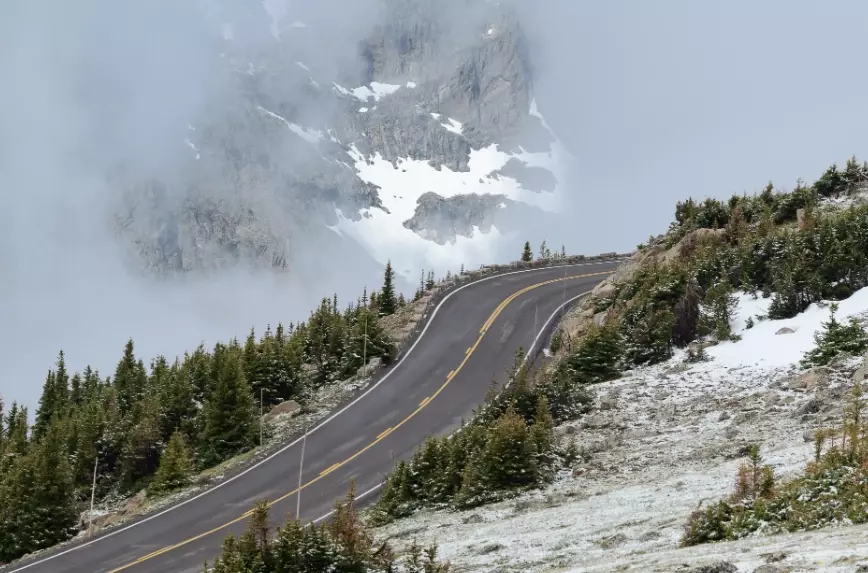
Please don't be that person. Use pull-offs to view wildlife. Never approach animals. Feeding them is illegal and harms them. A bull elk may look majestic but can charge if it feels threatened. Give them space.
Answers to the Questions You're Actually Asking
Making the Most of Your Trip: Itinerary Ideas
You didn't come all this way just for one drive. Here’s how to build a day or two around Trail Ridge Road.
The Classic One-Day Blitz: Enter the park early (use your Timed Entry Permit). Drive straight up to the Alpine Visitor Center, stopping at key overlooks. Explore the tundra trails. Have lunch at the visitor center. Continue west all the way to Grand Lake for a different perspective. Drive back across the park, or take the longer but beautiful Highway 34/40 loop back to Estes Park if you have time. It's a long, full day.
The Leisurely Two-Day Experience:
Day 1: Explore the Bear Lake Road corridor (get a separate Timed Entry Permit for this) in the morning. In the afternoon, drive up Trail Ridge Road as far as the Alpine Visitor Center and back down. Watch the sunset from an overlook like Many Parks Curve.
Day 2: Drive the entire length of Trail Ridge Road to Grand Lake. Spend a few hours exploring the quieter west side of the park—take the short hike to Adams Falls. Have a late lunch in Grand Lake town before driving back.
The magic of Trail Ridge Road Rocky Mountain National Park is that it makes the incredible alpine world accessible to everyone. It's a masterpiece of engineering that opens up a fragile, beautiful ecosystem. With a little planning and respect—for the road, the altitude, and the park itself—it can be the highlight of your Colorado adventure. Just take it slow, breathe deep (even if the air is thin), and look around. You're driving in the sky.
Oh, and one last tip from someone who's been caught in it: the line for the women's restroom at the Alpine Visitor Center is legendary. Plan accordingly.