Quick Navigation
Let's be real. Typing "best national parks to visit" into Google is enough to give anyone a headache. You get a million lists, all claiming to have the "top 10" or "must-see" spots, but they never seem to talk about you. Are you dragging skeptical kids along? Dreaming of total silence? On a tight budget? Or just want to see something that'll genuinely make your jaw drop?
I've been there. I've planned trips that felt like military operations and others that were pure magic. The difference always came down to matching the park to the person—and the season, and the mood.
So, this isn't just another list. Think of it as your personal filter. We're going to ditch the one-size-fits-all approach and figure out which are the best national parks to visit for your next adventure. We'll talk crowds, costs, secret seasons, and even the occasional letdown (because no place is perfect).
Forget the Rankings: How to Actually Pick Your Park
Everyone wants to know the single best national park. Sorry to disappoint, but it doesn't exist. What's best for a hardcore backpacker is a nightmare for a family with toddlers. Asking for the best park is like asking for the best shoe—you need to know what you're using it for.
Here’s what you should be asking instead:
What's Your Travel Style?
Be brutally honest with yourself.
- The Sightseer: You want iconic views accessible by car or short walks. You're happy with a great visitor center and a stunning overlook. Crowds are a necessary evil.
- The Day Hiker: You want to earn your views. A 4-8 mile trail with a big payoff is your sweet spot. You’ll carry lunch and plenty of water.
- The Wilderness Seeker: You want to get away from... everyone. Your ideal trip involves a backpack, a permit, and not seeing another soul for hours. The main park attractions are just the starting point.
- The Family Crew: You need bathrooms, easy trails, maybe a junior ranger program, and a lodge with pizza. Patience and snack reserves are key.
When Are You Going? (This Changes Everything)
Timing isn't just about weather; it's about the entire experience. Visiting Yellowstone in July is a completely different universe from visiting in October. One is a bustling, car-packed spectacle; the other is a quiet, frosty wonderland with steaming geysers against golden trees.
The secret to finding the best national parks to visit? Stop chasing the postcard-perfect “peak season.” Often, the weeks just before or after are where the magic—and the solitude—happens.
Summer is obvious. But have you considered...
- Spring (April-June): Wildflowers in the desert parks (like Death Valley and Saguaro) are unreal. Waterfalls in Yosemite and Zion are roaring with snowmelt. But high-elevation roads (like Going-to-the-Sun in Glacier) are still closed.
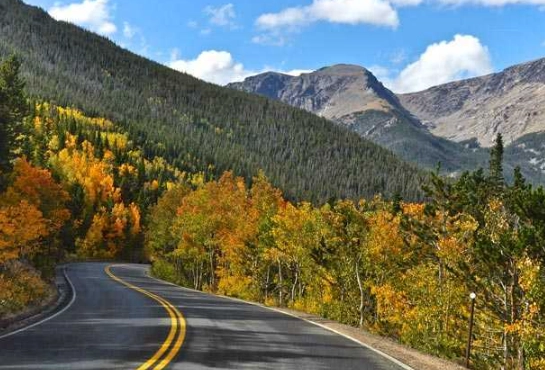
- Fall (September-October): My personal favorite. Crowds vanish, bugs disappear, and the aspens in Rocky Mountain or the maples in Acadia put on a show. It's perfect hiking weather almost everywhere.
- Winter (November-March): This is for the adventurous. Parks like Yellowstone, Grand Canyon, and Bryce transform into silent, snowy dreamscapes. Access is limited, but you'll have iconic views all to yourself. Just be prepared for serious cold and road closures.
Top National Park Experiences, Sorted For You
Instead of ranking, let's categorize. Here are some of the best national parks to visit, grouped by the kind of experience they deliver.
For Iconic, "Pinch-Me" Landscapes
These are the heavy hitters. The ones you've seen a thousand times in photos. They're popular for a reason, but they demand a strategy.
For Epic Hiking and Backpacking
If your ideal day ends with dirty boots and tired legs, these are your best national parks to visit.
Zion National Park (Utah): It's not just about Angels Landing (which requires a permit lottery now, by the way). The Narrows hike, wading up the Virgin River between thousand-foot cliffs, is one of the most unique hikes on the planet. Spring and fall are prime; summer can be dangerously hot and packed.
Glacier National Park (Montana): This place wrecked me in the best way. The Highline Trail is pure alpine perfection. But the star of the show, Going-to-the-Sun Road, is only fully open for a short window (late June to October). If you get a chance to backpack to Grinnell Glacier, take it. I still get goosebumps thinking about it.
For Otherworldly and Unique Vibes
These parks feel like you've stepped onto another planet.
Bryce Canyon National Park (Utah): A forest of fiery hoodoos (those tall, thin spires). Sunrise at Sunrise Point is non-negotiable. The light makes the amphitheater glow. It's high elevation, so even summer nights are cool.
Death Valley National Park (California/Nevada): The name says it all. It's extreme. Visit in the winter. Seriously. Badwater Basin, the lowest point in North America, and the rolling dunes at Mesquite Flat are surreal. It's a vast, empty, and profoundly beautiful desert.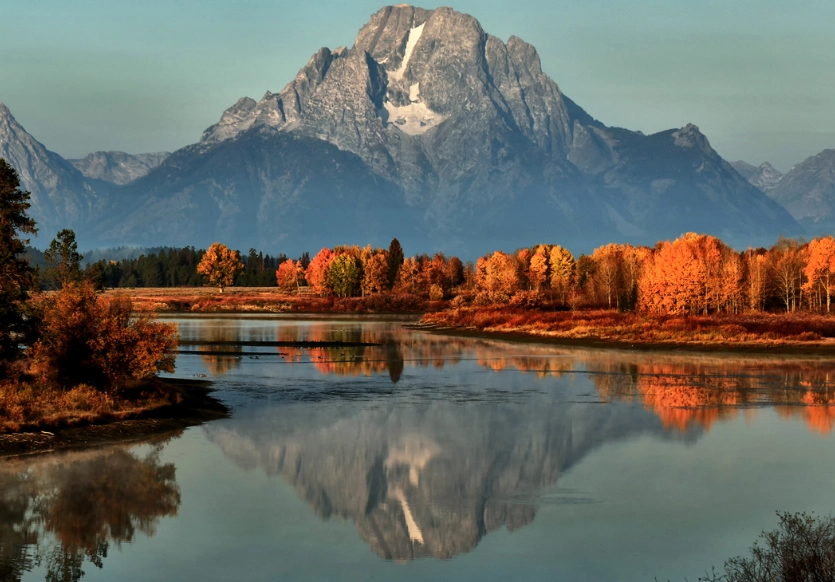
For Wildlife and Wide-Open Spaces
Come for the scenery, stay for the animal encounters.
Yellowstone National Park (Wyoming/Montana/Idaho): It's the Serengeti of North America. Bison jams are a real thing. Seeing Old Faithful is cool, but watching a wolf pack through a spotting scope in Lamar Valley at dawn is life-changing. Stay in different parts of the park to minimize driving.
Great Smoky Mountains National Park (North Carolina/Tennessee): The most visited park, but don't let that scare you. The biodiversity is insane. Drive the Cades Cove Loop for deer and bear sightings at dawn or dusk. The misty, blue-hued mountains are why it's called "Smoky."
Planning Your Trip: The Nitty-Gritty Stuff Everyone Forgets
Okay, you've picked a park. Now what? Here's where trips go from good to great (or from great to stressful).
Navigating the New Normal: Reservations and Permits
Gone are the days of just showing up. To manage crowds and protect the parks, many now have systems in place.
| Park | What Requires Planning | When to Book/Apply |
|---|---|---|
| Yosemite | Timed Entry Permit (for peak season entry) | Released monthly on Recreation.gov |
| Rocky Mountain | Timed Entry Permit + Bear Lake Corridor Permit | Released in batches (some day-before) |
| Zion | Angels Landing Hike Lottery Permit | Seasonal & Day-Before Lotteries |
| Glacier | Vehicle Reservation for Going-to-the-Sun Road & N. Fork | 4 months in advance + 24hrs before |
| Many Backcountry Sites | Overnight Backpacking Permits | Months in advance or via lottery (check each park) |
My biggest tip? The official Recreation.gov site is your new best friend and worst enemy. Bookmark it. Set calendar reminders for permit releases. It's a hassle, but it's the price of admission for the best national parks to visit these days.
Where to Stay: Inside vs. Outside the Park
This is a major budget and experience decision.
- Inside the Park (Lodges/Campgrounds): You pay for location, location, location. Waking up in Yosemite Valley or next to Lake Yellowstone is priceless. You can hit the trails before the day-trippers arrive. But you need to book extremely early—often 6 to 12 months out for popular spots. These fill up in minutes.
- Outside the Park (Gateway Towns): More options, often better prices, and access to more restaurants and groceries. The trade-off? You'll be dealing with entrance lines every morning and losing precious park time to commuting. In parks like the Grand Canyon South Rim, the town of Tusayan is right there, but it feels very tourist-centric.
Don't overlook National Forest or BLM land bordering the parks for camping. They're often first-come, first-served, cheaper, and just as beautiful. A little research on sites like Campendium can score you an amazing spot.
The Packing List Item You'll Thank Me For
Everyone remembers the hiking boots and rain jacket. Here’s what they forget:
- A Headlamp: Not just for camping. For those pre-dawn starts to beat the crowds to the trailhead.
- Downloaded Maps: Cell service is a myth in most parks. Download the park map on Google Maps or use an app like Gaia GPS before you go.
- A Cooler: Pack lunches, snacks, and plenty of water. Park food is expensive and lines are long.
- Layers, Layers, Layers: Mountain and desert weather changes fast. A sunny 75°F hike can turn into a windy, 50°F ordeal at a summit.
- Your Patience: Seriously. There will be traffic. There will be lines. Someone will stop in the middle of the road to look at a squirrel. Breathe. You're on vacation.
Your National Parks Questions, Answered
Your National Parks Questions, Answered
If you're visiting more than two parks in a year, the America the Beautiful Annual Pass is a no-brainer. It's $80 and covers entrance fees for you and your carload at all federal recreation sites for a year. Camp outside the park, cook your own meals, and focus on free ranger programs. The memories are free; the logistics are what cost you.
Absolutely, but choose wisely. Parks with good junior ranger programs, easy paved trails, and shorter scenic drives are golden. Think Great Smoky Mountains, Yellowstone (geysers and animals!), Rocky Mountain (the Trail Ridge Road is a drive-by spectacle), and the Redwoods. Manage expectations—a one-mile nature walk with a 5-year-old is a bigger adventure than a 10-mile hike.
Yes! You just have to look beyond the famous names. Consider:
- North Cascades National Park (Washington): Called the "American Alps." It's all about rugged peaks and glaciers, with a fraction of the visitors of its neighbors. More hiking, less posing.
- Congaree National Park (South Carolina): A flooded forest wonderland with boardwalk trails. It's serene, unique, and rarely crowded.
- Black Canyon of the Gunnison (Colorado): It's like a narrower, darker, more intense version of the Grand Canyon. The views are dizzying, and you'll often have them to yourself.
- Visit any popular park in the off-season. Zion in February? It's cold, but you'll have the canyon walls mostly to yourself.
This is a huge pain point. Generally, national parks have very strict rules for pets to protect wildlife and other visitors. Most only allow pets in developed areas (campgrounds, parking lots, paved roads) and not on trails, in the backcountry, or often even on unpaved paths. Always, always check the specific park's pet policy before you go. It's a major limitation for dog owners.
Talk to a Ranger. The moment you get to a park, stop at a visitor center. These people are encyclopedias of current conditions. Which trail has the best wildflowers right now? Where did someone see a bear yesterday? Is that road you planned on taking actually open? They will give you better, more current advice than any blog or guidebook. Use them.
Wrapping This Up
Finding the best national parks to visit isn't about finding a universal winner. It's a matching game. It's about aligning those stunning places with who you are, who you're with, and what you need from the trip right now.
Maybe the best park for you this year is the iconic, crowded wonder you've always dreamed of. Maybe it's the quiet, hidden gem that surprises you. Both are perfect.
Do your homework on permits and seasons. Pack your patience alongside your hiking boots. And remember, the goal isn't to check off a list—it's to find a place that feels right. A place that gives you that moment of pure, quiet awe. That's when you know you've found your best national park to visit.
Now, go start planning. And maybe I'll see you out on the trail. I'll be the one with the headlamp, heading out way too early, trying to beat the crowd to that first, perfect view of the day.