Quick Guide
Let's be honest. When you picture a national park, you probably think of one thing. Maybe it's giant sequoias, or red rock canyons, or geothermal geysers. Olympic National Park laughs at that idea. It's not one park; it's like three or four completely different worlds smashed together on one peninsula in Washington state. You can stand in a dripping, silent rainforest where the trees are wrapped in a foot of moss, drive for an hour, and then walk on a wild beach with sea stacks punching out of the fog. Another hour? You're above the treeline on a mountain ridge looking at glaciers. It's disorienting in the best way possible.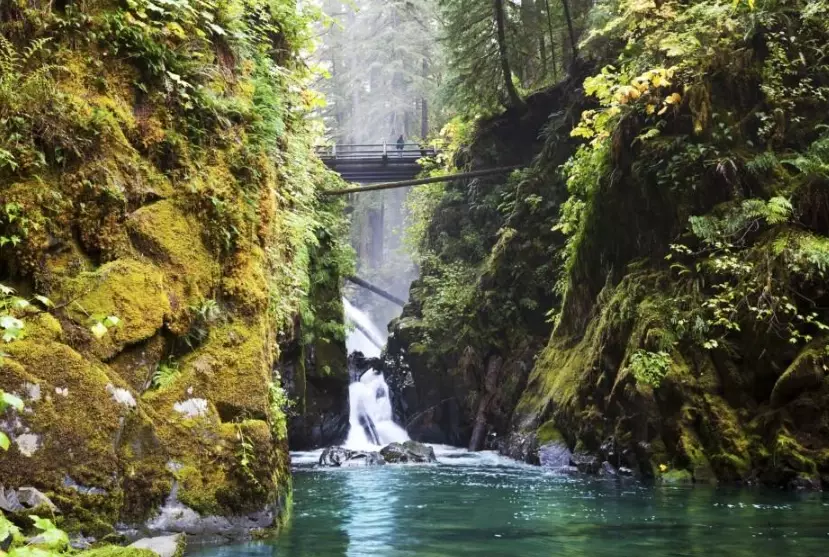
I remember my first time in the Hoh Rain Forest. I expected it to be green, sure. But this was a different level. The air itself felt green and heavy. The silence was so deep you could hear water dripping from leaves a hundred feet away. And my shoes were soaked within ten minutes. That's the kind of place this is – it doesn't just show you scenery, it immerses you in it, sometimes quite literally.
Why Olympic National Park is So Weirdly Special
Most parks have a theme. Olympic's theme is "extreme diversity." This isn't an accident. The Olympic Mountains act like a giant wall, catching all the wet weather systems rolling in from the Pacific Ocean. The west side gets soaked (we're talking 12 feet of rain a year in some spots), creating those insane temperate rainforests. The east side, in the rain shadow, is surprisingly dry. Then you've got the rugged Pacific coastline that belongs to the park, and the high alpine zone up top. It's this combination that got it designated as both a UNESCO World Heritage Site and an International Biosphere Reserve. Fancy titles, but they mean something – this place is globally significant.
What does that mean for you, the visitor? It means you need to think about Olympic National Park not as a single destination, but as a collection of zones. Your trip will live or die based on which zones you target and how you plan to move between them.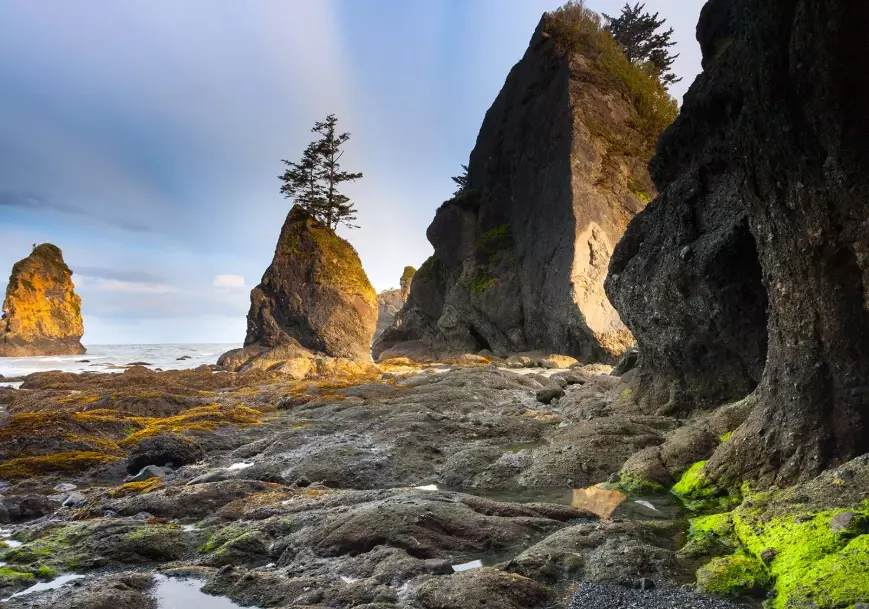
The Four Personalities of Olympic National Park
Let's break down these ecosystems, because packing for one is totally wrong for another.
The Rainforests: The famous ones are the Hoh and the Quinault. The Hall of Mosses trail in the Hoh is the poster child, and yeah, it's magical. But it can also feel like a green cathedral with a hundred other worshippers. My take? Do the Hall of Mosses early in the morning, like at sunrise. You'll have the spooky, quiet vibe all to yourself. Then, for a more immersive feel, head to the Quinault Valley's rainforest trails. They feel a bit more rugged and less like a procession. The trees here – Sitka spruce, western hemlock, bigleaf maple – are just unreal. They're ancient, they're huge, and they're dressed in mosses and ferns that make them look like sleeping giants.
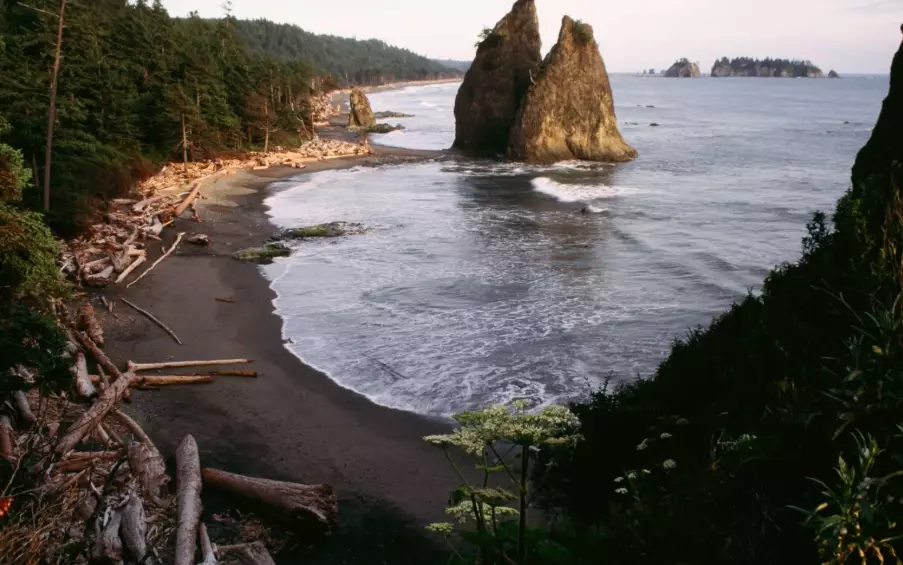
The Coast: This isn't Southern California beach time. This is moody, powerful, and often windy. Ruby Beach, Rialto Beach, Kalaloch – these are places for long walks, tidepooling at low tide (check those tide tables!), and watching the sun fight its way through the marine layer. The sea stacks are incredible, like ruins of a forgotten continent. A word of warning: the logs on the beach, called "sinker logs," can be massive and dangerous. Never turn your back on the ocean, and know when high tide is so you don't get trapped.
The Mountains: Hurricane Ridge is the main gateway, and the view from the visitor center parking lot is honestly one of the best drive-to views in any national park. You see the entire interior range sprawling out. But the road has had closures recently, so you must check the official National Park Service website for Olympic National Park for the latest status before you go. It's a bummer if it's closed, but it's a reminder that this is a dynamic, wild place. If you can go, the hiking up there is spectacular. Wildflowers in July and August are insane.
The Lakes & Rivers: Don't sleep on Lake Crescent or Lake Quinault. Crescent is this stunning, deep, fjord-like lake of impossible blue-green water. It's cold, but on a hot day, a swim is unforgettable. The hiking trails around it, like to Marymere Falls, are gorgeous and a nice break from the rainforest density.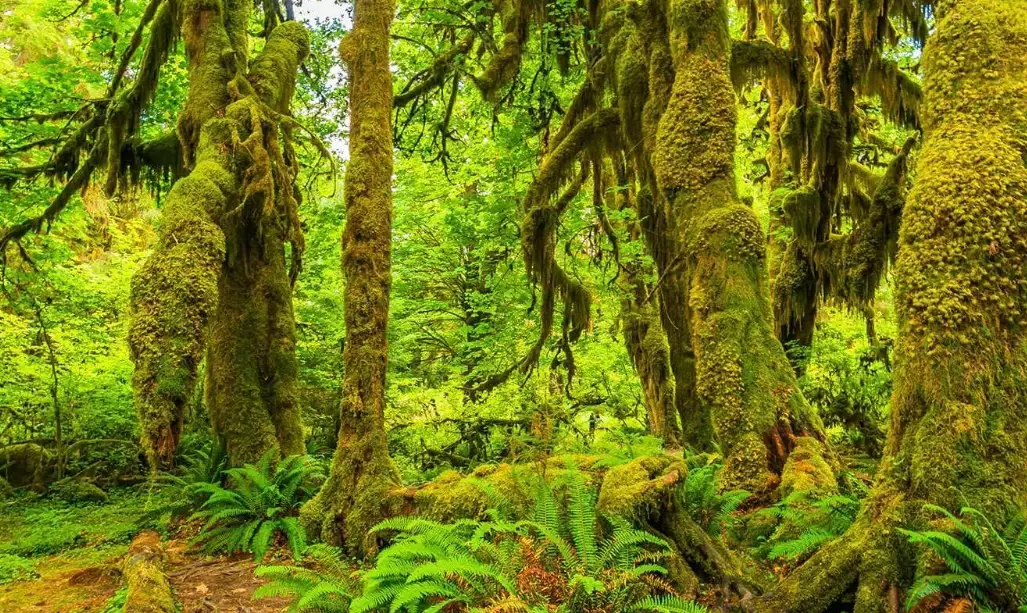
When Should You Actually Go to Olympic National Park?
This is the million-dollar question. The answer depends entirely on what you hate more: rain or crowds.
| Season | The Good Stuff | The Not-So-Good Stuff | Best For... |
|---|---|---|---|
| Summer (July - Aug) | Predictable weather (drier, warmer). All roads & trails open. High alpine wildflowers. Long days. | Crowds. I mean, serious crowds at popular spots. Book lodging/campsites months in advance. More expensive. | First-timers, families, high-elevation hiking, guaranteed access. |
| Shoulder Seasons (May-June, Sept-Oct) | Fewer people. Spring brings waterfalls and blooming rhododendrons. Fall has colors and possible clear days. Decent availability. | Unpredictable weather. Rain is always a possibility. Some high-elevation areas may be snowy in early summer/late fall. | Photographers, hikers who don't mind mud, travelers seeking solitude. |
| Winter (Nov - April) | Solitude. Storm watching on the coast is dramatic. Snow in the mountains for skiing/snowshoeing (at Hurricane Ridge, when open). | Lots of rain and gray. Short days. Many facilities closed. Road closures are common. Can feel inaccessible. | Hardcore storm lovers, locals, those seeking extreme quiet. |
My personal favorite? Late September. The summer rush has faded, the fall rains might be starting but you can still get lucky with a stretch of crisp, clear days. The rainforest feels even more primeval when it's damp and empty.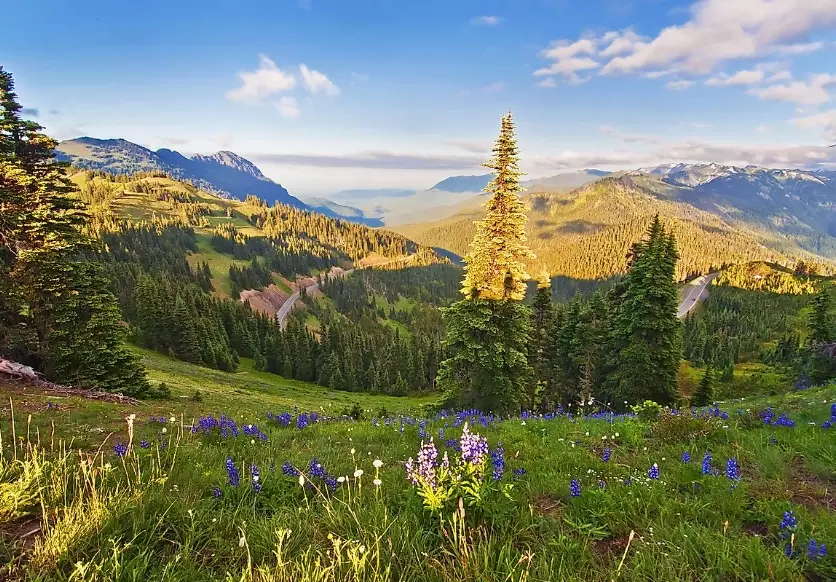
Local's Tip: The "marine layer" (coastal fog) is a real thing, especially on summer mornings. The coast and rainforests can be shrouded while it's sunny 20 miles inland. Don't despair—it often burns off by afternoon. Pack layers for all conditions, every single day.
Top Things You Can't Miss (And How to Do Them Right)
You won't see it all. Accept that now. Focus on one or two regions per day. Here's a loose ranking based on uniqueness and impact.
The Must-Do Shortlist:
- Walk in a Rainforest: Hoh's Hall of Mosses (easy) or the Quinault Rain Forest Nature Trail (easy). Just do it. Breathe the air.
- Drive to a View: Hurricane Ridge Road (when open). The payoff-to-effort ratio is unbeatable.
- Explore a Wild Beach: Rialto Beach to Hole-in-the-Wall (a 1.5-mile walk one way) at low tide for tide pools. Ruby Beach for sunset photos.
- See a Pristine Lake: Lake Crescent. Stop at the lodge, walk the pebbly shore, or rent a kayak.
If You Have More Time & Legs:
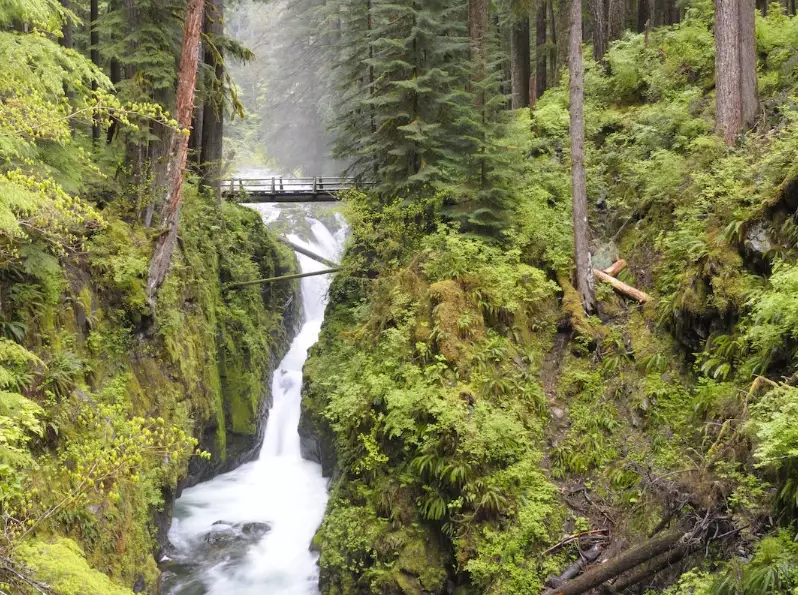
- Hike to Sol Duc Falls: An easy 1.6-mile round trip through lovely forest to a beautiful multi-pronged waterfall. The nearby Sol Duc Hot Springs Resort is a polarizing topic—some love the soak after a hike, others find it a bit dated and crowded.
- Backpack the Coast: For the adventurous. You need a permit and to be savvy about tides. The 18-mile stretch from Rialto to Lake Ozette is legendary.
- Wander the Quinault Valley: It's called the "Valley of the Rainforest Giants" for a reason. The loop drive with short hikes to big trees (like the World's Largest Sitka Spruce) is a perfect rainy day activity.
The Nitty-Gritty: Planning Your Olympic National Park Trip
This is where most blogs get vague. Let's get specific.
Getting There and Getting Around
You almost certainly need a car. The park is huge and public transport is minimal. The main gateway towns are Port Angeles (north), Forks (west), and Aberdeen/Hoquiam (south). Flying into Seattle (SEA) is most common, but it's still a 2.5-3.5 hour drive to Port Angeles, depending on ferry traffic. The Bainbridge or Edmonds-Kingston ferries are part of the experience—check the Washington State Ferries schedule and consider a reservation in summer.
Once inside, roads are generally good but winding. Cell service is spotty to non-existent in most of the park. Download offline maps (Google Maps or better yet, a dedicated app like Gaia GPS) and have a paper map as backup.
Where to Sleep
Options range from rustic to comfortable, but "plentiful" is not a word I'd use.
- Camping: The lifeblood of an ONP visit. Popular frontcountry sites like Kalaloch, Mora, and Hoh get booked the minute they become available (6 months in advance on Recreation.gov). Have a backup plan. Some first-come, first-served sites exist but fill early in summer.
- Lodges: Lake Crescent Lodge, Kalaloch Lodge, Sol Duc Hot Springs Resort. They ooze historic charm (read: thin walls, shared bathrooms in some rooms) and are in fantastic locations. Book a year ahead for summer.
- Motels & Vacation Rentals: Look in Port Angeles, Forks, and Sequim. More availability and amenities, but you'll be driving into the park each day.
What to Pack (Beyond the Obvious)
Everyone says "rain gear." I'm going to be more annoying about it.
- A high-quality, breathable rain jacket with a hood. Not a poncho. You'll be wearing this as a windbreaker on the coast and as actual rain protection daily.
- Quick-dry pants or hiking pants. Jeans are the worst—they get wet and stay wet.
- Waterproof hiking boots with good traction. The trails are often muddy and roots are slippery.
- Multiple moisture-wicking layers (synthetic or wool). Cotton kills (the fun, at least).
- A small backpack with the Ten Essentials: water, snacks, map, headlamp, first-aid kit, etc.
- Sandals or water shoes for crossing streams on beach hikes or just giving your feet a break.
- A power bank for your phone, since you'll be using it as a camera and offline GPS.
Answers to Questions You're Probably Googling
Final Thoughts From Someone Who's Been There
Olympic National Park challenges you. It's not a checklist park where you hit Old Faithful and the Grand Canyon of the Yellowstone and you're done. It asks you to slow down. To embrace the drizzle. To get mud on your boots. To be okay with not seeing everything.
The magic isn't just in the big sights—it's in the quiet moments between them. The smell of salt and decay on the beach. The way the light filters through the canopy in a rainforest glen. The shock of seeing a mountain peak emerge from the clouds as you round a bend on the road.
Come prepared for weather, come with realistic expectations about travel times and crowds, and come ready to engage with the landscape on its terms. If you do, Olympic National Park won't just be a place you visit. It'll be a feeling you remember—damp, wild, powerful, and profoundly beautiful.
Check those official links one last time before you head out, pack your rain jacket, and go get lost (figuratively, of course). You won't regret it.