What You’ll Find Here
- Why Bother? The Real Reasons People Go Trekking
- Your First Trek: How to Start Without Getting Overwhelmed
- On the Trail: Skills Beyond Just Walking
- Leveling Up: From Beginner Trails to Multi-Day Adventures
- Troubleshooting: What to Do When Things Go Wrong
- Answering Your Trekking Questions
- The Final Step: Making It a Part of Your Life
Let's be honest. The idea of trekking can be intimidating. You see those pictures of people on jagged mountain peaks, looking incredibly fit and happy, and you think, "Could that ever be me?" Maybe you've done a few local hikes, but the word "trekking" sounds like something else entirely—longer, harder, more serious.
Well, I'm here to tell you it's absolutely for you. Trekking is just walking, but with a purpose and a sense of adventure. It doesn't have to be a month in the Himalayas. Your first real trek could be a weekend loop a couple of hours from home.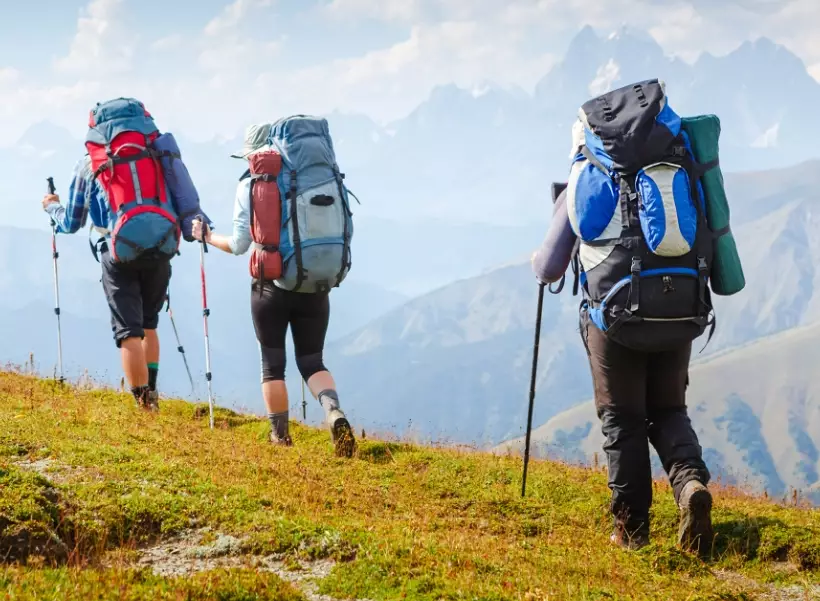
I remember my first multi-day trek. I packed way too much, my boots were barely broken in, and I was convinced I'd get lost. It was messy, my feet hurt, but watching the sunset from that first ridge? Nothing has ever beaten that feeling. That's the magic we're after.
Why Bother? The Real Reasons People Go Trekking
Forget the Instagram glamour shots for a second. Why do people actually lace up their boots and head out for days on end?
It's not about punishing yourself. It's about simplification. Your world shrinks to a few basic needs: where's the next water source, is that a good spot to camp, how do my feet feel. The constant noise of modern life—emails, notifications, to-do lists—just fades away. You have real, tangible conversations. You notice the way the light changes on the hills. You sleep like a rock.
There's also a huge sense of accomplishment. Navigating with a map, setting up camp in the wind, cooking a simple meal over a stove—these are primal skills that make you feel capable. Trekking rebuilds a connection with your own resilience that daily life often smooths over.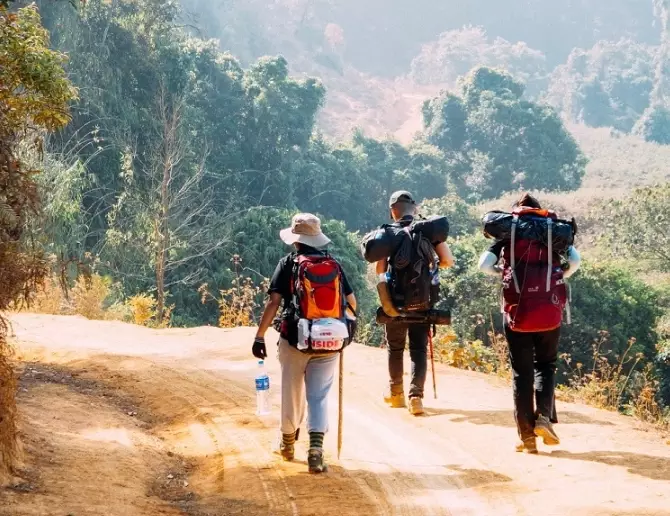
My take: The biggest benefit for me is the mental reset. After three days on a trail, problems seem smaller, perspectives shift. It's cheaper and more effective than any therapy session I've ever had (and I've had a few).
Your First Trek: How to Start Without Getting Overwhelmed
Okay, you're convinced. Now what? The planning phase is where most people stall. Let's break it down into non-scary pieces.
Choosing Your First Trail
This is the most important decision. Do not, I repeat, do not pick a trail because it looks epic in photos. Be brutally honest about your fitness and experience.
A perfect beginner trek has three things:
- Clear Marking: You don't want to be navigating complex route-finding on day one. Look for trails that are well-established and signposted.
- Moderate Distance & Elevation: Think 8-12 miles (13-19 km) per day with manageable uphill sections. Check the total elevation gain—500-1000 feet (150-300 meters) per day is a great start.
- Access to Water/Exit Points: Trails that have reliable water sources or even the option to bail to a road mid-way are fantastic for confidence.
Where do you find these? Don't just trust random blog posts. Start with official sources. In the US, the National Park Service website is a goldmine for trail descriptions and conditions. Similarly, the US Forest Service manages countless trails. In the UK, check the National Trails website. These sites give you factual, updated info.
Tell someone your plan. Always. Where you're parking, your planned route, and when you expect to be back.
The Non-Negotiable Gear: What You Actually Need
Gear talk can spiral into an expensive obsession. You don't need the latest ultra-light carbon fiber everything. You need reliable, functional basics. Here's the core list, split into what's worth investing in and what you can cheap out on (for now).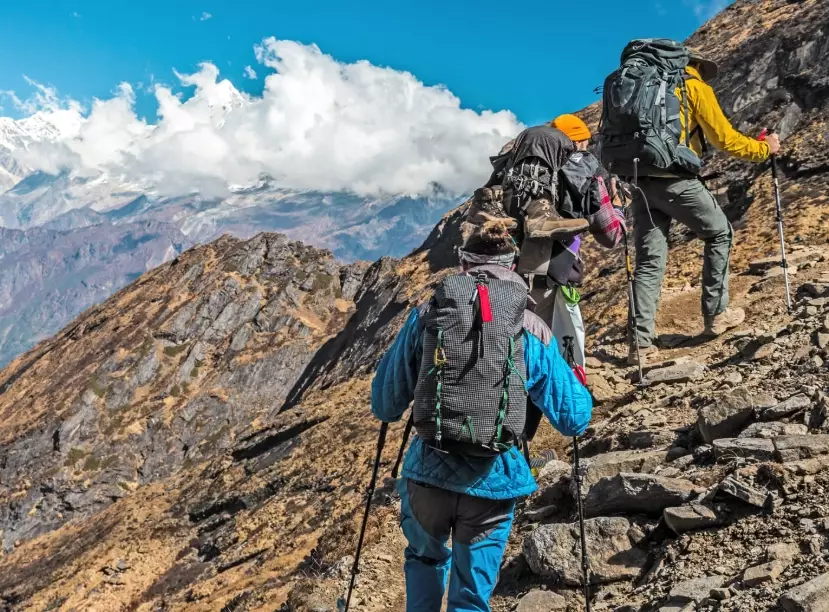
Worth Every Penny (The Big Three):
- Footwear: This is your foundation. Trail runners or hiking boots? For most beginner treks on maintained trails, a good pair of trail runners is lighter and dries faster. Boots offer more ankle support for rough, rocky terrain or heavier loads. Go to a specialty store, get fitted, and walk around. Blisters can ruin a trip.
- Backpack: A 50-65 liter pack is ideal for 2-4 day trips. The fit is crucial. The weight should sit on your hips, not your shoulders. Load it up in the store.
- Shelter & Sleep System: A tent, a sleeping bag, and a pad. For your first trek, borrowing or renting is a smart move. If buying, prioritize weight and packed size. A cheap, heavy bag is miserable to carry.
Can Be Budget-Friendly: Clothing (synthetic layers, avoid cotton), cooking gear (a simple pot and backpacking stove), water bottles.
Gear Mistake I Made: I bought a super cheap rain jacket on my first trek. It "wetted out" in 20 minutes—meaning the fabric itself became saturated—and I spent a cold, miserable day. A good rain shell is a safety item, not a luxury.
Here’s a quick checklist table for a typical 3-season, 2-night trek:
| Category | Essential Items | Pro-Tip / Note |
|---|---|---|
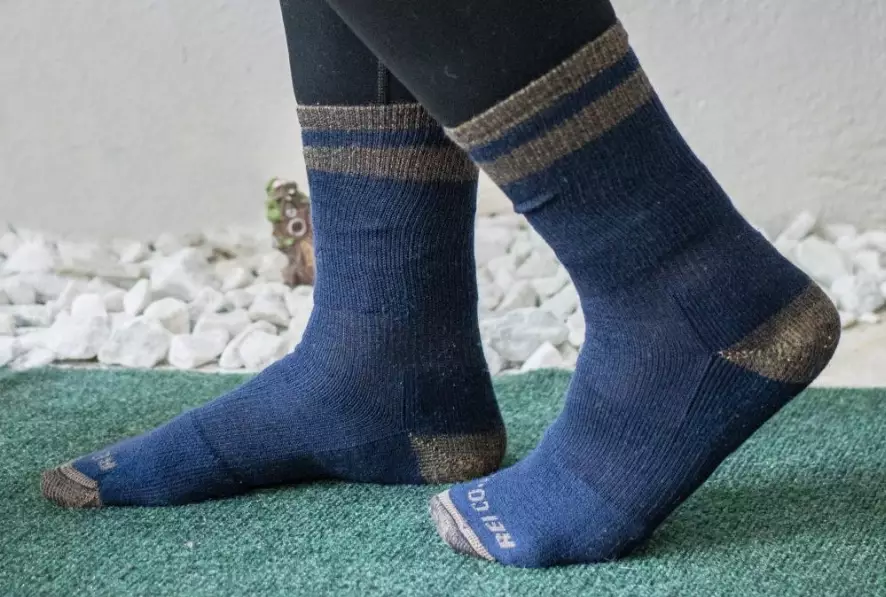
| Worn/Carried | Moisture-wicking shirt, hiking pants/shorts, socks, boots/trail runners, hat, sunglasses. | Merino wool or synthetic socks prevent blisters. Cotton is the enemy. |
| Clothing (Packed) | Insulating layer (fleece/puffy), rain jacket & pants, sleep clothes, extra socks. | Pack clothes in a dry bag or compactor bag inside your pack. |
| Shelter & Sleep | Tent with footprint, sleeping bag, sleeping pad, headlamp. | Practice setting up your tent at home first. Check headlamp batteries. |
| Food & Water | Stove, fuel, pot, spork, food, water bottles/bladder (2-3L capacity), water filter/purifier. | Plan simple, no-cook lunches. Always have a water treatment method. |
| Navigation & Safety | Map (physical), compass, whistle, small first-aid kit, fire starter, multi-tool, phone (on airplane mode). | Know how to use the map and compass. A phone is a backup, not a primary tool. |
| Other | Toiletries (biodegradable soap), toilet kit (trowel, TP, bag), sunscreen, insect repellent. | Follow Leave No Trace principles for waste. |
On the Trail: Skills Beyond Just Walking
You've got the gear, you're at the trailhead. Now the real fun begins. Trekking efficiently is a skill.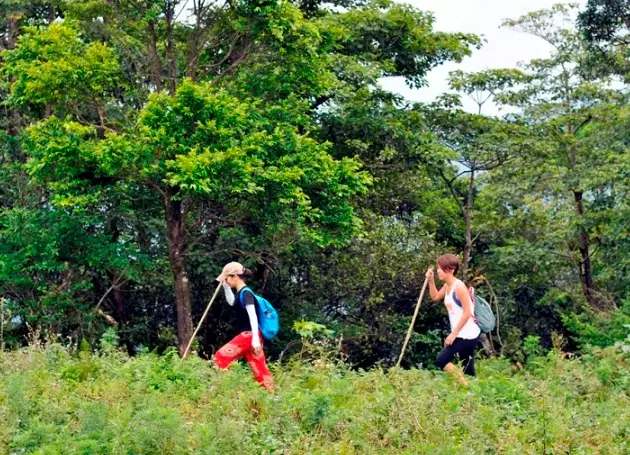
Pacing and Rhythm
The biggest mistake? Starting too fast. You're not sprinting. Find a pace where you can breathe comfortably and hold a conversation. This is your "all-day pace." Take short, frequent breaks (5-10 minutes every hour) rather than one long collapse. On steep uphills, use the "rest step": pause briefly with each step, letting your back leg straighten to bear the weight. It saves energy.
Navigation 101
Even on a marked trail, pay attention. Look behind you occasionally—the trail looks different on the return. Note landmarks. Keep your map accessible and correlate features (that stream you crossed, the hill to your left). GPS apps like Gaia GPS or AllTrails are fantastic aids, but batteries die. A physical map and knowing how to orient it are your lifelines.
Trail Etiquette & Leave No Trace
This isn't just about being nice; it's about preserving the places we love for others. The core of Leave No Trace is simple: leave it like you (and no one) was ever there.
- Pack out ALL trash. Every wrapper, every bit of toilet paper (use a zip-lock bag).
- Camp on durable surfaces. Established campsites are best. Don't create new ones.
- Dispose of human waste properly. Dig a cathole 6-8 inches deep, at least 200 feet from water, trails, and camp. Pack out your TP in many sensitive areas.
- Yield the trail. Uphill hikers generally have the right of way. Step aside for pack animals.
It sounds like a lot of rules, but it quickly becomes second nature. The goal is to be invisible.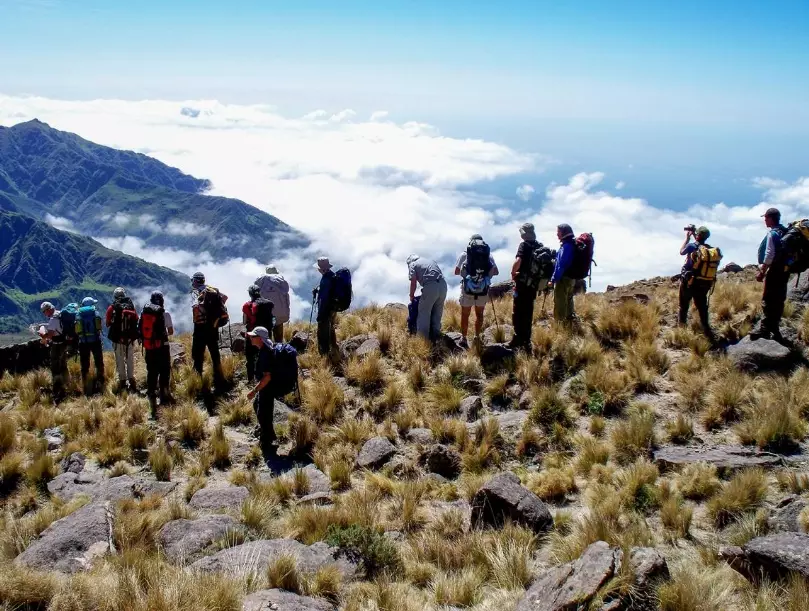
Leveling Up: From Beginner Trails to Multi-Day Adventures
So you've caught the bug. That weekend trek felt good, and you're eyeing something bigger. Maybe a famous route like the Tour du Mont Blanc or the West Coast Trail. This is where trekking gets really interesting.
Planning a Complex Trek
Now you're dealing with permits (often booked months in advance), resupply points, and more variable weather. Research becomes key.
For international trekking, resources like the CDC's travel health site are vital for vaccination and health advice. Local tourism boards or official trekking agencies in the country are your best source for current permit and guide requirements.
You need to think about food resupply. Will you mail boxes to post offices or buy along the way? Calorie density becomes important—nuts, cheese, olive oil, dehydrated meals.
Training Your Body (and Mind)
For a big trek, you need to train with purpose. It's not just about cardio.
- Load Carrying: Do your training hikes with your loaded backpack. Start with 20 lbs and work up to your trip weight.
- Incline Work: Find stairs or a steep hill. Uphill builds strength, downhill builds the eccentric muscle control that prevents soreness.
- Mental Prep: Long days can be monotonous. Have strategies: podcasts (download them), audiobooks, or just practicing being comfortable with your own thoughts.
Pro Tip: The best training for trekking is... trekking. A series of weekend overnight trips with a full pack will prepare you better than any gym routine.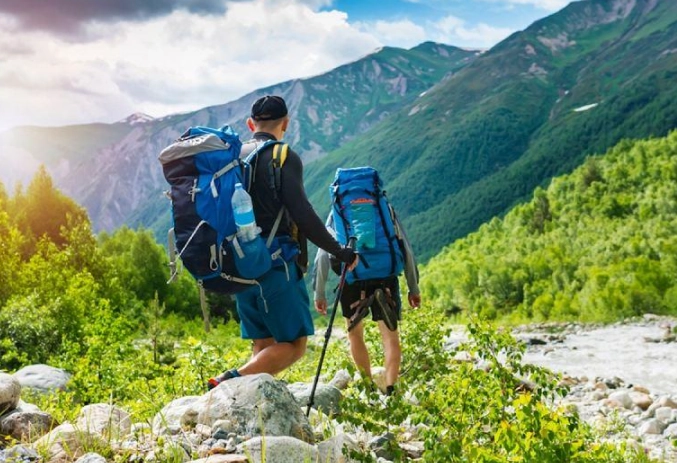
Troubleshooting: What to Do When Things Go Wrong
They will. It's part of the deal. The key is not panicking.
Getting Lost: Stop. Don't wander. Remember the acronym STOP: Stop, Think, Observe, Plan. Retrace your steps to the last known point on your map. If you're truly lost and it's getting late, stay put, make yourself visible, and conserve energy. A whistle is more effective than yelling.
Bad Weather Rolls In: This is why you check forecasts and have good rain gear. If lightning is near, get off ridges and away from isolated trees. Crouch low on your sleeping pad. In white-out conditions, just stop and set up camp if you have the gear. Pushing through in zero visibility is how people get lost.
Gear Failure: Duct tape wrapped around a water bottle or trekking pole can fix a thousand things. A broken backpack strap? Use cord. A torn tent? More tape or a tent repair patch. Improvise.
Physical Issues (Blisters, Sprains): Treat blisters the *second* you feel a hot spot. Stop, put on moleskin or leukotape. For a minor sprain, RICE (Rest, Ice, Compression, Elevation) is the standard, but "ice" is hard in the backcountry. Focus on rest, compression with an ace bandage, and elevation if possible. Know your limits—turning back is always a valid, smart choice.
Answering Your Trekking Questions
The Final Step: Making It a Part of Your Life
Trekking isn't just a vacation activity. For many of us, it becomes a lens through which we see the world. It teaches patience, resilience, and gratitude for simple things—a warm meal, a dry pair of socks, a view earned.
The community is one of the best parts. You'll meet people on trails from all walks of life, united by a shared, muddy experience. There's a tacit understanding, a nod of respect between trekkers that says, "You get it."
My advice? Don't get bogged down in chasing the most epic, most remote trek. The best trek is the one you actually go on. A local forest, a state park coast—adventure is a mindset, not a destination.
So what are you waiting for? Pick a trail, grab a friend (or go solo), and take that first step. Your boots might get muddy, you might be sore, but I promise you'll come back with more than you carried out. You'll come back with stories, with peace, and maybe, just maybe, you'll start planning your next trek before the first one is even over.
See you out there.