Key Takeaways
- The Allure and the Reality: Why We Climb
- Getting Started: Your First Steps Aren't on a Mountain
- Essential Gear: What You Really Need (And What You Don't)
- Building Your Skills: From Zero to Mountain
- Planning Your First Real Mountain Climb
- Safety: The Non-Negotiable Priority
- Progressing Your Mountain Climbing Journey
- Common Questions About Mountain Climbing Answered
So you're thinking about mountain climbing. Maybe you saw a breathtaking photo online, or a friend won't stop talking about their last summit. That feeling of standing on top of the world, the crisp air, the insane views... it gets under your skin. But then the doubts creep in. Isn't it dangerous? Expensive? Only for super-fit experts? Let's cut through the noise. Mountain climbing can be for you, but you've got to start right. This isn't about selling you a dream; it's a real, sometimes gritty, roadmap from your couch to your first real summit and beyond.
The Allure and the Reality: Why We Climb
Let's be honest, the Instagram pics are a big part of the initial draw. But that's just the postcard. The real reason people stick with mountain climbing is messier and more rewarding. It's the problem-solving of picking a route. The total focus required where you forget about your phone, your job, everything. The raw physical challenge that makes you feel genuinely capable. And yeah, that summit feeling is a drug—a mix of exhaustion, elation, and pure awe that no screen can deliver.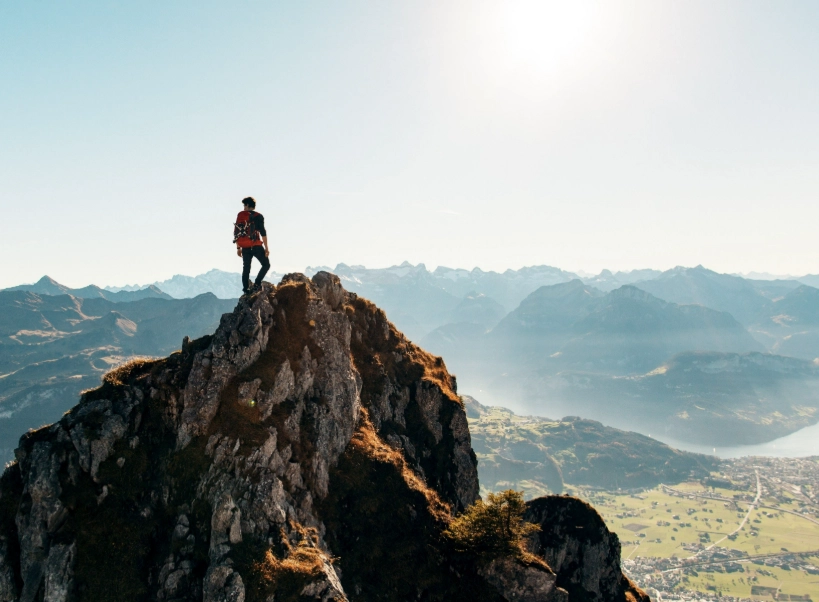
But here's the flip side they don't always show: the 3 AM wake-up calls in the freezing dark. The blisters. The moments of sheer fear on a sketchy section. The weight of your pack. It's a sport that demands respect. The mountain doesn't care about your goals. This balance—the sublime reward against the very real struggle—is the heart of climbing. If you only want the reward, find another hobby.
Getting Started: Your First Steps Aren't on a Mountain
Jumping straight onto a technical rock face is a recipe for disaster. Your mountain climbing journey starts much, much lower.
Fitness First, Summit Later
You don't need to be an Olympian, but you do need a base. Mountain climbing, even on a non-technical trail, is a full-body endurance event. Cardio is king. Running, cycling, stair-climbing with a weighted pack—these are your new best friends. But don't neglect legs (squats, lunges) and core strength. A strong core keeps you stable on uneven terrain.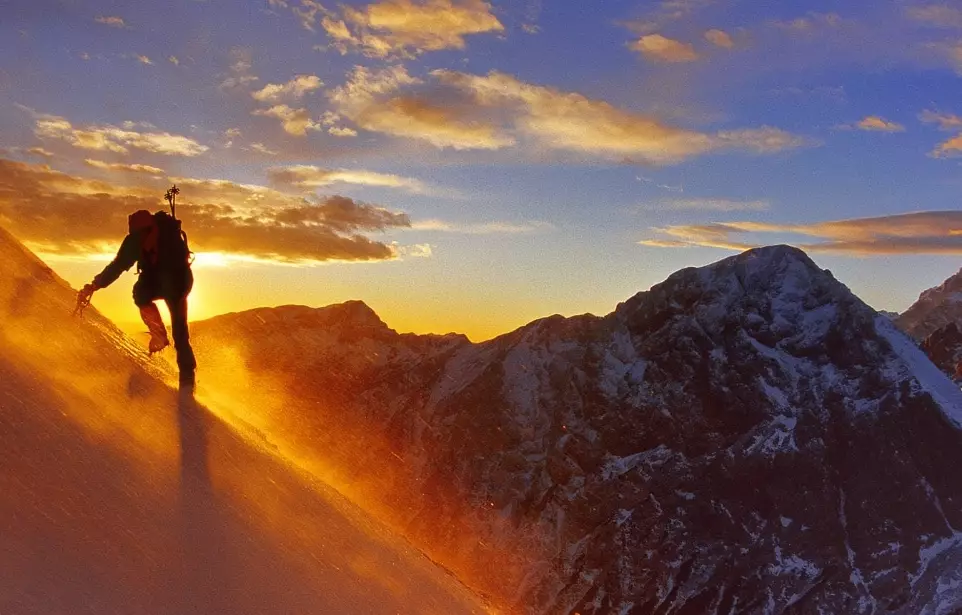
Skills You Can Practice Anywhere
Navigation is the most overlooked skill for beginners. Can you read a topographic map? Really read it? Understanding contour lines is more valuable than any gadget when your phone dies. Apps like Gaia GPS or CalTopo are fantastic aids, but they are aids, not replacements. The National Park Service website has great basic resources on trail navigation and principles like Leave No Trace.
Then there's gear familiarity. Practice setting up your new tent in your living room before a stormy night on a ridge. Know how your stove works. Break in your boots on short walks. This stuff seems boring until it's pouring rain and you're fumbling with a rainfly.
Essential Gear: What You Really Need (And What You Don't)
Gear talk can be overwhelming and expensive. Let's simplify. For beginner mountain climbing on established trails, you need a core system, not a pro's closet.
The Non-Negotiable Core List:
- Footwear: Sturdy, broken-in hiking boots with good ankle support and traction. Trail runners work for some, but boots are safer for beginners.
- Backpack: A 20-30 liter daypack for short trips; 50-65 liters for overnighters.
- The Layering System: This is your climate control. A moisture-wicking base layer (no cotton!), an insulating mid-layer (fleece/puffy), and a waterproof/windproof shell jacket.
- Navigation: Physical map, compass, and a charged phone/GPS device.
- Hydration: Water bottles or a hydration bladder (2-3 liters minimum).
- Nutrition: High-energy snacks (nuts, bars, jerky) plus extra food.
- Safety: Headlamp with extra batteries, first-aid kit, fire starter, multi-tool, emergency blanket.
- Sun Protection: Sunglasses, hat, sunscreen.
See? Not a single ice axe or climbing harness. You'll get there. For now, master this list. My personal take? You can skimp on fancy clothes, but never skimp on footwear or your rain shell. Wet, blistered feet and hypothermia are trip-enders at best.
| Gear Category | Beginner Priority (High/Med/Low) | Budget-Friendly Tip | Common Mistake |
|---|---|---|---|
| Footwear | HIGH | Go to a dedicated store for a proper fitting. Last season's models are cheaper. | Buying boots that are too small (feet swell!). |
| Backpack | HIGH | Look for used gear on reputable sites. Fit is more important than brand. | Getting a pack too large, leading to overpacking. |
| Rain Shell | HIGH | A basic, reliable waterproof jacket is better than a fancy, leaky one. | Confusing "water-resistant" with "waterproof." |
| Technical Gear (Harness, Rope) | LOW | Do NOT buy this until you're taking a technical climbing course. Rent first. | Buying gear you don't know how to use safely. |
| High-End Apparel | LOW | Use what you have from other sports (synthetic running tops are great). | Spending $300 on a fancy puffy for your first local hike. |
Building Your Skills: From Zero to Mountain
Skills in mountain climbing build on each other, like a pyramid.
Foundation: Hiking and Scrambling
This is where you spend 80% of your first year. Find local trails with elevation gain. Practice pacing yourself—the goal is a steady "engine" that can go all day, not sprints. Learn to read the terrain. As trails get steeper, they may turn into "scrambles," where you use your hands for balance on rock. This is the bridge between hiking and technical rock climbing.
Formal Instruction: When to Take the Plunge
You can learn a lot from experienced friends, but for technical skills—rope work, anchor building, glacier travel—nothing beats professional instruction. Organizations like the American Mountain Guides Association (AMGA) certify guides and instructors to a high standard. A 2-3 day introductory rock climbing or mountaineering course is an investment that teaches you safe habits from day one.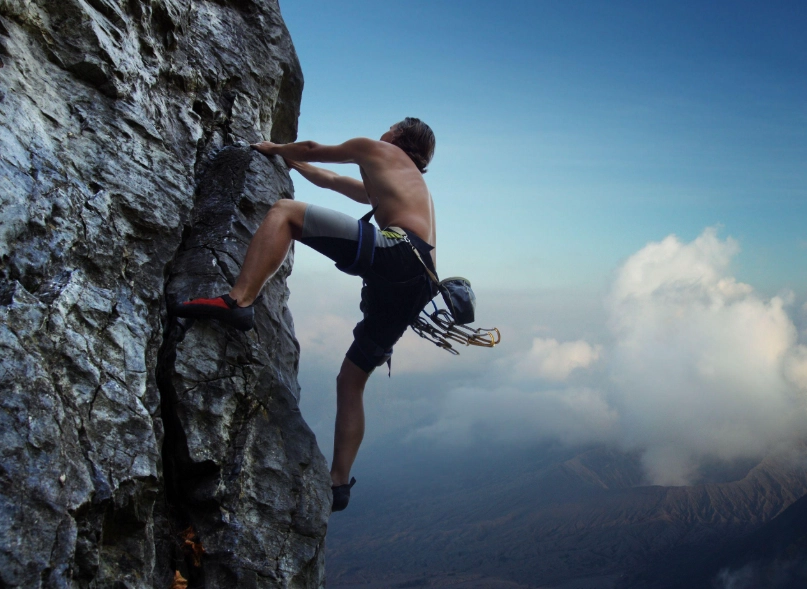
Is it expensive? Yes.
Is it worth it? Absolutely. It's cheaper than a hospital visit.
Planning Your First Real Mountain Climb
Okay, you're fit, you've got your gear dialed, you've done some big hikes. Time to pick a peak.
Choosing the Right First Summit
For your first objective, think "attainable challenge," not "epic conquest." Research is key. Look for mountains with:
- Clear, well-established trails to the summit.
- Moderate elevation gain (under 4,000 feet is a good start).
- No technical sections (no ropes required).
- Good beta online—trip reports from the last few months are gold.
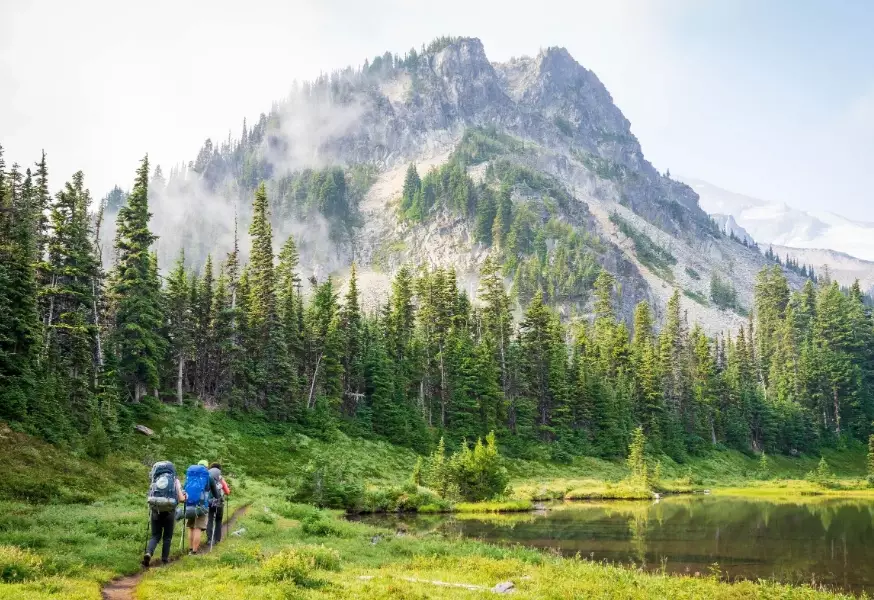
Classic beginner mountains in the US are things like Mount St. Helens (non-technical route), Grays Peak in Colorado, or Mount Monadnock in New Hampshire. What's "beginner" varies wildly by region, so ask local hiking clubs.
The Pre-Climb Ritual: More Than Packing
Your climb starts days before. Check the weather religiously—not just for the summit, but for the entire route and the forecast trend. Mountain weather is brutal and changes fast. Contact the local ranger station for trail conditions, snow levels, and permit requirements. Yes, many popular mountains now require permits, often through a lottery. The Recreation.gov site is the hub for many of these.
Then, pack. Then, repack. You'll always bring too much at first. A detailed checklist prevents forgetting critical items. Finally, leave a trip plan with a reliable person: where you're going, your route, when you expect to be back, and who to call if you're overdue.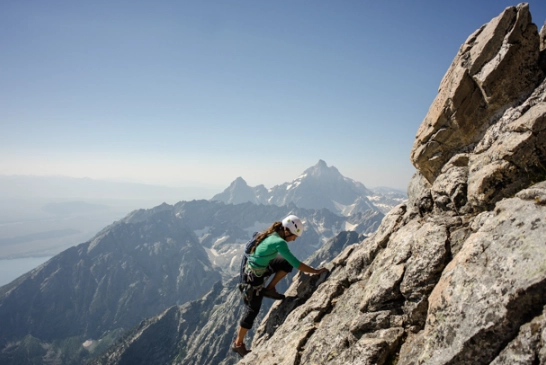
Safety: The Non-Negotiable Priority
This isn't about fear-mongering; it's about respect. The biggest risks in mountain climbing are often the quiet ones.
Weather and Hypothermia
Hypothermia can set in at temperatures well above freezing if you're wet, tired, and windy. Know the signs: uncontrollable shivering, slurred speech, clumsiness. Your shell layers are your first defense. Always have a dry base layer in a plastic bag in your pack.
Navigation and Getting Lost
Most search-and-rescue calls start with someone off-trail. If you think you're lost, STOP. Don't just keep going downhill (it often leads to cliffs or thick brush). Retrace your steps to the last known point. If that's impossible, stay put, conserve energy, and signal for help.
Acute Mountain Sickness (AMS)
If your mountain climbing ambitions take you above 8,000 feet, you need to understand AMS. It's your body's rebellion against low oxygen. Headache, nausea, dizziness, fatigue. The cure? Descend. Pushing through can lead to life-threatening HAPE or HACE. The best prevention is gradual ascent—climb high, sleep low, and hydrate like it's your job.
Frankly, the most important safety tool is between your ears. It's the humility to turn around when the weather turns, when you're too tired, or when the route looks sketchier than expected. Summits will always be there. You only get one body.
Progressing Your Mountain Climbing Journey
So you've bagged a few peaks. The itch returns, stronger. What's next?
Moving into Technical Terrain
This is where mountain climbing splits into distinct disciplines: rock climbing, ice climbing, alpine mountaineering. Each requires new, specialized gear and skills. The progression usually goes:
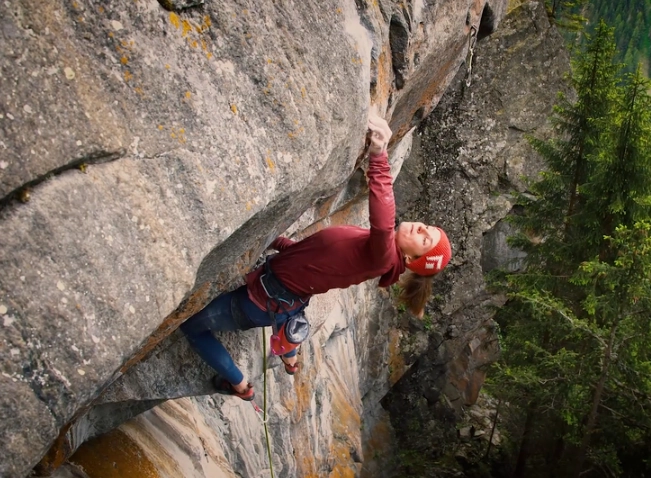
- Rock Climbing: Learn to climb on local crags—top-roping first, then leading. This teaches rope management, belaying, and movement on rock.
- Alpine Rock: Applying those rock skills in a mountain environment, often involving longer approaches, scrambling, and multi-pitch climbs.
- Snow & Glacier Travel: Learning to use an ice axe, crampons, and travel roped together on a glacier to avoid hidden crevasses.
- Full-On Mountaineering: Combining all of the above on big, remote peaks, often involving mixed rock, snow, and ice over multiple days.
Each step is a significant commitment. Find mentors, take courses, and climb progressively harder objectives.
Training for the Big Ones
As goals get bigger, training gets more specific. It's no longer just about general fitness. You need to train for the specific demands of your objective: carrying a heavy pack (load carriage), long endurance days (volume), and the specific movements (like step-ups for elevation gain). Programs like those from Uphill Athlete or Training for the New Alpinism are the gold standard here.
Common Questions About Mountain Climbing Answered
How dangerous is mountain climbing, really?
It's a spectrum. Hiking on a well-marked trail in good weather is a low-risk activity. Technical alpine climbing on remote peaks is high-risk. The danger is manageable through knowledge, preparation, fitness, and good judgment. Statistically, driving to the trailhead is often the most dangerous part of the day. But the mountains demand you pay attention in a way a highway doesn't.
I'm afraid of heights. Can I still climb mountains?
You'd be surprised how many climbers deal with this. Exposure (the feeling of empty space around you) is a trigger. The key is gradual exposure. Start on trails with no exposure. Then try a short scramble with a bit of exposure. Then a longer one. Your brain can adapt. The fear often doesn't go away, but you learn to manage it, to focus on your next handhold or foothold instead of the void. It's one of the most empowering parts of the sport.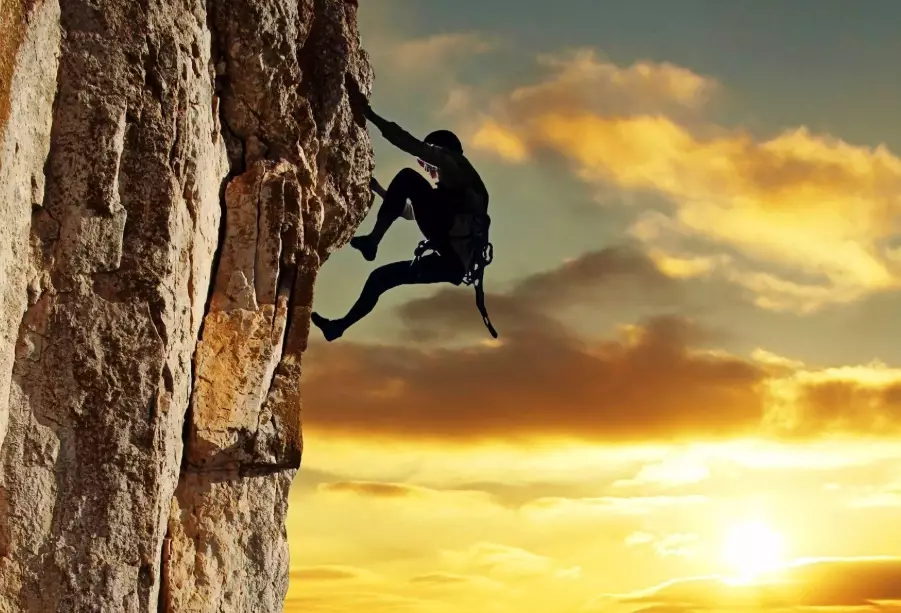
How do I find climbing partners?
This is the biggest hurdle after the beginner phase. Don't just ask random people online. Start local. Join a hiking or climbing club (like The Mountaineers or local chapters of the Appalachian Mountain Club). Take a course—your classmates are potential partners. Volunteer for trail maintenance. Build a reputation as someone who is prepared, reliable, and fun to be with. Partnerships in the mountains are built on trust, which takes time.
What about the environmental impact? Is climbing ethical?
This is the critical question for our generation. Our impact is real: trail erosion, crowded summits, human waste issues, disturbing wildlife. The answer isn't to stop going, but to go responsibly. Follow Leave No Trace principles religiously. Pack out all trash, including toilet paper. Stay on durable surfaces. Be considerate of others. Support organizations that maintain trails and advocate for conservation. We are guests in these wild places.
Mountain climbing isn't a hobby you master. It's a lifelong practice of learning—about the mountains, about your gear, and most importantly, about yourself. It will frustrate you, scare you, exhaust you, and cost you money. But it will also show you places of unbelievable beauty, introduce you to incredible people, and give you a deep, quiet confidence that seeps into every part of your life. Start small, be safe, and just take that first step. The path upward is there, waiting.