Trail Snapshot
Let's be honest, a hike just feels incomplete without your dog trotting alongside you, doesn't it? The shared excitement, the new smells for them, the fresh air for you—it's one of the best ways to bond. But anyone who's tried it knows that dog friendly hiking isn't as simple as just clipping on a leash and heading out the door. I learned that the hard way after a particularly ambitious (read: poorly planned) trip with my energetic Labrador, Finn, that ended with a sore paw, a lot of burrs, and one very thirsty pup. That experience taught me more than any guidebook could.
This guide is everything I wish I'd known back then. We're going to move beyond just finding a trail that allows dogs. We'll dig into how to prepare your dog (and yourself), what gear actually earns its place in your pack, and the unwritten rules of the trail that keep everyone—two-legged and four-legged—safe and happy. Whether you're dreaming of a gentle forest walk or a challenging mountain ascent with your canine partner, let's get you ready.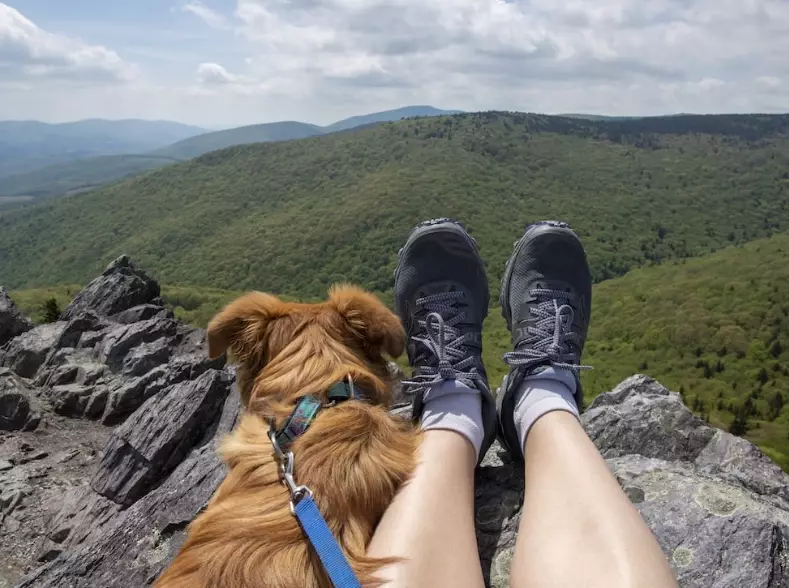
Why Go Dog Friendly Hiking? Beyond the obvious fun, it's fantastic exercise that combats pet obesity, provides crucial mental stimulation by satisfying their natural curiosity, and deepens your bond through shared adventure. It's also a great way for you to stay accountable to your own fitness goals. Who can skip a walk when those puppy-dog eyes are watching?
Finding the Perfect Dog Friendly Hiking Trail
This is usually the first hurdle. Not all trails are created equal for our furry friends. A "dogs allowed" sign is just the starting point. You need to think about the trail's specific challenges and your dog's abilities.
Where do you even look? I'm a huge fan of using apps and websites built for this. AllTrails is my go-to. You can filter searches explicitly for "dog friendly" trails. The user reviews are gold—people often mention if a trail has tricky scrambles, narrow cliff edges, or heavy bike traffic that might not be ideal for dogs. Another fantastic resource is the National Park Service website. Now, here's a critical point: most U.S. National Parks have very strict rules, often restricting dogs to paved areas or campgrounds. Don't assume! Always, always check the specific park's "pets" page. Your best bets for true wilderness hiking with dogs are often National Forests or Bureau of Land Management (BLM) areas, which tend to have more lenient policies (usually just a leash requirement). State and local parks vary wildly, so a quick website check or phone call can save a major disappointment at the trailhead.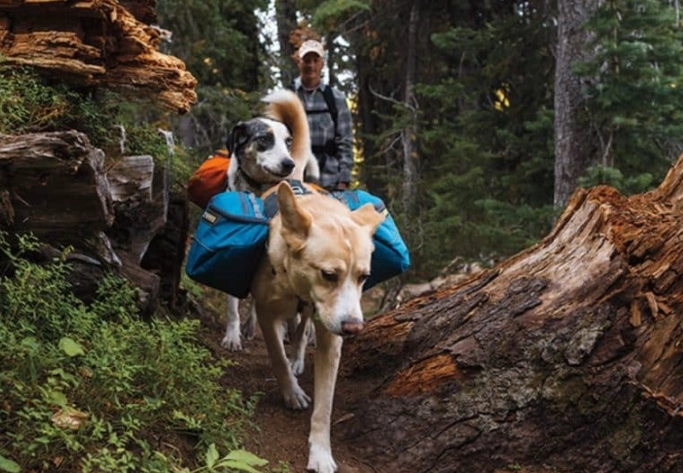
So, what makes a trail "good" for dogs? Let's break it down:
- Terrain: Sharp, rocky scree can tear up paw pads. Steep, sustained climbs can be tough on joints, especially for older dogs or heavy breeds. Look for trails with dirt or packed soil surfaces when starting out.
- Length & Elevation: Match the trail to your dog's fitness, not yours. A dog that's great on a 30-minute neighborhood walk isn't necessarily ready for a 5-hour mountain trek. Build up distance and elevation slowly.
- Water Access: Is there a stream, river, or lake along the route? This is a game-changer for keeping your dog cool and hydrated. Just be cautious of fast currents or unknown water quality.
- Shade Coverage: A fully exposed ridge under the summer sun is a recipe for overheating. Forested trails offer natural cooling.
- Traffic: Heavily used trails mean more encounters with other dogs, people, bikes, and even horses. If your dog is reactive or easily overwhelmed, seek out less-popular paths or go during off-hours.
My Mistake: I once took Finn on a "moderate" 6-mile trail I found online. The description mentioned "some rocks." It was essentially a boulder field for two miles. He was a champ, but I spent half the hike worried about his paws and helping him down drops. Now I obsessively scan photos in trail reviews looking for ground surface shots.
The Non-Negotiable Dog Hiking Gear Checklist
You wouldn't head out without your own boots and water, right? Your dog needs a tailored kit too. Forget the fancy, gimmicky stuff at first. Focus on these fundamentals.
The Absolute Essentials (Don't Leave Home Without):
- A Proper Harness: Collars are for tags. A well-fitted hiking harness gives you better control and distributes pressure safely if your dog pulls or needs help over an obstacle. Look for one with a front clip for training and a sturdy back handle for assists.
- A Sturdy Leash (6-foot): Retractable leashes are a hard no on trails. They get tangled on roots, offer zero control in emergencies, and can snap. A standard 6-foot nylon or biothane leash is perfect. I keep a second, shorter traffic leash in my bag for crowded trailheads.
- Dog-Specific First Aid Kit: Your human kit won't cut it. You need tweezers for ticks and thorns, a self-adhering bandage (vet wrap) that won't stick to fur, antiseptic wipes, and styptic powder for minor cuts. The American Veterinary Medical Association (AVMA) has great resources on pet first aid.
- Water & Bowl: This is so critical. Dogs can't cool themselves efficiently and dehydrate fast. Plan for at least 8 ounces of water per hour of activity for a medium-sized dog, more in heat. A collapsible silicone bowl is lightweight and easy.
- Waste Bags (and a Plan to Pack It Out): Carry twice as many as you think you'll need. In many pristine areas, the rule is "pack it out"—meaning you carry the used bag to a trash can. A dedicated smell-proof bag or container is a worthy investment.
Now, let's talk about the gear that moves from "nice-to-have" to "essential" depending on your adventure.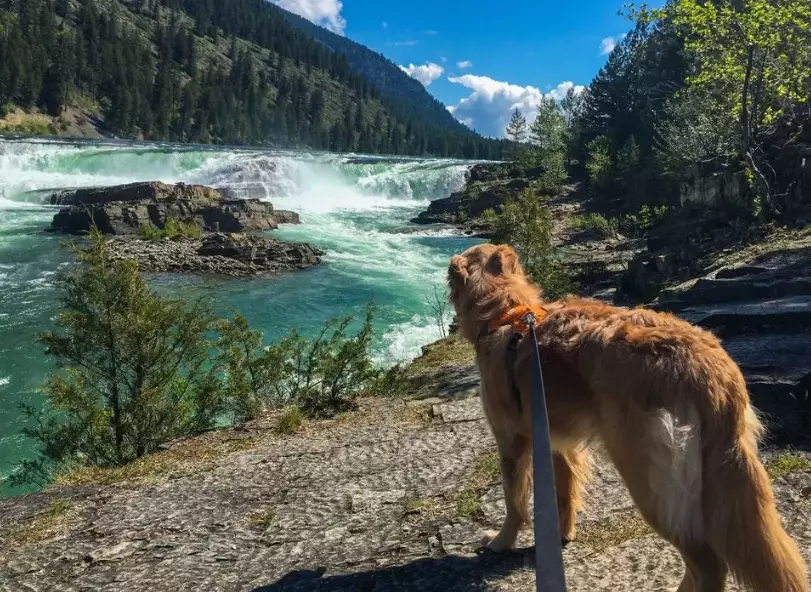
| Gear Item | Best For / Purpose | My Top Pick & Why | When You Can Skip It |
|---|---|---|---|
| Dog Booties | Protecting paws from sharp rocks, hot sand/snow, ice melt chemicals, or rough terrain. | Ruffwear Grip Trex. They have a solid sole and secure velcro. Fit is everything—measure carefully! | Short hikes on soft, cool dirt or grass. Many dogs hate them at first, requiring acclimation at home. |
| Dog Backpack | Letting a fit, healthy dog carry its own water, food, and waste. Builds purpose and tires them mentally. | Ruffwear Approach Pack. Balanced, stable, and doesn't chafe. Start with it empty, then add no more than 25% of your dog's body weight. | Puppies, seniors, dogs with joint issues, brachycephalic (short-nosed) breeds, or very hot days. |
| Collapsible Water Bowl | Hydration on the go. Lightweight and clips to a pack. | Any simple silicone bowl. I have two—one for water, one for food if we're out all day. | Never. Even if you have a natural water source, a bowl is needed. Some dogs won't drink from squeezed water bottles. |
| Tick Remover / Prevention | Critical in wooded/grassy areas. Ticks carry Lyme and other diseases. | A physical tick key plus a vet-recommended topical or oral preventative. Don't rely on one method. | Never. Ticks are a year-round risk in many areas. Check your dog (and yourself!) thoroughly after every hike. |
| High-Value Treats | Reinforcing recall, rewarding good behavior, and a quick energy boost. | Small, smelly, soft treats like freeze-dried liver. Keep them in an accessible pocket. | Never. Treats are your primary tool for managing your dog's attention around distractions. |
That last row is key. The best piece of "gear" you have is a reliable recall command. A pocket full of chicken can be more effective than the most expensive leash when you need your dog to come back from sniffing a squirrel near a cliff edge.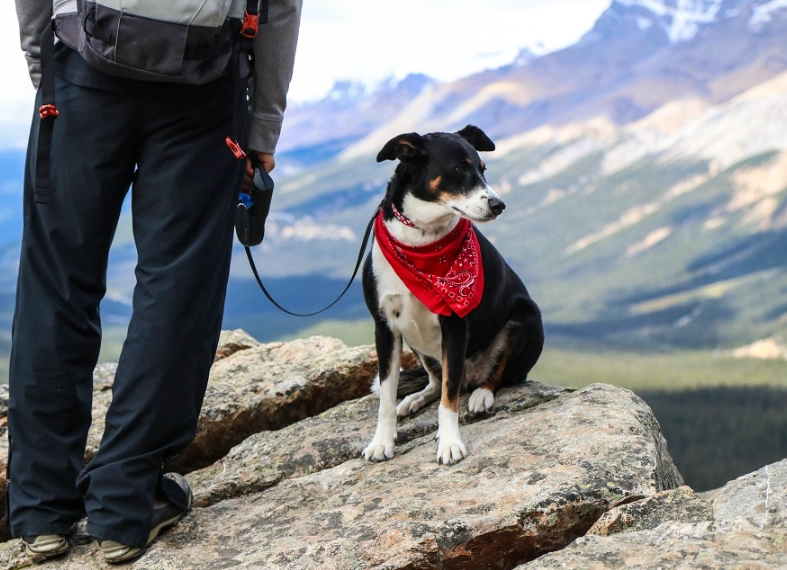
Safety First: Avoiding the Big Risks on Dog Friendly Hikes
This is the serious part. The wilderness doesn't care how cute your dog is. Being prepared is what turns a potential disaster into a minor hiccup.
Overheating and Dehydration
This is the number one danger. Dogs overheat incredibly fast. Signs include excessive panting, bright red gums, thick drool, stumbling, and vomiting. If you see these, stop immediately. Get to shade, pour cool (not ice-cold) water on their belly and paw pads, and offer small sips of water. This is an emergency.
Rule of Paw (Pun intended): If the pavement or ground is too hot for you to comfortably place the back of your hand on for 7 seconds, it's too hot for your dog's paws. Hike in the early morning or late evening during summer.
Wildlife Encounters
This depends on your region. The core rule is leash your dog. A dog chasing a deer can get lost or injured. Far worse, a dog provoking a bear, mountain lion, or even a protective moose puts both of you in extreme danger. A leashed dog is safer and prevents them from harassing wildlife. For snakes, stick to clear trails and avoid letting your dog poke its nose into holes or under rocks. Know if venomous snakes are in your area and the location of the nearest emergency vet.
Paw Care and Injuries
Check paws frequently for cuts, cracks, or lodged debris. Musher's Secret is a fantastic wax that creates a protective barrier on pads. For minor cuts, clean and bandage. For anything deep or that won't stop bleeding, you need to get out and to a vet. Can you carry your dog out if needed? For larger dogs, practice using a makeshift sling with a jacket or invest in a rescue harness. It's a sobering thought, but a necessary one.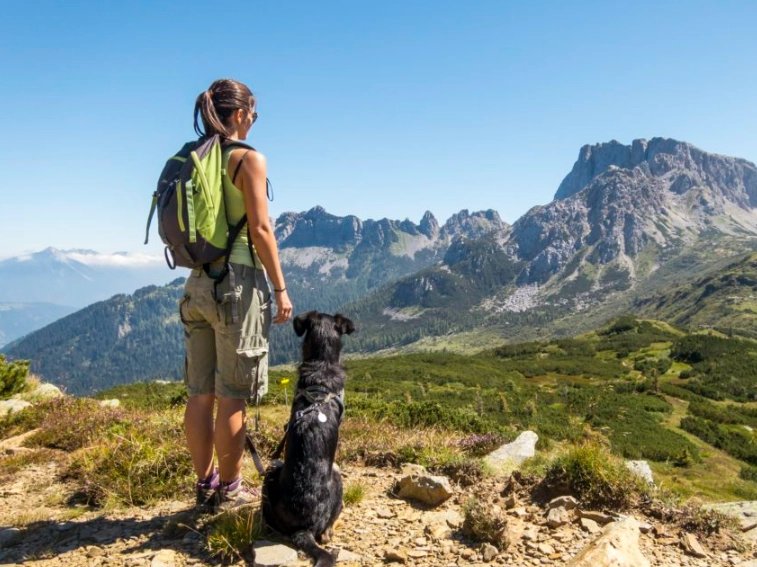
Trail Etiquette: Being a Good Ambassador
How we behave on the trail keeps trails open to dogs. One bad owner can ruin it for everyone.
Leash Laws Mean Leash Laws. Even if your dog has perfect recall, if the sign says "leash required," you leash up. It's about respecting other users—the family with a timid toddler, the trail runner, the person with a reactive dog working on training. Your off-leash dog, even if friendly, can ruin their experience.
Yield the Trail. Typically, hikers going uphill have the right of way. Step off the trail with your dog under control to let them pass. If you encounter horses or pack animals, get completely off the trail on the downhill side (so you're below them) and hold your dog's collar calmly. Horses can spook easily.
The Poop Situation. This is the biggest complaint about dog owners. You MUST pick it up. Every time. Burying it is not acceptable in most ecosystems. If you're in a remote, "pack it out" area, you carry the used bag with you. I use a dedicated odor-proof zip bag inside my pack. It's not glamorous, but it's part of the deal.
Managing Encounters. Not every dog wants to say hi. Ask before letting your dog approach another. A simple "Is your dog friendly?" goes a long way. Keep your dog close and focused on you when passing others.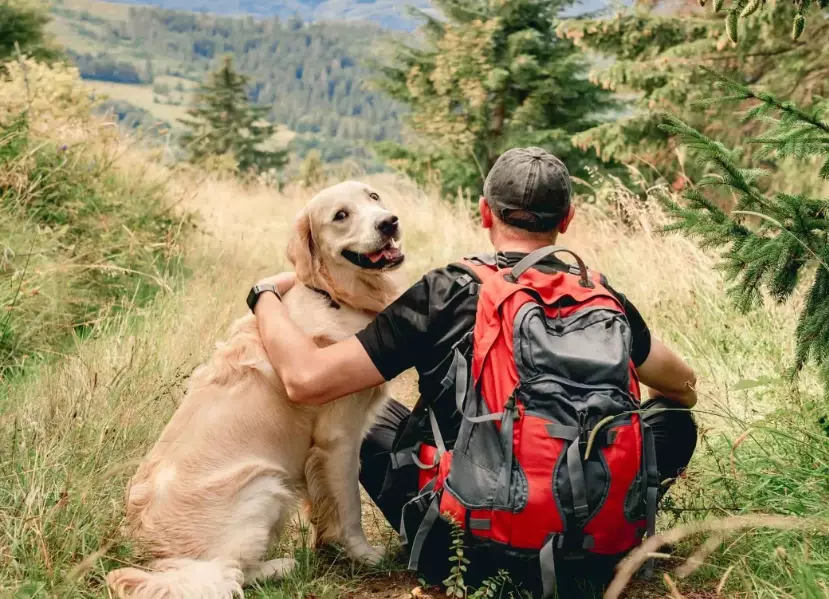
Think of it this way: every time you follow the rules and clean up after your dog, you're voting for more trails to stay open and welcoming for our four-legged friends. It's a collective effort.
Your Dog Friendly Hiking Questions, Answered
I get asked these all the time by friends getting started. Let's tackle the common head-scratchers.
How old should my puppy be before we start hiking?
Wait until your vet gives the all-clear, usually after their final vaccinations (around 16 weeks). Even then, keep it very short and on easy terrain. A puppy's growth plates are still developing, and too much impact can cause long-term issues. Think 15-20 minutes of gentle walking, not a 5-mile climb. Socialization to new sights and sounds is the goal, not distance.
My dog drinks from streams. Do I still need to carry water?
Yes. I can't stress this enough. Natural water sources can contain parasites like Giardia or bacteria like Leptospirosis. They can also be contaminated upstream. Carry enough clean water for the entire hike. If you're in a real bind, a portable water filter rated for bacteria and protozoa (like those from Sawyer or Katadyn) can be used to treat stream water for your dog.
What do I do if my dog gets something sticky or dangerous on their fur?
This is where a small bottle of dawn dish soap or dog-specific shampoo in a leak-proof container can be a lifesaver. For pine sap, rubbing alcohol on a cloth can help break it down (avoid the skin). For skunk spray, the classic mixture is 1 quart 3% hydrogen peroxide, 1/4 cup baking soda, and 1 teaspoon of Dawn soap. Mix it fresh and use it outdoors. For anything toxic they might have rolled in, you need to get it off immediately to prevent poisoning from ingestion during grooming.
How can I tell if my dog is enjoying the hike or just enduring it?
Look for loose, relaxed body language, a gently wagging tail, and frequent "check-ins" where they look back at you. A happy hiking dog will move at a steady trot, sniffing and exploring. Signs of stress or discomfort include lagging far behind, constant panting when it's not hot, whining, pinned-back ears, or refusing to move. Pay attention. They can't tell you their paws hurt; you have to notice.
Is dog friendly hiking okay for all breeds?
Most breeds can enjoy adapted hikes, but you must consider their physiology. Brachycephalic breeds (Pugs, Bulldogs, Boxers) overheat dangerously fast and struggle to breathe on strenuous climbs. Giant breeds can be prone to joint problems. Short-legged breeds (Dachshunds, Corgis) may struggle with big steps or long distances. Tailor the adventure to your specific dog. A leisurely, shady, flat trail can be a perfect dog friendly hiking experience for a Pug, while a Border Collie might need miles and challenges to feel satisfied.
Putting It All Together: Making the Memories
At the end of the day, dog friendly hiking is about shared joy. It's about watching your dog discover the world with its nose, seeing them navigate a log bridge with careful steps, and that deep, contented sleep they fall into on the car ride home.
Start small. Choose an easy, well-reviewed trail close to home for your first outing. Pack your essentials kit. Go when the weather is mild. Focus on the experience, not the mileage. Take lots of pictures (you'll want them). And most importantly, pay attention to your best friend. Their enthusiasm is contagious, but their limits are real.
The trails are waiting. With a bit of knowledge and preparation, you and your dog are ready to explore them safely and responsibly. Now, go get those tails wagging on the trail.
Final Pro-Tip: Keep a dedicated "dog hike" bag stocked and ready by the door. Refill the water bladder, toss in a fresh pack of treats, and replace used waste bags. When the sun is shining and the itch to get outside hits, you can be out the door in five minutes, no frantic packing required. Happy trails!