When you think of national parks, towering peaks and deep forests probably come to mind first. But the lifeblood of these landscapes, both literally and figuratively, is often the river that carved them. From the thunderous roar of whitewater in the Grand Canyon to the glassy calm of a boundary waters stream, national parks rivers offer a completely different pace of adventure. They're highways for wildlife, challenges for paddlers, and sanctuaries for anglers. I've spent over a decade guiding and exploring these waterways, and I can tell you, the view from the water is unbeatable.
In This Article:
Top National Park River Experiences You Can't Miss
Not all river trips are created equal. Some are about adrenaline, others about solitude. Here’s a breakdown of iconic national park rivers, categorized by what they do best.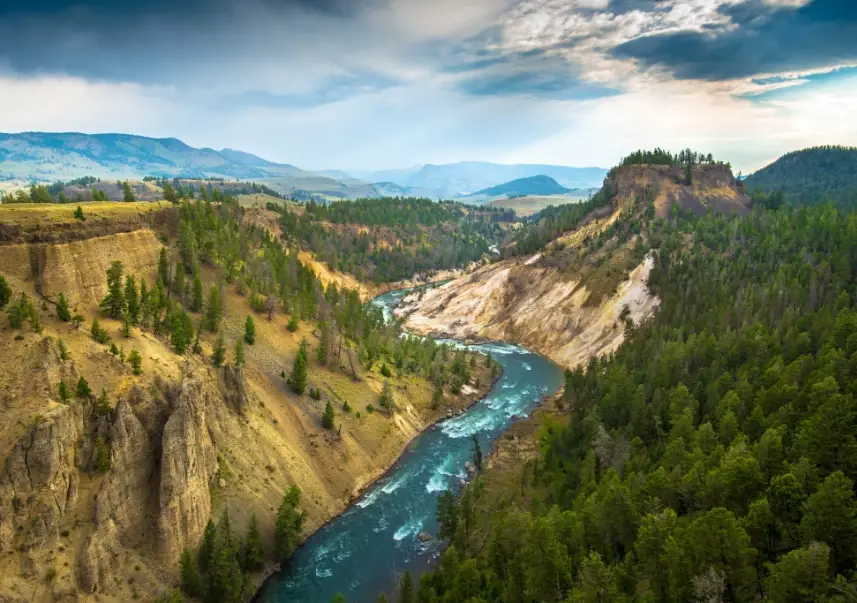
For the Whitewater Thrill-Seeker
The Colorado River through Grand Canyon National Park is the ultimate. A multi-day expedition here is less of a trip and more of a life event. We're talking massive rapids like Lava Falls, side hikes to hidden waterfalls, and sleeping under a blanket of stars on billion-year-old rocks. Permits are famously hard to get (more on that later), which is why many people go with an outfitter. Trips range from 5 to 18 days. Expect to pay $2,500-$6,000 per person for a guided trip.
The Snake River in Grand Teton National Park offers a more accessible whitewater fix. You can do a scenic float in the park's quieter stretches, but for rapids, head south to the Snake River Canyon. Guided half-day trips launch from the town of Alpine, Wyoming, just outside the park. The rapids are big, fun, and consistent (Class III). It's a perfect intro to serious whitewater with the stunning Teton Range as a backdrop. A half-day trip costs around $80-$100 per person.
For Peaceful Paddling and Wildlife
The waterways of Voyageurs National Park are a paddler's dream. This park in Minnesota is mostly water—a network of interconnected lakes and rivers. You can spend days canoeing or kayaking, camping on remote islands, and listening for loons. It's not about rapids; it's about rhythm and discovery. You'll need a free overnight permit for your chosen campsite, which you can reserve on Recreation.gov. Rentals and shuttle services are available from outfitters in nearby International Falls.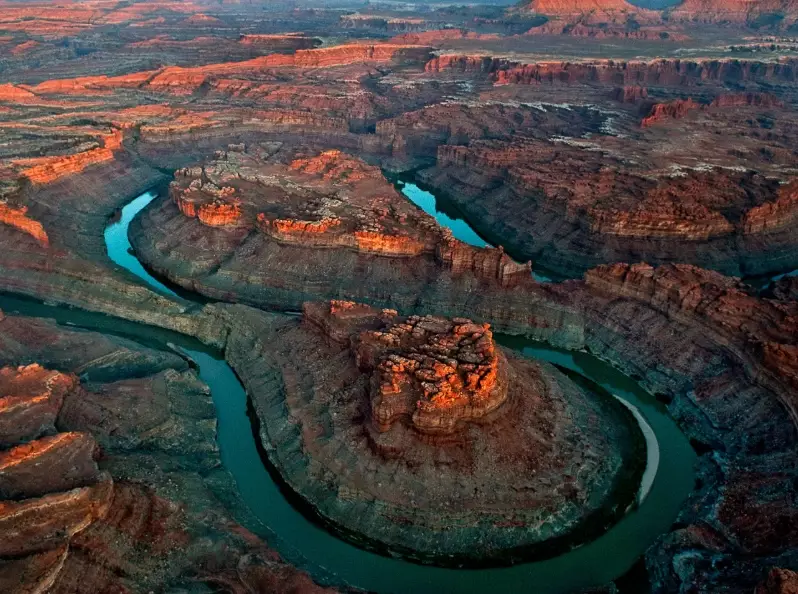
The Rio Grande in Big Bend National Park creates the park's southern border. Paddling through Santa Elena or Mariscal Canyons is surreal—sheer limestone walls rise 1,500 feet straight out of the water. The water is often calm (depending on release from upstream dams), making it suitable for canoes and beginner kayakers. The real magic is the silence and the scale. You need to be self-sufficient and check water levels. No permits are required for day trips on the river itself, but you need a park entry pass.
For World-Class Fishing
The Yellowstone River in Yellowstone National Park is hallowed ground for fly fishers. It holds native Yellowstone cutthroat trout. The section from the park boundary near Gardiner down through the Grand Canyon of the Yellowstone is particularly famous. Remember, you need a Yellowstone National Park fishing permit, available at visitor centers, in addition to a Wyoming state license. It's strictly catch-and-release for cutthroat in most areas.
The streams of Great Smoky Mountains National Park are packed with eager brook, rainbow, and brown trout. Over 800 miles of fishable streams mean you can always find a quiet spot. Fishing is allowed year-round in most areas, and a Tennessee or North Carolina license is required. The smaller, high-elevation streams are where you'll find the park's only native trout, the Southern Appalachian brook trout.
| River & Park | Best For | Key Activity | Difficulty | Permit Needed? |
|---|---|---|---|---|
| Colorado River (Grand Canyon) | Epic Multi-Day Adventure | Whitewater Rafting | Advanced (Class IV-V) | Yes, highly competitive lottery |
| Snake River (Grand Teton) | Accessible Whitewater | Half-Day Rafting | Intermediate (Class III) | No for guided trips (outfitter holds permit) |
| Boundary Waters (Voyageurs) | Solitude & Canoeing | Multi-Day Canoe Camping | Beginner (Flatwater) | Yes, for overnight campsites |
| Yellowstone River (Yellowstone) | Fly Fishing | Trout Fishing | Varies by stretch | Park Fishing Permit + State License |
How to Plan Your National Park River Trip (Step-by-Step)
This is where most people get tripped up. Planning a river trip has more moving parts than a hike.
Step 1: Choose Your Adventure Type. Are you dreaming of lazy floats, heart-pounding rapids, or casting a fly? Be honest about your skill and comfort level. A Class II rapid looks fun on video but can feel overwhelming in person.
Step 2: Research the Specific River. Don't just pick a park; pick a specific stretch of river. Use the National Park Service (NPS) website for the park you're targeting. Look for the "Boating" or "Fishing" section. This is where you'll find the golden info: permit requirements, launch points, seasonal closures, and current hazards.
Step 3: Navigate the Permit Maze. This is the most critical step. For self-guided trips on major rivers, you usually need a permit. Systems vary wildly:
- Lottery (Grand Canyon): Apply months or years ahead.
- Reservation (Many others): Permits become available on a set date (often January/February) on Recreation.gov and sell out in minutes.
- First-Come, First-Served: A limited number may be available the day before your trip at a ranger station. This is a risky strategy in peak season.
If this sounds like a headache, booking with a licensed outfitter is your best bet. They hold commercial permits, handle all logistics, provide gear and food, and have trained guides. It's more expensive but infinitely easier.
A Personal Reality Check
My first major self-guided trip was on the Green River in Canyonlands. We got the permit, packed the boats, and felt like pros. What we underestimated was the wind. On flat water, a 20-knot headwind can stop you dead. A planned 4-hour paddle turned into a 7-hour grind. The lesson? Always add a massive buffer for weather, especially on big, open water. Your perfect schedule will rarely survive contact with the river.
Step 4: Gear Up (or Rent). For paddling, you need a boat (raft, kayak, canoe), PFDs (life jackets) for everyone, paddles, and a dry bag for everything you want to keep from getting soaked. For fishing, waders, rod, and a valid license. Most parks have nearby towns with outfitters that rent everything. Don't be a hero—if you're new to this, rent. It's cheaper than buying gear you might not use again.
Step 5: Book Everything Else. This includes campgrounds or lodging for the nights before/after your trip, shuttle services to get you from your take-out point back to your car (a crucial and often forgotten cost), and any necessary backcountry camping permits if your river trip is multi-day.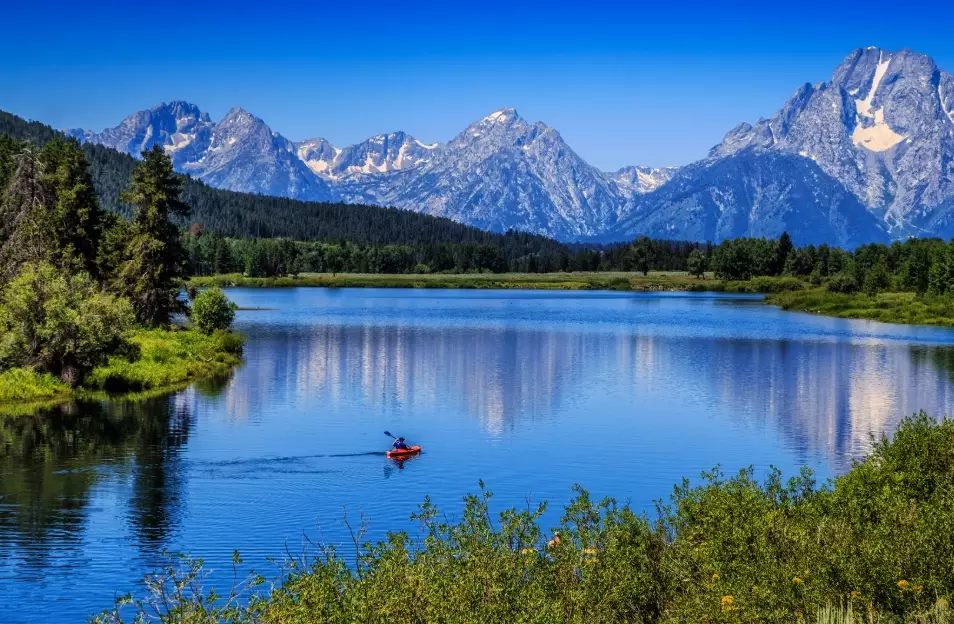
River Safety and Conservation: What Guidebooks Don't Tell You
Rivers are dynamic and powerful. Respect is non-negotiable.
Safety First: Always wear your PFD (Life Jacket). Every time, no exceptions. Even on calm water. Cold water immersion can incapacitate you in minutes. Check the weather forecast and water flow data (USGS has real-time gauges for most rivers). A river that's perfect one day can be a deadly torrent after rain. Tell someone your detailed plan: put-in/take-out points, expected return time.
The biggest mistake beginners make? Underestimating strainers. These are trees or branches stuck in the current. Water flows through, but a boat or person can get pinned against them with immense force. They are deadly. Learn to identify them from upstream and steer far, far clear.
Conservation is Your Job: The principles of Leave No Trace are amplified on rivers. Pack out everything you pack in—and I mean everything. That includes food scraps and biodegradable soap (never use soap directly in a waterway). Use established river campsites when they exist. Human waste must be managed properly; on many rivers, like the Grand Canyon, you are required to carry and use a portable toilet system. Respect wildlife from a distance, especially nesting birds on sandbars.
There's a quiet crisis on some of our most popular rivers: overcrowding and resource damage. By planning well, following rules, and treading lightly, you help ensure these rivers remain wild for the next generation of paddlers and anglers.
Your National Park Rivers Questions, Answered