Let's cut to the chase. Glacier Point isn't just another viewpoint in Yosemite. It's the viewpoint. Standing at 7,214 feet, you're looking directly across the heart of the valley at the sheer face of Half Dome, with Yosemite Falls, Vernal Fall, and Nevada Fall laid out below like a living topographic map. It's a scene that defines the park. But here's the thing everyone's blog post forgets to mention: just driving up, snapping a photo, and leaving is doing it wrong. You're missing the nuance, the timing, the quiet moments. I've been coming here for over a decade, guiding friends, and making every mistake so you don't have to. This guide is about how to experience Glacier Point, not just check it off a list.
What's Inside This Guide
How to Get to Glacier Point: Road, Hike, or Shuttle?
The journey is half the experience, and you've got choices. The easiest way for most is the 16-mile drive up Glacier Point Road from the Chinquapin intersection on the Wawona Road (Highway 41). It's a winding, scenic road that takes about 45 minutes from the valley. The parking lot is huge, but it fills up—often by 10 AM in summer.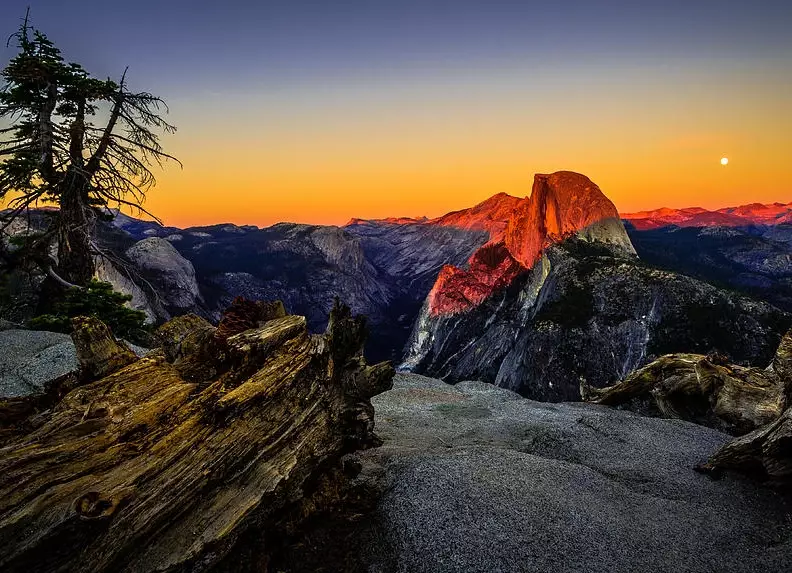
Critical Road Info You Must Know
Address for GPS: Glacier Point Road, Yosemite National Park, CA 95389. (Pro tip: GPS can be spotty in the park, have a map).
Open Season: Typically late May/early June through October or November. It's 100% weather-dependent. The National Park Service plows the road, and you can track the opening status on their official Current Conditions page.
Winter Access: The road closes to cars. The only winter access is via ski or snowshoe from Badger Pass, a serious backcountry undertaking.
From 2022 through at least 2024, the free Glacier Point shuttle bus from Yosemite Valley has been suspended. Don't rely on old blog posts saying you can take a bus. You can't. Your options are drive yourself, hike, or join a commercial tour from the valley (which can be pricey).
When to Go: Sunrise, Sunset, and Season Secrets
Timing isn't everything; it's the only thing. Your experience changes completely based on the hour and the month.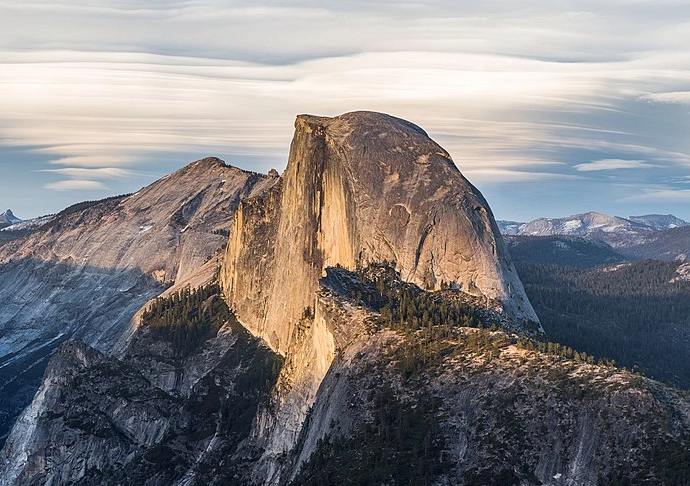
Sunrise vs. Sunset: The Crowd Factor
Sunset is the famous one. The light on Half Dome is legendary. It's also a zoo. The parking lot becomes a social hour, and finding a quiet spot at the wall requires patience. Sunrise, however, is a secret handshake among seasoned visitors. You'll need a headlamp and warm clothes, but you'll be rewarded with a serene, cool-blue world and maybe a dozen other people. The light creeps down the valley walls in a way sunset never does. For photography, sunset has the warm colors, but sunrise has cleaner air and dramatic shadows.
Seasonal Breakdown
| Season | Pros | Cons & Tips |
|---|---|---|
| Spring (May-June) | Waterfalls are thunderous! Yosemite Falls is at its peak. Wildflowers on the hike up. | Road may not be open until late May. Unpredictable weather, can still snow. |
| Summer (July-Sept) | Guaranteed road access. Long days, warm weather. | Extreme crowds. Haze from wildfires can ruin views. Hot for hiking. Go VERY early. |
| Fall (Oct-Nov) | Crowds thin out. Crisp, clear air. Stunning light. | Waterfalls are often a trickle or dry. Road closes with first major snowstorm. |
| Winter (Dec-Apr) | Absolute solitude for skiers. Snow-covered peaks are magical. | Road closed to vehicles. Accessible only via a 10.5-mile ski/snowshoe trek (experts only). |
My personal favorite? Late September. The summer masses have left, the air is crystal clear, and the light has a golden quality you don't get in August.
Hiking to or From Glacier Point: The Real Story
Driving is fine, but hiking changes the relationship. You earn the view. There are three main trails, and I've got strong opinions on all of them.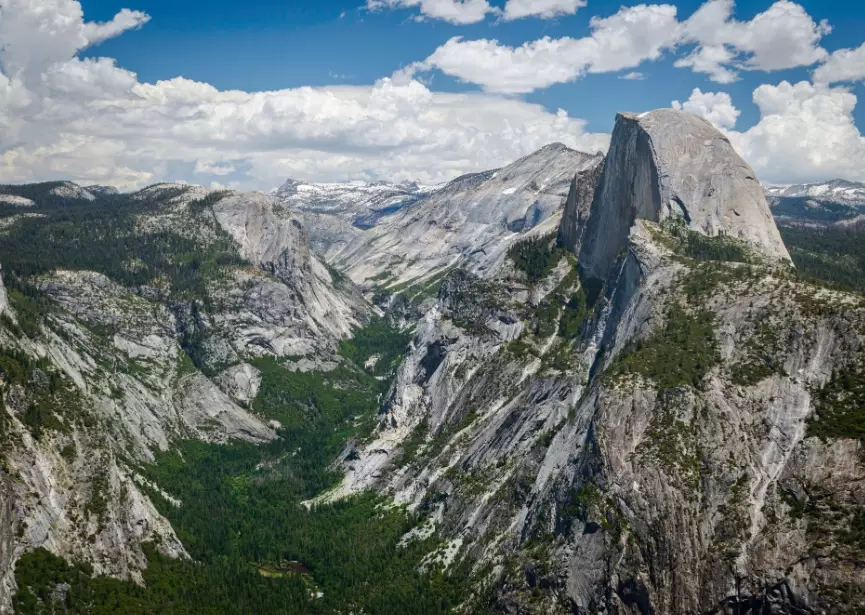
The Four Mile Trail (Spoiler: It's 4.8 Miles)
This is the classic ascent from Yosemite Valley. It starts near Sentinel Rock and climbs 3,200 feet. It's a butt-kicker. Well-maintained, but relentlessly uphill with little shade. The mistake I see every time? People starting at noon. You'll bake. Start at sunrise. Carry way more water than you think you need—I recommend 3 liters minimum. The reward is unparalleled: you watch the valley shrink beneath you, and arriving at Glacier Point feels like a genuine achievement. Plan 3-5 hours up, 2-3 hours down.
The Panorama Trail
This is the connoisseur's choice, and my personal favorite way to visit Glacier Point. You take a one-way hike *down* from Glacier Point to the valley, passing both Illilouette Fall and the tops of Nevada and Vernal Falls. It's about 8.5 miles of downhill (with some rolling climbs). The trick is logistics: you need to get yourself to the top first. This usually means paying for a one-way shuttle with a tour company or having a very kind friend drop you off. It's a full-day, spectacular journey.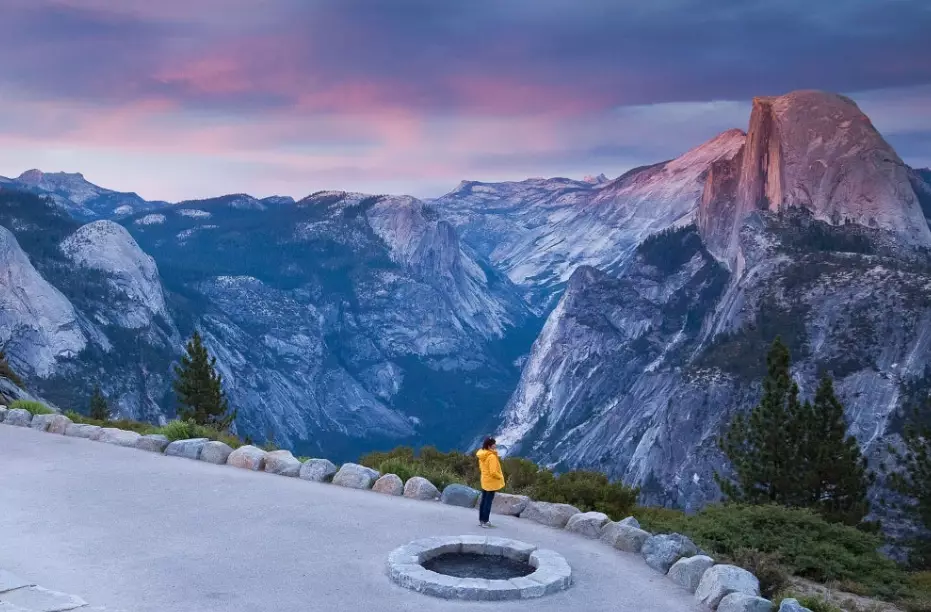
The Pohono Trail from Tunnel View
For the truly ambitious. This is a 13-mile point-to-point hike that starts at Tunnel View, passes several incredible overlooks (Inspiration Point, Stanford Point, Crocker Point), and ends at Glacier Point. It's a wilderness experience with huge elevation gains and losses. You'll likely have whole sections to yourself. Only for very strong hikers comfortable with long days and self-navigation.
Here's a non-consensus take: The Four Mile Trail is better as a *descent* than an ascent. Take the early morning hikers' bus (if it's running) or a tour shuttle to the top, enjoy Glacier Point leisurely, then hike down in the afternoon. Your knees will hate you a little, but it's far less grueling than climbing up in the heat.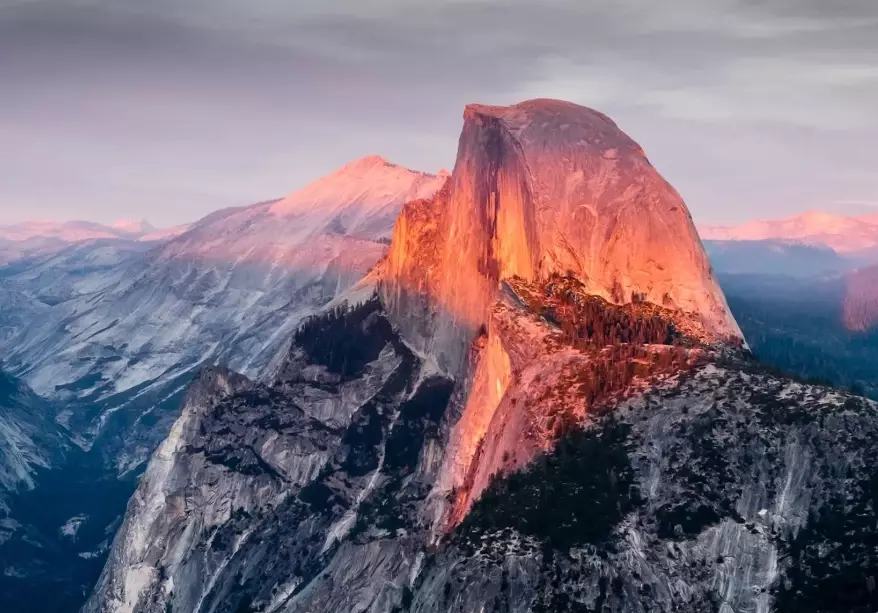
Your Glacier Point Planning Checklist
Forget something here, and your trip suffers. Here’s what actually matters.
- Park Entrance & Timed Entry: You need a park pass ($35/vehicle, 7 days). More critically, from spring through fall, Yosemite often requires a Timed Entry Reservation just to drive in during peak hours. This is separate from your pass. Book this on Recreation.gov well in advance. No reservation, no entry.
- Fuel & Supplies: There is NO gas, food, or water for sale at Glacier Point. The last gas is at Wawona or Crane Flat. Fill up. Pack all your food and bring full water bottles. There are restrooms at the point.
- What to Pack (Beyond the Obvious): A wide-brimmed hat and sunscreen (the sun is intense at altitude). A warm layer, even in summer—it can be 20+ degrees cooler than the valley. Binoculars for spotting climbers on Half Dome. A headlamp if you're staying for sunset (the walk back to the car is dark).
- Cell Service: Don't count on it. Download offline maps and any info you need beforehand.
What Most People Miss at Glacier Point
Everyone crowds the main wall. That's fine. But walk 5 minutes in either direction.
To the west (right, if facing Half Dome), a paved path leads to the Geology Hut, a small stone building with cool old diagrams explaining the view. Past that, the pavement ends and a trail continues along the rim. You'll get different, more intimate angles of the valley and far fewer people.
To the east, follow signs for the short walk to the actual "Glacier Point" summit proper. It's a minor bump, but it gives you a 360-degree view, including east toward the Clark Range and red firs you can't see from the main overlook.
The most overlooked feature? Just sitting down. Find a rock away from the crowd, maybe near the gnarled Jeffrey pines, and just watch. Watch the shadows move across the valley. Watch the hawks circle below you. That's the magic no photo can capture.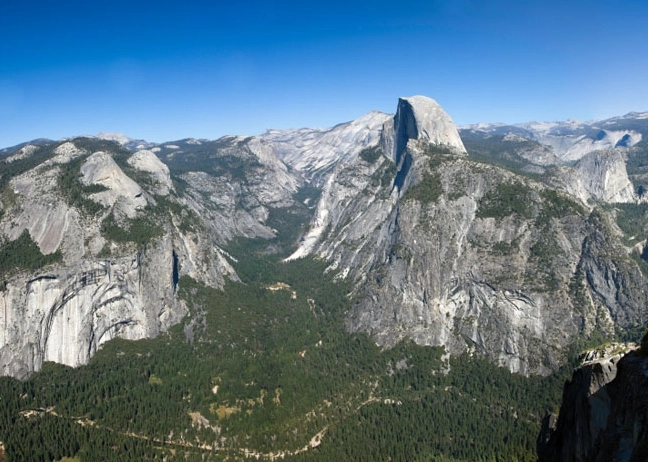
Glacier Point is more than a photo op. It's a lesson in scale, geology, and patience. You can do the drive-by version. Or you can use these tips to find your own moment with one of the greatest views on Earth. Trust me, the extra effort to go early, to hike a bit, to look beyond the main railing—that's what turns a sightseeing stop into a memory that sticks with you for years.