Quick Guide
- Why Bother? The Real Value of Adult-Only Ranger Programs
- What's Actually Out There? A Menu of Adult Adventures
- How to Find These Hidden Gems (A Practical Guide)
- Making the Most of It: Before, During, and After
- Answering Your Burning Questions (The FAQ We All Need)
- A Few Standout Examples to Spark Your Imagination
- The Unspoken Benefit: Becoming a Steward
Let's be honest. When you think of a park ranger talk, you might picture a circle of kids on a log, wide-eyed, learning about bear safety. That's a great image, but it's only half the story—maybe less than half. What gets lost in that picture is the rich, complex, and frankly, awesome world of National Parks ranger programs designed specifically for adults. These aren't kiddie activities with grown-ups awkwardly tagging along. They're deep dives, skill-building workshops, and immersive experiences that cater to a mature curiosity and pace.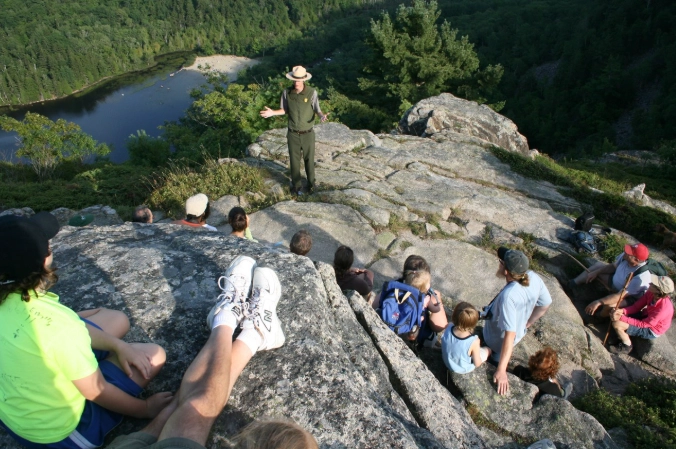
I remember signing up for my first one on a whim. It was a "Full Moon Hike" at a park out west. I expected a nice walk. What I got was a ranger pointing out constellations I'd never noticed, explaining the lunar impact on nocturnal animal behavior, and sharing local folklore under that incredible silver light. The group was all adults, the conversation flowed from science to philosophy, and nobody asked if we were there yet. That's the magic. It transforms a visit from passive sightseeing into active discovery.
The core idea? These ranger-led programs for adults leverage the rangers' deep expertise—ecology, history, geology, survival skills—and package it for an audience that's past naptime and ready for nuance. They answer the "why" and the "how" behind the stunning views.
Why Bother? The Real Value of Adult-Only Ranger Programs
You can absolutely enjoy a national park on your own. So why commit to a schedule and maybe even a fee for a ranger program? The value proposition is stronger than you might think, especially now.
First, it's about access and perspective. Rangers have keys—figuratively and sometimes literally. They can take you to areas that are off-limits to the general public, or at least, point out details you'd sprint right past. A ranger might stop you at a seemingly ordinary cliff face and show you 500-million-year-old fossilized ripple marks from an ancient sea. Suddenly, you're not just looking at a rock; you're time-traveling.
Second, it cuts through the noise. National parks are more popular than ever, leading to a real sense of overcrowding on main trails and overlooks. A ranger program for adults often follows a less-traveled path, literally and figuratively. It's a curated experience that prioritizes depth over checklist tourism. You're not fighting for a photo spot; you're engaged in a conversation.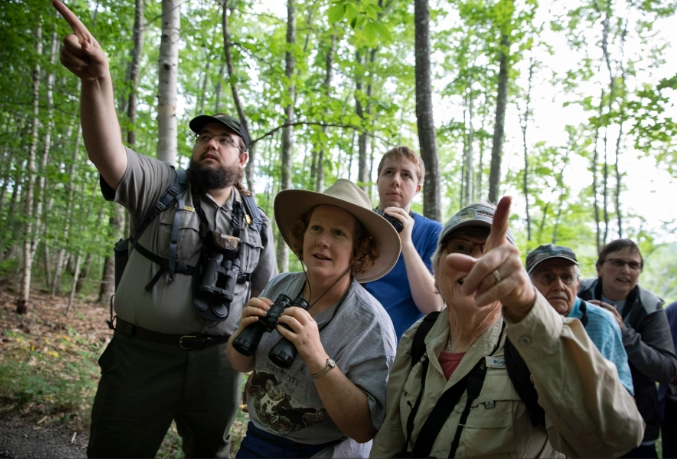
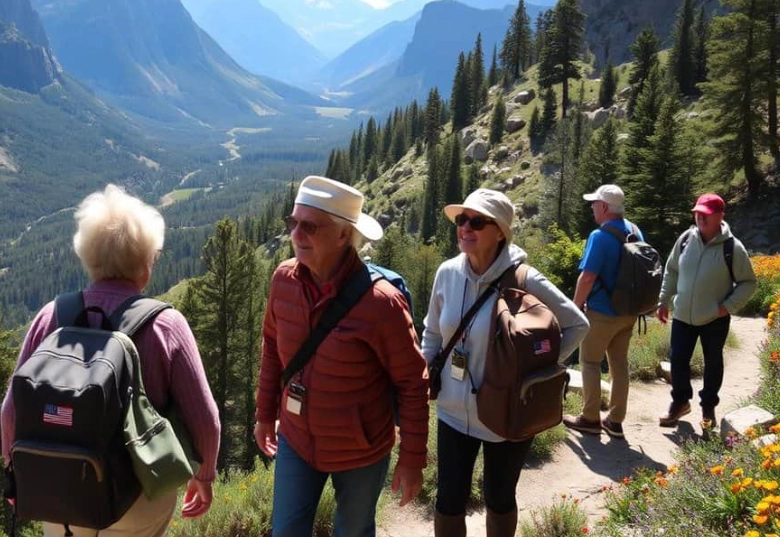
Third, it's social in the best way. You're with a group of people who chose to be there, who share a specific interest. The conversations are different. You might debate the ethics of wildlife management, share travel stories, or simply enjoy a shared moment of awe without distraction. For solo travelers, it's a fantastic, low-pressure way to connect.
What's Actually Out There? A Menu of Adult Adventures
The variety is staggering. When you start digging into National Park Service ranger programs for adults, you realize they cater to almost every interest. Let's break down the most common types.
The Deep Dive Educational Series
These are multi-session workshops or lectures. Think "Geology of the Grand Canyon" over two evenings, or a "Winter Ecology" seminar at Yellowstone. They often involve presentations, specimens, and detailed Q&A. The National Park Service website for individual parks is the best place to find these, often listed under "Learn" or "Events." For example, Great Smoky Mountains National Park frequently lists evening talks and workshops on topics like salamander diversity or Appalachian history.
The Field Skill Workshop
This is hands-on learning. Popular topics include:
- Wilderness Survival Basics: Fire-starting (without a lighter), emergency shelter building, water purification.
- Wildlife Tracking: Identifying prints, scat, and other signs. This changes how you walk through any forest.
- Astrophotography & Night Sky Interpretation: With many parks being International Dark Sky Parks, these are huge. Rangers teach you how to photograph the Milky Way and identify celestial objects.
- Historical Skills: Like blacksmithing at a historic forge, or traditional weaving techniques.
These programs fill up fast because they offer a tangible skill you take home.
The Themed Exploration Hike or Walk
Beyond the standard nature walk, these have a sharp focus. A "Fire Ecology Hike" after a controlled burn, a "Cultural History Walk" through an old homestead area, or a "Dawn Chorus Birding Hike." The ranger tailors the entire conversation and route to that theme. I find these are the best for turning a hike into a story.
The Special Access Tour
These are the gems. Tours of historic buildings not normally open, behind-the-scenes looks at a park's archaeology lab, or sunrise tours to a popular vista before the gates officially open. They often have limited space and may require a fee, but the exclusivity and intimacy are worth it. Check park "Foundation" or "Association" websites, as they often run these.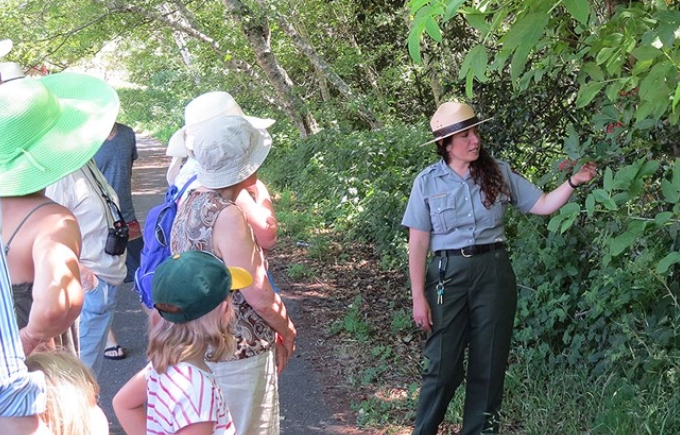
How to Find These Hidden Gems (A Practical Guide)
This is the part that frustrates people. Information isn't always centralized. You need a strategy. Relying on just showing up at the visitor center might mean missing out, as many adult programs require advance registration.
| Where to Look | What You'll Find | Pro Tip & My Experience |
|---|---|---|
| The Official NPS.gov Park Website | The absolute first stop. Go to the specific park's site, not the general NPS one. Look for tabs like "Plan Your Visit," "Things to Do," "Calendar," or "Events." | Use the search bar on the park's page. Try "adult program," "workshop," "lecture," "field seminar." I've found that the event calendars are often clunky, so patience is key. Bookmark the page and check back 2-3 months before your trip. |
| Park Partner Websites | Non-profits like the "Yellowstone Forever" or "Yosemite Conservancy." They fund and organize many in-depth, fee-based adult education programs. | These often host the highest-quality, multi-day adult ranger-led programs. The fees support the park directly. The catalog for Yosemite Conservancy's courses, for example, is like a university outdoor studies brochure. |
| Social Media (Specifically Facebook) | Many individual parks are surprisingly active on Facebook. They post last-minute program openings, share photos from recent events, and answer questions. | Follow the official park page. Turn on notifications. Rangers sometimes announce small, pop-up programs here that never make it to the main website calendar. It's more informal but super useful. |
| Recreation.gov | Not just for camping! Some parks list and handle registration for their special ranger programs on this central platform. | Search by park name and filter for "Tours" or "Events." This is common for cave tours, lighthouse climbs, and other limited-capacity, ticketed ranger activities. |
| The Old-Fashioned Phone Call | Call the park's main visitor center. Ask directly: "Do you have any ranger-led programs scheduled for [your dates] that are geared toward adults?" | Be specific. Saying "programs for adults" filters out the junior ranger stuff. The ranger on duty might know of something upcoming that isn't posted yet. I've scored spots on tours this way. |
See, it's a bit of a scavenger hunt. But that's part of the fun—it feels like you're unlocking a secret level of the park.
Making the Most of It: Before, During, and After
Okay, you found a program and signed up. Now what?
Before You Go: Read the description carefully. If it says "strenuous 4-mile hike with 800ft elevation gain," believe it. Break in your shoes beforehand. Pack more water than you think you need, snacks, layers (weather changes fast, especially with rangers who stop to talk), and a small notebook or your phone for notes. A lightweight pair of binoculars is almost always a good idea. Charge your camera. Review the park's basic rules on the NPS website—things like Leave No Trace principles are a given on these trips.
During the Program: Engage. Ask questions. Rangers love curious adults. Don't be shy. That said, be mindful of group dynamics—let others have a turn too. Listen to the stories. Some of the best insights come from a ranger's personal anecdotes about changes they've seen over a 20-year career. Put your phone on silent and try to resist the urge to check it constantly. Be present.
Afterward: A thank you to the ranger goes a long way. They do this out of passion. If there's a feedback form, fill it out—it helps secure funding for future programs. Jot down a few notes about what you learned. It solidifies the memory. Follow the park or partner organization on social media to stay in the loop for next time.
Answering Your Burning Questions (The FAQ We All Need)
Let's tackle the practical stuff head-on.
A Few Standout Examples to Spark Your Imagination
To move from abstract to concrete, here are a few real or representative examples of the caliber of programming available. This isn't an exhaustive list, just a taste.
Tracking the Wild Canids of Yellowstone (Yellowstone Forever): A multi-day field seminar focusing on wolves, coyotes, and foxes. Participants learn tracking signs, observe behavior (from a safe distance), and discuss the complex ecology of predation. This is the definition of a deep dive.
Night Sky Festival Programs (Various Dark Sky Parks): Parks like Bryce Canyon or Great Basin host incredible night sky events. While family-friendly activities exist, they also hold advanced telescope workshops, astrophotography clinics, and lectures by visiting astronomers specifically for adults.
Cultural Demonstrations at Mesa Verde: Watch and learn from Native American artisans demonstrating traditional pottery, weaving, or flute-making. These aren't passive shows; they're often interactive discussions about technique and cultural significance.
Old-Growth Forest Ecology (Olympic or Redwoods): A ranger leads you into the heart of a ancient forest, explaining not just tree identification, but the entire fungal network beneath your feet (the "Wood Wide Web"), the lifecycle of nurse logs, and the conservation story of these places. It's humbling and fascinating.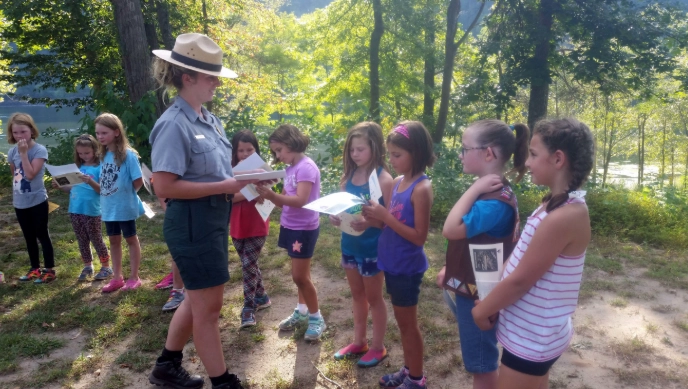
The Unspoken Benefit: Becoming a Steward
Here's the thing they don't always advertise. Participating in these ranger-led programs for adults changes your relationship with the parks. You stop being just a visitor and start feeling like a temporary custodian. You understand why staying on the trail matters to protect fragile soil crusts. You get why feeding wildlife is so devastating. You see the direct impact of climate change on a glacier the ranger has measured for decades.
That knowledge creates responsibility. And that responsibility is what ensures these places survive for the next generation of curious adults. You leave with more than photos; you leave with a connection and a purpose.
So, next time you plan a national park trip, don't just look at the map of trails. Dig into the calendar of events. Seek out those National Parks ranger programs for adults. It might be a two-hour walk or a three-day workshop. It will shift your perspective, reward your curiosity, and give you stories that go far beyond "the view was beautiful." It turns a vacation into an education, and a park into a place you truly understand.
Really, it's the best way to see a park. You're not just passing through. You're learning its language.
Now, go find your program.