Your Wildlife Watching Highlights
- Why National Parks are the Crown Jewels for Wildlife Watchers
- Top Tier: The Heavy Hitters for Wildlife Watching National Parks
- Beyond the Big Names: Hidden Gems for Wildlife Encounters
- Your Pre-Trip Playbook: Planning for Success
- The Art of the Spot: How to Actually Find Wildlife
- Capturing the Moment: Wildlife Photography for Regular People
- Doing It Right: The Ethics of Wildlife Watching
- Answers to the Questions You're Probably Asking
Let's be honest. You've seen the pictures. A massive bull elk bugling in a misty meadow at dawn. A black bear and her cubs ambling along a hillside. A bald eagle swooping down to grab a fish from a crystal-clear lake. It's the kind of moment that sticks with you forever, and more often than not, those iconic scenes are captured in one place: our national parks.
There's just something different about wildlife watching national parks. It's not like a zoo. There are no guarantees, no feeding schedules. The animals are wild, living their lives on their own terms. That's what makes seeing them so incredibly rewarding. You feel like you've been let in on a secret, granted a brief, privileged glimpse into a world that usually operates just out of sight.
But here's the thing that trips up a lot of first-timers. You can't just show up, hop out of your car, and expect the wildlife to pose for you. I learned that the hard way on my first trip to Yellowstone years ago. I had this romantic vision of wolves howling just off the road. What I got was a lot of traffic, crowded pull-outs, and distant specks through a spotting scope. It was a bit of a letdown, honestly.
It took a few more trips, a lot of reading, and some patient ranger advice to figure it out. Wildlife watching is a skill. It's part planning, part patience, and a huge part of just knowing how to look. That's why I wanted to put this guide together. I want to save you from that initial disappointment and set you up for the kind of magical encounters that keep people coming back to these parks for a lifetime.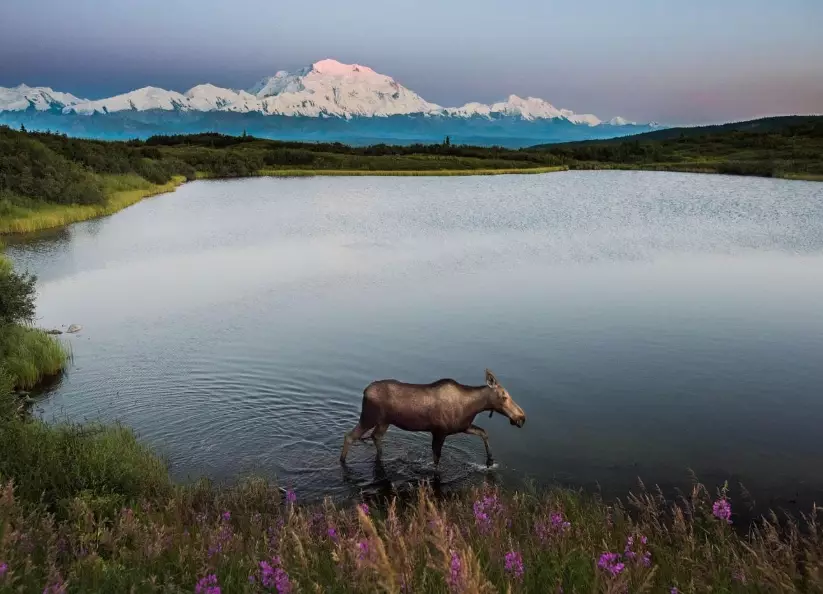
Why National Parks are the Crown Jewels for Wildlife Watchers
You might wonder, why focus on national parks? Can't you see animals in a state forest or a wildlife refuge? Absolutely. But national parks offer a unique combination that's hard to beat.
First, they protect huge, intact ecosystems. We're talking about thousands of square miles where natural processes like fire, flood, and predation are largely allowed to play out. This creates healthy, balanced habitats where wildlife populations can thrive. Places like Yellowstone National Park or the Everglades are essentially living, breathing snapshots of what North America looked like centuries ago.
Second, the concentration of iconic species is just unmatched. Where else can you realistically hope to see bison, wolves, grizzlies, and elk all in one long weekend? The parks have become the last strongholds for many of these creatures.
And third, they're set up for it. The National Park Service manages these lands with preservation as a core mission. They build roads and trails that offer access while (hopefully) minimizing impact. They employ rangers who are walking encyclopedias of local animal behavior. They provide visitor centers with maps highlighting recent sightings. The infrastructure for a successful wildlife watching trip is already there.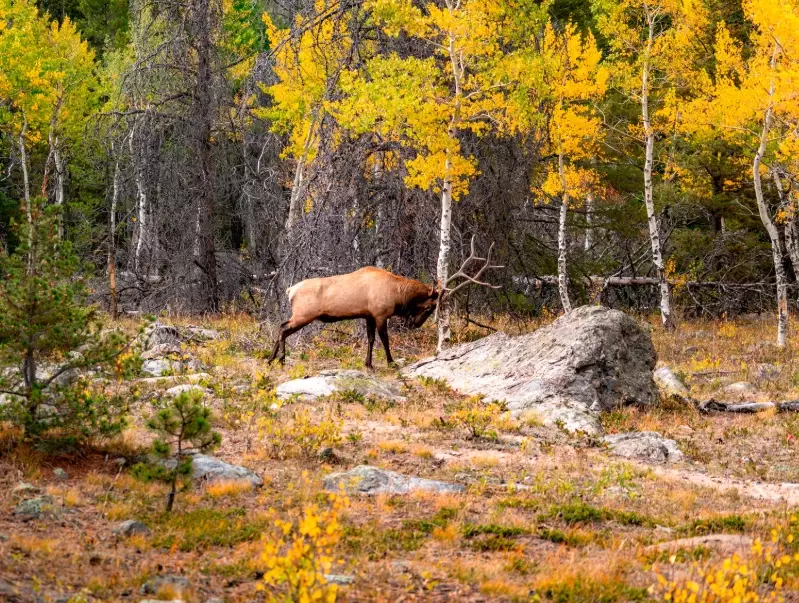
Think about it this way: A national park is like a giant, open-air museum where the exhibits are alive and moving. Your job isn't to control the experience, but to learn how to be a quiet, respectful observer in that space.
Top Tier: The Heavy Hitters for Wildlife Watching National Parks
Okay, let's get into the good stuff. Which parks should be on your list? This isn't just about popularity; it's about diversity, accessibility, and the sheer wow factor of the sightings. Based on my own travels and countless conversations with other enthusiasts, here are the parks that consistently deliver.
Yellowstone National Park
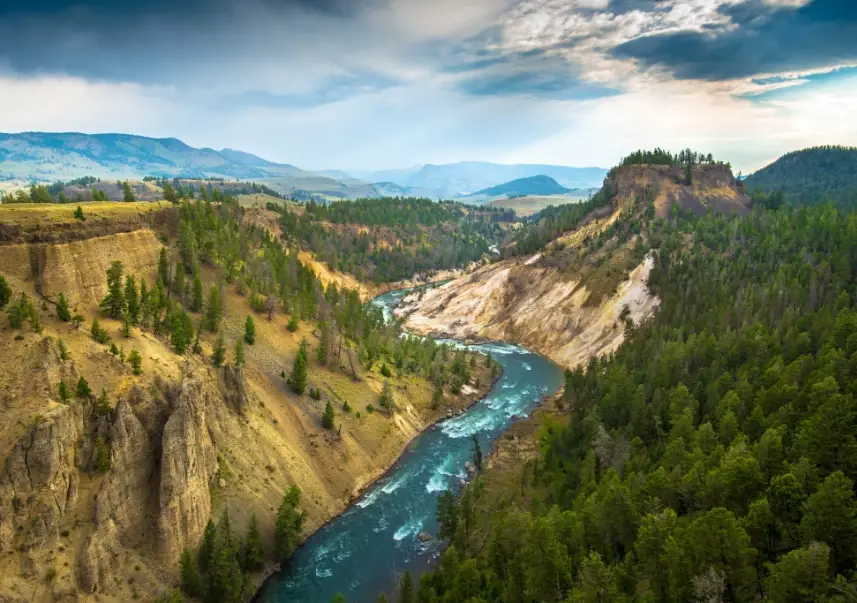
The granddaddy of them all. It's almost cliché to put it first, but there's a reason. Yellowstone isn't just about geysers. It's the only place in the lower 48 where you can see the full, historic suite of large North American mammals—bison, elk, moose, mule deer, white-tailed deer, pronghorn, bighorn sheep, mountain goats, black bears, grizzly bears, wolves, and mountain lions. That list is insane.
Lamar Valley and Hayden Valley are legendary for a reason. At dawn or dusk, these wide-open valleys come alive. You'll see rows of people with scopes set up, a practice known as "bear jamming" or "wolf watching." It can feel a bit like a spectator sport, which I don't always love, but the sightings are reliable. Pro tip: Venture down some of the quieter trails in the early morning. I once had a close (and safe!) encounter with a fox hunting voles just a mile from a crowded parking lot, and it felt far more personal than watching a distant wolf pack with fifty other people.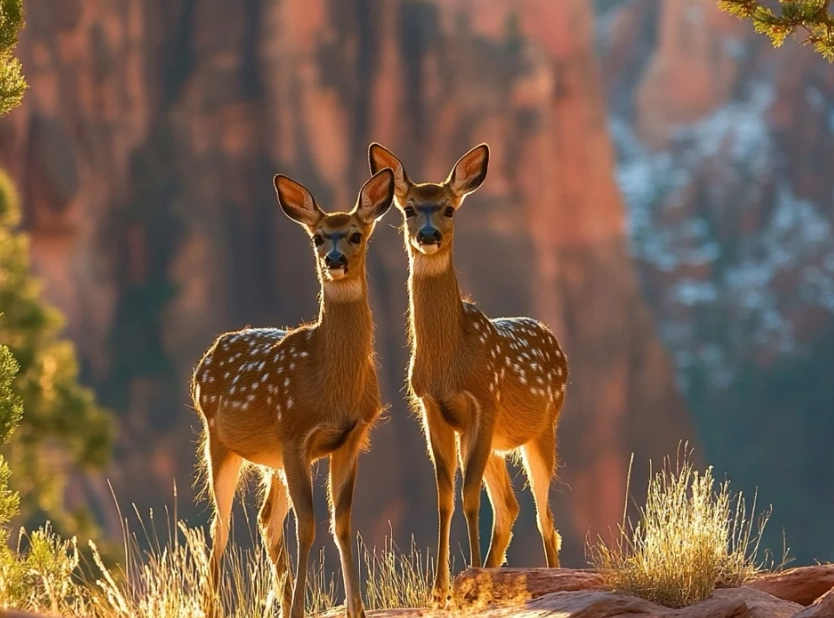
Grand Teton National Park
Right next door to Yellowstone, but with a totally different vibe. The dramatic Teton Range creates a stunning backdrop for wildlife. Moose are arguably the star here. Willow flats along the Gros Ventre River are prime moose habitat, and seeing a bull with his massive palmate antlers reflected in an oxbow lake is a quintessential Tetons moment.
You also have great chances for seeing pronghorn (the fastest land mammal in the Western Hemisphere), bison herds, and black bears. The park is more compact than Yellowstone, so wildlife viewing feels more intimate. The National Park Service page for Grand Teton has excellent seasonal guides for where to look.
Everglades National Park
Swap mountains for mangrove forests and rivers of grass. The Everglades is a subtropical wonderland, and its wildlife is unlike anywhere else in the country. This is the place for incredible birdlife—roseate spoonbills, great blue herons, wood storks, and flocks of colorful songbirds.
And then there are the reptiles. American alligators are everywhere, basking on banks or gliding silently through the water. Seeing a manatee gently surface in the canals near Flamingo is a gentle, magical experience. For a real thrill, take a guided boat tour into the backcountry—the chance to see a crocodile (yes, both alligators AND crocodiles live here) or a dolphin is high. Just bring bug spray. Seriously. The mosquitoes are no joke.
To help you compare these giants and a few other contenders, here's a quick breakdown. Remember, "best" is subjective and depends on what you want to see!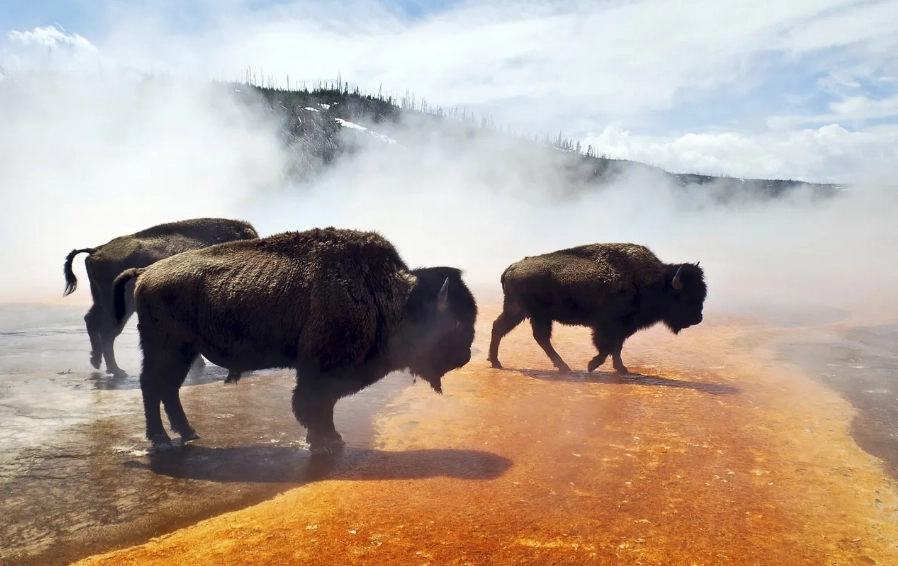
| Park | Star Attractions | Best Time to Visit | Viewing Vibe |
|---|---|---|---|
| Yellowstone | Wolves, Grizzly Bears, Bison Herds, Elk | Spring (May-June) & Fall (Sept-Oct) | Spectacular, open valleys; can be crowded at hotspots. |
| Grand Teton | Moose, Pronghorn, Black Bears, Bald Eagles | Fall (Sept-Oct) for rutting & color | Intimate, with mountain scenery. Great for photography. |
| Everglades | Alligators, Manatees, Tropical Birds, Crocodiles | Dry Season (Dec - April) | Wet, wild, and subtropical. Best by water or boardwalk. |
| Denali | Grizzlies, Caribou, Dall Sheep, Wolves, Moose | Summer (June-August) | Remote, vast wilderness. Limited road access = more pristine. |
| Great Smoky Mountains | Black Bears, White-tailed Deer, Elk, Salamanders | Spring & Fall | Lush forests. Black bear sightings are very common. |
Beyond the Big Names: Hidden Gems for Wildlife Encounters
Don't get me wrong, I love the famous parks. But sometimes, the crowds can detract from the wild feeling. If you're looking for a more solitary experience, consider these.
Big Bend National Park (Texas): A desert park with surprising diversity. You can find roadrunners, javelinas, and over 450 species of birds. The night sky is incredible, and with a red flashlight, you can spot kangaroo rats, ringtails, and even mountain lions (if you're incredibly lucky). It's isolated, quiet, and feels truly frontier.
Isle Royale National Park (Michigan): This is commitment. It's a remote island in Lake Superior, only accessible by boat or seaplane. But that isolation creates a unique predator-prey study in the form of moose and wolves. Hearing wolves howl across a silent island lake is an experience that will raise the hair on your arms. It's for the serious backpacker, not the casual driver.
Channel Islands National Park (California): Called the "Galapagos of North America." You take a boat ride to islands teeming with endemic species you won't see anywhere else—like the island fox. The marine life is the real showstopper: sea lions, seals, and in the right season, migrating gray whales and blue whales. Snorkeling here is like jumping into a nature documentary.
The lesson here? Sometimes the best wildlife watching national parks are the ones where you have to work a little harder to get there.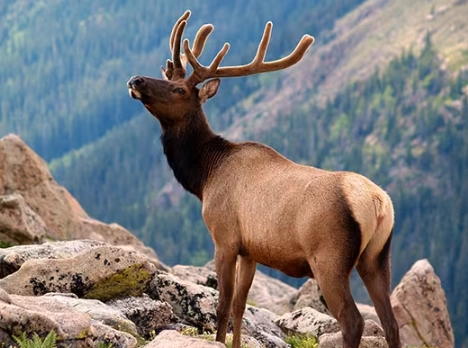
Your Pre-Trip Playbook: Planning for Success
This is where trips are made or broken. Winging it might work for a city break, but for wildlife, a little prep goes a long way.
Timing is Everything: Animals are creatures of habit, driven by light, temperature, and food. The golden hours—just after sunrise and just before sunset—are non-negotiable. This is when most mammals are most active. Midday, especially in summer, they're usually bedded down in the shade. Seasonally, spring (babies!) and fall (mating seasons like the elk rut) are phenomenally active times. Winter can be stark but beautiful for tracking and seeing animals against the snow.
Research Like a Pro: Don't just look at the park's general website. Dig deeper.
- Check the park's official social media accounts. Rangers often post recent sightings.
- Look for recent trip reports on forums or birding sites like eBird, which shows real-time bird sightings.
- Call or email the park's visitor center. Ask a specific question like, "What's the best trail right now for seeing bighorn sheep?"
Gear Up (But Keep it Simple): You don't need $10,000 in camera gear to have a great time. But a few key items are essential.
- Binoculars: This is your number one tool. A decent pair of 8x42 or 10x42 binoculars will change the game. They bring distant animals into clear view without disturbing them.
- A Good Field Guide or App: Was that a coyote or a wolf? A mule deer or a white-tail? A Sibley bird guide or the Merlin Bird ID app will help you learn as you go.
- Layers of Clothing: Mornings are cold. Days can get hot. Be prepared for all of it with quiet, earth-toned fabrics (bright colors can spook animals).
- Patience and a Notebook: Seriously. Sit quietly. Watch. Take notes on what you see and where. This turns a sighting into a memory and builds your skills for next time.
A quick but vital rant on safety: This isn't a petting zoo. Every year, people get hurt because they forget these are wild animals. Always, always, always keep a safe distance. The NPS recommends 25 yards from most large herbivores (like bison and elk) and at least 100 yards from bears and wolves. If you're changing an animal's behavior—if it stops eating, looks at you, or moves away—you are too close. Carry bear spray in bear country and know how to use it. Your safety and the animal's welfare come before the perfect photo.
The Art of the Spot: How to Actually Find Wildlife
You're in the right park at the right time with your gear. Now what? You stare at the empty meadow... and see nothing. This is the moment.
First, slow down. Most people drive way too fast. Go 15-20 mph on park roads. Scan the edges of meadows, tree lines, and riverbanks. Look for movement, shapes, and colors that don't quite fit. A rock doesn't have ears. A log doesn't have a twitching tail.
Second, listen. Close your eyes for a minute. Do you hear alarm calls from birds like jays or crows? They often mob predators. Do you hear an elk bugle or a bird song you don't recognize? Sound can lead you to animals long before you see them.
Third, look for signs. Tracks in mud or snow. Scat on the trail. Fur caught on a branch. A freshly stripped aspen tree (a bear marker). These clues tell you animals are around, even if they're hiding.
My personal method? I find a promising spot—a water source at dawn, a berry patch in fall—and I just sit. I get comfortable on a rock or a log. I put my binoculars in my lap and I watch. For 20 minutes, 30 minutes, sometimes an hour. I let the woods forget I'm there. That's when the magic happens. A deer that was perfectly camouflaged steps out. A bird lands on a branch right in front of you. It's a form of meditation, really.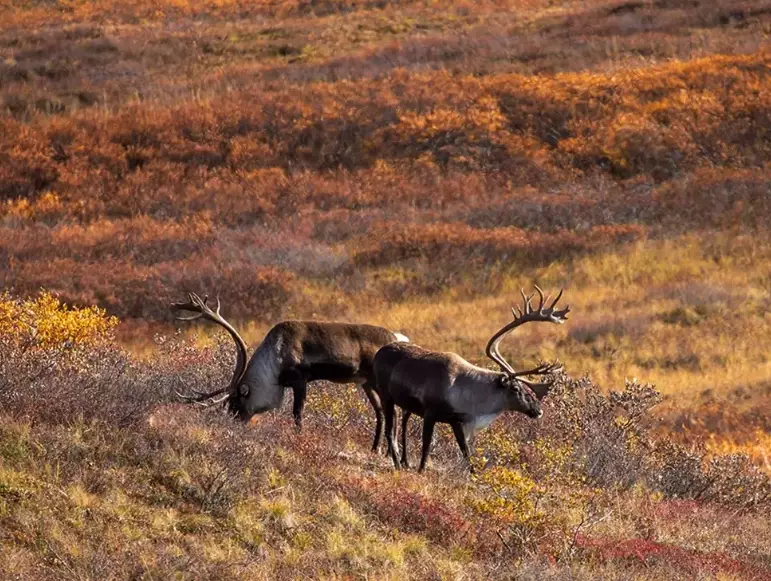
"The clearest way into the Universe is through a forest wilderness." While John Muir wasn't talking specifically about wildlife, the sentiment fits. To see animals, you have to become part of the landscape, not just a spectator passing through.
Capturing the Moment: Wildlife Photography for Regular People
You want photos. Of course you do. But the goal shouldn't be a National Geographic cover shot (unless you're a pro with a giant lens). The goal should be to capture the feeling of the encounter.
If you're using a smartphone, get closer—by using your zoom lens responsibly. Don't physically approach the animal. Use the optical zoom if your phone has it (not digital zoom, which degrades quality). Focus on composition. Put the animal in its environment. A small bear on a vast mountainside tells a better story than a tight, blurry face shot.
For camera users, a telephoto lens (200mm or more) is ideal. But more important than gear is technique. Use a fast shutter speed to freeze motion (1/500 sec or faster). Be mindful of the light. Early morning light is soft and golden. It beats harsh midday sun every time.
The biggest tip? Sometimes, put the camera down. Watch the animal through your binoculars. Soak in the details with your own eyes. Your memory is the highest-resolution sensor you own.
Doing It Right: The Ethics of Wildlife Watching
This is the most important part of the conversation. Our love for wildlife can, ironically, harm it if we're not careful. The rise of social media has led to more people seeking out animals, sometimes with disastrous results—animals getting hit by cars, abandoning nests, or becoming habituated to human food.
The core principle is simple: The well-being of the animal comes first. Always. Follow the NPS's 7 Ways to Safely Watch Wildlife. It's the rulebook.
Never feed an animal. Not a chipmunk, not a deer, not a bird. It makes them sick, dependent, and aggressive.
Respect closures. If a trail or area is closed for wildlife protection (like a peregrine falcon nesting site), it's not a suggestion. It's a law for a critical reason.
Share spaces responsibly. If a pull-out is full, move on. Don't park on vegetation. Keep your voice low. We're visitors in their home.
Being an ethical wildlife watcher means ensuring these animals are still there, thriving and wild, for the next generation of visitors.
Answers to the Questions You're Probably Asking
So there you have it. A roadmap to turning that dream of seeing wild animals in their true home into a reality. It's not always easy. You'll have mornings where you see nothing but trees. Your feet will get tired. You'll get rained on.
But then, you'll have that one moment. The moment a curious fox pauses on the trail ahead of you. The moment you hear the eerie, harmonious howl of a wolf pack echo across a valley. The moment a moose emerges from a misty lake. In that moment, all the planning, the early alarms, the patience—it all pays off. You're not just seeing an animal. You're connecting with a wild, ancient rhythm. And that's something you'll carry with you long after you've left the park boundaries.
Now, get out there. Do your homework, pack your patience, and go see what you can find. The wild is waiting.