Quick Navigation
- What Actually Is a Climbing Competition?
- Where Do These Climbing Competitions Happen?
- Your Game Plan: How to Enter Your First Climbing Competition
- Training for Climbing Competitions: Beyond Just Climbing More
- Answers to the Questions You're Probably Asking (FAQ)
- The Not-So-Glamorous Side: A Few Realistic Downsides
- Wrapping It Up: Why Bother With All This?
Let's be real. If you've ever watched a climbing competition, whether it was during the Olympics or a local event at your gym, it can look like pure chaos at first. People scrambling up colorful walls, falling off, cheering, looking intensely at tiny holds. It's exciting, but also confusing. What are the rules? How do you win? And more importantly, how the heck do you even get involved in one of these things?
I remember my first time watching a professional bouldering competition online. I had no idea why the climbers kept jumping off the wall before reaching the top. Turns out, they'd already finished the problem! I was clueless. That confusion is exactly why I'm writing this. I want to strip away the mystery and give you a clear, no-nonsense look at the world of competitive climbing. Whether you're a curious spectator, a gym climber toying with the idea of competing, or a parent whose kid is suddenly obsessed, this guide is for you.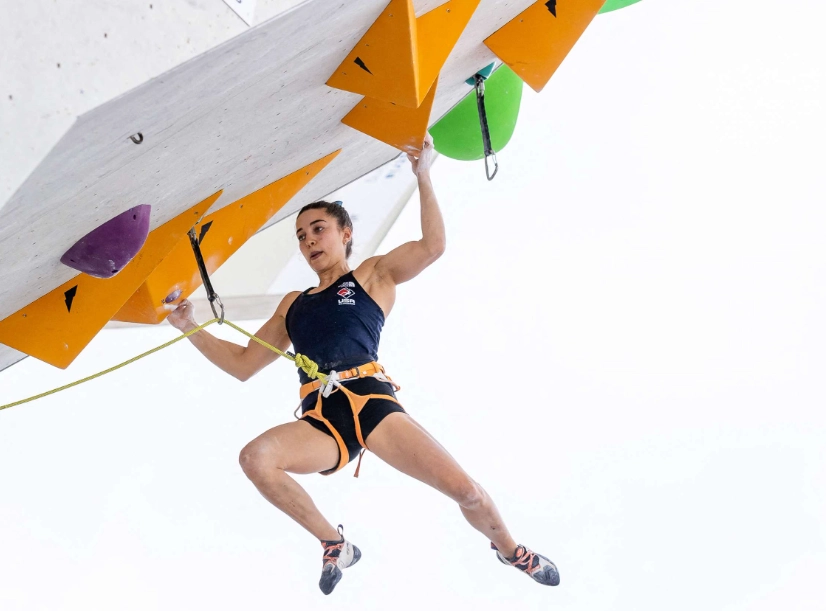
Quick Reality Check: Climbing competitions aren't just for elite athletes. The scene is massive, with events for every age and skill level, from local youth comps to the global IFSC World Cup circuit. There's a place for almost everyone.
What Actually Is a Climbing Competition?
At its core, a climbing competition is an organized event where climbers are tested on specific routes or problems under a set of rules. The goal is simple: climb better than everyone else. But "better" can mean different things depending on the format. It's not just about brute strength or who can hang on the smallest hold the longest (though that helps). Modern competitions are a fascinating blend of physical power, intricate technique, problem-solving under pressure, and sheer mental grit.
The beauty of climbing competitions is how they've evolved. From niche gatherings of enthusiasts, they've exploded into a mainstream sport with a dedicated global following, thanks in large part to its Olympic debut. The energy at a live event is contagious—even through a screen.
The Big Three: Competition Formats Demystified
Most organized climbing competitions fall into one of three disciplines, each with its own unique flavor and challenges. Understanding these is key to watching or participating.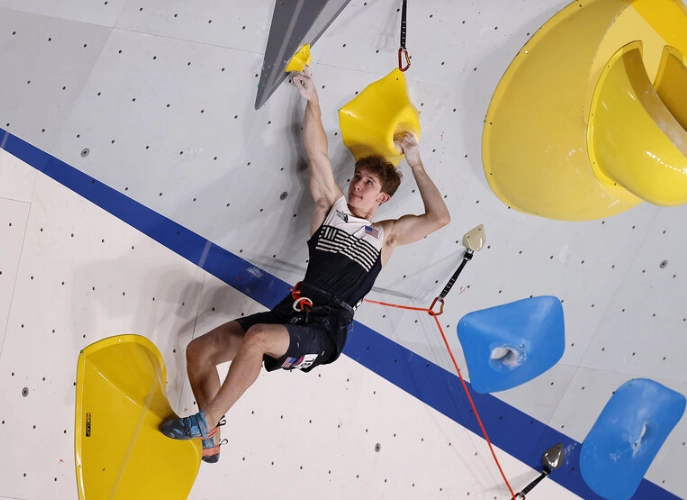
Bouldering: The Sprint Puzzle
Think of bouldering as a series of short, intense puzzles. Climbers tackle "problems" on low walls (usually under 4.5 meters or 15 feet) without ropes. The focus is on powerful, technical moves. You get a limited number of attempts (usually 4 or 5 minutes on the clock) to reach the designated top hold. The catch? You have to start from specific holds and control the finish for a few seconds.
Scoring is based on the number of tops (successfully completing a problem) and zones (reaching a midway checkpoint hold). If two climbers top the same number of problems, the one with more zones wins. If it's still tied, whoever used fewer attempts to get those tops takes the crown. It's a game of efficiency and consistency.
I tried my first local bouldering competition on a whim. Let me tell you, the atmosphere is nothing like a regular gym session. The pressure of the clock, the crowd watching your beta, the feeling when you stick a dyno you've been failing all day... it's a rush. But it's also humbling. Seeing other climbers flash problems you struggled with for an hour is a quick lesson in humility and motivation.
Lead Climbing: The Marathon of Endurance
Lead climbing is the classic endurance test. Climbers, secured by a rope they clip into protection points as they go, attempt a single, long, and technically demanding route on a tall wall (often 15+ meters). The goal is to climb as high as possible. If you fall, your high point is marked. If you reach the top, your time is recorded.
In a competition, all climbers try the same route (or routes of equal difficulty in different rounds). The winner is the one who climbs the highest. If multiple climbers top the route, the fastest time wins. It's a pure test of stamina, technical skill, and route-reading ability. The mental game is huge here—managing pump, deciding when to rest, and pushing through the burn.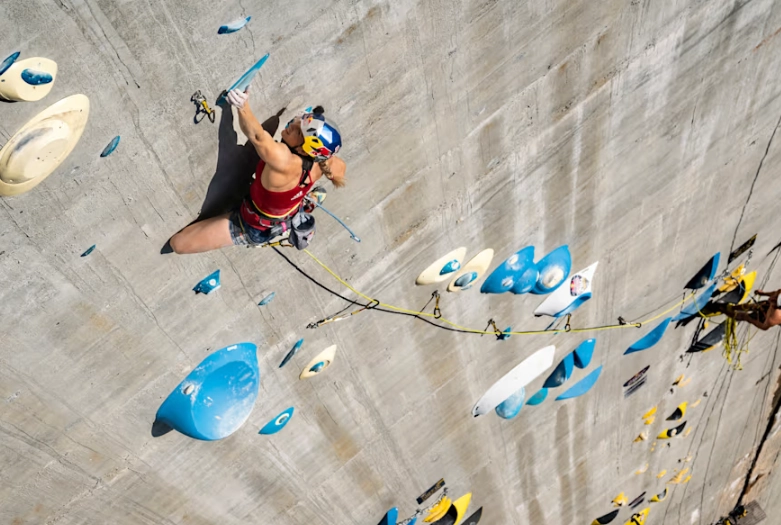
Speed Climbing: The Pure Adrenaline Rush
This one is straightforward and thrilling. Two climbers race side-by-side on identical, standardized 15-meter walls. The first to the top wins the heat. The world record is mind-blowingly fast—under 5 seconds for men and under 7 for women. It's less about solving a puzzle and more about explosive power, flawless technique on a known route, and reaction time.
While some purists gripe about it being too different from the other disciplines, you can't deny the spectator appeal. It's immediate, easy to understand, and absolutely heart-pounding to watch.
"The combined format in the Olympics was controversial, forcing specialists to become all-rounders. But you know what? It created some of the most dramatic and unpredictable stories in climbing history. Seeing a speed specialist gut it out on a boulder problem was incredible television."
Where Do These Climbing Competitions Happen?
The competitive climbing world has a pretty clear hierarchy, from your local gym's monthly comp to the global stage.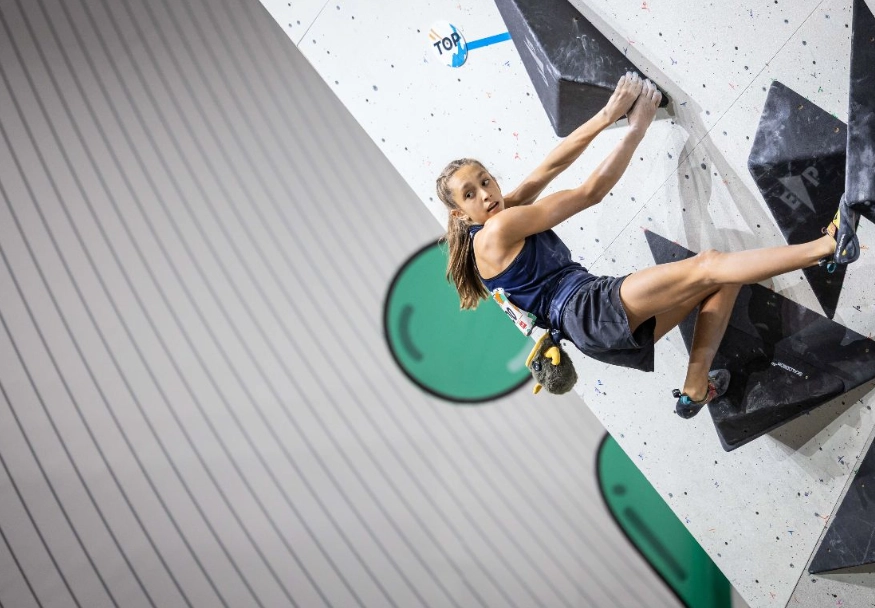
The Big Leagues: IFSC & The Olympic Dream
At the very top sits the International Federation of Sport Climbing (IFSC). They are the global governing body, and their website (ifsc-climbing.org) is the absolute authority for rules, rankings, and major event schedules. Bookmark it.
The IFSC runs the premier circuit: the World Cup Series. These are standalone events in each discipline (Bouldering, Lead, Speed) held in cities around the world. Climbers earn points based on their placement, and the overall season champions are crowned in each discipline. The atmosphere at a World Cup is electric. The walls are complex works of art, and the level of athleticism is otherworldly.
Then there's the IFSC Climbing World Championships, held every two years. This is where the best of the best compete for the title of World Champion. It's also a major qualifying event for the Olympics.
Speaking of which, Sport Climbing is now an Olympic sport. The format has evolved from the initial "combined" event (one medal for all three disciplines) to separate medal events for Speed and a combined Boulder & Lead event in Paris 2024. The Olympics have undeniably pushed competitive climbing into a new stratosphere of visibility and funding.
The Grassroots: Your Path to the Podium
This is where you come in. Nobody starts at a World Cup. The pathway is built from the ground up.
- Local Gym Competitions: Almost every climbing gym hosts periodic comps. These are usually casual, fun, and a fantastic low-pressure introduction. Formats vary—they might be redpoint (try as many times as you want in a set time), flash (one attempt per problem), or scramble. They're more about community and personal challenge than cutthroat rivalry.
- Regional & National Series: Organizations like USA Climbing in the United States or the BMC in the UK run structured competition series for youth and adults. These are more formal, follow IFSC-style rules, and act as feeders for national teams. If you're a young climber with serious aspirations, this is your pipeline.
- College Climbing Competitions: The collegiate climbing scene in the US is huge and growing. The USA Climbing Collegiate Series is a major deal, with intense team and individual rivalries.
So, you're interested. How do you actually get from thinking about it to tying in at your first comp?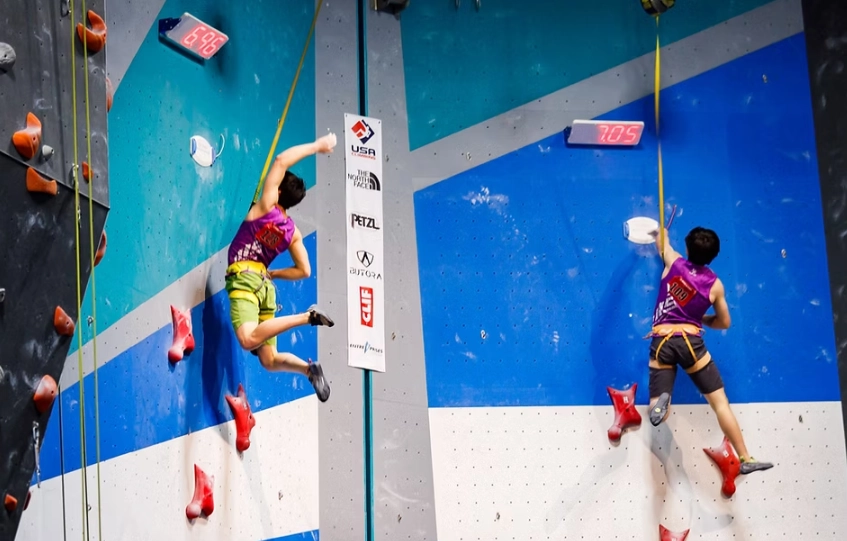
Your Game Plan: How to Enter Your First Climbing Competition
Let's get practical. The thought of competing can be intimidating. I was nervous as hell before my first one. But breaking it down into steps makes it manageable.
Step 1: Find an Event. Start hyper-local. Check your gym's website or bulletin board. Ask the staff. Look for words like "Fun Comp," "Member Comp," or "Beginner Friendly." Websites like Sendmode or the event calendars on national federation sites (e.g., usaclimbing.org) are great for finding more formal events.
Step 2: Understand the Format & Rules. Read the event details carefully. Is it bouldering or roped? Redpoint or flash? What's the time limit? Are there age or skill categories (Recreational, Intermediate, Open)? Knowing this helps you set expectations and train accordingly. Don't be afraid to email the organizer with questions—they want participants!
Step 3: Register. Do it online if possible. Sometimes there's a cap on participants, and these things can fill up. Pay the fee (usually covers your day pass and sometimes a t-shirt or prizes).
Step 4: Prepare (But Don't Overthink). You don't need to radically change your training for a local fun comp. Just keep climbing regularly. Maybe focus a bit more on your weakness—if you hate slopers, well, the setters will probably include slopers. Mentally, just aim to have fun and try hard. Your goal isn't to win; it's to not zero (fail to score on any problem/route). That's a win in itself.
A Common Mistake: New competitors often burn themselves out trying every problem repeatedly in the first 30 minutes. Pace yourself. Take breaks. Watch how others solve problems. It's a marathon, not a sprint (unless it's a Speed comp, then it's literally a sprint).
Step 5: Show Up & Climb. Get there early to check in, get your scorecard, and warm up properly. Listen to the safety/rules briefing. Then, just go climb. Talk to other competitors. Ask for beta if you're stuck. The community at these events is almost always incredibly supportive.
Really, that's it. The hardest part is signing up.
Training for Climbing Competitions: Beyond Just Climbing More
If you catch the bug and want to get more serious, your training needs to become more intentional. Climbing hard in the gym three times a week might not cut it for consistent performance in competitions.
Competition climbing demands a specific skill set. Here’s a breakdown of what to focus on, beyond just pulling hard.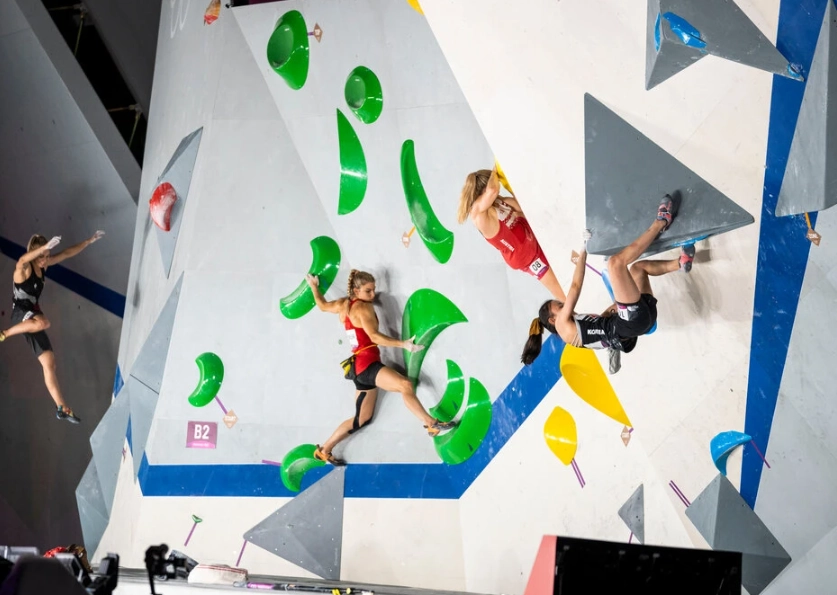
| Training Focus | Why It Matters for Comp Climbing | Practical Tips & Exercises |
|---|---|---|
| Power & Power-Endurance | Boulder problems are bursts of power. Lead routes require sustaining power over time (power-endurance). | Limit bouldering (trying moves at your absolute max). 4x4s (climbing 4 problems back-to-back, 4 times). Campus board exercises (use cautiously!). |
| Technical Versatility | Comp setters love weird, awkward, and specific movements you never see on normal gym sets. | Climb on every hold type, especially your weaknesses. Practice coordination moves, dynos, and heel/toe hooks on command. Watch World Cup videos to see novel techniques. |
| On-Sight & Flash Skills | In many comp formats, you only get one look or a few minutes to figure out a problem. Reading a route from the ground is a skill. | Practice "walking" the route before you climb. Identify rest spots, crux sequences, and potential foot changes. Do flash-style sessions with friends. |
| Mental Fortitude | Dealing with pressure, crowd noise, isolation (in bigger comps), fear of falling, and managing disappointment. | Visualize successful climbs. Practice falling (safely!) to build trust. Develop a pre-climb routine to focus. Learn to let go of a bad attempt quickly. |
| Competition Simulation | Nothing replicates the specific fatigue and pressure of a comp like a mock comp. | Set a timer (4-5 mins per problem). Give yourself 4-5 attempts max. Don't let yourself try a problem again after moving on. This trains decision-making and stamina. |
One thing I learned the hard way: you have to train your skin. Competition walls are often sandblasted to be more slippery, and you'll be climbing intensely for hours. Taping up prematurely can be a crutch. Build up those calluses.
Answers to the Questions You're Probably Asking (FAQ)
"The best piece of advice I got for my first big comp? 'Your only job today is to try hard. The score takes care of itself.' It took the pressure off to perform and let me just engage with the climbing."
The Not-So-Glamorous Side: A Few Realistic Downsides
Let's not sugarcoat it. Competition climbing isn't all victory cheers and perfect sends.
It can be incredibly frustrating. You'll have days where you feel strong and nothing goes your way. The problems might not suit your style at all. You might get unlucky with a skin tear. The judging can sometimes feel subjective (especially on zone holds in bouldering), and that's a bitter pill to swallow when you're sure you matched it.
It's also time-consuming and expensive. Entry fees, travel to events, dedicated training time, physio if you get injured... it adds up. The pressure to perform can sometimes suck the simple joy out of climbing. I've seen friends get so obsessed with their competition ranking that they stopped climbing for fun outdoors.
Balance is key.
Wrapping It Up: Why Bother With All This?
Despite the costs and frustrations, I keep coming back to climbing competitions. Why?
Because they make you a better climber, fast. They expose your weaknesses in the most glaring way possible. They teach you to perform under pressure. They introduce you to an amazing community of people who share your obsession. And there's no feeling quite like the one you get after finally sticking the crux move of a problem you've been projecting all round, with the clock ticking down.
Whether your goal is to stand on an Olympic podium or just to challenge yourself at your gym's next fun comp, the world of climbing competitions has a place for you. It's a sport that rewards creativity, perseverance, and a willingness to look a little silly when you fall off. Start small, be kind to yourself, and most importantly, have fun with it. See you on the competition floor.