Quick Navigation
- What is Rappelling, Really? Beyond the Basics
- The Absolute Core: Rappelling Safety as a Mindset
- Gearing Up: Your Rappelling Equipment Breakdown
- Step-by-Step: How to Perform a Standard Rappel
- Rappelling in Different Environments
- Frequently Asked Questions (The Stuff You're Actually Wondering)
- Taking the Next Step
So you're thinking about rappelling. Maybe you saw someone do it in a movie, or a friend invited you on a climbing trip. That feeling of stepping backwards over the edge, trusting your gear and your skills—it's equal parts terrifying and exhilarating. I remember my first time. My hands were sweating so much I worried about my grip. But here's the thing: rappelling, when done right, is a controlled, safe, and incredibly rewarding skill. It's not just about getting down a cliff; it's about understanding systems, managing fear, and joining a community that respects the vertical world. This guide is everything I wish I'd known before I started.
Let's clear something up right away. Some people call it "abseiling," especially in Europe. Rappelling is the common term in North America. They mean the same thing: the controlled descent down a rope using friction. We'll stick with "rappelling" here. It's the core technique for rock climbers, canyoneers, rescue workers, and military personnel. But it's also accessible to adventurous beginners—with the right training.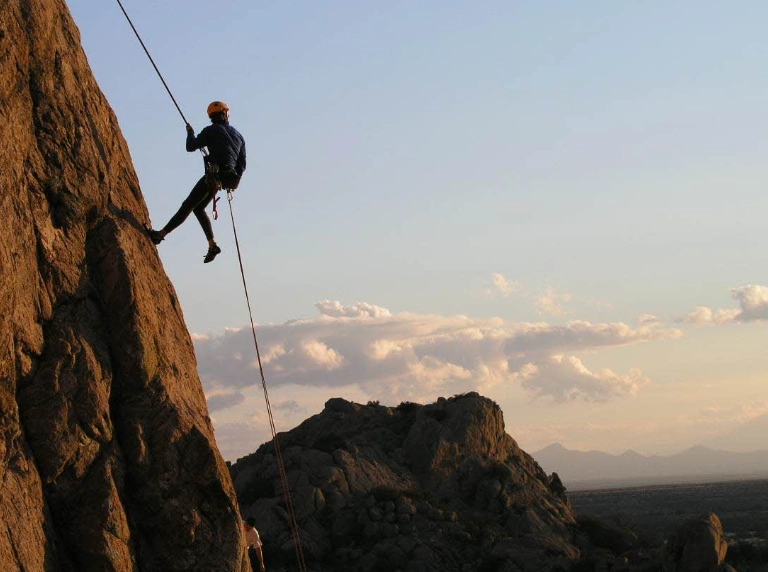
What is Rappelling, Really? Beyond the Basics
At its simplest, rappelling is a method to descend where you use a rope and a friction device to control your speed. Gravity does the work of pulling you down; your job is to manage the friction to go slow and steady. Think of it as the opposite of climbing. But that simple definition sells it short.
Good rappelling is a thinking person's activity. It's about problem-solving. You have to assess the anchor (the thing holding the rope up top), choose the right rope and device for the situation, manage the rope itself to avoid tangles or dangerous pulls, and constantly monitor your body position and speed. A lapse in attention during a climb might mean a slip. A lapse during a rappel can have more severe consequences. That's why the mindset is different. It's methodical. It's about redundancy and checks.
Why do people rappel? For climbers, it's often the only way down after reaching the summit of a multi-pitch route. In canyoneering, it's the primary mode of travel to descend into beautiful, water-sculpted slots. For rescue teams like those in SAR teams, it's an essential tool for accessing difficult terrain. And for some, it's just pure fun—the thrill of a vertical descent.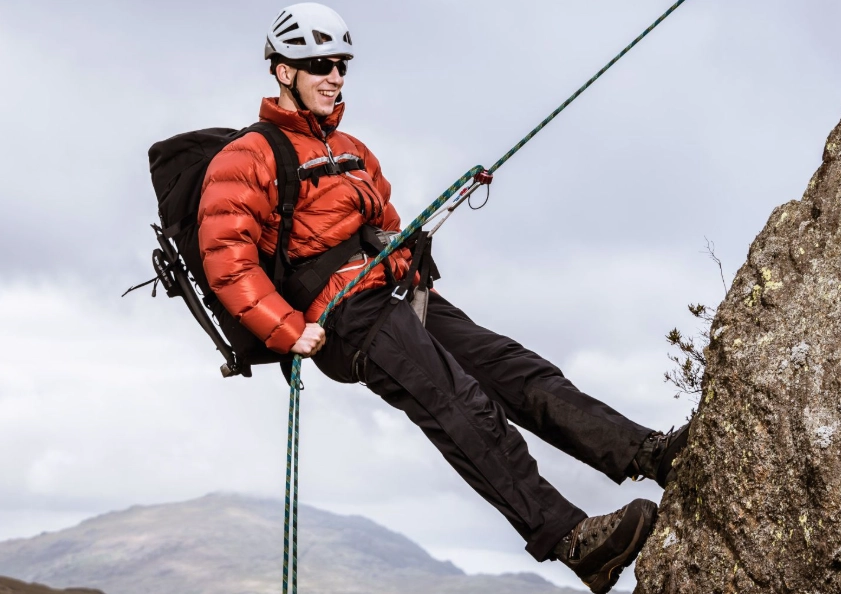
The Absolute Core: Rappelling Safety as a Mindset
If you take only one thing from this guide, let it be this: safety isn't a step in the process; it's the entire foundation. Complacency is the enemy. I'll say that again. Complacency is what leads to accidents, even for pros. The American Alpine Club's safety resources are filled with reports where a simple, double-checked step was missed.
That fear is good. It keeps you sharp. The goal isn't to eliminate fear, but to manage it through knowledge and preparation. Your safety system rests on seven pillars. Miss one, and the whole structure gets wobbly.
- The Anchor: This is your lifeline to the planet. It must be bombproof. Natural anchors (strong trees, solid rock horns), permanent anchors (bolted stations with chains or rings), or built gear anchors (using cams, nuts, etc.). The anchor isn't a suggestion; it's a non-negotiable.
- The Rope: It must be the right type, in good condition, and long enough for the descent. A damaged or too-short rope is a recipe for disaster.
- The Friction Device: Your brake. This is what turns the rope's movement into heat and controlled speed. You must know how to use your specific device.
- The Backup: Never, ever rely on a single point of failure. A prusik knot or autoblock knot attached to your leg loop is the standard backup. It automatically grabs the rope if you let go.
- The Harness: It must be fitted correctly (seriously, not too loose!) and buckled properly. The belay loop is your attachment point.
- The Helmet: Rocks fall. You might bump your head. A helmet is non-optional. I don't care how hot it is.
- The Human Factor: You. Are you tired, dehydrated, rushed, or distracted? Your mental state is part of the system.
Your Pre-Rappel Safety Checklist (Say It Out Loud)
This should become a mantra. Perform these checks visually and physically, and voice them if you're with a partner.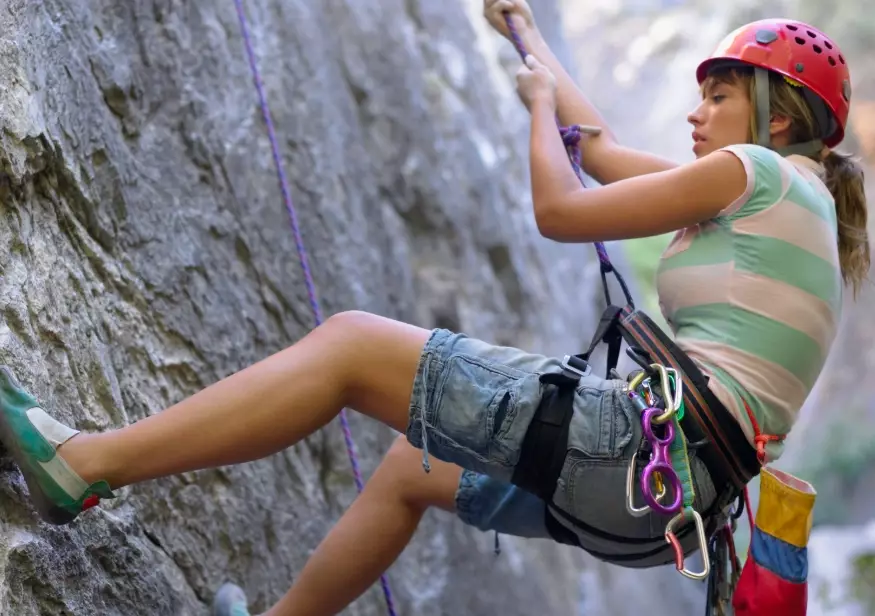
2. Rope Check: Both ends of the rope must be on the ground or securely tied together (if using a double-rope technique). The dreaded "end-of-rope" rappel is a real accident cause. Is the rope running cleanly over the edge, not over a sharp lip?
3. Device & Connection Check: Is the rope threaded correctly through your ATC, Grigri, or tube device? Is the locking carabiner attaching it to your harness locked? Gate locked, screw-lock screwed down.
4. Backup Check: Is your prusik or autoblock knot properly tied on the rope below your device, and securely attached to your leg loop with a non-locking carabiner? Test it by letting it grab while you're still on safe ground.
5. Harness & Helmet Check: Double-back your harness buckle? Helmet strapped?
6. Communication Check: With your partner? "On rappel!" means you're starting. "Off rappel!" means you're safely detached at the bottom.
Gearing Up: Your Rappelling Equipment Breakdown
You don't need the fanciest gear, but you do need the right gear. And you need to know what each piece does. Here’s a breakdown of the essential kit.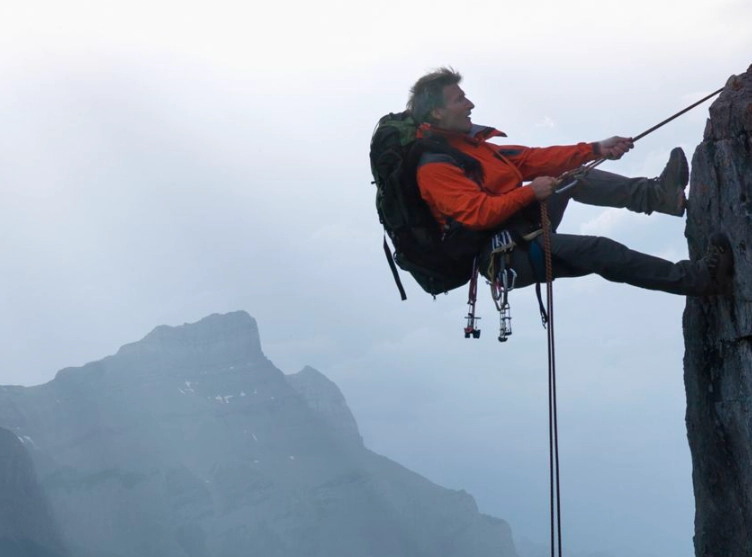
| Piece of Gear | Primary Purpose | Key Features & Choices | My Personal Take |
|---|---|---|---|
| Rappel Rope | Your literal lifeline for the descent. | Static vs. Dynamic: Static ropes (low stretch) are standard for pure rappelling/canyoneering as they're more manageable. Dynamic ropes (designed to stretch) are for climbing and are safe to rappel on, but can bounce more. Diameter: 9-11mm. Length: Must exceed the rappel length! | For dedicated rappelling, a static rope is a game-changer. Less bounce, easier pull. The Access Fund often discusses low-impact rope choices for different terrains. |
| Harness | Distributes force during descent and holds gear. | Comfort is key for hanging. Look for ample gear loops if carrying hardware. Ensure it's UIAA/CE certified. Fit is critical—it should be snug on the hips. | Don't cheap out here. A poorly fitting harness is miserable. Try it on with all your clothes. The belay loop is the strongest point—always attach there. |
| Helmet | Protects from falling rocks and impacts. | Climbing-specific helmet (UIAA/CE). Lightweight, ventilated models exist. Must fit securely without wobbling. | It's not just for big falls. A pebble from 50 feet up can knock you out. Just wear it. |
| Rappel/Belay Device | Creates friction to control descent speed. | Tube Devices (e.g., ATC): Simple, versatile, require active braking. Assisted Braking (e.g., Petzl Grigri): Can auto-lock if released, great for beginners but heavier. Figure-8: Simple, creates lots of friction, but can twist the rope. |
Start with a basic tube device. It teaches you proper brake-hand control. The Grigri is fantastic but can build bad habits if it's your first device. |
| Locking Carabiners | Secure connection between harness, device, and backup. | Pear-shaped or D-shaped. Must have a locking gate (screw-lock or auto-lock). You'll need at least two: one for the device, one for the extension sling. | Check the gate action every time. Grit and sand can make them sticky. A stiff carabiner gate is a red flag. |
| Prusik Loop / Autoblock Cord | Your fire extinguisher—the emergency backup. | A short loop (5-6mm cord) tied with a double fisherman's knot. The prusik knot or autoblock (French prusik) grips the rope when weighted. | This is your "oh crap" handle. Practice tying and using it on flat ground until it's muscle memory. It has saved countless lives. |
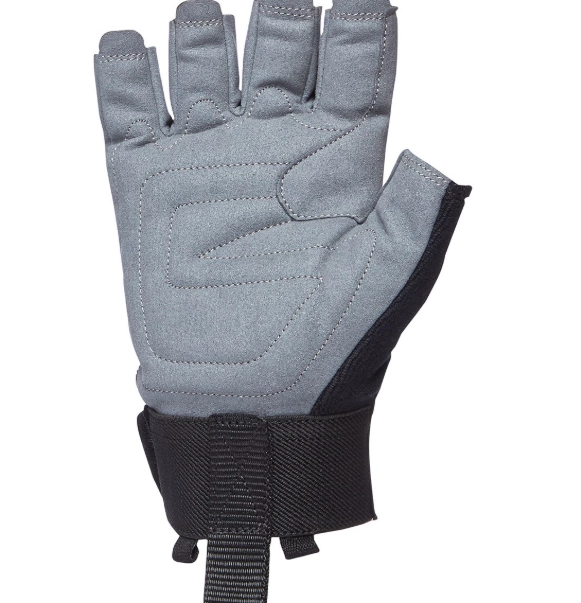
| Gloves | Protects hands from rope burn and abrasive rock. | Full-finger, durable leather or synthetic. Not bulky winter gloves. Allows dexterity to operate device and hold rope. | Underrated piece of gear. A fast, hot rappel can burn your palm in seconds. I like gloves with reinforced palms and fingers. |
What about clothing? Avoid loose, baggy clothes that can get caught in the device. Sturdy pants and a close-fitting shirt are best. For footwear, approach shoes or climbing shoes are ideal—you need grip for when you land and often for the approach hike.
Step-by-Step: How to Perform a Standard Rappel
Let's walk through a single-rope rappel from an established anchor, assuming you've done all your safety checks. Imagine you're at the top of a cliff with a bolted anchor station.
Step 1: Setting Up at the Anchor
First, secure yourself to the anchor with a personal anchor system (PAS) or a sling and locking carabiner. Never set up your rappel while relying solely on your balance. You're now "on belay" to the anchor itself. This lets you work with both hands safely.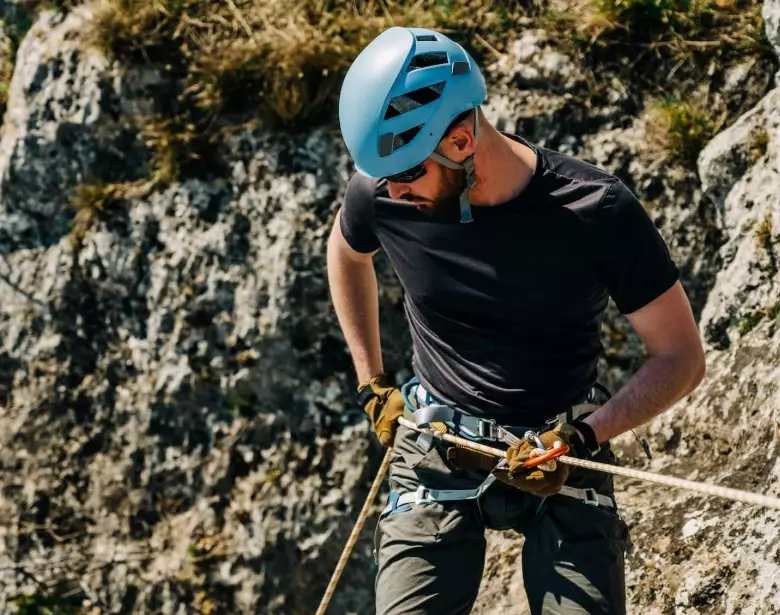
Step 2: Preparing the Rope
Find the middle mark of your rope (most ropes have a central mark). Feed it through the anchor's master point (the rings or chain links). Pull through until the middle mark is at the anchor. Now you have two equal strands hanging down the cliff. This is the "double-rope" or "simul-rappel" method—the most common and secure for beginners, as you rappel on both strands, doubling your friction and ensuring you can't rappel off the end of one rope.
Step 3: Attaching Your Device and Backup
Now, while still attached to your personal anchor, gather both rope strands. Thread them through your rappel device according to its instructions (e.g., for an ATC, make a bight of both strands and push through the device). Attach the device to your harness's belay loop with a locking carabiner. Lock it.
Next, take your prusik loop. Tie an autoblock knot around both rope strands below your device. Clip the loop ends to your leg loop with a non-locking carabiner. The knot should be loose enough to slide when you pinch it, but grip instantly when you let go. Test it.
Step 4: The Transition Over the Edge
This is the mental crux. You're safe on the anchor, but now you must transfer your weight onto the rappel system. Do this slowly.
- With your brake hand (your dominant hand behind the device, gripping both ropes firmly), slowly lean back, taking weight onto the ropes.
- Keep your feet firmly on the ground and body low. Feel the system hold you.
- Once you're confident, unclip your personal anchor from the bolted anchor. You are now entirely on the rappel.
- Shout "On rappel!" to your partner.
Step 5: The Descent and Landing
Walk backwards smoothly, keeping your body perpendicular to the rock face. Don't jump or bounce. Your brake hand controls speed by pulling the ropes down and back toward your hip. To go slower, increase the angle. To go faster, relax the angle. Your other hand can be on the rope above the device for balance, but never let go of your brake hand.
Keep an eye on your prusik knot—it should slide down with you. As you near the ground, slow your descent. Land gently on your feet. Once stable, shout "Off rappel!" and detach your device. Congratulations.
Rappelling in Different Environments
Not all rappels are created equal. The technique adapts to the world around you.
Rock Climbing Descents
This is the classic use. After a multi-pitch climb, you'll often do multiple rappels to get down. The key here is finding the next anchor. They're often not directly below you. You might need to do a "releasable rappel" or use tag lines to retrieve your rope from a different anchor. It requires route-finding skills. Always consult a guidebook or local beta.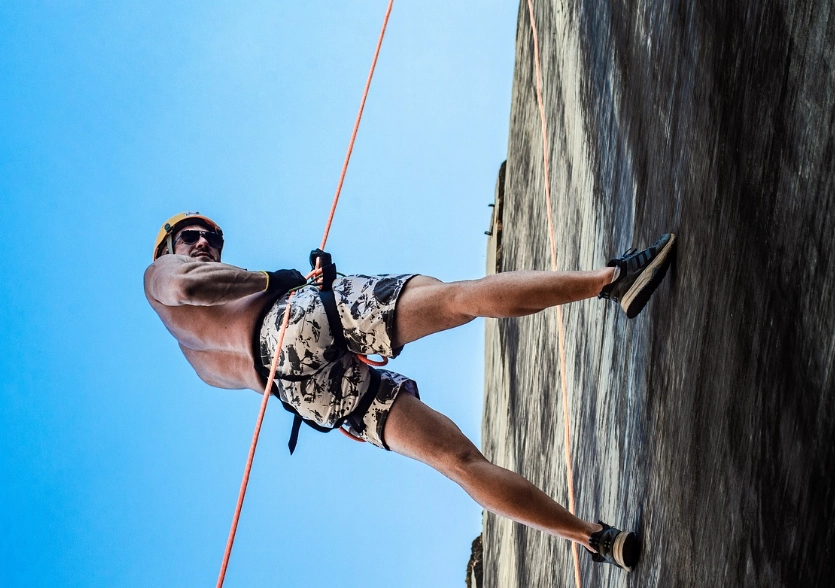
Canyoneering Rappels
This is where rappelling gets wet and wild. You're descending into slot canyons, often with flowing water at the bottom. The gear changes: you use a static rope (which doesn't absorb water and get heavy), a rappel rack (a device with multiple bars for variable friction on wet or muddy ropes), and you must beware of flash floods. The anchors are often natural (trees, chockstones) and require careful rigging. The National Park Service has great canyoneering safety guidelines.
Ice and Alpine Rappelling
Cold adds a whole new layer of complexity. Gloves are mandatory but reduce dexterity. Ropes can freeze and become stiff. V-thread ice anchors are common. Everything is slower, more methodical. This is advanced territory.
Rescue and Tactical Rappelling
This is high-stakes, often done under pressure. Techniques like the "Australian rappel" (face-first, descending rapidly) are used. It's all about speed and precision, but still built on the same fundamental safety principles. Teams like military and SAR units train for this relentlessly.
Frequently Asked Questions (The Stuff You're Actually Wondering)
Taking the Next Step
Reading is the start. Now you need action. Here’s your roadmap:
- Find a Mentor or Take a Course: Search for "intro to rock climbing" or "rappelling clinic" at your local climbing gym or through organizations like the American Mountain Guides Association (AMGA). This is the single best investment you can make.
- Practice on the Ground: Before you ever go near a cliff, practice threading your device, tying your prusik, and doing safety checks in your living room. Muscle memory matters.
- Visit a Climbing Gym: Many have practice rappel stations where you can descend a short wall in a completely safe environment. It's the perfect low-stakes place to make your first mistakes.
- Invest in Core Gear: Start with a harness, helmet, belay device, and a few locking carabiners. You can often rent ropes initially.
- Start Small and Build Slowly: Your first outdoor rappel should be short, on a well-established route, with an experienced partner. There's no rush.
Rappelling opens up a world of adventure. It's the key to exploring canyons, summiting peaks, and seeing landscapes from a perspective few ever do. But it demands respect. It rewards the careful, the patient, and the prepared. The feeling of mastering that controlled descent, of working in harmony with gear and gravity, is uniquely satisfying. It teaches you about trust, focus, and your own capabilities.
So get educated, gear up safely, and take that first step back. The view from the edge, and the journey down, is worth it.