Quick Navigation
- Waterproof vs. Water-Resistant: The Battle You Need to Understand
- Choosing Your Waterproof Armor: A Material and Tech Deep Dive
- Beyond the Jacket: Your Complete Waterproof Gear Checklist
- The Top Tier: A Quick Run-Down of Reliable Waterproof Gear
- Making It Last: Care and Maintenance of Your Waterproof Gear
- Your Waterproof Gear Questions, Answered
- Wrapping It Up: Your Dry Future Awaits
Let's talk about getting wet. It's one thing if you're jumping into a pool, but entirely another when you're halfway up a mountain trail, commuting to work, or just walking the dog and the skies decide to open up. That sinking feeling of cold water seeping through your layers? Yeah, we've all been there. It ruins your day, your mood, and can even be dangerous if you get too cold. That's where proper waterproof gear comes in – not just a nice-to-have, but a total game-changer for anyone who spends time outside.
But here's the kicker. The term "waterproof" gets thrown around so much it's almost lost its meaning. Is that cheap jacket from the big-box store really waterproof? What about your "water-resistant" hiking pants? The market is flooded with options, technologies with fancy names (Gore-Tex, eVent, H2No – sounds like a bad password), and promises that don't always hold up. I've bought my share of duds over the years. A jacket that wetted out in a light drizzle, pants that felt like I was wearing a plastic bag. Not fun.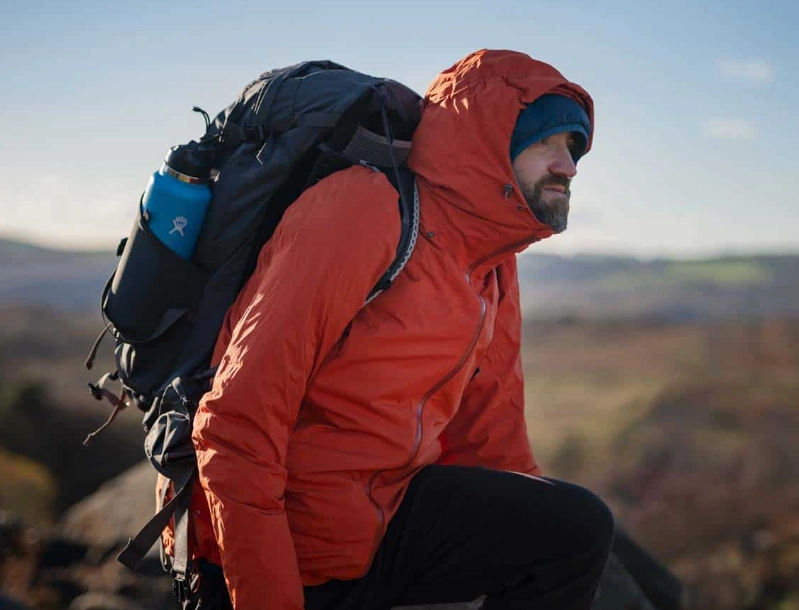
Waterproof vs. Water-Resistant: The Battle You Need to Understand
This is where most people get tripped up right from the start. Manufacturers love these terms, but they mean very different things. Think of it as a spectrum of protection.
Water-Resistant is the lightweight contender. It's your first line of defense against a light sprinkle, a bit of morning dew, or a splash. Fabrics are often treated with a DWR (Durable Water Repellent) coating that causes water to bead up and roll off. The key word is "resists." It's not designed for a downpour. Under sustained rain, the fabric will eventually saturate, and water will come through. Most windbreakers, softshell jackets, and everyday casual jackets fall into this category. They're great for variable weather where you might get caught in a brief shower but don't plan on being in a monsoon.
Waterproof is the heavyweight champion. This gear is engineered to keep water out under specific, measurable pressures. It uses a membrane (a super-thin, porous film) laminated between fabric layers. The pores in this membrane are small enough to block liquid water droplets but large enough to allow water vapor (your sweat) to escape. This is the stuff you want for hiking in the rain, skiing, or any activity where you expect to be in wet conditions for a while.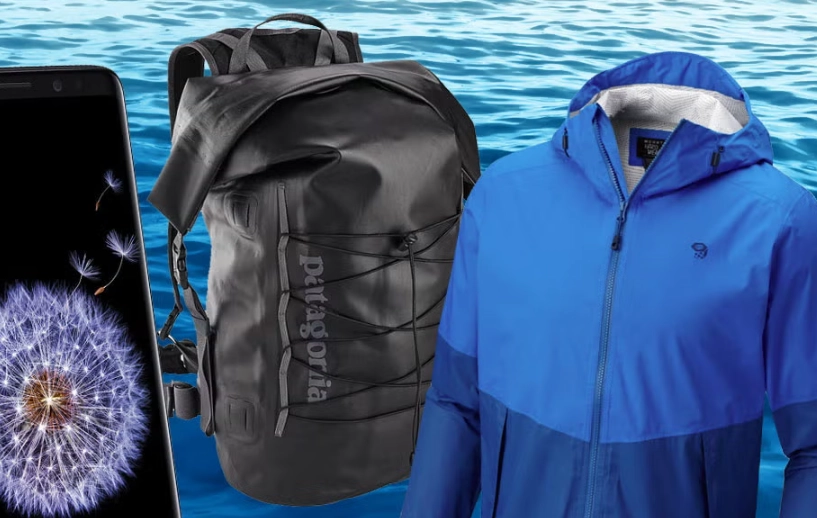
So, how do you know? Check the labels. Real waterproof gear will usually have a rating.
The Numbers Game: Hydrostatic Head and Breathability
This sounds technical, but stick with me. It's the secret code to understanding how good your gear really is.
Hydrostatic Head (HH): This measures waterproofness. Imagine a tall tube placed on the fabric. How high a column of water (in millimeters) can you put on it before water starts to seep through? A higher number means better waterproofing.
- 5,000mm: Basic waterproofing. Okay for light rain and casual use.
- 10,000mm: The sweet spot for most hiking, backpacking, and general outdoor activities. Can handle heavy rain and snow.
- 20,000mm+: Heavy-duty. Think mountaineering, prolonged storms, or sitting on wet surfaces. Serious protection.
Breathability (RET or MVTR): This is just as crucial. A waterproof bag is useless if you're swimming in your own sweat. Breathability measures how well water vapor escapes. Lower RET (Resistance to Evaporative Transfer) numbers are better. A common alternative is MVTR (Moisture Vapor Transmission Rate) in grams per square meter per 24 hours – higher is better here.
The best waterproof gear finds a balance. A 20,000mm HH jacket with poor breathability will leave you wet from condensation. A super-breathable jacket with only 5,000mm HH will wet out in a storm.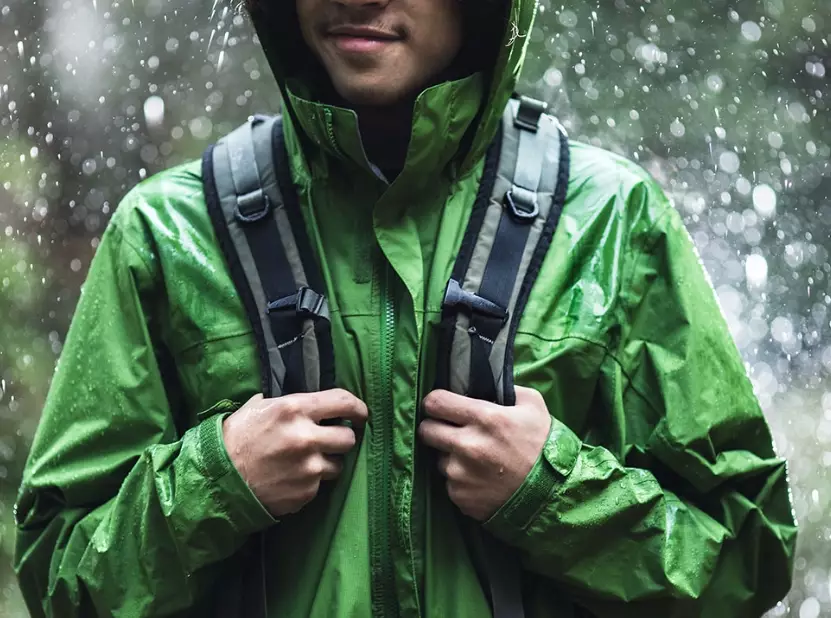
Choosing Your Waterproof Armor: A Material and Tech Deep Dive
Okay, so you know you need waterproof gear. Now, what's it made of? The technology inside is what you're really paying for.
The Membrane: The Heart of the System
This is the magic layer. The big names you've heard of are all membrane technologies.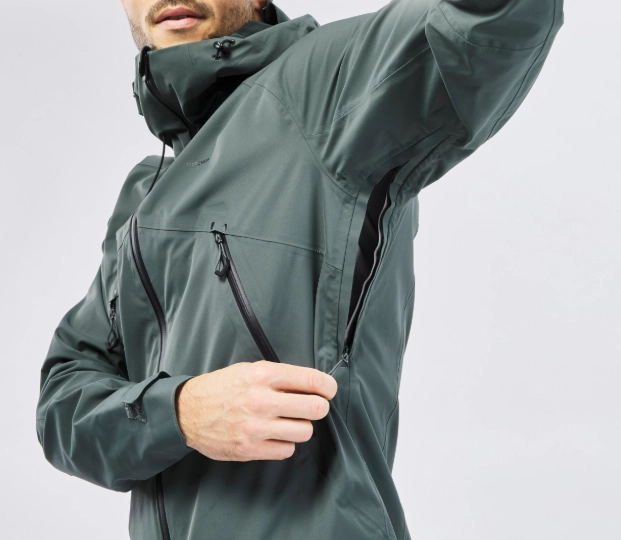
| Technology (Brand) | How It Works | Best For | My Take |
|---|---|---|---|
| Gore-Tex | The gold standard. An ePTFE membrane with over 9 billion pores per inch. Extremely durable, waterproof, and breathable. Comes in varieties like Paclite (packable), Pro (most durable), and Active (most breathable). | Anyone who needs reliable, proven performance. From hikers to mountaineers. | Expensive, but you're paying for decades of R&D and a guarantee. Their website has fantastic resources on how their tech works. It rarely lets you down. |
| eVent | Uses a direct venting mechanism. The pores are larger and treat water vapor differently, often touted as more breathable under high-output activity. | High-energy activities like trail running, fastpacking, ski touring. | I find it excels when you're really sweating. Some say it requires more frequent washing to maintain peak performance. |
| Branded Membranes (Pertex Shield, H2No, DryVent) | Proprietary technologies developed by brands like The North Face, Patagonia, and Arc'teryx. Often PU (Polyurethane) based. Performance varies widely by brand and tier. | Great value and specific design integration. Often lighter weight. | Don't dismiss these! A top-tier Pertex Shield from Rab can outperform a budget Gore-Tex. You must research the specific product's performance, not just the membrane name. |
| PU Coatings | A layer of polyurethane applied to the inner fabric. No separate membrane. | Budget gear, emergency rain shells, kids' gear. | Cheap and cheerful, but breathability is usually poor, and durability is low. The coating can peel or crack over time. Fine for the occasional shower, not for a day in the hills. |
See? It's not just about the logo. The construction matters too.
Construction: 2-Layer, 2.5-Layer, 3-Layer – What's the Deal?
This refers to how many fabric layers are bonded together.
- 3-Layer (3L): An outer fabric, the membrane, and an inner protective lining all laminated together. This is the premium build. Durable, robust, and offers the best feel against the skin. It's also the heaviest and most expensive. This is what you'll find on burly hardshells meant for alpine use.
- 2.5-Layer: Outer fabric, membrane, and a very light printed or sprayed-on protective coating (the "half" layer). This is the sweet spot for weight-conscious hikers and backpackers. It's much lighter and more packable than 3L, but the inner coating can feel slightly crinkly and is less durable over the very long term. My go-to hiking shell is a 2.5L.
- 2-Layer: Outer fabric bonded to the membrane, with a loose hanging mesh or fabric liner inside. This is older tech. It's more breathable than coated options but heavier and bulkier than 2.5L. You don't see it much in high-end gear anymore.

Beyond the Jacket: Your Complete Waterproof Gear Checklist
A jacket is just the start. To truly stay dry, you need a system. Here’s what else should be in your kit, depending on what you do.
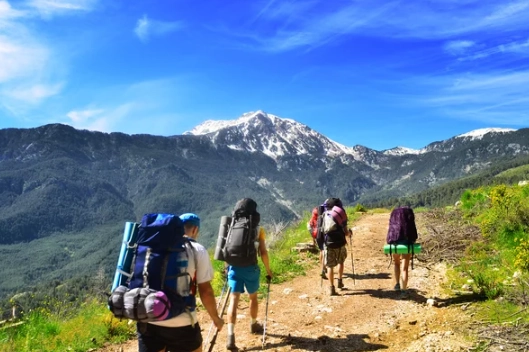
For the Hiker & Backpacker
This is where a full system is non-negotiable.
- Waterproof Jacket (Hardshell): Your primary shield. Look for features like a storm hood that fits over a helmet, pit zips for massive ventilation (a lifesaver), and long cut to cover your bum.
- Waterproof Pants or Over-trousers: Most people skip these until they've bushwhacked through wet foliage. Lightweight, full-side-zip pants are worth their weight in gold. You can put them on over boots and everything else without stopping.
- Gaiters: These seal the gap between your boots and pants. Keeps water, snow, and trail debris out of your boots. Essential for snow or muddy, wet trails.
- Waterproof Backpack Cover: Or better yet, use a pack liner (a heavy-duty trash compactor bag works perfectly) inside your pack. Covers can blow away; a liner is foolproof.
For the Cyclist & Commuter
Here, fit and specific features rule.
You need a jacket with a longer back tail to cover you in the riding position. Look for reflective elements for safety. Breathability is paramount – you generate huge heat on a bike. Many cycling-specific jackets have huge back vents and mesh-lined pockets. For pants, ankle zips are crucial for getting them on over shoes. Don't forget waterproof shoe covers and gloves. There's nothing worse than cold, wet hands and feet.
For Everyday & Urban Use
Style often matters as much as function here. The good news is, there are fantastic options that don't look like you're about to summit Everest.
Brands like Patagonia Torrentshell, Marmot PreCip, and even some lines from The North Face offer great performance in more casual cuts. Look for packability – a jacket that stuffs into its own pocket is perfect for keeping in your bag or car "just in case." A simple, reliable waterproof layer like this is one of the most useful pieces of gear you can own, period.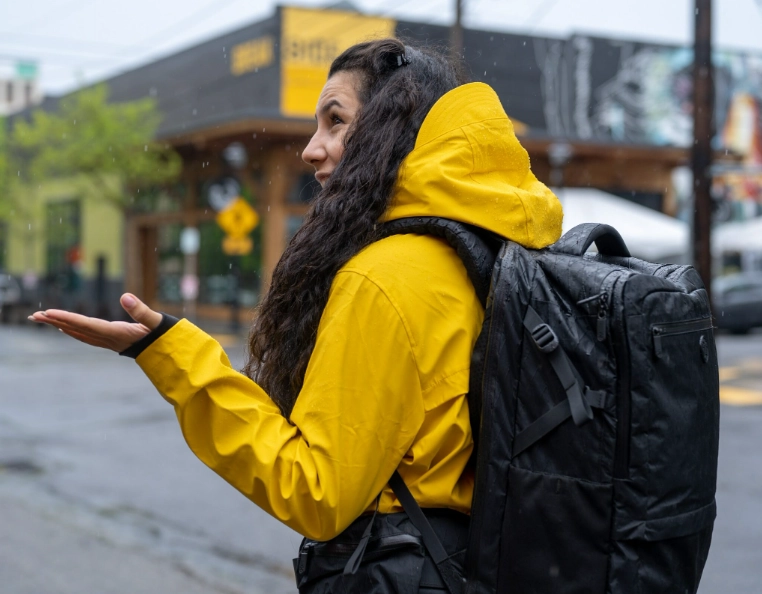
The Top Tier: A Quick Run-Down of Reliable Waterproof Gear
I'm not going to give you a rigid top 10 list because the "best" depends entirely on your needs and budget. But based on years of use, community chatter, and consistent reviews, here are some standout categories.
For pants, you can't go wrong with models from Outdoor Research (like the Helium Pants) or Mountain Hardwear. They get the details right.
Making It Last: Care and Maintenance of Your Waterproof Gear
This is the part everyone ignores until it's too late. Your expensive waterproof gear isn't maintenance-free. That DWR coating on the outer fabric? It wears off with dirt, abrasion, and time. When water stops beading and starts soaking into the face fabric, the jacket "wets out." It's still waterproof (the membrane is intact), but the soaked outer fabric kills breathability, and you end up clammy and cold.
So, what do you do?
- Wash It! Seriously. Use a technical gear detergent like Nikwax Tech Wash or Grangers Performance Wash. Regular detergent leaves residues that clog the membrane and destroy DWR. No fabric softener! Wash on a gentle cycle, and rinse twice to be sure all soap is out.
- Reapply DWR. After washing (while the garment is still damp), tumble dry on low heat for 20-30 minutes. The heat helps reactivate the existing DWR. If beading isn't restored, you need to apply a new DWR treatment. Use a wash-in (like Nikwax TX.Direct) or spray-on product. Follow the instructions.
- Store It Properly. Never store your gear compressed in its stuff sack for long periods. Hang it in a closet. The membrane can develop permanent creases if stored compressed while damp.
Your Waterproof Gear Questions, Answered
Yes, and you often should. As mentioned, low heat helps rejuvenate DWR. Check the care label, but most modern membranes are fine with low heat. Just avoid high heat, which can damage laminates and melt things.
Almost always, yes. That non-porous membrane that blocks water also blocks wind incredibly effectively. This is a huge secondary benefit – a good waterproof shell is also your best wind layer.
Two main reasons: 1) Condensation: If you're working hard and the jacket's breathability can't keep up, your sweat vapor condenses on the cooler inner surface. This is where pit zips and venting are key. 2) The outer fabric is wetted out: As described above, this traps vapor inside. Restore the DWR!
With proper care, a very long time. The membrane itself can last for years and years. The first thing to fail is usually the DWR coating, which you can renew. After that, it's the seams (tape can degrade) or the face fabric wearing thin from abrasion. A quality jacket should give you 5-10 years of solid service, easy.
This is a huge and growing focus. Look for brands using recycled materials in their face fabrics (like Patagonia). PFC-free DWR treatments are now common – these are water-based coatings that are much better for the environment than the old C8 chemistry. Brands like Patagonia are very transparent about their environmental efforts in this area.
Wrapping It Up: Your Dry Future Awaits
Choosing the right waterproof gear isn't about buying the most expensive thing. It's about understanding what you need it for, knowing how the technology works (at least a little), and then picking the tool that fits your job and your budget.
Start with the basics: a decent 2.5 or 3-layer jacket with a reputable membrane and a 10,000mm+ rating. Learn how to care for it. From there, you can build out your system with pants, gaiters, and other pieces as your activities demand.
The goal isn't to never feel a drop of water. It's to be able to look at a grey sky, feel the first cold splatter of rain, and smile because you know you're prepared. You can keep moving, stay comfortable, and actually enjoy the experience. That's the real power of good waterproof gear. It turns a potential disaster into just another part of the adventure.
Now, go get ready for the rain. It's probably coming.