Quick Navigation
Let's be honest, when you picture hiking in Zion National Park, you're probably imagining walking along a dusty trail with red cliffs towering above you. The Narrows Zion flips that idea on its head. Here, the trail is the river. You're literally wading, and sometimes swimming, through the Virgin River as it cuts a deep, serpentine path through Navajo sandstone. It's not a hike; it's an experience. And if you're reading this, you're likely trying to figure out how to do it without ending up cold, miserable, or worse. I've been there, made some mistakes, and learned a lot. This isn't just another listicle. Think of it as a chat with a friend who's done it a few times and wants to save you the headache.
The first thing that hits you is the scale. The walls soar up to a thousand feet, but the canyon floor can be just twenty or thirty feet wide. The light plays tricks, filtering down in narrow beams. It's cool, quiet except for the sound of flowing water, and utterly surreal. But that awe quickly gets interrupted by practical concerns. The water is cold. The rocks are slippery. And what the heck do you wear?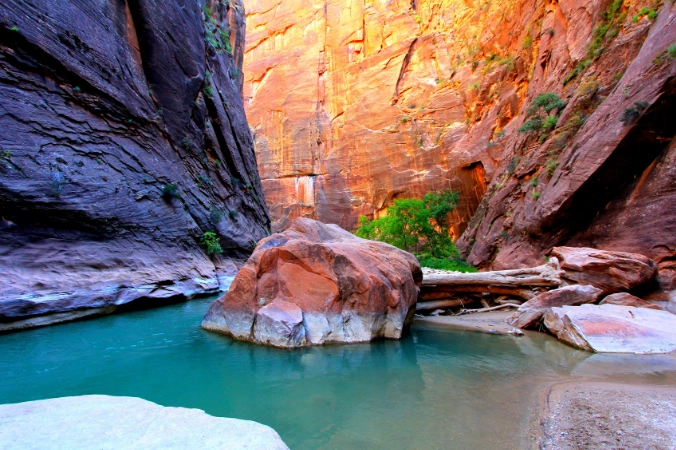
Core Idea: Hiking The Narrows isn't about conquering a distance; it's about engaging with an environment in a completely unique way. Your preparation dictates your enjoyment more than your fitness level.
Getting Your Ducks in a Row: Permits, Planning, and Timing
You can't just show up and start walking. Well, you sort of can for the bottom-up day hike, but there's more to it. Let's break down the logistics, because this is where most people get tripped up before they even get their feet wet.
Do You Need a Permit for The Narrows?
This is the number one question. The answer is: it depends on where you start.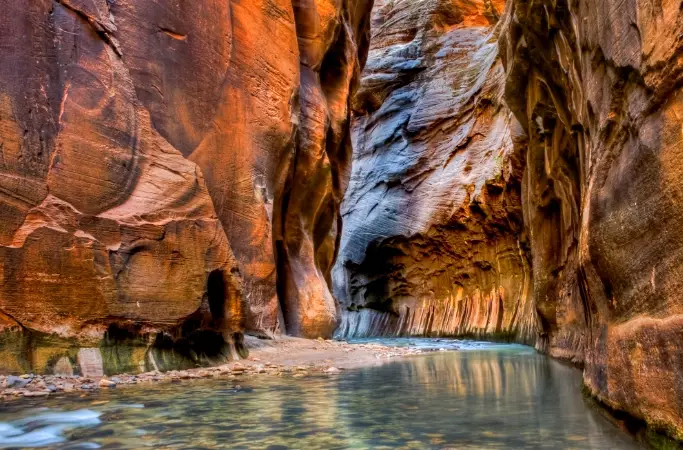
If you're doing the classic bottom-up day hike from the Temple of Sinawava (the most popular and accessible route), you do not need a permit. You just need to be there. That said, the National Park Service (NPS) strongly recommends checking in at the Zion Canyon Visitor Center for the latest river conditions and flash flood warnings. This isn't a suggestion; it's a critical safety step.
Now, if your plan involves starting from the top-down—either as a long, grueling day hike or, more commonly, as an overnight backpacking trip—you absolutely must have a permit. These are competitive. They're released via a seasonal lottery and a last-minute lottery. I tried the lottery once and struck out. It's frustrating, but it's necessary to protect the canyon from overcrowding. All the details, lotteries, and rules are on the official NPS The Narrows page. Bookmark it.
When is the Best Time to Hike The Narrows Zion?
This isn't a simple answer. It's a trade-off between water temperature, water level, crowd levels, and flash flood risk.
- Late Spring to Early Fall (May - September): This is the peak season. The water is warmer (relatively speaking—it's still cold), and the air temperature is hot. This means more people. I mean, a lot more people. You'll be sharing the canyon with hundreds of others. The upside? You can rent specialized gear like neoprene socks and canyon hiking boots from shops in Springdale, which is a game-changer.
- Fall (October - November): My personal favorite. Crowds thin out significantly after Labor Day. The water is colder, but the autumn colors in the canyon are stunning. You need better gear, but the solitude is worth it.
- Winter and Spring (December - April): Generally not recommended for casual hikers. The water is dangerously cold, and the flow is often too high due to snowmelt. The NPS frequently closes the hike during this period. Plus, the risk of hypothermia is real. Unless you're an experienced canyoneer with drysuits, just admire the photos.
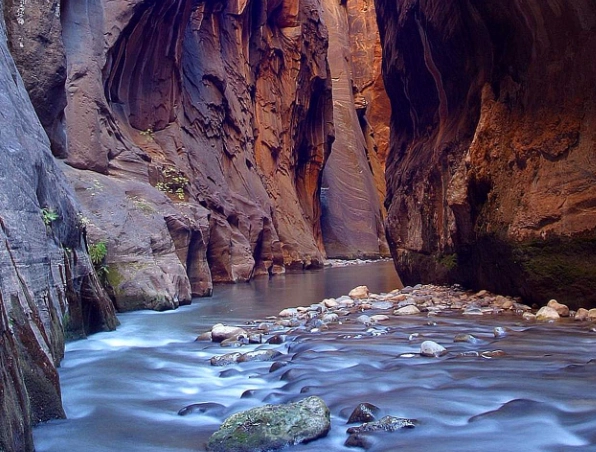
Flash Floods: The Non-Negotiable Danger. This is the single most important safety factor. Slot canyons are death traps during flash floods. Water from a distant storm can funnel into the canyon with terrifying speed and power, even if the sky above you is blue. Always, always check the forecast and the flash flood potential rating (available at the visitor center and on the National Weather Service site). If the risk is elevated (Moderate or higher), do not go. No hike is worth your life. I've turned around at the trailhead because of a marginal forecast, and it sucks, but it's the only smart call.
Gearing Up: What to Wear in The Narrows
What you wear will make or break your day. Jeans and sneakers? You'll be miserable within an hour, I promise. The key is understanding you will be wet, and the water is cold year-round (it's snowmelt, after all).
Here’s a breakdown of the gear hierarchy, from essential to nice-to-have.
| Gear Item | Why It's Critical | Rental vs. Bring Your Own |
|---|---|---|
| Sturdy Hiking Shoes | The riverbed is covered in slippery, uneven rocks. Ankle support and grip are paramount to prevent falls and twists. | Rent: Specialized canyoneering shoes with sticky rubber soles are ideal and widely available for rent in Springdale. |
| Neoprene Socks | This is the #1 comfort item. They insulate your feet from the cold water. Without them, your feet will go numb. | Rent/Buy: Easy to rent. If you hike often in water, buying a pair is a good investment. |
| Hiking Poles or a Stick | Your third and fourth legs. Essential for probing depth, testing footing, and maintaining balance in the current. Non-negotiable. | Rent/Bring: Most rental packages include a pole. A sturdy wooden stick can also work. |
| Quick-Dry Pants/Shorts | Cotton becomes heavy, cold, and chafes. Synthetic or nylon materials that shed water are key. | Bring Your Own. |
| Moisture-Wicking Top | Same principle as pants. A synthetic base layer keeps you warmer even when wet. | Bring Your Own. |
| Dry Bag | To keep your phone, camera, keys, and snacks completely dry when you inevitably slip or need to swim a section. | Bring/Rent: A small 5-10 liter bag is perfect. |
| Insulating Layer (Fleece/Puffy) | Even in summer, the canyon can be shady and cool. A light packable layer is crucial for rest stops. | Bring Your Own. |
My first time, I wore old trail runners and cotton socks. Big mistake. The shoes had no grip, and my feet were blocks of ice within 30 minutes. I rented the proper setup the next time, and it felt like a completely different activity. The cost of rental is worth every penny.
Choosing Your Route: Bottom-Up vs. Top-Down
This is the big decision. Both take you through the heart of The Narrows Zion, but the experiences are wildly different.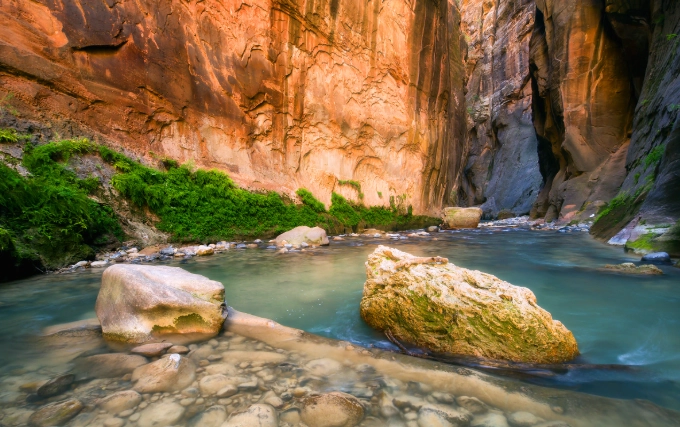
The Bottom-Up Day Hike (From Temple of Sinawava)
This is the way 95% of people experience The Narrows. You take the park shuttle (or walk/bike) to the last stop, Temple of Sinawava. From there, it's a pleasant, paved one-mile Riverside Walk to the point where the canyon walls close in and the trail ends at the river's edge.
And then you step in.
The beauty of this route is its flexibility. You go as far as you want and turn back. There's no set destination.
- To Orderville Canyon: This is a great first turnaround point, about an hour or so in. It's where a major side canyon joins. You'll see a significant increase in people here.
- To Big Springs: This is the official turnaround for day hikers without a permit. It's about a 5-mile round trip from the start of the river walk and can take 4-6 hours. The water gets deeper, the crowds thin a bit, and the scenery is phenomenal.
- Floating Rock/Wall Street: The section known as Wall Street, with its incredibly narrow, sheer walls, starts before Big Springs. You'll hit it on the way.
The downside? It can feel like a highway during peak season. You're sharing the magic with a long, snaking line of people.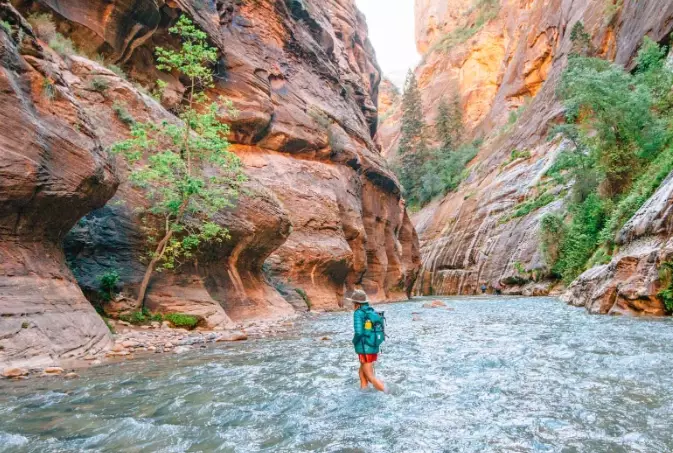
The Top-Down Hike
This is the full immersion. It's a 16-mile marathon that most people split into an overnight backpacking trip (permits required!). You start at Chamberlain's Ranch, outside the park, and hike downstream through the entire length of The Narrows, finishing at the Temple of Sinawava.
The pros are huge: solitude, a more wilderness experience, and seeing the canyon open up from its wide beginning to its narrow climax. The cons are equally huge: massive logistics (shuttle cars, heavy backpacking gear, filtering water from the river), greater commitment, and higher physical demands.
So, which is for you? If it's your first time, want flexibility, or are with family, go bottom-up. If you crave adventure and have the skills/permits, go top-down.
On the Trail: What It Actually Feels Like
Okay, you've got your permit (or not), your gear, and you're at the river's edge. What now?
It's slower than you think. You're not walking; you're navigating. You'll be constantly scanning the river ahead, choosing a path. Sometimes you'll walk on a gravel bank. Often, you'll be in shin-deep water. Then you'll hit a waist-deep section. The current is persistent, pushing against your legs. This is where the poles are worth their weight in gold.
The depth changes constantly. One step is on a rock, the next plunges into a hole. Use your pole to probe ahead. Walk sideways in stronger currents to lower resistance. Walk on the outside of bends where it's often shallower.
And yes, you will slip. Everyone does. It's part of the fun, as long as you're prepared. Keep your electronics in that dry bag, and don't be afraid to sit down in a deep section and just scoot if you need to. Pride has no place here.
Pro-Tip for Navigation: Look for the paths with the least algal growth on the rocks. The dark, slimy stuff is incredibly slippery. Lighter-colored, textured rock is usually your best bet for traction.
Answering Your Burning Questions (The FAQ Section)
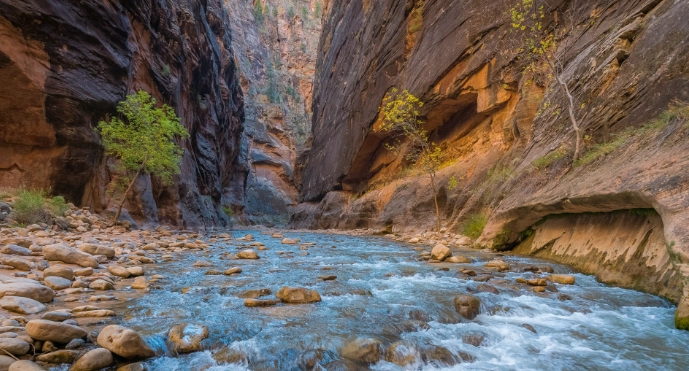
It's physically moderate but technically unique. The distance isn't the challenge; it's the constant resistance of water, the uneven footing, and the cold. A reasonably fit person can do the bottom-up hike to Big Springs. It's more about stamina and patience than brute strength. That said, if you have bad knees, poor balance, or a low tolerance for cold, you'll find it very challenging.
Yes, with caveats. I've seen determined kids loving it and miserable adults hating it. For kids, focus on a short out-and-back, maybe just to the first few bends. Ensure they have the proper footwear and neoprene socks—they feel the cold faster. For absolute beginners, start early, go slow, and have a turn-back time in mind. Don't feel pressured to reach a specific point.
This is a real concern! There are no facilities in the canyon. For solid waste, the NPS requires you to use portable toilet systems (like wag bags) for top-down trips. For bottom-up day hikes, the rule is simple: plan ahead. Use the restrooms at the Temple of Sinawava shuttle stop thoroughly before you start. If you're caught short during the hike, you must pack out all toilet paper and waste. It's a wilderness area. Please respect it.
No. Do not drink the Virgin River water untreated. It can contain pathogens like Giardia. If you're on a top-down overnight, you must bring a water filter (not just purification tablets, as they don't remove sediment). For a day hike, just carry all the water you'll need—at least 2-3 liters per person.
Final Thoughts and Parting Wisdom
The Narrows Zion isn't a checklist hike. It's a place that demands your attention and respect. You can't zone out with a podcast here. You have to be present, reading the water, feeling the current, looking up at the light on the walls.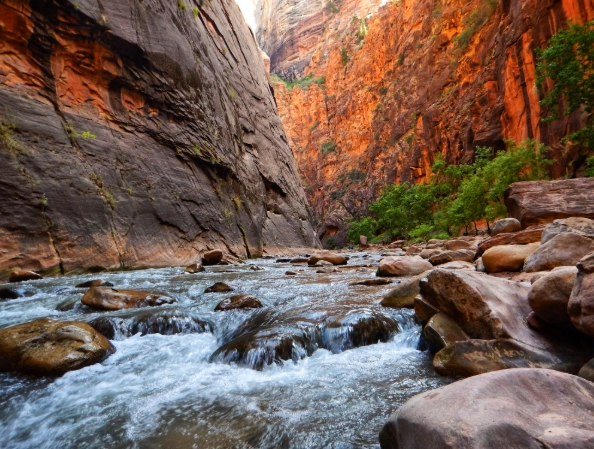
The biggest mistake isn't wearing the wrong shoes (though that's bad); it's treating it like just another trail. It's a river trek. Embrace the wet, the cold, the slow pace. That's where the magic is.
Start early. I mean, on the first shuttle early. You'll get an hour or two of relative peace before the crowds arrive. Have a backup plan. Check that flash flood risk one last time before you step in. And finally, put the camera down sometimes. Don't just see The Narrows through a viewfinder. Stand in the middle of that cold river, look up at the narrow strip of sky, and just be there. It's an experience that sticks with you long after your shoes have dried.
Oh, and one more thing—your legs will be sore in weird places the next day. All that stabilizing in the current works muscles you forgot you had. Consider it a badge of honor.