Quick Guide
- What Your Body Actually Needs to Climb Harder (It's Not Just Bigger Arms)
- Building Your Training Foundation: The Non-Negotiables
- The Core Four: Essential Climbing Workout Categories
- Putting It All Together: A Sample Weekly Climbing Workout Schedule
- Climbing Workout FAQs: Answering the Real Questions
- Resources and Next Steps
Let's be real for a second. You're here because you love climbing, but you've hit a point where just showing up at the gym isn't cutting it anymore. That V4 feels like a brick wall. That 5.11d project mocks you every weekend. You see people with less "technique" (or so you tell yourself) muscling through problems you can't touch, and you think: I need to get stronger.
And you're right. But here's the thing most climbing blogs and YouTube videos gloss over: not all strength is created equal for climbing. Doing random pull-ups and planks might help a bit, but it's like trying to fix a sports car with a wrench meant for a bicycle. Climbing demands a very specific, often weird, kind of fitness. Your fingers need to hold onto things the size of a grain of rice. Your core needs to stop your legs from swinging into another zip code. Your pulling power needs to be explosive, but you also need the endurance to hang on for what feels like forever.
That's what climbing workouts are all about—bridging that gap between general fitness and the brutal, beautiful specificity of pulling yourself up a wall. This isn't about getting jacked for the beach (though that might be a nice side effect). It's about building a body that's an efficient, resilient climbing machine. I've made every mistake in the book—overtrained my fingers and couldn't open a jar for a week, neglected my antagonists and wound up with shoulder pain, focused only on power and gassed out on any route longer than 20 moves. This guide is what I wish I'd had when I started taking training seriously.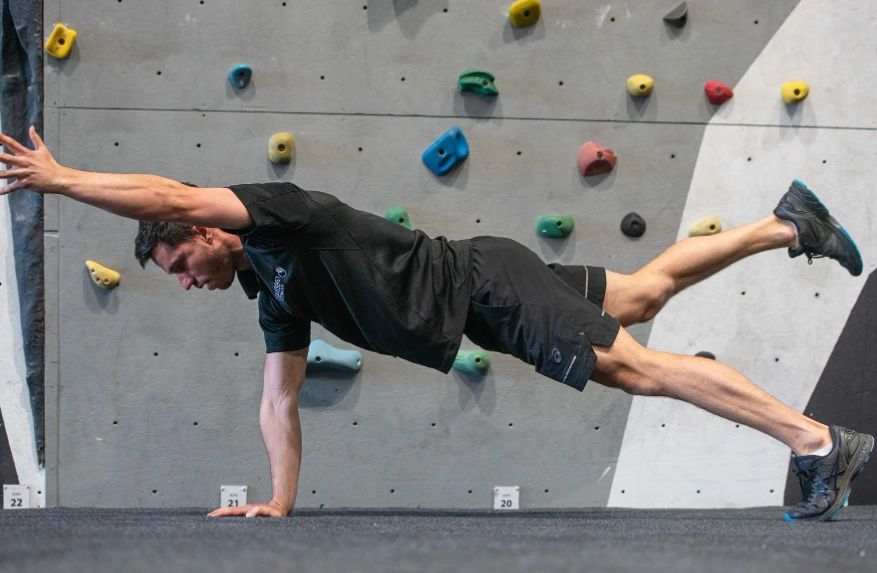
What Your Body Actually Needs to Climb Harder (It's Not Just Bigger Arms)
Before you jump into a random list of exercises, let's talk about the engine you're trying to build. Think of climbing performance as a pyramid.
The massive, foundational base is technique and mental game. No amount of finger strength exercises will save you if your footwork is sloppy or you panic every time you're above the last bolt. But on top of that base sits the physical performance layer. And that layer has several key components that your rock climbing training must address, often in a specific order of priority.
The Big Three: Strength, Power Endurance, and Pure Endurance
These are your energy systems, and confusing them is a classic training fail.
- Max Strength: This is your ceiling. How hard can you pull? How much weight can your fingers hold on a tiny edge for 7 seconds? This is what lets you do that one ridiculous move on your project. Training this is about high intensity, low reps, and LOTS of rest.
- Power Endurance: This is the killer for most climbers. It's your ability to do hard moves, one after the other, without falling off. Think of a boulder problem with 8-15 moves, or the crux sequence on a sport route. Your muscles are screaming, you're pumping up, but you have to keep going. This is where many climbers' climbing workouts should focus a lot of energy.
- Endurance (Aerobic Capacity): Can you climb for a long time at a moderate intensity? This is key for long multi-pitch routes or gym sessions where you don't want to be wrecked after three tries. It's about improving blood flow and recovery between hard moves.
Most of us are lopsided. Power climbers have no endurance. Endurance climbers can't do a single hard move. Your training should identify your weakness and attack it.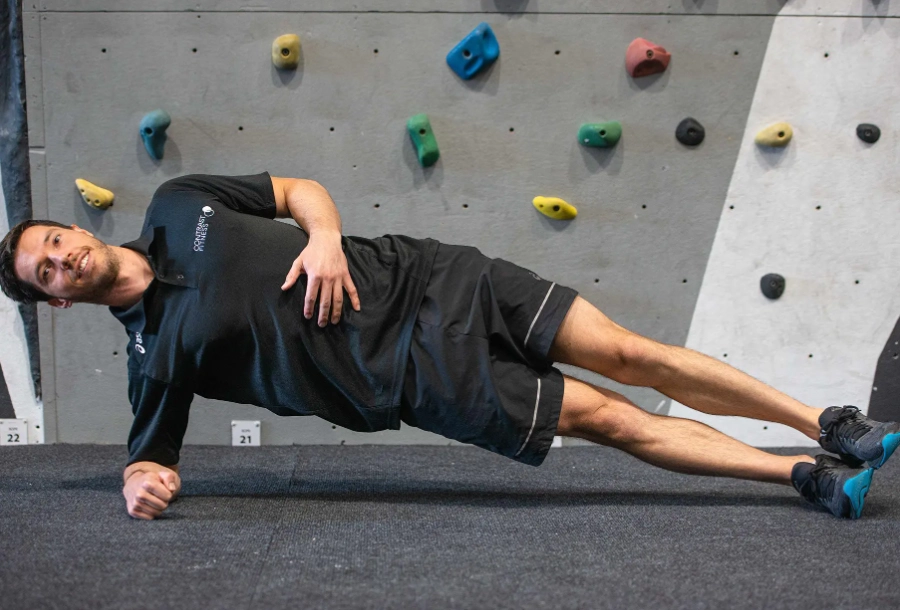
Building Your Training Foundation: The Non-Negotiables
You can't build a skyscraper on sand. These principles are the concrete slab for your climbing workouts.
Warm-Ups Are Not Optional. I get it, you're excited to get on the wall. But a cold tendon is a brittle tendon. Start with 5-10 minutes of light cardio (jump rope, jogging) to get blood flowing. Then do dynamic stretches for your shoulders, wrists, and hips. Finally, do easy climbing. I mean V0-V1 easy. Gradually increase the intensity over 20-30 minutes until you're ready to try hard. This isn't wasted time; it's an investment in your session quality and long-term health.
Recovery Is Where You Get Stronger. This was my hardest lesson. You don't get stronger while you're training; you get stronger while you're resting. Training creates micro-tears in your muscles and tendons. Rest allows them to repair and come back stronger. If you train your fingers hard on Monday, they might need Tuesday AND Wednesday off to fully recover. Listen to your body. Aches are normal; sharp pains are a red flag.
Progressive Overload (The "Slowly" Principle). To improve, you need to gently stress your body more than it's used to. But the key word is gently. Don't jump from hanging on a 20mm edge to a 10mm edge. Don't add 20 pounds to your pull-up in a week. Add one rep. Hold for one second longer. Use a slightly smaller edge. Progress is measured in millimeters and seconds over weeks and months, not days.
The Core Four: Essential Climbing Workout Categories
Okay, let's get to the meat of it. Your weekly rock climbing training plan should pull from these four buckets. You won't do all of them every day. That's a recipe for burnout.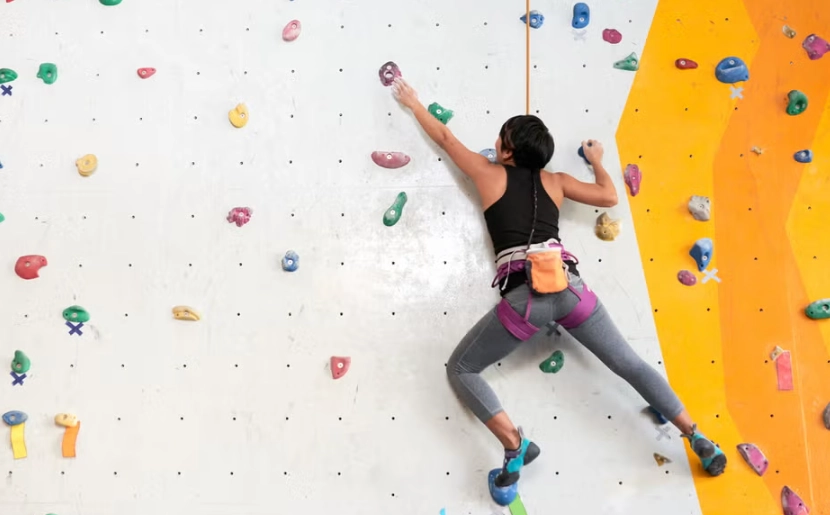
1. Finger Strength: The Holy Grail
This is what separates climbers from other athletes. Your fingers are your primary connection to the wall. No amount of back strength matters if you can't hold on.
The Tools: The campus board is famous, but it's advanced and risky. For most climbers, the fingerboard (or hangboard) is the safest, most controllable tool. A simple set of wooden rungs or resin edges mounted above a doorframe.
A Sample Beginner Hangboard Protocol (Do this AFTER a thorough warm-up, including some easy climbing):
- Edge Size: Start with a large, comfortable edge (20mm or bigger).
- Grip Type: Open-hand grip (fingers straighter) is generally safer for tendons than a full crimp. Train it.
- The Workout: 7-second hang, followed by 53 seconds of rest. That's one minute per rep. Repeat 6 times. That's it. Focus on perfect form: shoulders engaged (pull them down your back), body still, breathing steady.
- Frequency: Twice a week, with at least two full days of rest for your fingers between sessions.
Is hangboarding dangerous? It can be if you're reckless. But so is driving a car. Done correctly—with a proper warm-up, on large edges, with controlled intensity and ample rest—it's one of the safest ways to build robust finger tendons. Climbing on random, sharp, tweaky holds in the gym is often more dangerous.
2. Pulling & Upper Body Power
This is about translating that finger strength into upward movement. But we're not bodybuilders.
Key Exercises:
- Weighted Pull-Ups: The king. Builds raw pulling strength. Once you can do 8-10 clean bodyweight pull-ups, start adding weight with a dip belt. Low reps (3-5), high weight.
- Lock-Offs: Hold the top position of a pull-up (chin over bar) for time. This mimics holding a body position on the wall. Brutally effective.
- Bent-Over Rows: Builds the mid-back muscles that retract your shoulder blades, crucial for keeping your chest close to the wall.
My personal take? I think many climbers overdo volume on pull-ups. Doing 100 pull-ups a day might build endurance, but it won't build the high-intensity power you need for hard moves. Focus on quality and intensity.
3. The Core & Antagonists: The Unsung Heroes
This is where you prevent injury and create a stable platform for your limbs to work from.
Core: Forget endless crunches. Climbing core is about anti-movement—preventing your hips from sagging or swinging.
- Front Levers / Progressions: The ultimate climbing core exercise. Start with tucked knees, then one leg out, then straddle.
- Hanging Leg Raises: But do them slowly and with control. Don't swing.
- Planks & Side Planks: Boring but foundational. Add shoulder taps or leg lifts to make them harder.
Antagonists (The Push): For every pull, you need a push to keep your joints healthy. This is non-negotiable for shoulder health.
- Push-Ups: Standard, diamond, or with feet elevated.
- Overhead Press: With dumbbells or a barbell.
- External Rotations: With a light resistance band. This tiny exercise saved my shoulders from chronic pain.

4. Power Endurance & Capacity: The "Grind" Workouts
This is where you learn to suffer productively. These climbing workouts are miserable and glorious.
4x4s: A classic. Pick 4 boulder problems you can do consistently, about 2-3 grades below your max. Climb them one after the other, with no rest between problems. That's one set. Rest 4-5 minutes. Repeat for 4 total sets. The pump is unreal.
Linked Bouldering Circuits: Set up a circuit of 8-12 moves on a spray wall or section of the bouldering wall. Climb it, downclimb an easy section, then climb it again immediately. Repeat for a set time (e.g., 3 minutes on, 3 minutes off).
These sessions are draining. Do them max twice a week, and never the day before a day you want to try your hardest projects.
Putting It All Together: A Sample Weekly Climbing Workout Schedule
| Day | Focus | Session Breakdown | Key Principle |
|---|---|---|---|
| Monday | Max Strength & Power | Warm-up (30 min). Limit Bouldering (try very hard moves/problems for 1-2 moves). Hangboard (7s on/53s off x6). Weighted Pull-Ups (3 sets of 3). Core (front lever progression). | High intensity, full rest between tries (3-5 mins). |
| Tuesday | Active Recovery / Technique | Light cardio (walk, bike). Mobility work (hips, shoulders). OR Very light, technique-focused climbing (drills like silent feet, hover hands). | No intensity. Focus on movement quality and blood flow. |
| Wednesday | Power Endurance | Warm-up. 4x4s or Linked Circuit session (45-60 min total). Antagonist work (push-ups, band rotations). | Embrace the pump. Structured work/rest intervals. |
| Thursday | Rest | Complete rest. Maybe light stretching if you feel tight. | Growth happens here. |
| Friday | Projecting / Performance | Warm-up thoroughly. Work on your current hard project (sport route or boulder). Go for redpoints or sends. Keep tries quality over quantity. | Mental focus. Apply your strength. |
| Saturday | Volume / Endurance | Longer, moderate climbing session. Focus on mileage, trying lots of different styles, maybe some easy multi-pitch or auto-belay laps. Keep pump manageable. | Aerobic base building. Fun and exploratory. |
| Sunday | Rest | Complete rest. | Recover for the week ahead. |
Climbing Workout FAQs: Answering the Real Questions
You've got questions. I've asked them too. Let's cut through the noise.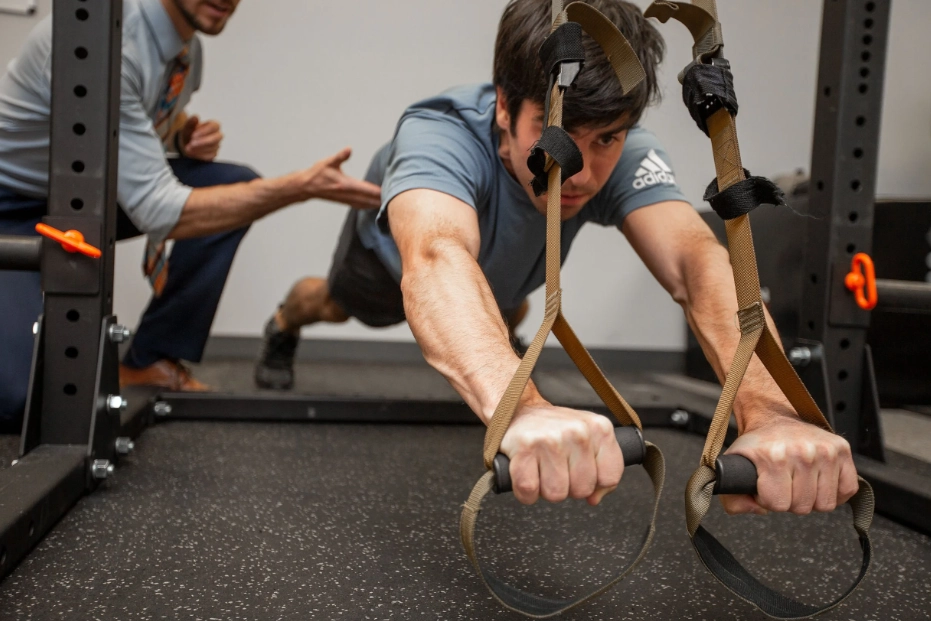
Resources and Next Steps
While this guide gives you the framework, diving deeper into exercise science can help. For authoritative information on strength and conditioning principles that underpin smart climbing workouts, the National Strength and Conditioning Association (NSCA) is a gold-standard resource. Their research feeds into all good training practices.
For climbing-specific movement analysis and injury prevention insights, the work published through the British Mountaineering Council (BMC) is incredibly practical and evidence-based.
The path to better climbing is paved with consistent, intelligent effort. Not heroics. Not random suffering. Show up, do the work your body needs, rest like it's your job, and then go climb something that scares you just a little. That's where the magic happens.