Key Insights
Let's be honest. You're not just going to Grand Teton National Park for the mountains, as breathtaking as they are. A big part of the draw, maybe the biggest for some of us, is the chance to see a moose. Not just any moose, but the iconic Moose in Grand Teton, framed against those jagged peaks and reflective lakes. It's the wildlife postcard you dream of. But here's the thing I learned the hard way: you can't just show up and expect one to pose for you. My first trip years ago was a bit of a moose-less bust. I drove around aimlessly, asked a ranger vague questions, and basically hoped for luck. It didn't work.
This guide is what I wish I'd had. It's not a dry list of facts. It's a collection of hard-won knowledge from spending too many dawns in the cold, talking to park volunteers, and making (and learning from) my own mistakes. We're going to cut through the noise and talk about exactly where to go, when to be there, and how to act when you finally spot one of these magnificent, grumpy-looking animals.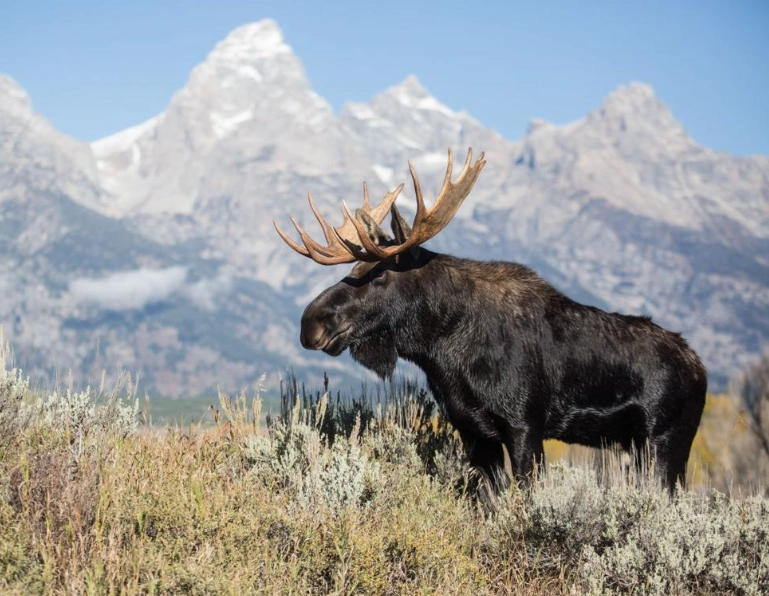
Where to Find Moose in Grand Teton: The Spots That Actually Deliver
Moose are creatures of habit, especially when it comes to food. They love willows. I mean, they really love willows. It's their salad bar, their kitchen, and their living room all in one. So any spot with dense, juicy willow thickets near water is a prime candidate. Based on consistent sightings and ranger recommendations, here are the areas where your search for a moose in Grand Teton should begin.
The Oxbow Bend Turnout: This is the classic, the superstar location. The Oxbow of the Snake River is choked with willows. I've had more success here than anywhere else. The viewing is from your car or the roadside pullout, which is great for a quick, safe sighting. Dawn and dusk are magical here, with the mist rising off the water and moose wading in the shallows. It can get crowded with photographers, though. Get there early.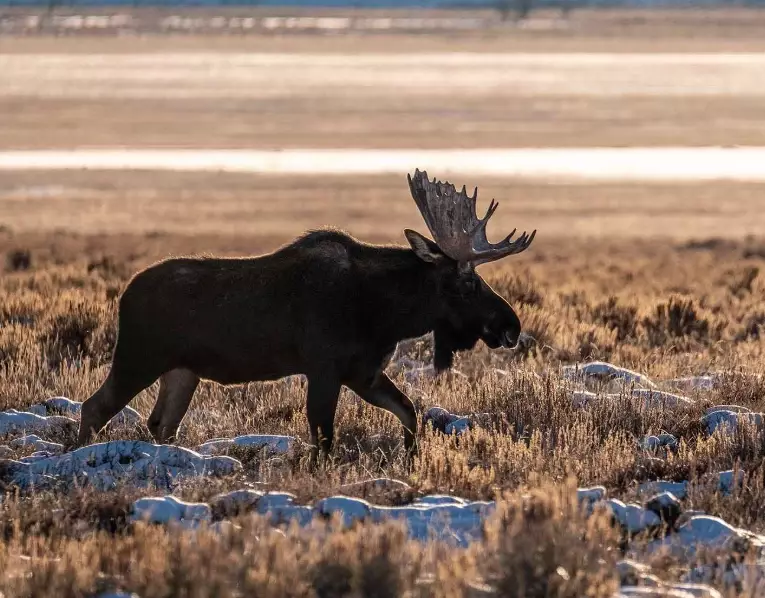
Willow Flats: The name says it all. This vast area between Jackson Lake Lodge and the Jackson Lake Junction is a moose cafeteria. You'll often see them from the road, but the pull-offs here are excellent for scanning the flats with binoculars. I once watched a bull with a massive rack here for nearly an hour as he slowly worked his way through a thicket. It's less crowded than Oxbow Bend and offers a more expansive view of their habitat.
Schwabacher's Landing Road: This is a personal favorite. The dirt road leads down to a peaceful stretch of the Snake River. It's quieter, more intimate. I've seen cows with calves here multiple times, grazing calmly in the willows along the banks. The road can be rough, but it's usually passable for regular cars in dry conditions. Just drive slowly.
Moose-Wilson Road: Another aptly named road. This winding, sometimes narrow road between the town of Moose and Teton Village is legendary for wildlife, especially in the southern, wetter sections. The willows are incredibly dense. Pro tip: Drive this road slowly, and I mean painfully slow. Stop at pullouts and just listen. You'll often hear the crack of branches before you see the moose. Be aware this road closes seasonally, so check the National Park Service website for current status.
Local Insight: A park volunteer once told me, "Think like a moose. On hot days, they're in the shade of the thickets or in the water. On cool mornings, they're out in the open flats feeding." It sounds simple, but that shift in perspective—from "where should I look?" to "where would a moose be comfortable right now?"—makes all the difference.
Other reliable zones include the areas around the Taggart Lake Trailhead (early in the morning before the hikers arrive) and the Christian Pond loop. But if you're short on time, focus on Oxbow Bend and Willow Flats. Your odds are best there.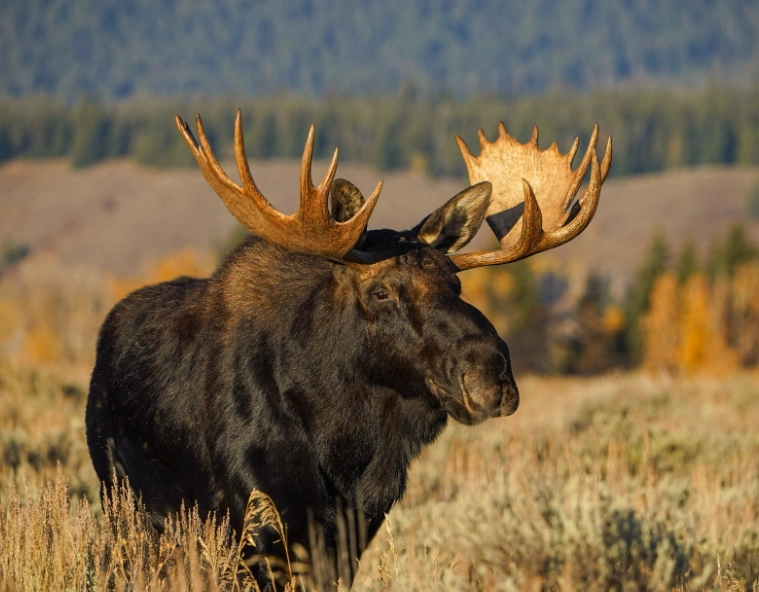
When is the Best Time to See Moose? It's More Than Just a Season
Timing is everything. Get the location right but the time wrong, and you'll just see willows. This breaks down into two layers: the time of year and the time of day.
The Seasonal Clock: What Moose Are Doing All Year
Moose behavior changes dramatically with the seasons. Here’s a quick breakdown of what to expect and when, which is crucial for planning your Grand Teton moose viewing trip.
| Season | What's Happening | Best For | Notes & Challenges |
|---|---|---|---|
| Spring (May-June) | Calving season. Cows are extremely protective and secretive with newborns. Bulls are growing new antlers (in "velvet"). | Seeing cows with incredibly cute, wobbly-legged calves. Lush, green scenery. | EXTREME CAUTION needed. Cows are more aggressive. Calves are often hidden. Roads like Moose-Wilson may still be closed. |
| Summer (July-Aug) | Feeding frenzy. Bulls' antlers are growing rapidly. Animals are spread out, often at higher elevations to escape heat and bugs. | Consistent sightings in wetland areas. Long daylight hours for viewing. | Can be hot. Mosquitoes are brutal in the willow flats. Midday sightings are less common as moose seek shade. |
| Fall (Sept-Oct) | The Rut (mating season). This is the big show. Bulls are aggressive, vocal, and focused on cows. Antlers are fully grown and impressive. | Most dramatic behavior. Best chance to see large bulls and hear bugling/grunting. Stunning fall colors as a backdrop. | Peak wildlife viewing season = more crowds. Bulls are unpredictable and dangerous. Give them even more space. |
| Winter (Nov-Apr) | Survival mode. Moose concentrate in lower valleys with less snow, often along plowed roads. They conserve energy. | Easier to spot against the snow. Photogenic snowy scenes. Fewer tourists. | Harsh conditions. Many roads and facilities are closed. Animals are stressed; minimizing disturbance is critical. |
For a first-time visitor wanting the full iconic experience—big bulls, dramatic behavior, and good accessibility—I'd lean towards early fall, just as the rut is starting. The weather is still decent, the bugs are gone, and the energy in the air is palpable. But if cute babies are your goal, you brave the spring mosquitoes.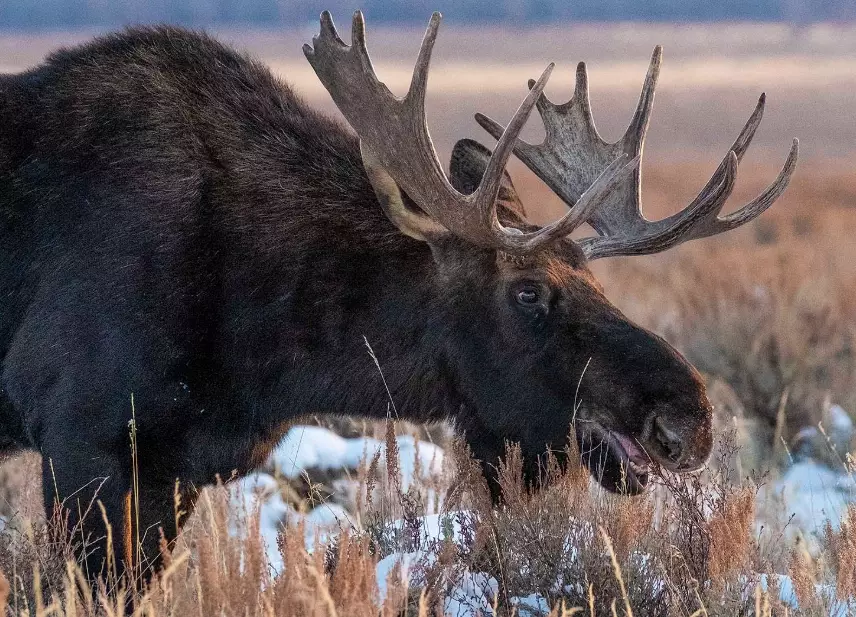
The Daily Rhythm: Dawn, Dusk, and the Lazy Midday
Forget noon. Seriously. The single most important tip for seeing moose in Grand Teton is to be active during crepuscular hours—that's dawn and dusk. Moose are primarily nocturnal feeders. They'll often be out in the open, grazing in meadows or wading in ponds during the first and last two hours of daylight.
I make it a rule: be at a prime spot like Oxbow Bend at least 30 minutes before sunrise. The light is soft and golden, the crowds are minimal (just the other serious wildlife watchers), and the moose are wrapping up their nighttime meal. It's the best window of the day. Dusk is similar, but I find mornings more reliable.
Midday? They're usually bedded down in the thick, cool shade of a willow grove, sleeping and digesting. You might get lucky and see one, but you're working against their natural cycle.
How to Behave Around Moose: This Isn't a Petting Zoo
This is the most important section. A moose is not a cow. It's not a big, docile deer. It's a 1,000+ pound wild animal with sharp hooves and, on bulls, a rack of antlers that can plow through small trees. Every year, people get too close and get hurt. Don't be that person.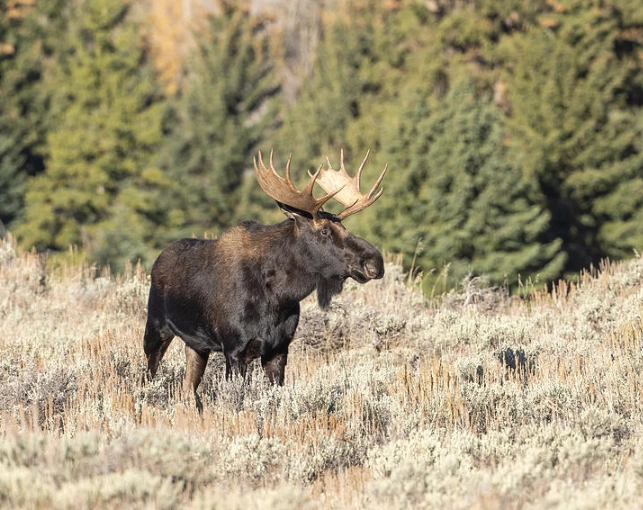
Non-Negotiable Safety Rules:
- Distance is everything. The National Park Service mandates keeping at least 25 yards (23 meters) from moose. I personally think that's the bare minimum. Use your zoom lens or binoculars. If the moose looks at you, you're too close. If it changes its behavior because of you (stops eating, ears go back), you are definitely too close and need to back away slowly.
- Never get between a cow and her calf. This is how most dangerous encounters happen. If you see a cute calf, immediately look for the mother. She is likely nearby and will defend her young without hesitation.
- Watch for warning signs. A moose that's getting agitated will lay its ears back flat against its head, the hair on its hump may stand up, and it may lick its lips. If you see this, you are in the danger zone. Back away immediately.
- Do not feed them. Ever. It's illegal, harms their health, and makes them associate people with food, leading to aggressive behavior.
- If a moose charges (which is rare if you keep your distance)... Run. Get behind a solid object like a large tree or a car. Do not try to "play dead" like with a bear.
I had a mildly scary moment once on the Taggart Lake trail. I rounded a bend and there was a cow moose, much closer than the 25 yards, blocking the path. She hadn't seen me yet. My heart jumped into my throat. I quietly backtracked around the bend and waited. After about ten minutes, she moved off into the woods. The urge to sneak a closer photo was strong, but the smarter part of my brain won. It's not worth the risk.
Respect their space. You're a visitor in their home. The NPS's wildlife watching ethics page is a great resource to internalize before you go.
Getting That Perfect Shot: Moose Photography Tips
So you've found a moose in Grand Teton, you're at a safe distance, and you want a photo that does it justice. Here's what I've learned from getting many blurry, poorly lit shots and a few good ones.
Gear: A telephoto lens is non-negotiable. A 70-200mm is okay if the moose is close to the road, but a 100-400mm or 150-600mm gives you much more flexibility to compose your shot without encroaching on their space. A sturdy tripod is essential for those low-light dawn/dusk shots.
Settings: Moose are often in shady areas or moving. Don't be afraid to bump up your ISO to get a fast enough shutter speed (I aim for at least 1/500th for a stationary moose, 1/1000th or faster if it's moving). Use aperture priority mode to control your depth of field. A wider aperture (like f/4 or f/5.6) will blur those beautiful willow backgrounds and make the moose pop.
Composition: Don't just center the moose. Use the rule of thirds. Include the environment—those famous Teton peaks, the reflection in a pond, the golden fall aspens. That context is what makes a Grand Teton National Park wildlife photo special. Get down low. A shot from knee-level feels more immersive than one from standing height.
The Light: Again, dawn and dusk. The light is warm, directional, and soft. It casts a gorgeous glow and creates long shadows that add depth. Midday light is harsh and flat. If you must shoot then, look for open shade.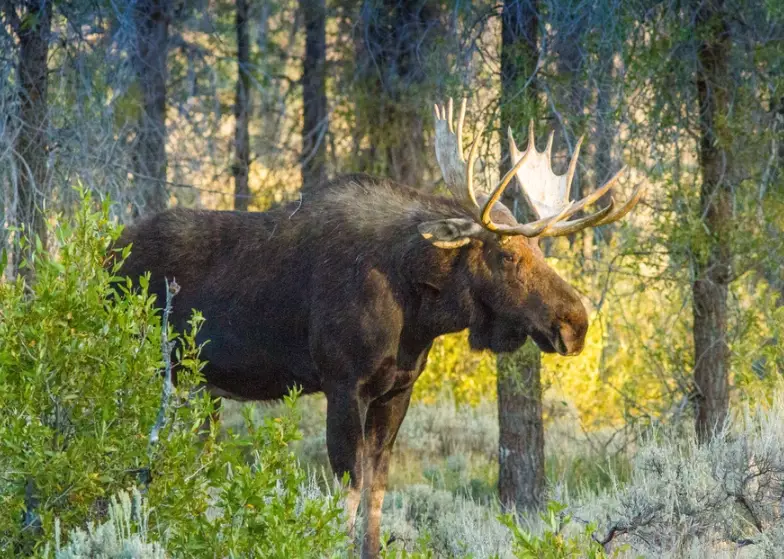
My Mistake: On my first serious attempt, I used a cheap, slow telephoto zoom. At dawn, my camera was struggling, and the images were noisy and soft. Investing in a decent lens was a game-changer. Don't let gear obsession stop you (shoot with what you have!), but know that a good lens makes capturing those magical moments much easier.
Answering Your Questions (The Stuff You're Actually Searching For)
Here are the specific questions I had and that I see other people asking online all the time.
Wrapping It Up: Your Action Plan
Finding a moose in Grand Teton is one of the park's great adventures. It requires a bit of strategy, a lot of patience, and a ton of respect. To make it easy, here's your quick-hit checklist:
- Target Locations: Oxbow Bend, Willow Flats, Schwabacher's Landing, Moose-Wilson Road.
- Target Time: Be in place 30 minutes before sunrise. Dusk is your second-best bet.
- Target Season: September for drama and big bulls; Spring for calves (with extreme caution).
- Essential Gear: Binoculars, a telephoto lens (200mm+), warm layers for morning chill, insect repellent in summer.
- Essential Mindset: Patience. Respect. Keep your distance (25+ yards).
The mountains will always be there. But the chance to watch a bull moose shake the water from its coat in the Oxbow at sunrise, or a cow gently nudge her calf through the willows, is a fleeting, wild moment. Do your homework, be respectful, and you'll give yourself the best chance to witness one of Grand Teton's most magnificent residents. Just remember to put the camera down for a minute and soak it in with your own eyes. That's the memory that lasts.