In This Guide
Let's talk about altitude sickness. You've probably heard the term thrown around if you're planning a trip to the mountains, maybe to Machu Picchu, the Himalayas, or even a ski resort in Colorado. It sounds vague and maybe a little dramatic, right? Just a headache from being up high? I used to think that too, until a friend of mine had a really rough time on a trek in Nepal. He was strong, fit, and experienced, but the mountain didn't care. He spent two days feeling like he had the world's worst hangover combined with the flu, and it totally derailed his trip. That's when I realized this isn't just a minor inconvenience; it's a real physiological condition that demands respect and understanding.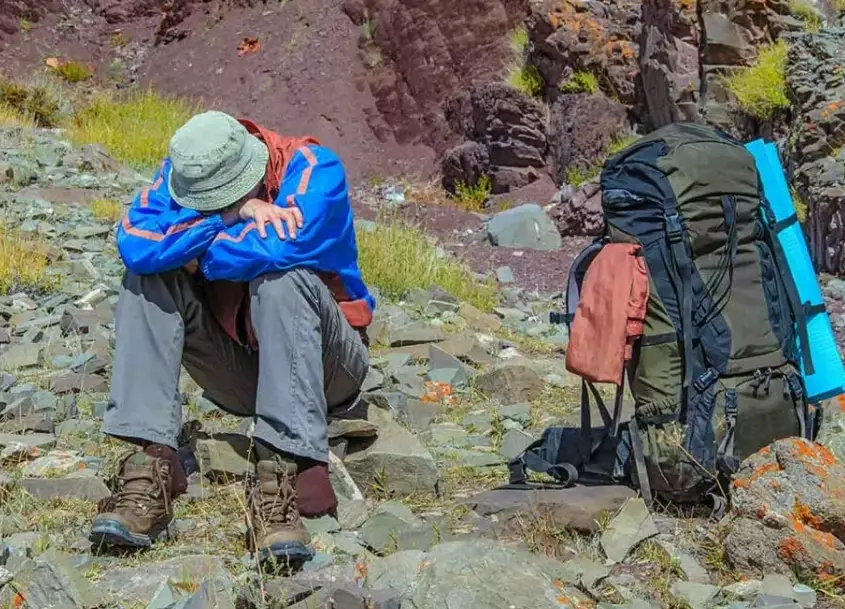
So, what exactly is happening to your body? At its core, altitude sickness—also known as acute mountain sickness (AMS)—is your body's unhappy response to lower oxygen levels. As you climb higher, the air pressure drops. There are fewer oxygen molecules in each breath you take. Your lungs are working just as hard, but they're grabbing less of what they need. It's like trying to run a car engine on thin air. Your brain, muscles, and organs start complaining because they're not getting their usual fuel supply.
Recognizing the Signs: From Mild Annoyance to Serious Danger
Altitude sickness isn't one single thing. It's a spectrum, and knowing where you are on that spectrum is the difference between managing a headache and facing a life-threatening emergency. The symptoms usually show up within 6 to 12 hours of arriving at a new altitude.
The Common Warning Signs (Acute Mountain Sickness - AMS)
This is what most people mean when they say "altitude sickness." Think of it as your body's loud protest. The symptoms are frustratingly similar to a bad hangover or a viral infection, which is why people sometimes try to push through. Big mistake.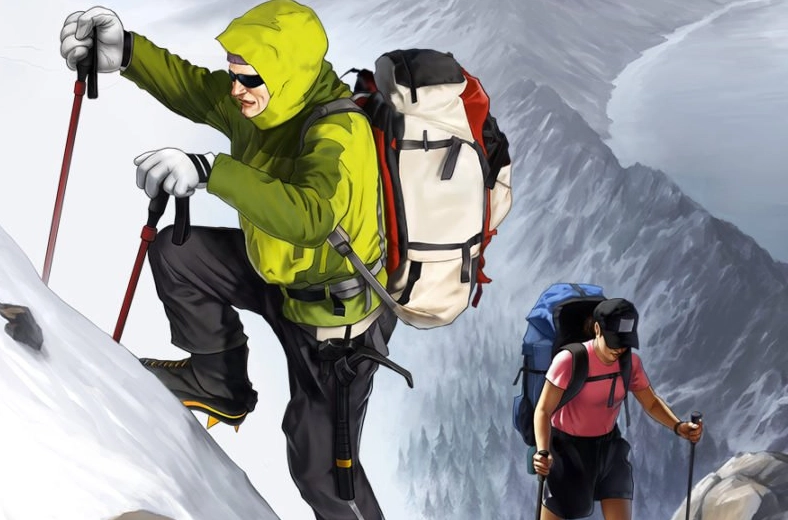
- The Headache: This is the hallmark. It's often described as throbbing, gets worse at night or when you bend over, and typically doesn't respond well to normal painkillers like ibuprofen or aspirin. If you wake up with a pounding head at altitude, pay attention.
- Nausea and Loss of Appetite: You might feel queasy or even vomit. Food becomes completely unappealing. This is a problem because you need energy and hydration.
- Dizziness and Lightheadedness: Feeling a bit off-balance or like the world is gently spinning.
- Fatigue and Weakness: An unusual, profound tiredness that isn't matched by your activity level. Just walking to the bathroom feels like a chore.
- Difficulty Sleeping: You're exhausted but you can't stay asleep. You might experience periodic breathing (Cheyne-Stokes respirations), where you stop breathing for a few seconds and then take several rapid breaths. It's unsettling.
When It Gets Serious: HAPE and HACE
This is the critical part most basic articles gloss over. If AMS symptoms are ignored and you continue to ascend, or if you're just particularly susceptible, the sickness can progress into one of two severe, life-threatening forms. These are medical emergencies, full stop.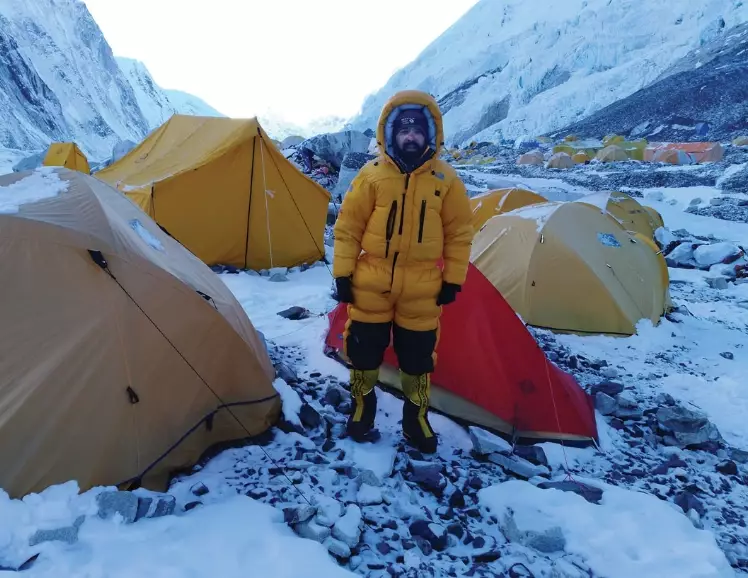
High Altitude Pulmonary Edema (HAPE) is fluid buildup in the lungs. It's like drowning from the inside. Symptoms include:
- A persistent, dry cough that may later produce frothy or pink sputum.
- Extreme shortness of breath, even at rest. You're gasping for air while sitting still.
- Tightness or congestion in the chest.
- Blue or gray lips/fingernails (cyanosis).
- Severe weakness and confusion.
High Altitude Cerebral Edema (HACE) is fluid buildup in the brain. It's essentially severe brain swelling. Symptoms include:
- A severe, incapacitating headache that painkillers don't touch.
- Loss of coordination (ataxia). You can't walk a straight line heel-to-toe. This is a key test.
- Confusion, irrational behavior, or hallucinations.
- Vomiting.
- Drowsiness, leading to coma.
I remember reading a harrowing account from a climber who described his partner with HACE trying to pack his backpack with random items from the tent, completely confused about where he was. That image stuck with me. It's not just feeling sick; it's your brain shutting down.
Who Gets It? (Spoiler: It Could Be You)
This is the great equalizer of the mountains. I've seen ultra-marathon runners laid low and casual hikers breeze through. There is a genetic component, so past performance is the best predictor. If you got sick going to 10,000 feet before, you'll likely get sick again under similar conditions.
Some factors increase risk:
- Rapid Ascent: The single biggest controllable factor. Flying or driving directly to a high altitude gives your body no time to adjust.
- Home Elevation: If you live at sea level, you're starting from scratch. Someone from Denver (the "Mile High City") has a built-in advantage.
- Previous History: As mentioned, if it happened before, it'll probably happen again.
- Level of Exertion: Overdoing it in the first 48 hours is a classic mistake. Take it easy!
- Dehydration: The dry mountain air sucks moisture from you, and being dehydrated worsens all symptoms.
- Alcohol and Sedatives: They depress your breathing, which is the last thing you need when oxygen is scarce. Avoid them for the first few nights.
What about age or fitness? Honestly, they're poor predictors. Young people might be more prone to AMS, perhaps because they push harder. Older adults might be more vulnerable to complications. Being fit helps you *function* better at altitude but doesn't prevent the sickness itself. In fact, fit people often ascend too quickly because they feel good, then get hit hard later.
Your Best Defense: Smart Prevention and Acclimatization
Preventing altitude sickness isn't about luck; it's about strategy. It's the most important part of planning any high-altitude adventure.
The Acclimatization Game Plan
Acclimatization is the process of letting your body slowly adapt to the thin air. It takes time—something many itineraries brutally lack.
Here are some practical, non-negotiable rules:
- Go Slow. Above 3,000 meters (10,000 feet), don't increase your sleeping elevation by more than 300-500 meters (1,000-1,600 feet) per day. Plan rest days (where you sleep at the same altitude) every 3-4 days.
- Hydrate Relentlessly. Drink enough water so your urine is clear or pale yellow. The dry air and increased breathing cause you to lose more fluid. Avoid excessive caffeine and definitely avoid alcohol.
- Eat Carbs. Your body metabolizes carbohydrates more efficiently in low-oxygen environments. Even if you're not hungry, try to eat small, high-carb meals.
- Listen to Your Body. That headache isn't "just a headache." If you develop symptoms, do not go higher. Rest at the same altitude until they fully resolve. If they get worse, descend.
Let's look at a typical risk profile at different altitudes. This isn't to scare you, but to inform you.
| Altitude (Feet / Meters) | Risk Level & Typical Location | Key Advice |
|---|---|---|
| 5,000 - 8,000 ft (1,500 - 2,400 m) | Low Risk. Cities like Denver, CO. Many ski resorts. | Most people fine. Mild symptoms possible for sea-level dwellers. |
| 8,000 - 12,000 ft (2,400 - 3,600 m) | Moderate Risk. Base camps for many treks (e.g., Everest Base Camp trek starts here). | AMS common if ascended too quickly. Acclimatization days crucial. |
| 12,000 - 18,000 ft (3,600 - 5,500 m) | High Risk. High mountain passes, advanced trekking zones. | Severe AMS, HAPE, and HACE become significant risks. Careful monitoring essential. |
| 18,000+ ft (5,500+ m) | Extreme Risk. "Death zone" for mountaineering. | No one acclimatizes fully. Time here is limited. Rapid descent for any illness. |
Medications: The Acetazolamide (Diamox) Question
Ah, Diamox. The famous altitude sickness pill. It's a prescription diuretic that helps your blood become slightly more acidic, which tricks your brain into breathing faster and deeper. This gets more oxygen into your system.
Here's my take, after talking to doctors and guides: It's a useful aid, not a magic shield. It does not replace slow ascent.
Pros: It can reduce the incidence and severity of AMS by about 50%. It might help you sleep better. Many people use it prophylactically if they have a forced rapid ascent (like flying to Cusco, Peru at 11,152 ft).
Cons & Side Effects: It makes you pee. A lot. You must drink even more water to compensate. It can cause tingling in the fingers and toes (paresthesia), which is weird but harmless. It can alter the taste of carbonated drinks, making soda taste flat and metallic. Some people hate the side effects more than mild AMS.
The CDC's Travel Health guidelines have a good section on its use. The standard prophylactic dose is 125 mg twice daily, starting the day before ascent and continuing for the first 2-3 days at altitude. Important: You must get a prescription from a doctor who understands travel medicine. Discuss your specific plans and health history.
Other medications like dexamethasone (a steroid) are powerful and used for treatment of severe AMS or HACE, but are not typically used for prevention due to more significant side effects. Ibuprofen has also shown some promise in preventing AMS headaches in studies, like this one published in Annals of Emergency Medicine.
What to Do If You Get Sick: Treatment on the Mountain
Okay, you followed the rules but you still woke up with that tell-tale headache and nausea. Now what? Don't panic. Most cases of AMS are mild and manageable if you act correctly.
- STOP. Do not continue ascending. Your plan for the day is canceled. This is non-negotiable.
- Rest. Literally, do nothing. Conserve your energy. Hydrate and try to eat something simple like crackers or soup.
- Medicate. Ibuprofen or acetaminophen for the headache. Anti-nausea medication like ondansetron can help if you can't keep fluids down.
- Monitor. Use the Lake Louise symptoms to track yourself. Are you getting better or worse?
- The Descent Decision: If symptoms are mild and improve with rest over 24 hours, you may be okay to carefully continue your acclimatization afterward. If symptoms are moderate to severe, or if they do not improve or get worse with rest, you must descend. Even a descent of 300-500 meters (1,000-1,600 feet) can make a dramatic difference. For HAPE or HACE, descend immediately and as far as possible.
Other aids can help in a pinch:
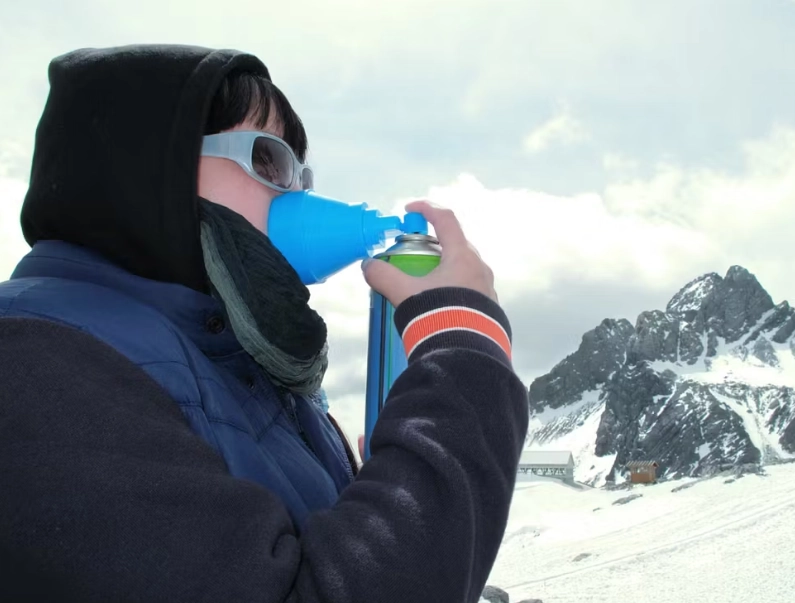
- Portable Oxygen: Small cans can provide temporary relief for a headache but are not a treatment for serious illness.
- Gamow Bag: This is a portable hyperbaric chamber. It's a strong nylon bag you get into, which is then pumped up to simulate a lower altitude. It's a fantastic tool for stabilizing a patient with HAPE or HACE while organizing a descent, but it's not a substitute for getting down.
- Dexamethasone: This steroid is a powerful treatment for HACE and severe AMS. It reduces brain swelling quickly. It's a rescue medication that can buy time for descent. It should be in the first-aid kit of any serious high-altitude expedition.
Answering Your Burning Questions
Can altitude sickness be fatal?
Yes, absolutely. High Altitude Pulmonary Edema (HAPE) and High Altitude Cerebral Edema (HACE) are the main causes of death from altitude illness. The fatality comes from ignoring the warning signs and not descending. With prompt recognition and action, deaths are almost always preventable. That's why education is so critical.
I'm going to [Machu Picchu/Breckenridge/Kilimanjaro]. What's my specific risk?
It's all about the sleeping altitude and your ascent profile.
- Machu Picchu (Cusco): High risk if you fly directly into Cusco (11,152 ft). The classic advice is to spend 2 nights in the Sacred Valley (lower, at ~9,000 ft) before visiting Cusco. Diamox is very commonly used here.
- Colorado Ski Resorts (e.g., Breckenridge at 9,600 ft): Moderate risk. Many people fly to Denver (5,280 ft), drive up, and ski the next day. AMS is common ("I just feel off"). Spending a night in Denver first can help. Hydrate aggressively and go easy on the alcohol the first night.
- Mount Kilimanjaro (19,341 ft): Very high risk due to the rapid ascent on some routes. Choosing a longer route (like the 7-8 day Lemosho or Machame) over a shorter one (5-day Marangu) dramatically increases your success and safety odds. Guides are trained to monitor for symptoms.
Are some people immune?
Not immune, but some are highly resistant. There's a genetic component. However, no one is immune to HAPE or HACE if they go high enough, fast enough. Even Sherpas, born and raised at high altitude, can get sick if they descend to low altitude for a while and then re-ascend too quickly.
Does drinking coca tea or taking ginkgo biloba help?
This is controversial.
Coca Tea: Widely consumed in the Andes. It's a mild stimulant and may help with fatigue and mild headache. It's not a proven prophylactic for AMS, but the ritual of drinking warm fluids and the slight boost might make you feel subjectively better. Don't rely on it as your only strategy.
Ginkgo Biloba: Study results are mixed. Some show a small benefit, others show none. The Wilderness Medical Society, in their consensus guidelines, does not recommend it due to inconsistent evidence. I'd stick with proven methods: go slow, hydrate, and consider Diamox if needed.
What about children?
Children are just as susceptible as adults, but they may not be able to articulate their symptoms well. Look for fussiness, lack of energy, vomiting, and poor sleep. The same prevention and treatment rules apply. There's no evidence they are at higher risk, but monitoring them closely is key. The UIAA (International Climbing and Mountaineering Federation) has detailed safety resources that often touch on family mountaineering.
Planning for altitude sickness shouldn't be an afterthought; it should be the foundation of your trip planning. Pack a pulse oximeter to check your oxygen saturation (though don't rely on it solely—how you feel is more important). Talk to a travel medicine doctor. Build a flexible itinerary that allows for extra rest days. Tell your travel partners about the symptoms so you can look out for each other.
The mountains are beautiful, but they're indifferent. Your safety is up to you. Armed with this knowledge, you can confidently prepare for your adventure, minimize your risks, and know exactly what to do if you or someone in your group starts to feel the effects of thinner air. Now go enjoy those breathtaking views—with a clear head.