Your Trail Guide at a Glance
- First Things First: What Exactly is the Hidden Lake Trail?
- The Not-So-Hidden Challenge: Parking and Getting There
- A Step-by-Step Breakdown of the Hike Itself
- When Should You Hike the Hidden Lake Trail?
- Gear You Actually Need (And What You Can Leave Behind)
- Wildlife Etiquette and Safety (This Isn't a Zoo)
- Answering Your Burning Questions (The FAQ Section)
- Final Thoughts and Honest Impressions
Let's be honest. You've probably seen the picture. That perfect, mirror-like alpine lake cradled by jagged peaks, with a wooden boardwalk leading right to the viewpoint. It's the postcard shot for Glacier National Park, and it comes from one place: the Hidden Lake Trail. It's iconic for a reason. But between that dreamy Instagram photo and actually lacing up your boots, there's a whole lot of reality. Parking nightmares, surprise snowfields in July, and the very real chance of a mountain goat blocking your path.
I've hiked it more times than I can count, in sun, fog, and even a sudden summer hailstorm that had us scrambling for cover behind rocks. It's never quite the same trail twice. This guide isn't just a rehash of the park brochure. It's everything I wish I knew before my first time, mixed with the hard-won lessons from subsequent trips. We'll talk about how to actually get a parking spot, what that "moderate" difficulty rating really feels like, and whether the view is worth the often-crowded path. (Spoiler: it absolutely can be, if you go in with the right expectations).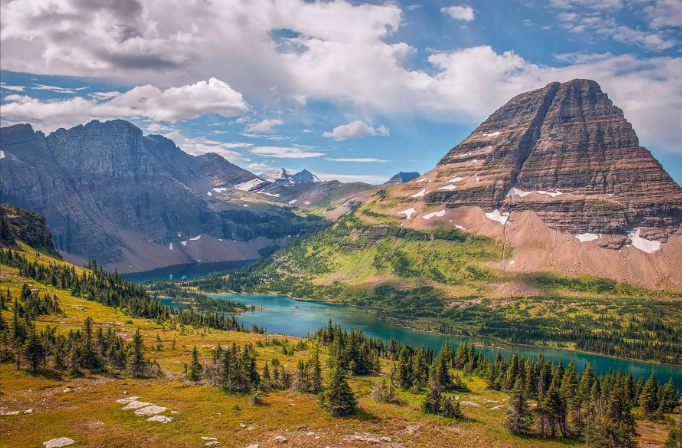
First Things First: What Exactly is the Hidden Lake Trail?
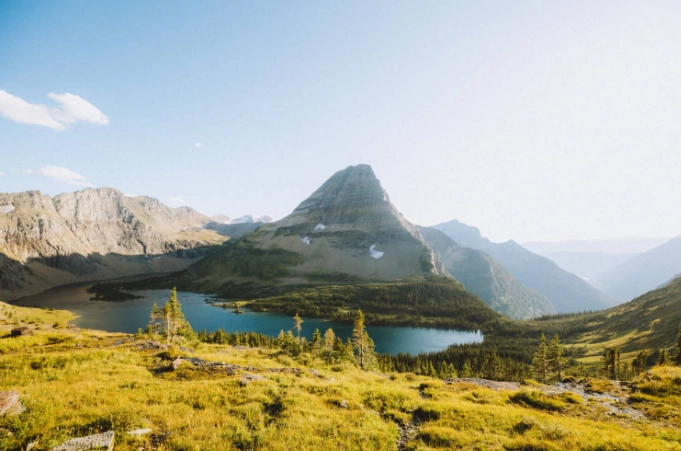
The Hidden Lake Trail is arguably the most popular hike in Glacier National Park, and it starts from the absolute hub of the park: the Logan Pass Visitor Center. The main goal is the Hidden Lake Overlook, a viewpoint perched high above the stunning Hidden Lake, with Bearhat Mountain towering in the background. You can see why it's a crowd-puller.
Quick Trail Stats: The round trip to the Hidden Lake Overlook is about 2.7 miles. The elevation gain is roughly 540 feet. Now, that doesn't sound too bad, right? But remember, you're starting at over 6,600 feet. That thin air makes every step feel a bit heavier.
The trail itself begins as a raised boardwalk, which is fantastic because it protects the fragile alpine meadow (a place called the Hanging Garden) and keeps your feet dry in early season. After about 1.4 miles of steady uphill, you reach the overlook. That's where most people stop, take their photos, and head back.
But the trail does continue. From the overlook, it's another 1.2 miles (one-way) down a much steeper, rougher path to the actual shore of Hidden Lake. This section adds significant challenge and is often snow-covered or muddy much later into the summer. Deciding whether to go all the way down to the lake is a big question, and we'll get into the pros and cons later.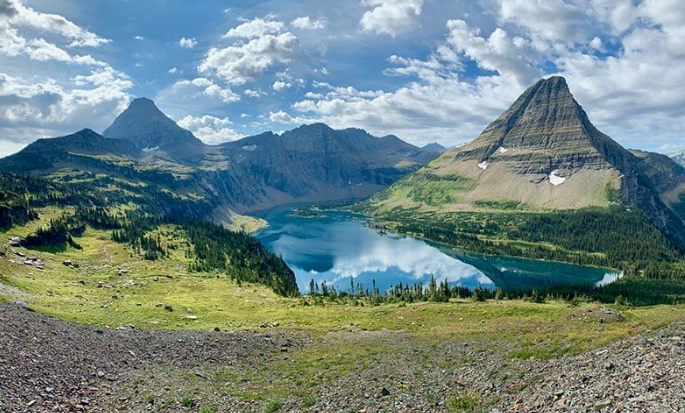
The Not-So-Hidden Challenge: Parking and Getting There
Alright, let's tackle the elephant in the room. Or more accurately, the several hundred cars competing for about 150 parking spots. Logan Pass is the highest point on the Going-to-the-Sun Road, and its parking lot is famously, infuriatingly full by 7:30 or 8:00 AM for most of the summer.
I made the mistake once of rolling up at 10 AM. I spent 45 minutes circling the lot like a vulture before giving up and having to come back a different day. It's that competitive.
Your Best Bets for Parking:
- The Early Bird Strategy: Aim to arrive at Logan Pass by 7:00 AM. Not only will you get a spot, but you'll hike in the beautiful morning light with fewer people. The sunrise here is magical.
- The Shuttle Savior: Use the free Glacier National Park shuttle system. Park at a lower lot like St. Mary or Apgar, ride the shuttle up, and get dropped right at the visitor center. No parking stress at all. Check the NPS site for current schedules and stops—it's a game-changer.
- The Late Afternoon Gamble: After 4 PM, spots often start to open up as morning hikers leave. You'll have fewer hours of daylight, but also thinner crowds on the trail.
Seriously, don't let parking be the reason you miss this hike. Plan for it like you plan your snacks.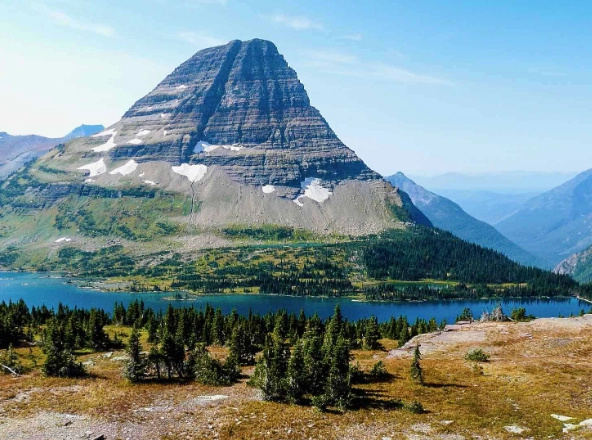
A Step-by-Step Breakdown of the Hike Itself
The Boardwalk Beginning (Trailhead to the First Major Incline)
You leave the chaos of the parking lot and are immediately immersed in a rolling sea of wildflowers (in July and August) and sprawling mountain views. The boardwalk is wide and easy. This is the part where everyone is smiling, taking photos of the flowers, and pointing at distant peaks. You'll likely see your first wildlife here too—ground squirrels and marmots are practically guaranteed, and mountain goats are frequent visitors, often right next to the trail.
Stay on the boardwalk. I know it's tempting to step off for that perfect photo, but this ecosystem is incredibly fragile.
The Climb to the Overlook
The boardwalk eventually gives way to a dirt and rock path, and the incline becomes more consistent. This is where you feel the altitude. Just go slow. There are plenty of natural excuses to stop and "admire the view" while you catch your breath. The landscape opens up, and you can see the entire valley behind you.
About two-thirds of the way up, you'll hit a series of tight switchbacks. This is the steepest section. It's short, but it gets the heart pumping. The final approach to the Hidden Lake Overlook is a wide, rocky area. And then, there it is.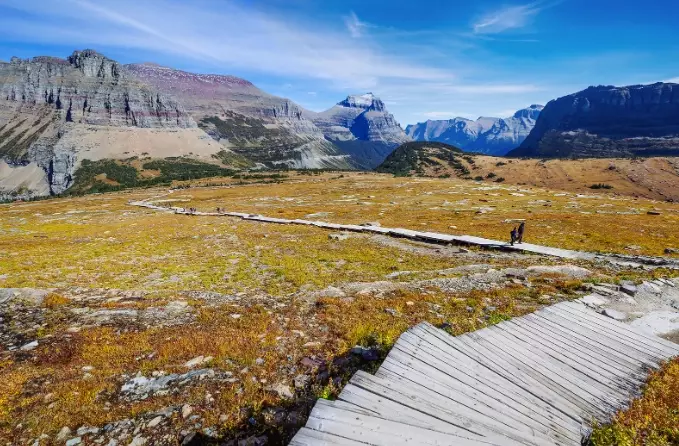
The Hidden Lake Overlook – The Money Shot
The first time you see Hidden Lake from the overlook is a moment you won't forget. The lake is a deep, almost unreal shade of blue-green, fed by snowmelt from the surrounding peaks. Bearhat Mountain sits right behind it like a perfect pyramid. On a calm day, the reflection is flawless.
This area is almost always crowded. People are lining up for photos, having lunch, and just soaking it in. Find a rock to sit on, have a snack, and enjoy it. You earned it. This is the primary destination for most hikers on the Hidden Lake Trail Glacier experience.
Heads Up: The overlook area is exposed and can be extremely windy and cold, even on a sunny summer day. Always have an extra layer in your pack. And watch your step near the edges—the drop-offs are serious.
The Decision: To Descend to the Lake or Not?
From the overlook, you can see the trail zigzagging steeply down about 780 feet to the lake shore. This adds 2.4 miles round trip to your hike and is a whole different beast.
Pros of going down: You get to touch the icy water, see the lake from a completely different perspective, and escape about 90% of the crowds. It feels more like a true wilderness experience.
Cons: It's steep and rocky. What goes down must come up, and climbing back out is a grueling slog, especially at altitude. This section is often the last to lose its snow, so you might be dealing with slippery, slushy traverses. In late summer, it can be a muddy mess.
My take? If you're a fit hiker, have good traction on your shoes (not flip-flops!), and have the time and energy, the descent is rewarding. If you're with young kids, have knee issues, or are already tired, the overlook view is spectacular enough. You're not missing out; you're just choosing a different adventure.
When Should You Hike the Hidden Lake Trail?
This is crucial. The trail's condition is 100% dictated by snow. The Going-to-the-Sun Road usually opens fully in late June or early July, and the trail often still has significant snowpack then.
| Time of Year | What to Expect | Our Recommendation |
|---|---|---|
| Late June - Mid July | Heavy snowfields, especially past the overlook. The boardwalk may be clear, but the trail to the overlook can be a slushy, snowy hike. Microspikes might be necessary. Wildflowers just starting. | For experienced hikers prepared for snow travel. The lake is often still frozen or partially iced over, which is a unique sight. |
| Mid July - Late August | Prime time. Snow is mostly gone (except possibly on the descent to the lake). Wildflowers in the meadows are peak. Weather is most stable. Also, peak crowds. | The classic experience. Just be strategic about parking and start times to avoid the worst of the crowds. |
| September | Crowds thin out dramatically. Weather becomes more unpredictable—sunny one minute, snow flurries the next. Fall colors start in the valleys below. The air is crisp. | Our personal favorite. You trade some flower coverage for solitude and dramatic weather. Be prepared for cold and wind. |
Always, always check the Glacier National Park trail status reports before you go. Rangers update these regularly with current conditions on snow, bears, and closures.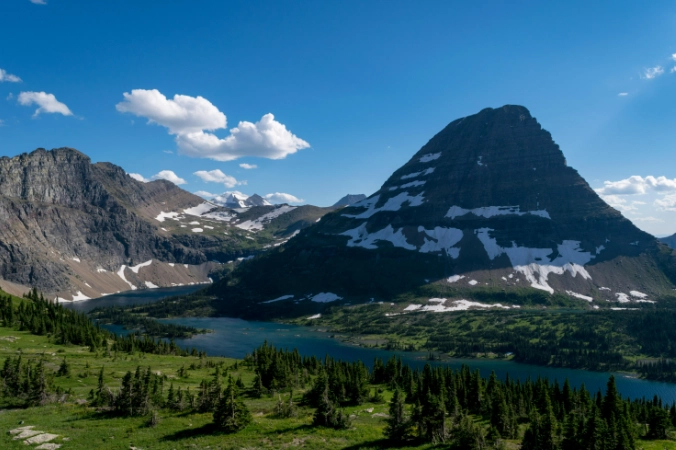
Gear You Actually Need (And What You Can Leave Behind)
You don't need mountaineering gear, but you do need to be smarter than the person in jeans and converse. The weather at Logan Pass changes fast.
The Non-Negotiables:
- Sturdy Hiking Shoes or Boots: Traction is key. The rocks can be slick, and snowfields are common.
- Layers, Layers, Layers: A moisture-wicking base, an insulating mid-layer (fleece/puffy), and a waterproof/windproof shell. The summit can be 20+ degrees colder and infinitely windier than the trailhead.
- Bear Spray: This is grizzly country. Carry it, know how to use it, and have it accessible (not buried in your pack). Rent or buy it before you enter the park.
- Water and Snacks: More water than you think. The dry air and altitude will dehydrate you. High-energy snacks keep you going.
- Sunscreen and Hat: The high-altitude sun is intense, and there's very little shade.
Nice-to-Haves:
- Trekking Poles: A huge help for the steep sections and for stability on snow or loose rock, especially on the knees for the descent to the lake.
- Microspikes: If hiking in early season (June/early July), these can turn a treacherous snowfield into a safe walk.
- A Good Camera or Binoculars: For the wildlife and those epic views.
Wildlife Etiquette and Safety (This Isn't a Zoo)
You will see animals. Mountain goats and bighorn sheep treat the area around the Hidden Lake Trail Glacier overlook like their personal living room. It's amazing, but it comes with responsibility.
The rule is simple: Give them space. Always. The National Park Service mandates staying at least 75 feet (23 meters) from all large animals. That's about the length of two school buses.
I've seen people get way too close for a selfie. It's dangerous for them and for you. A goat may look docile, but it's a wild animal with sharp horns. If an animal changes its behavior because of you—stops eating, looks at you, moves away—you're too close. Use your zoom lens.
Bear Safety is Real Safety: Grizzly and black bears roam these mountains. Make noise, especially in brushy areas or when going around blind corners. Hike in groups. Carry your bear spray in a holster on your hip or chest strap. Know how to use it (pull the safety tab, aim slightly down, and spray a 2-3 second cloud). The NPS Bear Safety page is required reading.
Answering Your Burning Questions (The FAQ Section)
Is the Hidden Lake Trail good for beginners or families?
Yes and no. The hike to the overlook is absolutely doable for active beginners and families with older kids. The boardwalk is great. But you must respect the distance, the altitude, and the weather. It's not a casual stroll. For families with young children (under 5 or 6), it can be a long haul. Be prepared to carry them or turn back early. The descent to the lake is not beginner-friendly.
How long does it really take?
Most people take 2 to 3 hours round trip to the Hidden Lake Overlook, including time for photos and snacks. If you add the descent to the lake, budget an additional 1.5 to 2 hours. If you're a fast hiker in good shape, you can do the overlook faster, but why rush?
Are there bathrooms?
Yes, at the Logan Pass Visitor Center at the trailhead. There are no facilities on the trail itself.
Can I swim in Hidden Lake?
Technically, yes. But it's fed by snowmelt and is bone-chillingly cold year-round. I mean, maybe-dip-your-toes-in-for-three-seconds cold. Not many people are doing laps. Also, be mindful of preserving the pristine environment.
Do I need a permit or reservation?
For the hike itself, no. But for the 2024 season and likely beyond, you DO need a Going-to-the-Sun Road Corridor Vehicle Reservation to drive your personal vehicle to Logan Pass between 6 AM and 3 PM from late May through early September. This is separate from the park entrance fee. Plan this well in advance—they sell out fast. Remember, the shuttle is a reservation-free alternative!
Final Thoughts and Honest Impressions
The Hidden Lake Trail is popular for all the right reasons. The payoff is immense for the effort required. It's a masterclass in what makes Glacier National Park special: alpine grandeur, abundant wildlife, and that feeling of being on top of the world.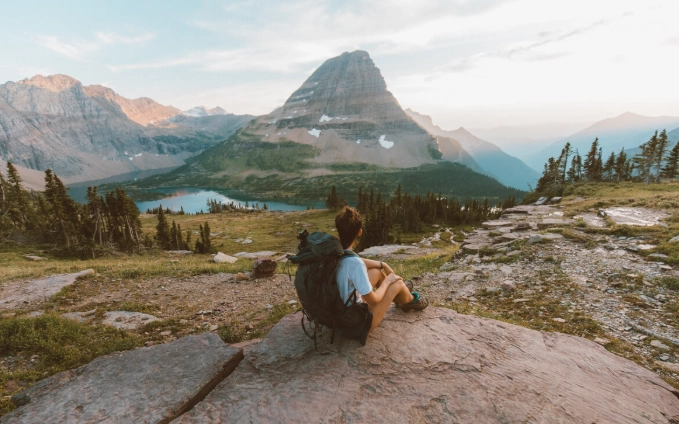
But it's not a secret, solitary wilderness experience. If you go at noon in July, you'll be sharing it with hundreds of others. The parking is a battle. The wind might try to blow you off the overlook.
My advice? Embrace what it is. Go early. Take the shuttle. Pack your patience along with your bear spray. When you get to that overlook, find a quiet moment between the clicks of camera shutters to just look. Watch the clouds move over the peaks, see if you can spot a goat on a distant cliff, feel the sun and the wind on your face.
That's the magic. That's why you came.
It's more than just a checklist hike. The Hidden Lake Trail Glacier adventure is an accessible slice of high-alpine magic, with all the logistics and wonders that entails. Plan well, hike smart, and it will be a highlight of your trip to Glacier.