Your Climbing Compass
- What Exactly IS a Luxury Climbing Expedition?
- How to Vet a Luxury Climbing Expedition Company (Don't Just Look at the Photos)
- Top Destinations for Luxury Climbing Expeditions
- Breaking Down the Cost: Where Does the Money Go?
- The Real Preparation: It's More Than Just Gym Time
- Final Thoughts: Is It Worth It?
Let's be honest. The word "expedition" usually brings to mind frozen toes, tasteless food, and sleeping in a cramped tent while the wind tries to tear it apart. It's about suffering for the summit, right? That's what I used to believe, until a friend dragged me on what he called a "luxury climbing expedition." I rolled my eyes. Luxury and climbing? Sounded like an oxymoron.
I was wrong. Completely wrong.
What I experienced wasn't just climbing with a nicer backpack. It was a fundamental reimagining of what a mountain adventure could be. It was about reaching breathtaking heights without sacrificing basic human comfort, safety, and even a bit of indulgence. The goal shifted from merely surviving the climb to truly thriving within it, allowing you to focus entirely on the challenge and the beauty. That's the core of modern luxury climbing expeditions.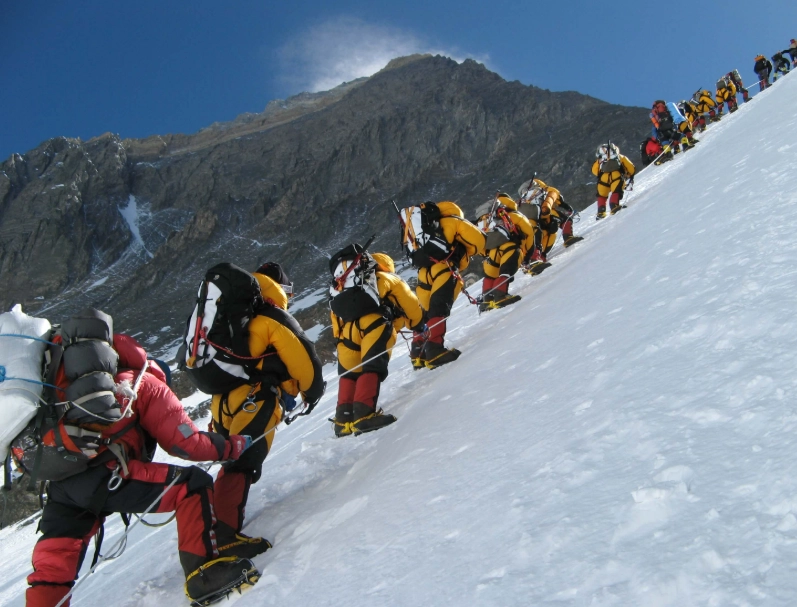
This guide is for anyone who loves the mountains but hates the idea of utter misery. Maybe you're a seasoned trekker looking to step up to a technical peak with more support. Maybe you're a professional who has limited vacation time and can't afford a week of recovery after your adventure. Or perhaps you just believe that after a grueling day climbing at altitude, you deserve a hot meal that doesn't come from a freeze-dried pouch.
We're going to break down exactly what sets these premium experiences apart, how to choose the right one for you, and what you're really paying for. Because let's face it, these trips are a significant investment. You need to know where that money goes.
What Exactly IS a Luxury Climbing Expedition?
It's easier to start by saying what it's not. It's not a helicopter ride to the summit (that's tourism, not climbing). It's not about avoiding the physical effort. The mountain still demands respect, sweat, and determination.
A genuine luxury climbing expedition redefines the base camp and the journey, not the peak. Think of it as a framework of exceptional support that wraps around the classic alpine challenge. The climb remains authentic; the environment around it is elevated.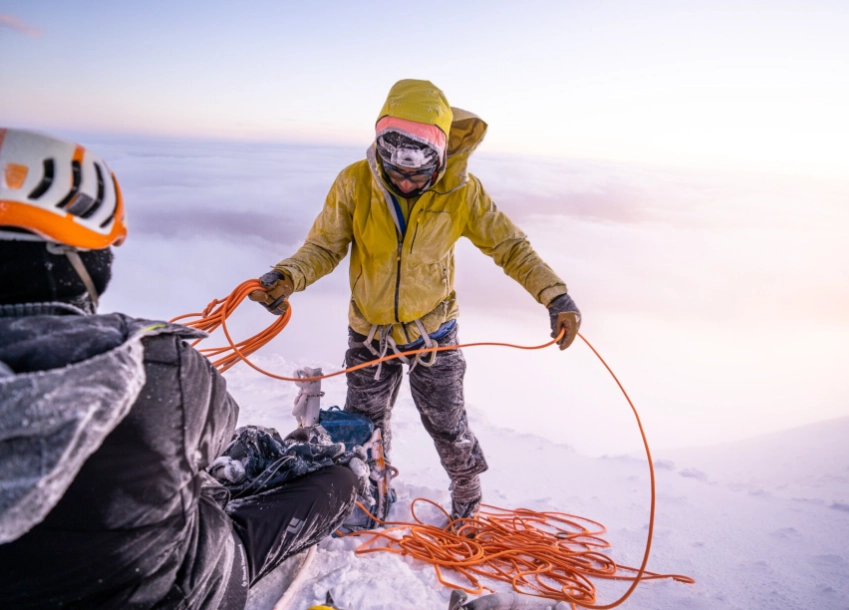
I remember on that first trip, after a brutal day crossing a high glacier, we stumbled into camp. Instead of fumbling with stoves, a dedicated kitchen team had a tent up with a table, real chairs, and the smell of freshly baked bread. Someone handed me a warm, damp towel. It felt absurd. And utterly fantastic. My energy went into recovering and preparing for the next day's technical section, not into camp chores.
The Three Core Differences: Luxury vs. Standard Expeditions
If you're trying to decide, look for these pillars. A true top-tier operator excels in all three.
| Feature | Standard Expedition | Luxury Expedition |
|---|---|---|
| Guide-to-Client Ratio | Often 1:4 or higher. Guides manage the group. | Frequently 1:1 or 1:2. Focus is on individual pacing, coaching, and safety. |
| Base Camp Amenities | Communal dining tent, basic meals, personal tents. | Dedicated dining/social tents with proper furniture, gourmet meals prepared by a chef, sometimes separate sleeping tents with elevated cots. Portable toilet systems. |
| Logistics & Support | Sherpas/porters for communal gear. You carry personal gear. | Comprehensive porterage for personal and group gear. Dedified roles (chef, camp manager). Advanced comms and dedicated weather forecasting. |
| Focus | Summit-centric, group achievement. | Experience-centric, personalized journey, high summit success as a byproduct of preparation. |
The guide ratio is the biggest game-changer. On a crowded route, having a guide's undivided attention isn't just nice—it's a massive safety buffer. They notice your fatigue levels instantly, can adjust the pace just for you, and provide real-time technical instruction. It transforms the climb from a guided hike into a personalized mountaineering course.
How to Vet a Luxury Climbing Expedition Company (Don't Just Look at the Photos)
The marketing is always beautiful. Sunsets over pristine tents, smiling faces with summit flags. You need to dig deeper. Here’s what I ask now, and what you should too.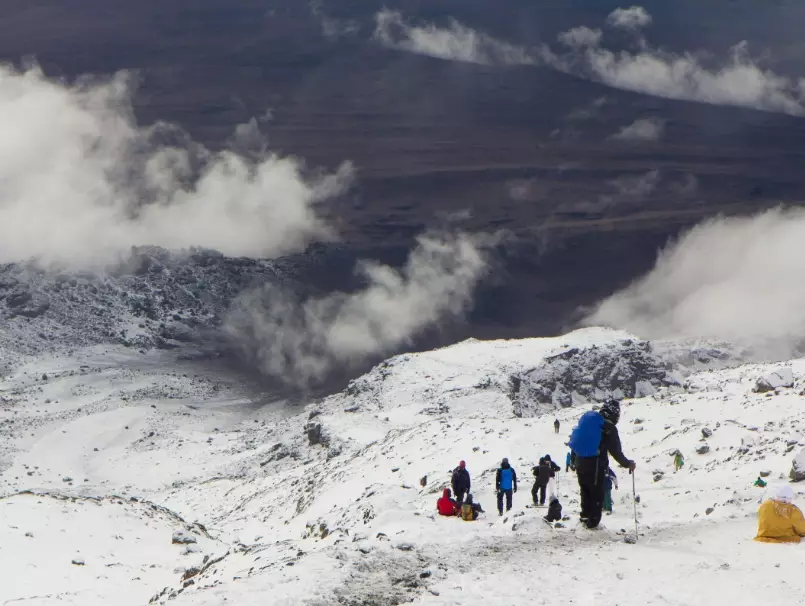
Questions You MUST Ask Before Booking:
- Guide Credentials: "Are all your lead guides IFMGA certified? Can I see their bios?" The International Federation of Mountain Guides Associations (IFMGA) certification is the global gold standard. It's non-negotiable for serious technical terrain.
- Safety Protocols: "What is your evacuation plan for each section of the climb? What medical equipment and training does the guide team carry?" Listen for specifics—named helicopter services, satellite communication devices (like Garmin inReach), and the presence of a comprehensive medical kit.
- The Food, Actually: "Can you provide a sample menu from a previous expedition? How do you handle dietary restrictions?" Anyone can say "gourmet food." A real chef can plan a menu that fuels high-altitude exertion. I've seen menus that included hydrating soups, complex carbs, and even light desserts to boost morale.
- What's NOT Included: This is huge. Are international flights, park fees, personal equipment, and trip insurance extra? A transparent company outlines this clearly upfront. Hidden costs are a hallmark of a poorly run operation.
Also, read between the lines of client testimonials. Look for mentions of specific guides by name, details about the food, or how a problem was handled. Generic "amazing trip" reviews are less useful than one that says, "When I got mild AMS at Camp 2, guide Maria had me on oxygen and adjusted our schedule within the hour."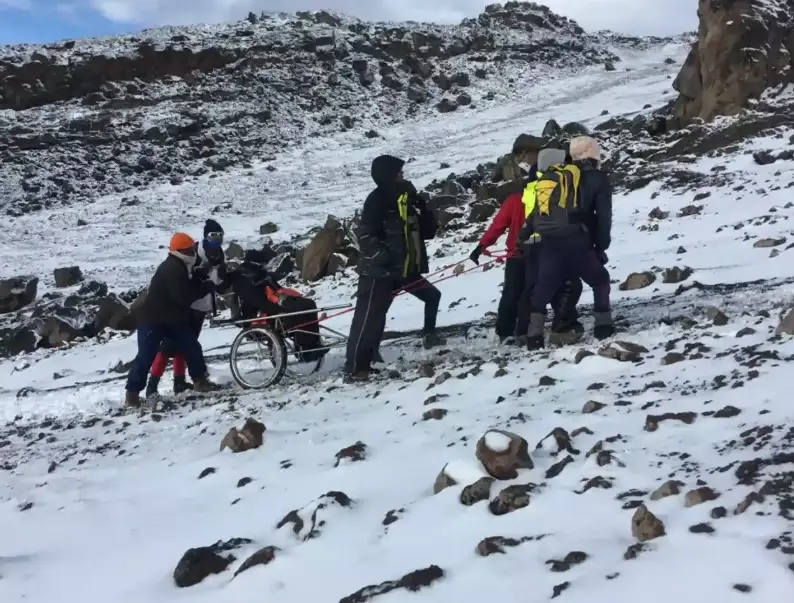
I'm skeptical of companies that won't put you in direct email contact with a past client (with that client's permission, of course). A legitimate operator with happy customers will have volunteers.
Top Destinations for Luxury Climbing Expeditions
Not every mountain lends itself to this model. You need established routes with space for larger camps and reliable logistics chains. Here are the classics, plus a rising star.
Everest Base Camp Trek & Island Peak
This is the gateway for many. The trek to Everest Base Camp is crowded, but a luxury operator changes the experience entirely. They secure the best teahouse rooms (often with private bathrooms) or use private, fully-equipped camp setups away from the main trail. The add-on climb of Island Peak (Imja Tse) is a fantastic introductory technical climb. The luxury here is in the recovery: hot showers available more often, consistently good food to keep your strength up, and a support team that handles the logistics of permits and lodging. The Government of Nepal's official portal is a good resource for understanding permit structures.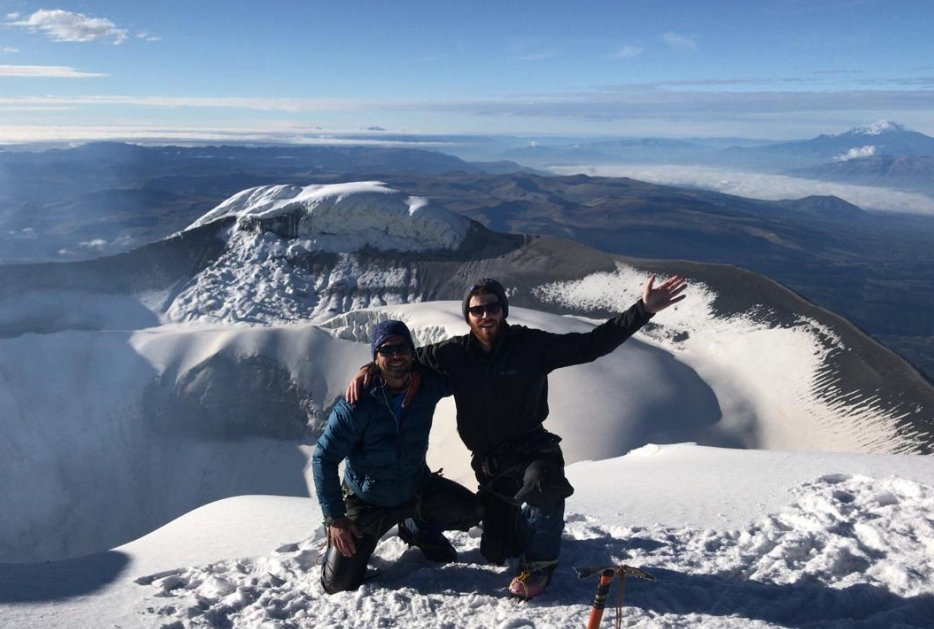
Kilimanjaro: The Royal Treatment
Kilimanjaro is arguably where the luxury climbing expedition concept has been perfected. The non-technical nature of the climb means the entire focus is on acclimatization, comfort, and health. Top companies use private toilet tents that travel with you, spacious dining tents with tables and chairs, and chefs who produce multi-course meals. The guiding ratio is critical for monitoring your health on summit night. The difference between a cramped, cold meal and a hot, hearty one at 15,000 feet is the difference between giving up and pushing on.
Aconcagua: High-Altitude Comfort
As the highest peak outside Asia, Aconcagua is a serious, cold endurance test. Luxury here is about survival science. Expeditions provide high-altitude tents rated for extreme storms, high-calorie meals designed to combat appetite loss, and sometimes even supplemental oxygen at high camps as a preventive measure. The focus is on maintaining your body's core strength and temperature. A guided service for Aconcagua through a reputable provider registered with the Aconcagua Provincial Park authority is essential, and the luxury versions take that mandated support to another level.
The Rise of the "Boutique" Peak: The Matterhorn & Mont Blanc
For the alpinist with discerning taste, luxury expeditions are moving into the European Alps. Think less about sprawling base camps and more about seamless service. This includes pre-climb stays in charming alpine hotels, guides who handle all gear checks and lift tickets, and having a support vehicle meet you at the end of a descent to whisk you back to a hot shower and a fine meal, rather than a long bus ride. It's about compressing the suffering and maximizing the pure climbing and recovery time.
Breaking Down the Cost: Where Does the Money Go?
Let's talk numbers. A luxury climbing expedition can cost 2 to 4 times more than a standard guided trip. Is it worth it? You decide, but here's what you're funding.
First, the human resources. You're paying for a larger, more specialized team. Not just guides, but a cook, an assistant guide, dedicated porters for *your* gear, and a base camp manager. These are professionals who deserve fair wages, insurance, and proper equipment. This is a significant chunk of the fee.
Second, the equipment quality. We're not talking about standard-issue group tents. This includes high-end, high-altitude specific tents, commercial-grade kitchen equipment, portable communication and medical gear, and often, higher-quality food supplies flown or driven in. The logistics of getting a fresh salad to 14,000 feet are complicated and expensive.
Third, safety margins. This includes comprehensive satellite communication systems, more extensive medical kits (sometimes including portable hyperbaric chambers like Gamow bags), and paying for guaranteed, pre-arranged emergency evacuation services. On a standard trip, evacuation is a plan. On a luxury trip, it's a pre-paid, on-call service. That peace of mind has a price.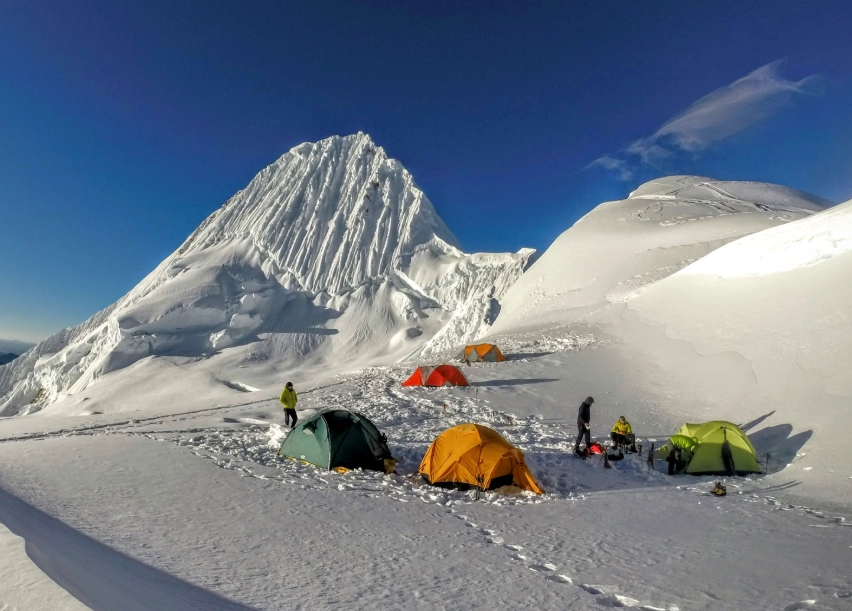
A Quick Cost Comparison Snapshot
Standard Kilimanjaro Trek (7-day Machame): $2,500 - $3,500. Includes guides, porters for group gear, park fees, basic meals at teahouses/camps.
Luxury Kilimanjaro Expedition (9-day Lemosho): $6,500 - $9,000+. Includes private camps, dedicated toilet tent, chef, higher guide ratio, higher-quality food, luxury transport to/from trailhead, pre- and post-climb hotel stays.
The extra days for better acclimatization alone boost summit chances dramatically. You're paying for success, not just a attempt.
The Real Preparation: It's More Than Just Gym Time
Okay, you've booked your luxury climbing expedition. The company might send you a training PDF. But here's the real talk they might not emphasize enough.
Your physical training is non-negotiable. But with a luxury trip, the mental preparation shifts. You're not training to be a pack mule. You're training to be a resilient, sharp climber. Your focus should be on cardiovascular endurance (long hours on the stairmaster with a weight vest), leg strength, and core stability. Since you're not carrying a 50lb pack, you can prioritize fitness over sheer load-carrying strength.
The luxury allows you to arrive fresher. You're not beaten down by the travel logistics or first few days of heavy carrying. That means you need to be physically *and* mentally ready to perform at a high level sooner in the trip. Use that advantage.
Also, break in your boots. Seriously. No amount of service will save you from blisters caused by brand-new boots. Wear them everywhere for months.
Frequently Asked Questions (The Real Ones We All Think)
1. Isn't this "cheating" or against the spirit of alpinism?
That's a valid philosophical question. My take? Traditional alpinism is about self-reliance and minimalism. A luxury climbing expedition is a different product altogether. It's about accessing a profound mountain experience with a focus on safety, learning, and personal challenge, minus the self-inflicted suffering. It opens the doors to people who wouldn't otherwise attempt such a feat—doctors, parents, people with less time but a deep desire. The mountain is still there, the air is just as thin, the climb just as real. The spirit is one of engaged challenge, not purist suffering.
2. I'm a solo traveler. Will I feel out of place?
Not at all. In fact, these expeditions can be fantastic for solos. The smaller group sizes and structured environment make it easy to connect. You're all sharing an intense, unique experience. The guided focus means you're never "left out." Many companies offer single tents at no extra supplement, which is a nice perk.
3. What if I can't keep up? Will I be left behind or forced to quit?
This is a major fear, and a key area where luxury expeditions shine. The low guide-to-client ratio is designed for this. If you're slow, a guide stays with you at your pace. The goal is to get the whole team up safely, not to race. The flexibility in scheduling (afforded by the extra support staff) often allows for more rest days or adjusted schedules if someone needs it. The mindset is "how can we make this work for you?" not "hurry up."
4. How do I handle tipping on such an expensive trip?
It's awkward, but it's standard in the guiding world. Even on a $10k trip, tips for guides, cooks, and porters are customary and a crucial part of their income. Your outfitter should provide clear guidelines (e.g., $200-300 for the lead guide, $150-200 for assistants, a collective pool for the kitchen and porter team). Budget an extra 10-15% of your trip cost for tips. Carry the cash in clean, small-denomination US dollars.
Final Thoughts: Is It Worth It?
After my first one, I was converted, but with caveats. A luxury climbing expedition is not for everyone. If your goal is the raw, stripped-down, self-sufficient experience, this will feel over-engineered and perhaps even distracting.
But if your goal is to experience a major mountain climb with the highest possible safety margins, in relative comfort, and to finish the trip exhilarated instead of broken, then the value is immense. You're buying expertise, time, safety, and a profound focus on the experience itself.
It allows you to engage with the mountain with your whole mind, not through a fog of exhaustion and discomfort. You notice the colors in the ice, the shape of the clouds, the camaraderie of your team. The challenge remains absolute, but the memory is not solely defined by the struggle.
For a once-in-a-lifetime objective, where summit success and a positive memory are paramount, the investment in a properly organized luxury climbing expedition can be the difference between a story of hardship and a story of transcendent achievement. Just do your homework. That beautiful brochure is just the beginning of the conversation.
Climb high, sleep well, and savor every step.