What's Inside: Spring Park Highlights
- Why Bother with Spring? (It's More Than Just Pretty Flowers)
- The Best National Parks for Spring, Broken Down by What You Want
- Your Spring National Park Planning Checklist (The Nitty-Gritty)
- Frequently Asked Questions (Stuff You're Actually Wondering)
- Making the Most of Your Trip: Beyond the Checklist
Let's be honest. Planning a trip for spring in national parks can feel overwhelming. One minute you're staring at pictures of mountain meadows painted with wildflowers, and the next you're down a rabbit hole of weather reports, permit lotteries, and worrying if you'll just be stuck in a traffic jam with everyone else who had the same brilliant idea.
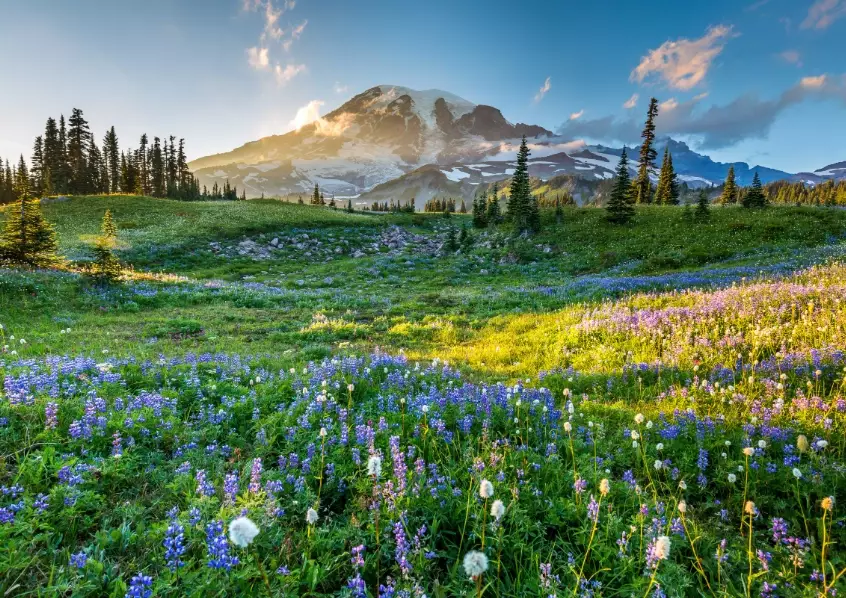
I've been there. I've shown up too early and seen mostly mud and stubborn snowbanks. I've also arrived too late, just catching the crispy, brown tails of the bloom. But over the years—through some luck and a lot of learning from mistakes—I've figured out how to hit that magical sweet spot. Spring in national parks isn't just a season; it's a fleeting, dynamic show of rebirth, and seeing it at its peak is pure travel magic.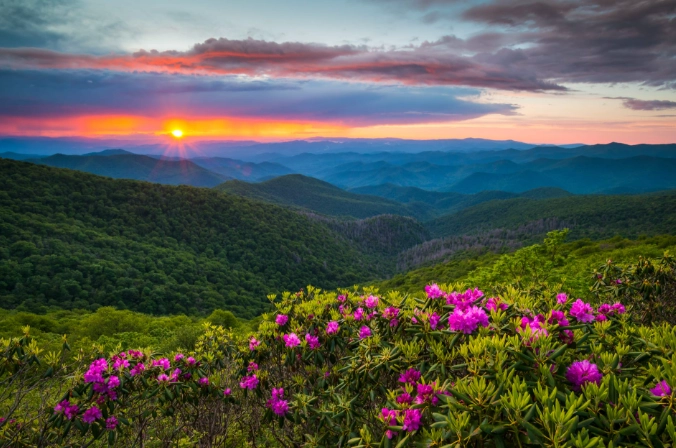
This isn't a generic list. It's a practical, from-the-ground guide to understanding why spring is special, where and when to go for what you want to see, and how to navigate the unique challenges of the season. We'll talk wildlife, wildflowers, weather quirks, and how to actually enjoy yourself without the stress.
Why Bother with Spring? (It's More Than Just Pretty Flowers)
Sure, the flowers are a huge draw. But the appeal of visiting national parks in spring runs deeper. After the quiet dormancy of winter, everything wakes up. Waterfalls are at their most thunderous, fed by melting snowpack. The air is crisp and clean, often without the haze that can settle in during summer. And the animals? They're active, visible, and often have adorable newborns in tow.
There's a practical side too. In many parks, you beat the punishing heat of summer and the insane crowds of peak season. Trails are quieter. You can actually find a moment of solitude. Of course, "shoulder season" has its own rules—some roads and facilities might still be closed, and the weather is famously unpredictable. But for me, the trade-off is always worth it.
A quick story: My first major spring park trip was to Great Smoky Mountains National Park. I'd read about the wildflowers but wasn't prepared. Hiking a trail in mid-April, I rounded a corner and the forest floor simply exploded in color—trilliums, violets, lady slippers. It was a silent, dense carpet of life. That's when I got it. That's the moment you're chasing when you plan a trip for spring in national parks.
But where do you even start? The US has over 60 national parks, and spring unfolds at wildly different times across the country.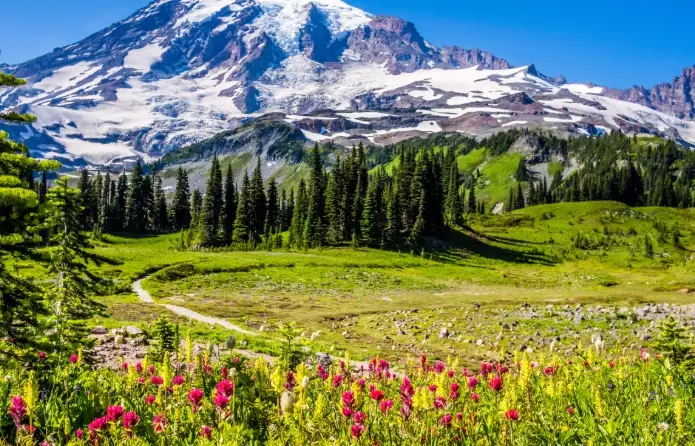
The Best National Parks for Spring, Broken Down by What You Want
Choosing the right park is everything. A March spring in Joshua Tree is a world away from a May spring in Glacier. Here’s a breakdown based on the classic springtime draws.
For Epic Wildflower Superblooms
These parks put on legendary floral displays. A "superbloom" is a rare, spectacular event with an unusually high density of wildflowers, often following a wet winter. It's not guaranteed every year, but when it happens, it's unforgettable.
- Death Valley National Park (California/Nevada): The poster child for superblooms. In a good year (like 2024), the normally stark desert floor transforms into a mosaic of gold, purple, and white. It's a surreal sight. Peak is typically late March to mid-April, but it varies wildly. The National Park Service wildflower page for Death Valley is your best friend for updates.
- Channel Islands National Park (California): An often-overlooked gem. Spring blankets the islands in vibrant yellows (coreopsis) and blues (lupines). The isolation means unique species and fewer people. Access is by boat or plane, so plan ahead. April and May are prime.
- Great Smoky Mountains National Park (Tennessee/North Carolina): The wildflower diversity here is insane—over 1,500 kinds. The annual Spring Wildflower Pilgrimage (usually late April) is a testament to its fame. The lower elevations bloom first (late March), with the show creeping up the mountains into May.
A Reality Check: Chasing a superbloom has downsides. The hype brings massive crowds, traffic can be nightmarish, and the delicate flowers are easily trampled. If you go, practice ruthless Leave No Trace principles. Sometimes, a modest bloom in a less-famous park is a more peaceful and rewarding experience.
For Unbeatable Wildlife Viewing
Spring is baby animal season. Herbivores are grazing on new growth, predators are active, and birds are migrating or nesting.
| Park | What You Might See | Best Spring Month(s) | Pro Tip |
|---|---|---|---|
| Yellowstone National Park (Wyoming/Montana) | Bison & elk calves, bear cubs (view from a SAFE distance!), wolf pups, migrating birds. | April, May | Many roads open mid-April. Early spring offers wildlife on plowed roads before summer crowds. Be prepared for cold and snow. |
| Everglades National Park (Florida) | Birding is spectacular (herons, egrets, roseate spoonbills). Alligators are basking. Lower water levels concentrate wildlife. | February - April | The dry season (Dec-Apr) is peak. Visit early morning or late afternoon. Mosquitoes are less fierce now. |
| Grand Teton National Park (Wyoming) | Moose calves, bison calves, pronghorn fawns against the stunning Teton backdrop. | May, early June | The park is quieter than Yellowstone. Look in the Willow Flats and Mormon Row areas. |
Remember, always use binoculars or a telephoto lens. Getting too close stresses animals and is dangerous. The NPS Wildlife Watching guidelines are not suggestions—they're essential rules for your safety and the animals' wellbeing.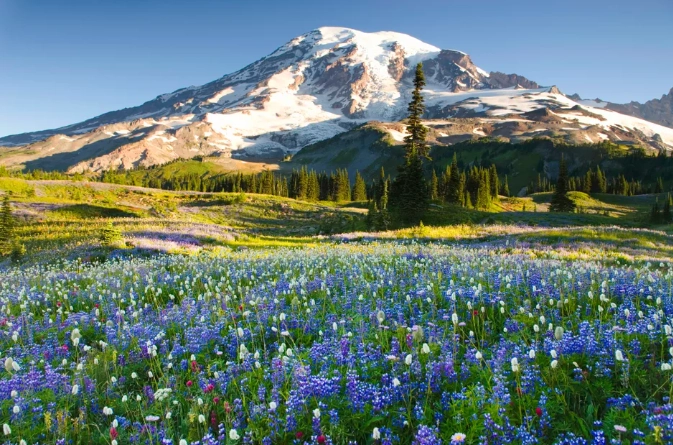
For Avoiding Crowds and Finding Solitude
If your dream of spring in national parks involves more nature and fewer people, target parks with shoulder-season accessibility but that aren't traditional spring blockbusters.
- Canyonlands and Arches National Parks (Utah): Late spring (April-May) is ideal. The scorching summer heat hasn't arrived, but most snow has melted. You'll still need reservations for Arches in 2024, but mornings and weekdays are less hectic. The landscape is starkly beautiful, without the dense vegetation of other parks.
- North Cascades National Park (Washington): If you don't mind some snow at higher elevations, late spring is gorgeous. Valleys are green, waterfalls are raging, and you'll have the place largely to yourself. Many high trails will be snow-covered, but lower-elevation hikes like the Rainy Lake trail are accessible.
- Congaree National Park (South Carolina): Spring brings mild weather, fewer bugs than summer, and a lush, green canopy. The boardwalk hike is fantastic any time of year, but spring adds wildflowers and active birdlife. It's rarely crowded.
The secret? Sometimes the best spring in national parks experience is in a park not famous for its spring.
Your Spring National Park Planning Checklist (The Nitty-Gritty)
Okay, you've picked a park. Now the real work begins. Spring trips require more homework than a summer trip. Here’s what you absolutely must do.
1. Master the Timing (It's Tricky)
Spring is a wave moving northward. "April" means something completely different in Texas versus Montana.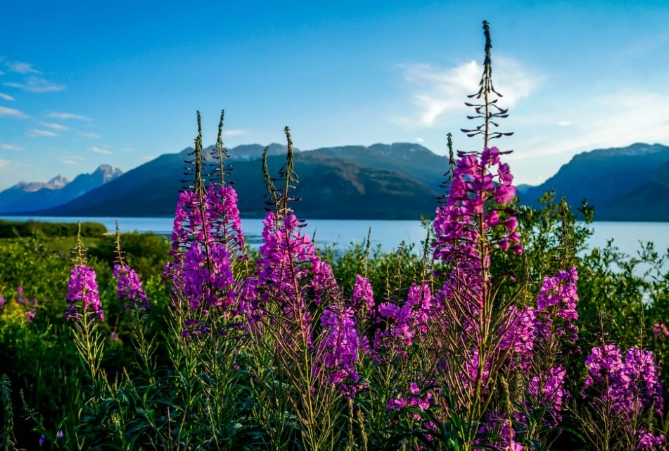
- Check Road Status Religiously: This is the #1 trip-killer. Iconic roads like Going-to-the-Sun Road (Glacier) or Tioga Road (Yosemite) often don't open fully until June or later. Check the park's official "Current Conditions" page. For example, Glacier's conditions page has detailed plowing updates.
- Research Historical Bloom/Wildlife Patterns: Don't just go by month. The NPS Wildflower Bloom page and park-specific social media are goldmines for real-time info. Call the park's visitor center—the rangers know best.
- Embrace the Shoulder Season: Book accommodations and campsites the second they become available. Popular parks like Zion or Acadia have fierce competition even in spring now.
2. Pack Like a Pro for Schizophrenic Weather
I've gotten sunburned and been caught in a snow squall on the same April hike in Rocky Mountain National Park. Packing for spring is all about layers.
- Base Layer: Moisture-wicking (not cotton!).
- Insulating Layer: Fleece or puffy jacket.
- Shell Layer: Waterproof and windproof jacket and pants.
- Footwear: Sturdy, waterproof hiking boots. Trails can be muddy or have lingering snow patches ("monkey snow"). Microspikes might still be necessary for higher elevations.
- Accessories: Hat, gloves, sunglasses, sunscreen. Seriously.
My Go-To Packing Hack: I keep a dedicated "spring hiking" bin in my gear closet. It has my layered clothing, a smaller daypack, trekking poles, and a wide-brimmed hat. When the urge to chase spring in national parks hits, I just grab the bin and my boots. Saves so much mental energy.
3. Navigate Permits, Reservations, and New Rules
The days of just showing up are over for many parks, even in spring.
- Timed Entry Reservations: Parks like Arches, Glacier, Rocky Mountain, and Acadia now require these during peak periods, which often start in late spring. Check Recreation.gov months in advance.
- Backcountry Permits: If you're dreaming of an overnight trip, permit systems are complex and often involve lotteries. Research the process on the specific park's website as soon as you decide on a destination.
- Campsite Reservations: Book the minute your dates become available on Recreation.gov. Some first-come, first-served sites might be available, but that's a risky gamble.
Frequently Asked Questions (Stuff You're Actually Wondering)
Q: Is spring really less crowded in national parks?
A: It can be, but it's not a universal rule. Spring break (March-April) brings crowds to many parks. And parks with famous superblooms or easy access (like Great Smoky Mountains) can be very busy. The key is targeting the early part of a park's spring season or choosing a less-hyped destination. Weekdays are always better than weekends.
Q: I hate mud. Are all trails a mess in spring?
A: This is a valid concern! Lower elevation and south-facing trails dry out first. North-facing and high-elevation trails hold snowmelt and mud much longer. When trails are muddy, hiking on them causes significant erosion and damage. Many parks will post trail condition alerts. If a trail is a mud pit, have a backup plan. It's a bummer, but turning around is the responsible choice.
Q: What about bugs? Are mosquitoes bad in spring?
A: It depends on the park and the winter. In general, spring has fewer biting insects than summer. In wet areas (like Minnesota's Voyageurs NP), ticks can be active. In desert parks, bugs are minimal. Always pack some repellent just in case—a small bottle won't weigh you down.
Q: Can I bring my dog to see spring in national parks?
A: This is a huge limitation many don't realize. Most national parks have very strict pet rules, usually restricting them to paved areas, campgrounds, and sometimes not at all on trails. It's to protect wildlife and the experience for others. Always, always check the specific park's pet policy. National Forests or BLM land often have more lenient dog rules if you're traveling with a furry friend.
Making the Most of Your Trip: Beyond the Checklist
Planning is crucial, but don't forget to leave room for the experience itself.
Slow Down. Spring is a season of subtle details. Stop and look closely at a flower. Sit quietly by a stream and watch for birds. The goal isn't to bag the most miles, but to witness the reawakening.
Talk to Rangers. They are the ultimate resource. Ask them: "What's your favorite quiet spot for wildflowers right now?" or "Have you seen any interesting wildlife activity this week?" They'll give you tips you won't find online.
Practice Next-Level Leave No Trace. Spring ecosystems are fragile. Stay on designated trails, even if it means walking through mud. Don't pick flowers or make "social trails" to get that perfect photo. Use established bathroom facilities. Pack out every scrap of trash. We're visitors in their home.
My final piece of advice? Manage your expectations. Nature doesn't follow a brochure schedule. You might miss the peak bloom by a week. A storm might roll in. But that's part of the adventure. Even a "sub-optimal" spring day in a national park is better than most days anywhere else. The crisp air, the sound of running water, the hopeful green of new leaves—that's the real gift of spring in national parks.
So do your research, pack your layers, and go see it. That fleeting, vibrant, muddy, glorious rebirth is waiting.