In This Guide
Let's be honest. When most people think of Wyoming's national parks, Yellowstone hogs the spotlight. But just south of the geysers and hot springs, there's a place that, in my opinion, delivers a purer, more concentrated dose of mountain magic. I'm talking about Grand Teton National Park. Those jagged peaks shooting straight up from the valley floor aren't just a backdrop—they're the main event. No slow build-up, no rolling foothills. Just boom, mountains.
My first time driving up from Jackson Hole, I nearly swerved off the road. The view is that sudden, that dramatic. It’s one thing to see pictures, another to have 13,000 feet of ancient granite staring you down. This place gets under your skin.
But here's the thing a lot of guides don't tell you straight up: Grand Teton can be tricky. It's stunning, sure, but if you just show up and drive the main loop, you might leave feeling like you missed the point. The real soul of the park isn't on the pavement; it's on the trails, by the lakes, and in the quiet moments waiting for a moose to emerge from the willow thickets. This guide is here to make sure you tap into that.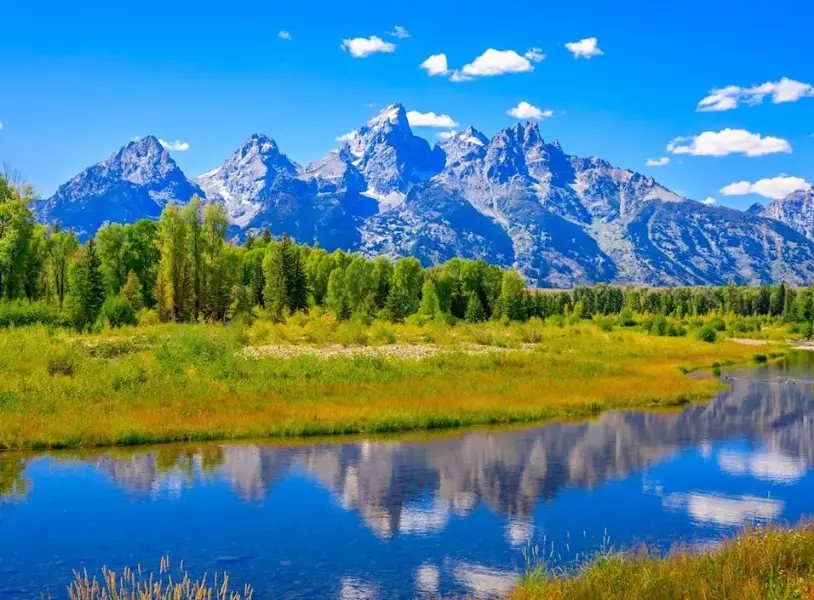
Quick Need-to-Know: The park is open 24/7, year-round, but services vary wildly by season. Peak season is late May through September. The official National Park Service (NPS) website for Grand Teton is your absolute bible for current conditions, road closures, and construction updates. Always check it before you go.
Planning Your Trip: The Basics You Can't Wing
You wouldn't show up to a fancy restaurant without a reservation, right? Think of a trip to Grand Teton National Park with a similar mindset. A little planning saves a ton of headache.
When to Go: It's More Than Just Summer
Everyone and their brother descends on the park in July and August. The wildflowers are epic, the trails are dry, and all the boat tours are running. It's also crowded. I mean, parking-at-popular-trailheads-at-7-am-is-gone crowded.
My personal favorite? September. The crowds thin out, the mosquitoes vanish, the aspen trees turn blinding gold, and you get that crisp, clear air that makes the mountains look photoshopped. It's perfect for hiking. Winter is a whole different world—a silent, snow-covered paradise for cross-country skiing and snowshoeing, but you need to be prepared for serious cold and limited access.
Spring (May-June) is melting season. Some trails are muddy or snow-covered, especially at higher elevations. It's a great time for wildlife watching as animals come down to the valleys, but be ready for unpredictable weather.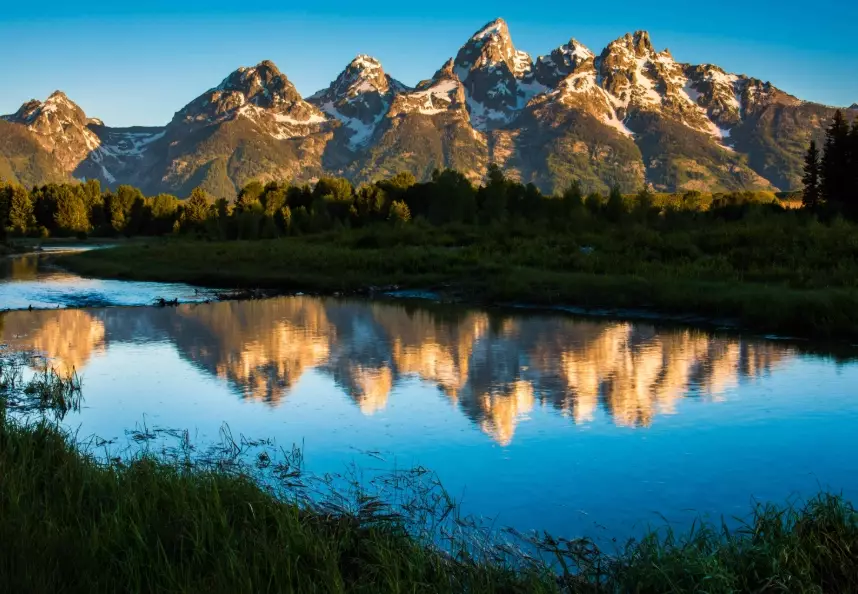
Pro Tip: Want to avoid the masses but still get good weather? Aim for the two-week windows after Labor Day in September or late June before the full July rush. You'll thank me later.
Getting There and Getting Around
Jackson Hole Airport (JAC) is the only commercial airport inside a national park in the U.S. It's incredibly convenient—you fly in, and bam, the Tetons are right there. But flights can be pricey. Idaho Falls (IDA) is a further drive (about 2 hours) but often cheaper.
Once you're there, you need a car. Public transport is minimal. The 42-mile Teton Park Road is the main artery, connecting the major turnouts, trailheads, and lakes. The scenic drive along US-89/191 offers those iconic, pull-over-every-five-minutes views of the entire range.
A word on RVs: The park can accommodate them, but the roads are winding and some parking lots are tight. If you're bringing a big rig, research your campground and planned stops carefully.
Where to Stay: Inside vs. Outside the Park
This is a big one. Staying inside Grand Teton National Park (at Jackson Lake Lodge, Jenny Lake Lodge, or the various campgrounds) puts you right in the middle of the magic. You can wake up and be on a trail in minutes. The downside? It books up a year in advance for the popular spots, and it's not cheap.
Jackson, Wyoming, is about a 20-minute drive from the Moose entrance. It has every amenity imaginable—hotels, restaurants, shops. It's lively, but it also means you're commuting to the park every day. A decent middle-ground is looking for lodging in the Moose-Wilson Road area or near Teton Village.
Heads Up on Camping: The campgrounds inside Grand Teton National Park, like Jenny Lake and Signal Mountain, are first-come, first-served for the most part, and they fill by 9 AM in summer. The Recreation.gov site for Grand Teton campgrounds is where you need to be for reservable sites. Set a reminder and book the second your dates become available.
The Heart of the Matter: Hiking in the Tetons
This is where you earn your views. The hiking in Grand Teton National Park is world-class, but it's not all a walk in the park (pun intended). The trails here are honest—they go up. Here’s a breakdown to match a trail to your legs and ambition.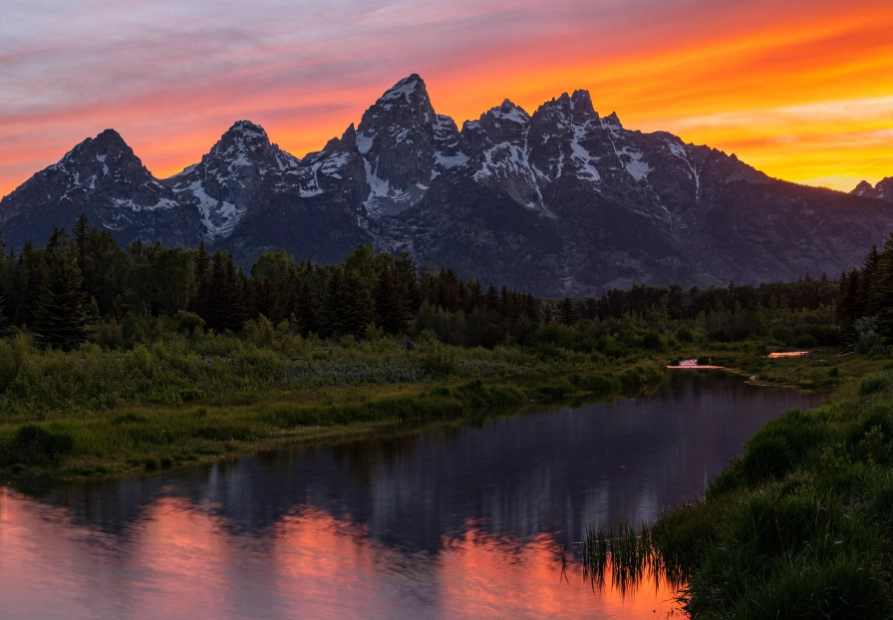
Top Hikes for Every Type of Hiker
Let's cut to the chase. You're probably wondering, "What's the best hike for me?" This table should help. These are my personal picks, based on sweating up a lot of those trails.
| Trail Name | Distance (Round Trip) | Elevation Gain | Why It's Great | Best For |
|---|---|---|---|---|
| Jenny Lake Loop | ~7.5 miles (full loop) | Minimal | Iconic, flat-ish lakeshore views of the peaks. You can take a boat shuttle across to cut distance. | Families, easy day, photographers. |
| Cascade Canyon Trail (from boat shuttle) | ~9 miles | ~1,100 ft | The classic Teton canyon hike. Waterfalls, possible moose sightings, insane mountain vistas deep in the range. | Moderate hikers wanting a big payoff. |
| Taggart Lake Loop | ~3.8 miles | ~300 ft | Quick access to a stunning alpine lake with perfect reflections. Less crowded than Jenny Lake early. | A shorter, rewarding hike. Great morning option. |
| Surprise & Amphitheater Lakes Trail | ~10 miles | ~3,000 ft | A grueling climb to two breathtaking, glacier-fed lakes tucked under the Grand Teton itself. | Serious hikers seeking a challenge and solitude. |
| Phelps Lake Overlook | ~2 miles | ~400 ft | Short, sweet, and delivers a massive view of Phelps Lake and the valley. The jump rock at the lake is legendary. | Anyone short on time or energy. Big reward for little effort. |
Let me be blunt about the Cascade Canyon Trail. If you only do one moderate-to-strenuous hike in Grand Teton National Park, make it this one. Taking the Jenny Lake boat shuttle (worth the fee) cuts off a boring 2-mile walk. Once you're in the canyon, it feels like you've entered a different, wilder world.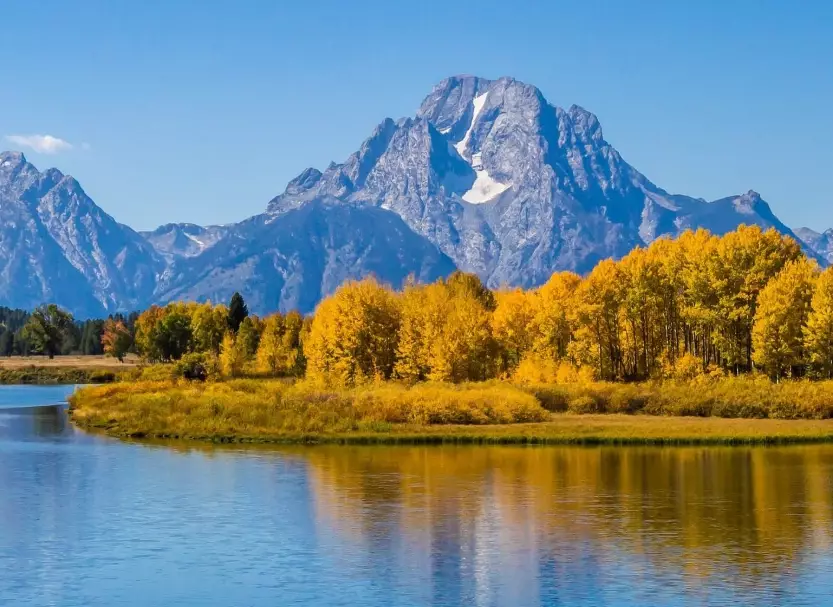
The hike to Surprise Lake, on the other hand, is no joke. I did it on a hot August day and I was questioning my life choices by the last mile of switchbacks. But sitting at that lakeshore, eating my sandwich with the Grand looming overhead? Yeah, that made it all worth it. Just know what you're signing up for.
My Two Cents: Don't underestimate the altitude. The trailheads start around 6,800 feet. If you're coming from sea level, you will get winded faster. Take it slow, drink way more water than you think you need, and don't be ashamed to turn around. The mountains aren't going anywhere.
Hiking Logistics & Safety (The Boring but Vital Stuff)
Bear spray. It's not optional. It's mandatory. Both black and grizzly bears call this park home. You need to carry EPA-approved bear spray that is immediately accessible (not buried in your backpack). Know how to use it before you need it. The NPS has an excellent comprehensive guide to bear safety that is a must-read.
Weather changes in minutes. A sunny morning can turn into a thunderous, lightning-riddled afternoon. Start hikes early to be off high, exposed ridges by noon or 1 PM. Always pack layers—a rain jacket, a warm fleece, even on a summer day.
Tell someone your plan. Write down which trailhead you're starting from, your route, and when you expect to be back. Cell service is spotty to non-existent on most trails.
Beyond Hiking: What Else is There to Do?
Okay, maybe hiking isn't your whole thing. Or maybe your legs need a break. Grand Teton National Park has you covered.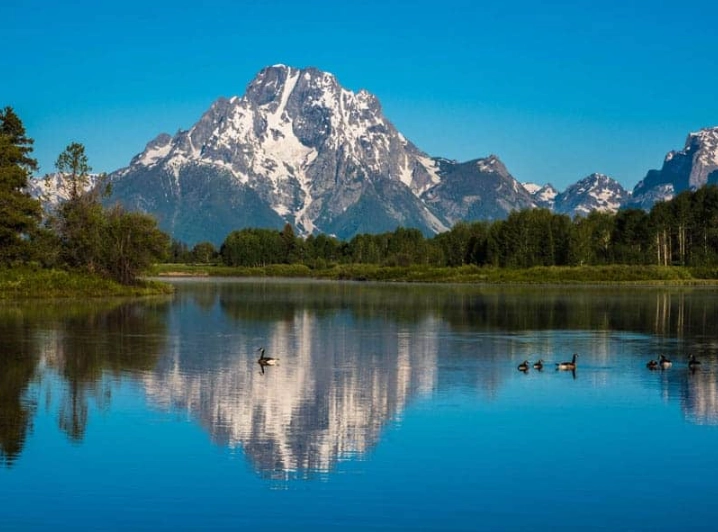
Wildlife Viewing: Where and When
The wildlife here is next-level. We're talking moose, bison, pronghorn, elk, black bears, grizzlies, and over 300 species of birds. But you can't just drive around hoping to see them all.
The key is timing and location. Dawn and dusk are prime time. Animals are most active when it's cooler. Some of the best areas are:
- Antelope Flats: Bison and pronghorn herds are common here, especially in the early morning. The Mormon Row historic barns make for an epic photo with animals in the foreground.
- Willow Flats: (near Jackson Lake Lodge) This is prime moose territory. They love the willow thickets. Drive slowly and scan carefully.
- Gros Ventre River area: A bit further east, but known for moose and sometimes even bear sightings.
Bring binoculars or a spotting scope. A good telephoto lens if you're a photographer. And always, always keep a safe distance. Use the rule of thumb: if the animal changes its behavior because of you, you're too close. It's for their safety and yours.
On the Water: Lakes, Rivers, and Floating
The lakes are the jewels at the feet of the mountains. Jenny Lake and Jackson Lake are the big ones.
You can rent kayaks, canoes, or stand-up paddleboards at both. Paddling on Jenny Lake as the sun hits the peaks is an experience I highly recommend—it's quiet and the perspective is unique. Jackson Lake is vast and can get very windy, so it's better for motorized boats or experienced paddlers on calm days.
Scenic boat tours are a relaxing way to learn about the park from a ranger or naturalist. The Jenny Lake Boats shuttle is functional, but their scenic loop is nice. The Jackson Lake Cruise from Colter Bay is a longer, more in-depth tour.
Want adventure? A guided float trip down the Snake River is fantastic for wildlife viewing (eagles, beavers, maybe a moose) and getting those low-angle mountain views. Several authorized companies operate inside the park.
Photography: Capturing the Iconic Shots
Let's face it, everyone wants *that* shot of the Tetons. The classic reflection. Here are the spots photographers swarm to (for good reason):
- Schwabacher's Landing: The famous beaver ponds create perfect, glassy reflections of the entire range at sunrise. Get there well before dawn to claim a spot.
- Mormon Row: The T.A. Moulton Barn with the mountains behind it is one of the most photographed barns in America. Sunrise light is magical here.
- Oxbow Bend: A wide turn in the Snake River that creates stunning reflections, especially at sunset. Great for wildlife too.
- Snake River Overlook: Made famous by Ansel Adams. The river winding through the cottonwoods with the peaks behind.
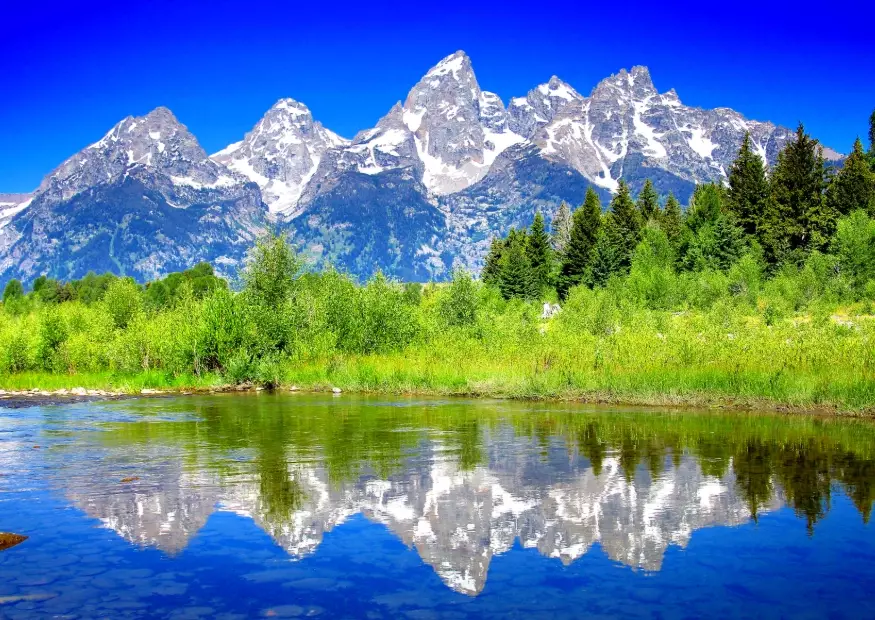
My personal favorite lesser-known spot? The backside of String Lake in the late afternoon. The light filters through the pines and the water is so clear it looks fake.
Putting It All Together: Sample Itineraries
Alright, let's get practical. How do you actually structure your days? Here are a couple of ways to tackle it.
The Classic 3-Day Grand Teton National Park Itinerary
Day 1: The Iconic Sights & a Taste of Hiking. Drive the Teton Park Road from Moose to Jackson Lake Junction. Stop at every turnout that calls to you (Chapel of the Transfiguration, Glacier View Turnout). Hike the Taggart Lake Loop in the afternoon when Jenny Lake is busier. Catch sunset at Schwabacher's Landing or Snake River Overlook.
Day 2: Deep into the Canyon. Take the Jenny Lake boat shuttle first thing. Hike into Cascade Canyon as far as you feel comfortable (Inspiration Point is a good goal, or further into the canyon for quieter views). Have lunch by the creek. Return, maybe rent a kayak on Jenny Lake for a different view. Evening wildlife drive on Antelope Flats.
Day 3: Choose Your Adventure. Option A: A big challenge hike like Surprise/Amphitheater Lake. Option B: A more relaxed morning at Mormon Row for photos, then a scenic float trip on the Snake River in the afternoon. Option C: Explore the northern part of the park—visit the Colter Bay Marina, hike around Heron Pond, and enjoy the views from Signal Mountain.
If You Only Have One Day
It's not ideal, but it's possible to get a powerful taste. Start at sunrise at Mormon Row or Schwabacher's. Drive the main park road, stopping at key turnouts. Do one solid hike—I'd recommend the Phelps Lake Overlook (quick, big reward) or part of the Jenny Lake Loop to Hidden Falls. Take the scenic drive along US-89. End your day with a potential sunset at Oxbow Bend. It'll be a whirlwind, but you'll see the highlights.
Common Questions (The Stuff You're Actually Wondering)
Is Grand Teton better than Yellowstone?
It's not better or worse; it's different. Yellowstone is about geothermal wonders and vast, diverse landscapes. Grand Teton is about concentrated, jaw-dropping mountain beauty and more accessible, intimate wilderness. I love them both, but the Tetons feel more personally profound to me.
Can I do Grand Teton and Yellowstone in one trip?
Absolutely. They're connected by the John D. Rockefeller Jr. Memorial Parkway. Many people do 2-3 days in Grand Teton and 3-4 in Yellowstone. It's a fantastic combo.
Is it kid-friendly?
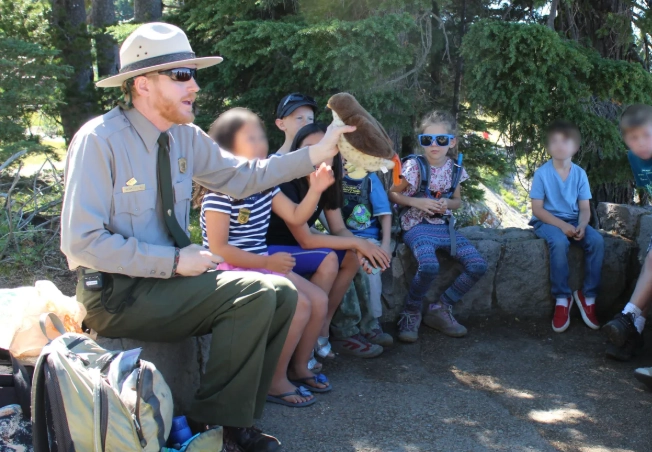
Yes, with planning. Stick to the shorter, flatter trails like String Lake, parts of Jenny Lake, or the Menor's Ferry historic district. Ranger-led junior ranger programs are fantastic. Just manage expectations—long, difficult hikes are not fun for kids.
What's the food situation like inside the park?
There are dining rooms at Jackson Lake Lodge, Jenny Lake Lodge, and Signal Mountain Lodge, plus cafeterias and general stores at Colter Bay and others. The food is fine—typical national park fare. It's expensive. For better and cheaper options, pack a picnic lunch or plan to eat in Jackson.
Do I need a special pass?
You need to pay the park entrance fee. The America the Beautiful Annual Pass ($80) is a steal if you're visiting more than a couple of national parks in a year. It gets you into both Grand Teton and Yellowstone.
Final Piece of Advice: Put the camera down sometimes. Seriously. Sit on a rock by a lake. Listen to the wind in the pines. Watch a cloud drift across the face of the Grand Teton. That feeling of smallness, of wonder—that's what you're really here for. The photos are just souvenirs. The experience is the prize.
Grand Teton National Park doesn't just show you mountains.
It makes you feel them.
And that's something no algorithm can ever replicate.