Your Everest Expedition Map
- What Does an Everest Climb Actually Entail? Breaking Down the Journey
- The Everest Climbing Cost: No, It's Not Just the Guide Fee
- Choosing Your Path: The South Col vs. North Ridge Routes
- The Training: How to Get Your Body Ready for the Top of the World
- The Gear You Absolutely Cannot Cheap Out On
- The Mental Game and Real Risks: What They Don't Show in the Movies
- Your Everest Climbing FAQ: Real Questions, Honest Answers
- The Final Word: Is Everest Climbing For You?
Let's cut to the chase. You're here because the idea of standing on top of the world has gotten its hooks into you. Maybe you saw a documentary, read a book, or just can't shake the thought of what that view must be like. I get it. The pull of Everest climbing is powerful, almost magnetic.
But here's the thing they don't always tell you in the glossy brochures. Planning a Mount Everest expedition isn't like booking a vacation. It's a brutal, expensive, life-altering commitment that demands every ounce of your physical and mental strength. This isn't meant to scare you off—well, maybe a little. It's meant to prepare you. To give you the real picture, not the Instagram filter version.
Over the next few thousand words, we're going to walk through everything. And I mean everything. We'll talk about the staggering cost (it's more than you think), the training that will break you before you even get to base camp, the gut-wrenching risks, and the tiny, logistical details that most overviews gloss over. My aim? By the end, you'll know if this dream is a realistic goal or a beautiful fantasy. There's no shame in either.
What Does an Everest Climb Actually Entail? Breaking Down the Journey
First, let's dismantle a huge misconception. You don't just show up and climb Everest. The entire process, from your first day at the gym to the day you summit, is a multi-year project. For most people, it's a 2-3 year arc of preparation, fundraising, and acclimatization.
The climbing season is brutally short, dictated by the weather windows in the Himalayas. You have basically two shots per year: a brief period in May for the spring summit push, and an even more challenging and less common one in the autumn. Almost all commercial expeditions target the spring.
Late March: Arrive in Kathmandu, gear checks, final briefings.
Early April: Fly to Lukla, begin the 10-14 day trek to Everest Base Camp (EBC). This trek is critical for initial acclimatization.
Mid-April: Arrive at EBC (17,600 ft / 5,364 m). Settle in for 4-6 weeks.
April - May: The "rotation" phase. You'll climb up to higher camps (Camp 1, Camp 2, sometimes Camp 3) to sleep, then descend back to EBC to recover. This "climb high, sleep low" process is how your body builds red blood cells and adapts to the lack of oxygen.
Mid-to-Late May: The summit window opens. After a final weather check, you embark on the 4-7 day push from EBC to the summit and back.
That's the skeleton. Now let's put some meat on those bones, starting with the first and biggest hurdle for most.
The Everest Climbing Cost: No, It's Not Just the Guide Fee
This is the part where dreams often meet reality. When people ask "how much does it cost to climb Mount Everest?" they're usually thinking of the guide company's package price. That's just the entry ticket.
Let me be painfully honest: a full, properly supported Everest climbing attempt is a six-figure endeavor. Anyone promising it for significantly less is cutting corners you don't want cut—like safety, oxygen, or experienced Sherpa support.
Here’s a realistic breakdown. I've based this on 2024 figures from reputable Western guiding companies and the official Nepalese government fees.
| Cost Category | Estimated Range (USD) | What It Covers / Notes |
|---|---|---|
| Guiding Service Package | $45,000 - $75,000+ | The core cost. Varies wildly by company prestige, guide-to-client ratio, and level of service (luxury vs. basic base camp tents). Includes most logistics in Nepal, food at base camp, and shared Sherpa support. |
| Nepalese Government Climbing Permit | $11,000 | A non-negotiable fee paid to the Nepal Ministry of Tourism. This is per person. You can verify this on the official Nepal Tourism Board site. |
| Oxygen System & Masks | $4,000 - $7,000 | You will use supplemental oxygen above Camp 3. This covers bottles, regulators, and masks. Do not skimp here. |
| Personal Sherpa Summit Bonus | $2,000 - $3,000+ | A customary and critical bonus paid directly to your assigned climbing Sherpa if you summit. It's a vital part of the ethical relationship. |
| Travel & Insurance | $3,000 - $5,000 | Flights to Nepal, hotels in Kathmandu, evacuation insurance (which is extremely expensive and mandatory). |
| Gear & Clothing | $8,000 - $15,000 | High-altitude down suits, boots, sleeping bags, gloves, layers. This is top-tier technical gear, not stuff from your local sports store. |
| Miscellaneous & Contingency | $3,000 - $5,000 | Tips for base camp staff, extra hotel nights, lost/broken gear replacement, satellite phone rental. |
| TOTAL ESTIMATED COST | $76,000 - $125,000+ | This is the real number you need to plan for. The lower end assumes a basic package and minimal personal gear purchases. |
So, is there a cheaper way? Well, you could join a smaller, less supported team or try to organize things independently. But for a first-time Everest climber, that's bordering on suicidal. The infrastructure, knowledge, and safety net a good guide service provides are worth every penny.
Choosing Your Path: The South Col vs. North Ridge Routes
You have two main choices for your Everest climbing route, and they offer completely different experiences. This isn't just a scenic choice; it's a logistical, political, and physical one.
The South Col Route (Nepal Side)
This is the most popular path, the one with the iconic Khumbu Icefall. About 70% of climbers go this way.
Pros: Slightly higher success rate historically, largely due to the expert Sherpa teams managing the route through the Icefall. The trek to Base Camp through the Khumbu Valley is stunning and part of the cultural experience. Acclimatization is more gradual. You get a longer season with more potential weather windows.
Cons: The Khumbu Icefall. It's a moving, collapsing river of ice. It's objectively dangerous, and you have to pass through it multiple times during rotations. It's also more crowded, especially near the summit ridge.
The North Ridge Route (Tibet/China Side)
This route is generally considered more technically challenging physically, but perhaps less objectively hazardous than the Icefall.
Pros: No Khumbu Icefall. The approach to Advanced Base Camp (ABC) is via vehicle (on a rough road), which is faster but offers less acclimatization time. It often feels less crowded. The views are different and spectacular in their own right.
Cons: The final summit push involves a longer traverse on very rocky terrain at extreme altitude. The weather is often windier and colder. Access is more politically sensitive and can be shut down by Chinese authorities without much notice. Acclimatization must be managed very carefully due to the faster vehicle approach.
Most first-time Everest climbers opt for the South Col route. The infrastructure is more developed, and the gradual trek in is a huge advantage for letting your body adapt. But it's not a simple choice. Talk to guides who have led on both sides.
The Training: How to Get Your Body Ready for the Top of the World
You can't buy fitness. No amount of money will get your lungs and legs up the Lhotse Face if you haven't put in the work. Your training for a Mount Everest expedition needs to start at least 12-18 months in advance, assuming you're already an experienced mountaineer.
If you're coming from a background of hiking or general fitness, you're looking at a 2-3 year build-up, including climbing smaller peaks first.
What does "fit for Everest" actually mean? It's not about bulging biceps. It's about relentless, diesel-engine endurance and the ability to recover.
Here’s a sample of what a typical training week might look like in the 6 months leading up to your departure:
- Strength & Endurance (2-3x per week): Heavy squats, deadlifts, lunges (eventually with a weighted pack). Focus on high reps and lower rest periods to build muscular endurance, not just max strength.
- Cardiovascular Base (4-5x per week): Long, slow sessions. Think 90-minute to 3-hour runs, bike rides, or swims at a heart rate where you can hold a conversation. This builds the mitochondrial density in your muscles—your body's energy factories.
- Specificity Training (1-2x per week): Stairmaster or hiking with a 40-60lb pack for 2+ hours. Find the biggest hill or stadium stairs near you and destroy them. Repeatedly.
- Core & Flexibility (Daily): A weak core will destroy your posture under a heavy pack and make you inefficient. Yoga and Pilates are your friends.
But here's the personal bit. I hated the stair machine. Despised it. But staring at that wall for hours, learning to quiet my mind and just grind, was perhaps the best mental preparation I could have had for the monotonous, grueling parts of the climb itself. The training is where you first meet the mental challenge of Everest climbing.
The Gear You Absolutely Cannot Cheap Out On
At -40°F (-40°C) with howling winds, your gear is the only thing standing between you and frostbite or worse. This is not the place for knock-offs or "good enough."
Your guiding company will provide a detailed list, but these are the big-ticket items where quality is non-negotiable:
- High-Altitude Double Boots: Like the La Sportiva Olympus Mons or Scarpa Phantom 8000. They have an inner boot and a rigid outer shell. Your feet will thank you.
- Down Suit: A one-piece, heavily insulated suit for the summit push. It must be waterproof, windproof, and filled with high-fill-power goose down.
- Sleeping Bag: Rated to at least -40°F. Down, not synthetic.
- Climbing Harness & Helmet: Lightweight but durable. You'll be wearing them for days on end.
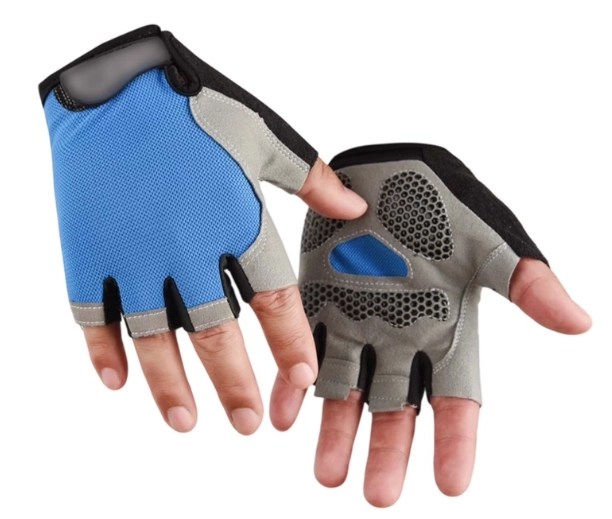
- Glove System: Not one pair, but a system. Thin liners, thick insulated gloves, and over-mittens for the summit day.
Break in everything before you go. A blister at base camp is an annoyance. A blister at 26,000 feet can be a trip-ending disaster.
The Mental Game and Real Risks: What They Don't Show in the Movies
This is the hardest part to convey. The physical challenge is immense, but it's predictable. You can train for it. The mental and environmental factors are what break people.
Altitude Sickness: The Silent Saboteur
Acute Mountain Sickness (AMS), High Altitude Pulmonary Edema (HAPE), and High Altitude Cerebral Edema (HACE) are not signs of weakness. They are physiological reactions to lack of oxygen. HAPE and HACE are life-threatening emergencies.
Symptoms to be paranoid about: A persistent, hacking cough (HAPE), severe headache unrelieved by medication, loss of coordination (like you're drunk), confusion, and vomiting. The only cure is immediate descent. Period. Good guides will monitor you closely and pull you down if needed. Listen to them.
The Crowds and the "Traffic Jams"
Yes, the Hillary Step and the summit ridge can get congested on a perfect weather day. This isn't just an inconvenience. Standing still in the death zone (above 26,000 ft) burns through your precious oxygen and exposes you to cold and frostbite for far longer than planned.
A reputable guide service will try to time its summit push to avoid the worst of the crowds, sometimes choosing a slightly less-perfect weather window for a clearer path. This is a complex risk-balancing act.
Frostbite and Exhaustion
These are constant companions. You must be religious about checking your extremities (toes, fingers, nose, cheeks). The exhaustion is cumulative. After weeks at altitude, your body is eating its own muscle for fuel and is severely dehydrated. Your decision-making ability is compromised. This is why having a guide you trust implicitly is crucial.
For authoritative information on altitude illness recognition and treatment, the International Society for Mountain Medicine is an excellent resource.
Your Everest Climbing FAQ: Real Questions, Honest Answers
The Final Word: Is Everest Climbing For You?
Look, after all this, if you're still reading with that fire in your belly, then maybe it is. But it needs to be for the right reasons. Not for a selfie, not for bragging rights at a party, but for the profound personal journey it represents—the years of preparation, the mastery of fear, the reliance on a team, and the humbling power of nature.
A successful Everest climb is a logistical masterpiece underpinned by supreme fitness and mental fortitude. It's a marathon of suffering with a view.
Do your homework. Get experience on smaller mountains. Save your money—twice as much as you think you need. Choose your guide service like your life depends on it (because it does). Listen to your body and your guides without argument.
The mountain isn't going anywhere. Make sure you're truly ready to go to it.