Quick Navigation
- What Exactly Are We Talking About? Defining the Spectrum
- The Mind Game: Why Would Anyone Do This?
- Is Solo Climbing for You? A Brutally Honest Checklist
- Gearing Up: The Minimalist's Arsenal
- The Unforgiving Math: Risk Management You Can't Ignore
- Learning the Ropes (Literally): A Safer Path Forward
- The Elephant in the Room: Ethics, Impact, and Community
- Straight Answers to Common Questions
- Final Thoughts: The Weight of Choice
Let's talk about solo climbing. Not the Hollywood version, all dramatic music and impossible holds. I mean the real, quiet, deeply personal version. The kind where it's just you, the rock, and a whole lot of air. It's a topic that splits the climbing community right down the middle. Some see it as the purest form of the sport. Others see it as a needless dance with fate. I'm not here to push you toward it. Honestly, if you're looking for a pep talk to go free solo El Cap tomorrow, you're in the wrong place. I'm here to lay it all out—the cold, hard facts, the intense mental game, the gear you can't skip, and the questions you must ask yourself. Because understanding solo climbing is about understanding limits, both of the rock and of yourself.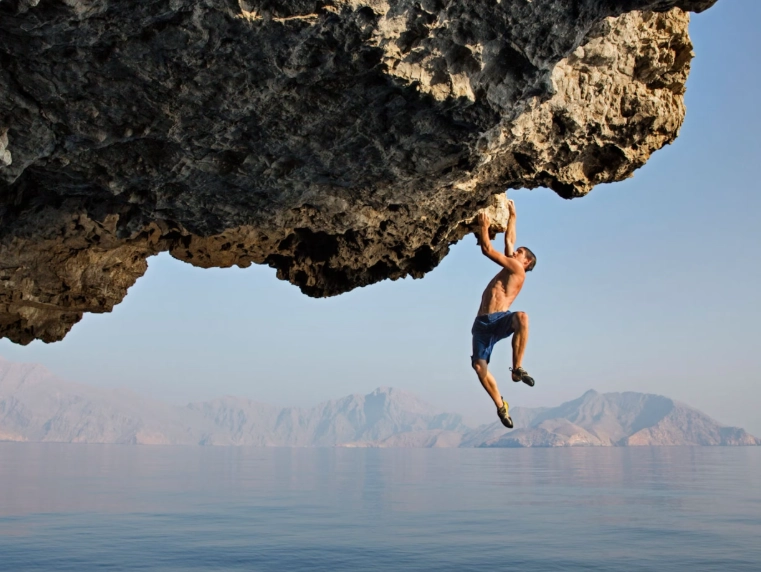
What Exactly Are We Talking About? Defining the Spectrum
“Solo climbing” isn't one thing. It's a whole spectrum, and confusing them is a recipe for trouble. When someone searches for info on solo climbing, they might be imagining any of these.
- Free Soloing: This is the big one. No rope, no gear to catch a fall. Just your shoes, chalk, and the wall. A fall is usually catastrophic. Think Alex Honnold on El Capitan. It demands perfect execution, flawless mental control, and routes well within your absolute limit.
- Solo Aid Climbing: Using gear like ascenders, etriers (aid ladders), and a self-belay system to progress up a big wall alone. The risk of a long, swinging fall is still there, but systems are in place to catch you. It's more about logistical mastery and endurance.
- Roped Solo Climbing (or Self-Belaying): This is where many people start their solo journey. You use a device like a Micro Traxion or a Silent Partner to create a moving self-belay system. You lead a pitch, the device trails and catches you if you fall. It's technically complex and requires meticulous system checks, but it allows you to practice routes at or near your limit without a partner.
- Bouldering Highballs: It's bouldering, but so high off the deck that a fall could mean serious injury. The line between a highball boulder problem and a free solo is blurry. Protection like crash pads mitigates but doesn't eliminate the risk.
Most of the chatter—and the fear—revolves around free soloing. But understanding the whole landscape is crucial. Your journey into climbing alone might start with roped soloing in a familiar gym or on a top-rope anchor you set yourself. Jumping straight to free soloing is, in my not-so-humble opinion, a foolish and often fatal shortcut.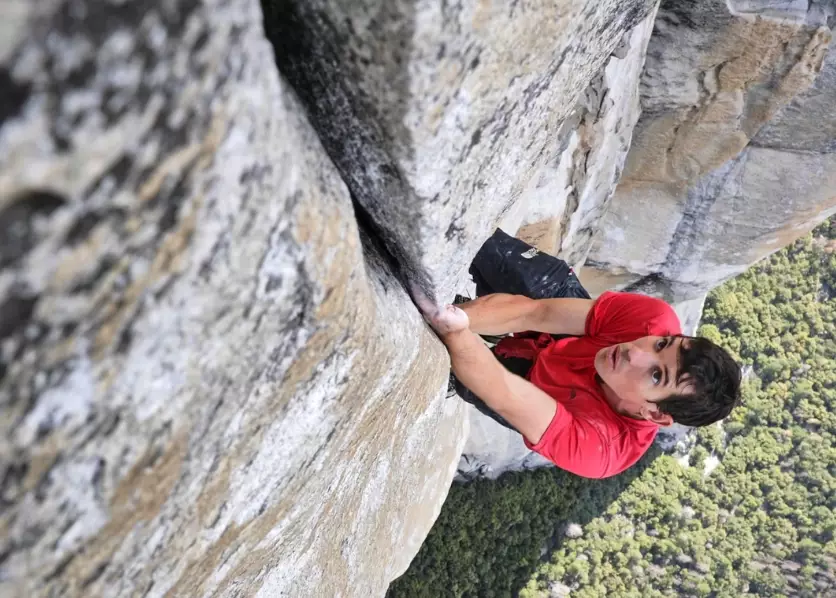
The Mind Game: Why Would Anyone Do This?
This is the question everyone asks. “Are they crazy?” Sometimes, maybe. But often, it's more nuanced. From talking to people who do it (and dabbling in very, very low-grade solo stuff myself), the appeal isn't about adrenaline. In fact, a huge adrenaline rush while solo climbing is a red flag—it means you're scared, and scared means you're in danger.
The draw is about focus. Absolute, complete, singular focus. There's no chatter, no worrying about your partner's belay, no fumbling with gear exchanges. It's a flow state like no other. The world shrinks to the next hold, the next foot placement. Everything else—bills, work, noise—just vanishes. It's a form of moving meditation. Of course, a very high-stakes meditation where a lapse in concentration can be your last.
There's also the simplicity. Just you and the climb. It feels raw and authentic. But let's be real, there's an ego component too. Let's not pretend otherwise. The challenge calls to a certain type of person. The key is managing that ego, not letting it override the voice that says, “This move feels sketchy, I should downclimb.”
I tried a very easy route I'd climbed a dozen times on rope. A 5.4 slab. Simple. On rope, it was boring. Alone, it was a completely different universe. Every grain of rock mattered. I could hear my heart. I finished, sat on the top, and my hands wouldn't stop shaking for ten minutes. Not from fear during the climb, but from the intensity of the focus required. It was exhilarating and terrifying. I haven't done it again since. It showed me the gap between thinking about solo climbing and actually doing it.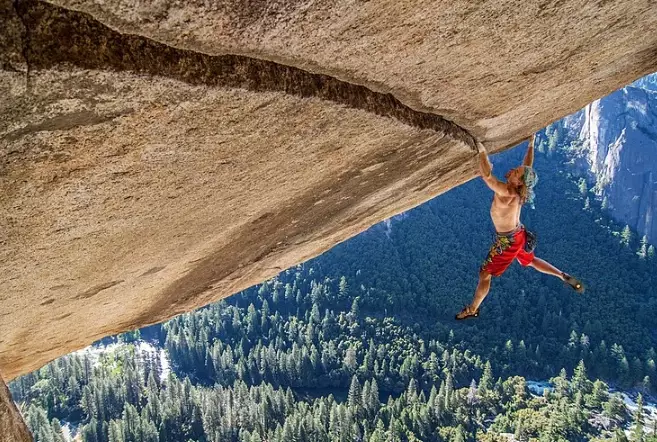
Is Solo Climbing for You? A Brutally Honest Checklist
No. Probably not. For most people, the answer is a hard no. But if you're still reading, let's dig deeper. Ask yourself these questions, and be painfully honest.
- Experience: Do you have years of consistent climbing experience across different rock types and weather conditions? Not months. Years.
- Mastery Level: Are you considering a route that is at least three full number grades below your onsight ability on similar rock? If you onsight 5.11 on granite, a 5.8 solo might be in the realm of consideration. A 5.10 would be reckless.
- Familiarity: Have you climbed the exact route, on the exact day, in similar conditions, many times on a rope? Memorizing moves from a video doesn't count. You need muscle memory.
- Risk Acceptance: Have you truly, in your gut, accepted that a mistake could be fatal? Not an intellectual understanding, but a visceral one.
- Motivation: Are you doing this for internal reasons (the focus, the challenge) or external ones (to post about it, to impress others)? The latter is a path to poor decisions.
- Mental Control: Can you manage fear and doubt? Can you recognize the “point of no return” on a climb and commit, or do you panic and freeze?
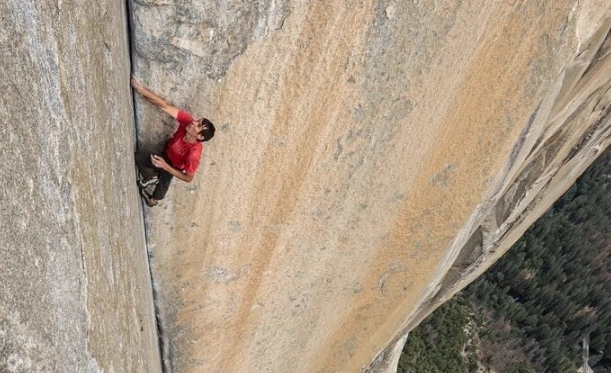
If you hesitated on any of these, or answered “no,” then solo climbing—especially free soloing—is not for you right now. And that's perfectly okay. It might never be. The vast majority of incredible, lifelong climbers never feel the need to solo.
Gearing Up: The Minimalist's Arsenal
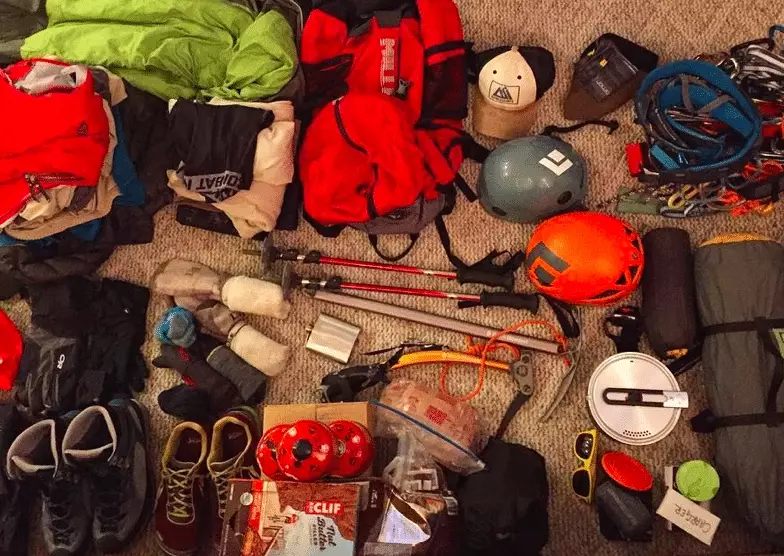
For free soloing, the gear list is brutally short: shoes and chalk. Maybe a shirt. The “gear” is your mind and body. But for other forms, especially roped soloing, having the right systems is a matter of life and death. You need to be your own gear checker, your own safety officer.
Essential Systems for Roped Solo Climbing
This isn't a shopping list. It's a breakdown of systems you must understand inside and out before trusting your life to them.
| System Type | Example Devices | How It Works | Biggest Pitfall |
|---|---|---|---|
| Self-Belay / Progress Capture | Petzl Micro Traxion, Camp Lift, Kong Duck | Attached to your harness and the rope. It slides up as you climb but locks instantly during a fall. You need a separate method to lower or rappel. | Rope twists causing the device to invert and not lock. Incorrect rope diameter compatibility. |
| Autoblock / Descender | GriGri (with extreme caution), Revo, Silent Partner | More advanced systems that can often handle both ascent and controlled descent. The Silent Partner is a classic dedicated solo device. | Complexity. Misunderstanding the mode (ascend vs. lower). The GriGri is NOT designed for this and can fail if used improperly. |
| Backup Knots | Figure-8 on a bight, Overhand | Tying knots in the rope below you at regular intervals (every 3-5 feet). If your primary device fails, you fall only to the last knot. | Forgetting to untie and re-tie them as you climb, creating a horrible tangled mess. |
My personal setup for roped soloing on short crag routes involves a Micro Traxion as my primary, a prusik loop backup on the rope below it, and I'm religious about my knots. I practice the entire system—setting anchors, climbing, lowering, cleaning—on the ground a hundred times before even thinking about doing it in the air. And even then, I start on a 20-foot wall. The learning curve is steep and mistakes are unforgiving. The American Alpine Club's resources on climbing safety are a good starting point for foundational knowledge, though they don't specifically endorse solo practices.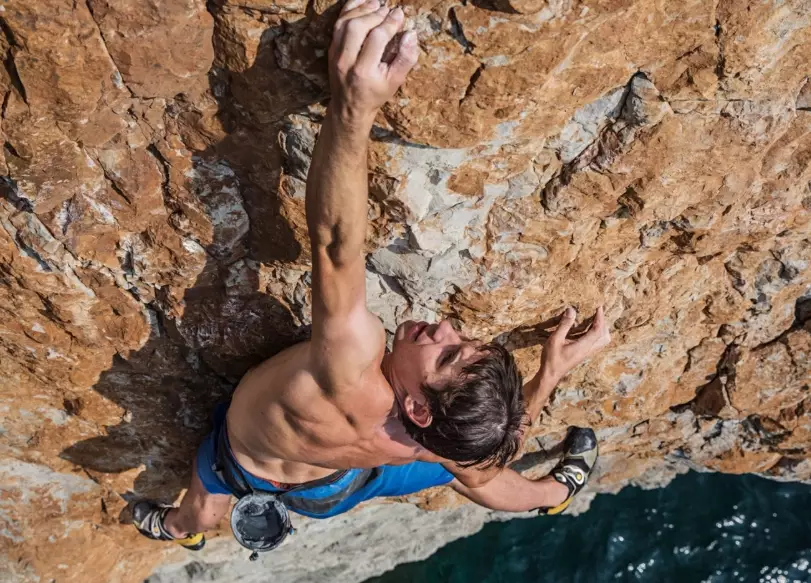
The Unforgiving Math: Risk Management You Can't Ignore
Here’s the thing about risk in solo climbing: you can't manage it to zero. You can only mitigate it. It's about stacking the odds in your favor as much as humanly possible.
- Route Selection: This is 90% of risk management. Solid rock (no loose holds). Consistent, positive holds. A straightforward line with minimal route-finding. Slabs are often considered “safer” for soloing than overhangs because falls are usually slides, but a slab fall can be just as deadly if you hit something on the way down.
- Conditions: Perfect weather. Dry rock. Good light. No wind. Your fingertips need perfect friction. A sudden rain shower or a gust of wind on an exposed face can be disastrous.
- Physical State: Are you 100%? Not 95%. A tweaky finger, a sore ankle, a bad night's sleep, dehydration—any of these is a reason to call it off. There's no “pushing through” when soloing.
- The Downclimb: Before you go up, you MUST know how you're getting down. Is there an easy walk-off? A bolted anchor for rappel? Can you comfortably downclimb every move? If you can't downclimb it, you shouldn't solo it. Getting “struck” halfway up is a nightmare scenario.
I read a report once where a very experienced soloist turned back three moves from the top of a classic route. A hold felt “slightly more gritty” than usual. That's the discipline required. Summiting is irrelevant. Returning safely is the only goal.
Learning the Ropes (Literally): A Safer Path Forward
So you've read all this, you understand the risks, and you're still drawn to the idea of self-reliance in climbing. What's a responsible path?
- Master Roped Climbing with a Partner: Become an expert belayer, route-finder, and anchor builder. Climb everything—sport, trad, alpine. Build a massive reservoir of experience. This isn't a step you can skip.
- Practice Roped Solo Systems on the Ground: Buy a rope and a device. Set up an anchor on a tree or a beam in your garage. Practice climbing 10 feet off the ground, falling on the system, lowering, cleaning. Do it until it's boring. Then do it some more.
- Top-Rope Solo at the Crag: Find a crag with easy access to the top. Build a bomber anchor (redundant, equalized, on solid gear or trees). Rig your solo system and climb on top-rope. This lets you practice the mental focus of being alone while the physical risk is minimal.
- Lead Solo Very Easy, Very Familiar Routes: This is the final step before even considering free soloing. Use your roped solo system on a route you've climbed a dozen times on top-rope. Feel the weight of managing everything yourself.
- Free Solo: If, and only if, all the previous steps feel trivial, and the route is so far below your ability it feels like walking up stairs, you might consider it. Start with a short, low-consequence boulder problem or a slab no more than 15 feet high.
This process takes years. Anyone who tells you otherwise is lying or dangerously uninformed.
The Elephant in the Room: Ethics, Impact, and Community
Solo climbing doesn't happen in a vacuum. It affects the people around you and the perception of the sport.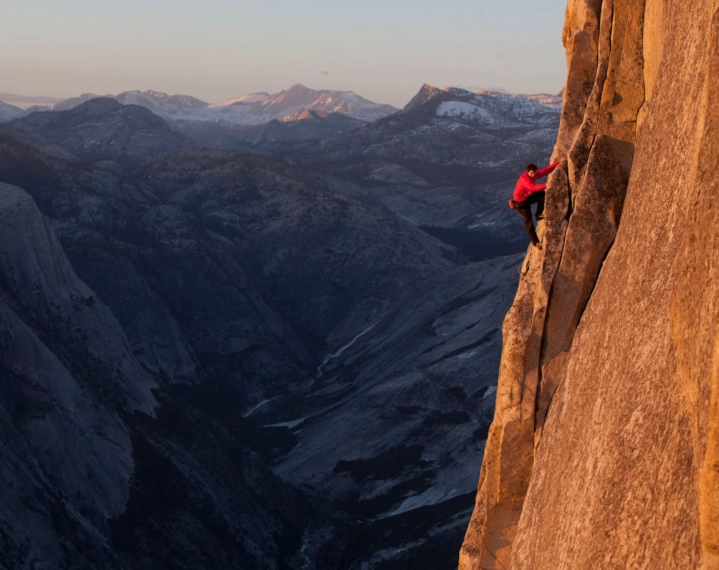
“Your solo climb is your choice, but the potential rescue—or recovery—involves dozens of other people risking their lives.” – A veteran mountain rescue volunteer.
Think about that. A mistake doesn't just affect you. It affects your family, your friends, and the volunteer or professional rescue teams who have to respond. It's a huge burden on resources and an emotional trauma for the responders. The climbing community is small, and a high-profile soloing accident can lead to access issues for everyone, as land managers perceive the sport as too dangerous.
There's also the spectacle factor. Films like Free Solo are incredible documentaries, but they can create a distorted perception. People see the success, not the thousands of hours of preparation, the meticulous planning, the aborted attempts. They see the glory, not the grinding, mundane work. It can inspire people to attempt things they are utterly unprepared for. As someone in the community, I feel a responsibility to always frame solo climbing not as an aspirational goal, but as a niche, high-consequence discipline for the hyper-experienced.
Straight Answers to Common Questions
Final Thoughts: The Weight of Choice
Solo climbing is the ultimate exercise in personal responsibility. It strips away all excuses, all backup plans. It's just you. For some, that clarity is the ultimate reward. For me, after my little experiment on that slab, I gained a profound respect for it—and a clear understanding that my own risk tolerance lies elsewhere. I love the partnership of climbing, the shared struggle and triumph.
Maybe you'll explore roped soloing to climb when your friends are busy. Maybe you'll stick to dreaming about it from the safety of your couch. Maybe, after a decade of preparation, you'll find yourself on a sun-warmed face, moving with a quiet confidence you've earned through endless practice.
Whatever path you choose, choose it with your eyes wide open. Understand that solo climbing isn't about conquering a rock. It's about confronting yourself. And that might be the hardest climb of all.