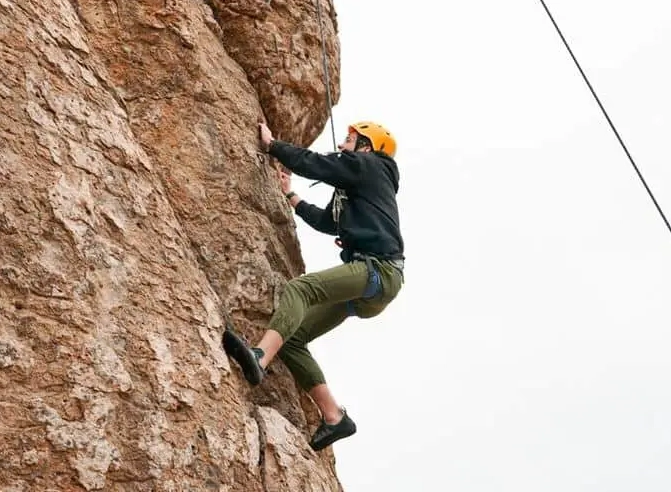
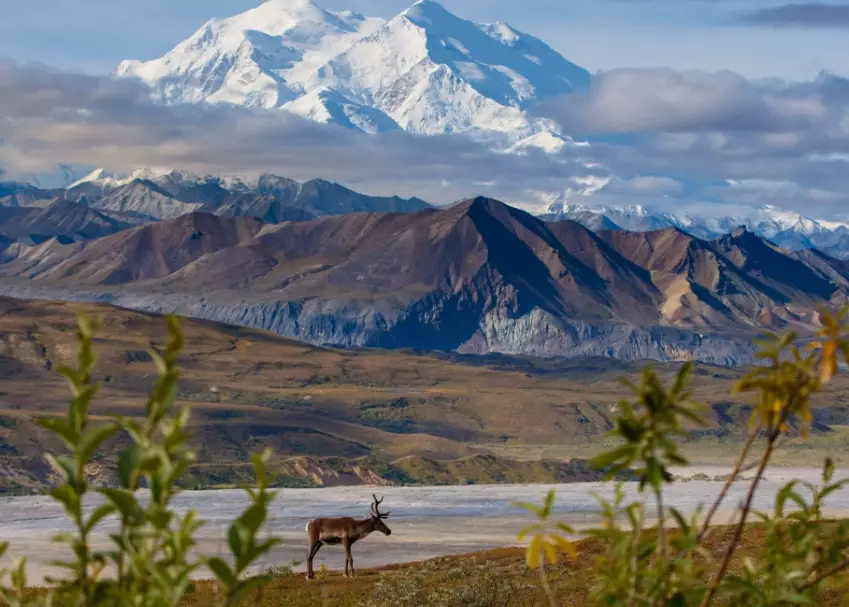
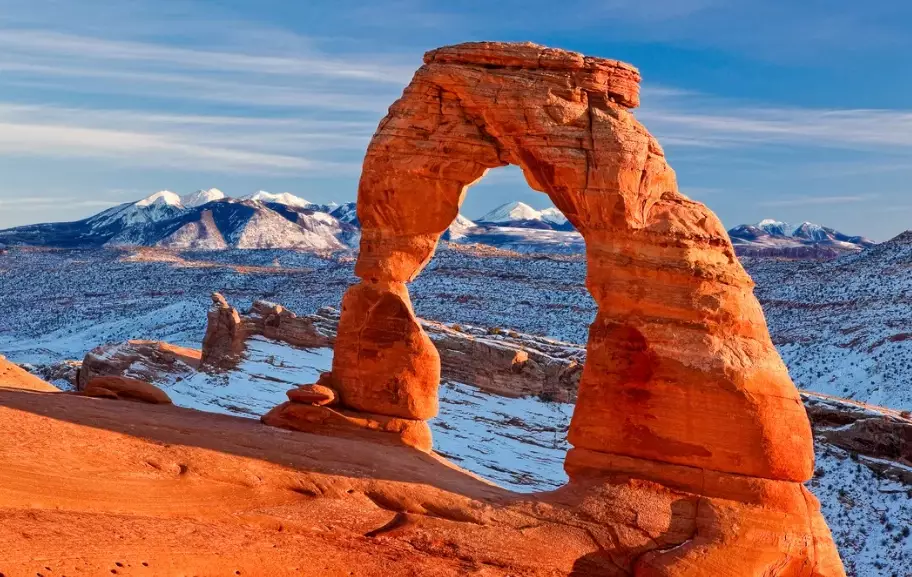
I remember standing at a trailhead in Yellowstone, looking at a sign with a cartoon bear. It seemed almost silly. How dangerous could a park be? Three hours later, I was scrambling up a muddy slope in a sudden hailstorm, completely unprepared. That was my wake-up call. National park safety isn't about fear; it's about respect. Respect for weather that changes in minutes, for wildlife that isn't in a zoo, and for terrain that doesn't care about your Instagram plans.
This guide isn't a list of obvious rules. It's the collective wisdom from rangers, seasoned hikers, and my own mistakes across dozens of parks. Let's get you home safe.
Your Safety Roadmap
Planning Your Defense: Before You Even Leave Home
Most safety failures happen before you take your first step on the trail. It's the rushed planning, the "we'll figure it out" mentality.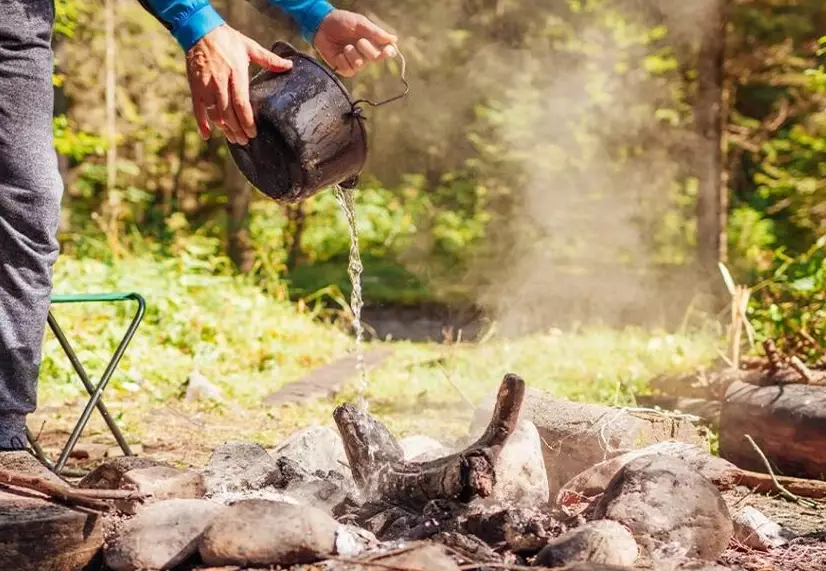
The Non-Negotiable Gear Shortlist
Forget the fancy gadgets. These are the essentials that live in my daypack on every single hike, regardless of length.
Let's talk about that map. Downloading the area on Google Maps is smart, but it's your backup. Phone batteries die. Service vanishes. A National Park Service topographic map doesn't need a signal. Circle your trailhead and destination. Know your route.
How to Check In Like a Pro
"I'll be back by dinner" isn't a safety plan. Tell someone specific who is NOT on the trip your exact itinerary: trail name, starting point, expected return time, and car description. Text them a photo of the trailhead sign. If you don't check in, they need to know who to call (park dispatch, not just 911) and where to tell them to look.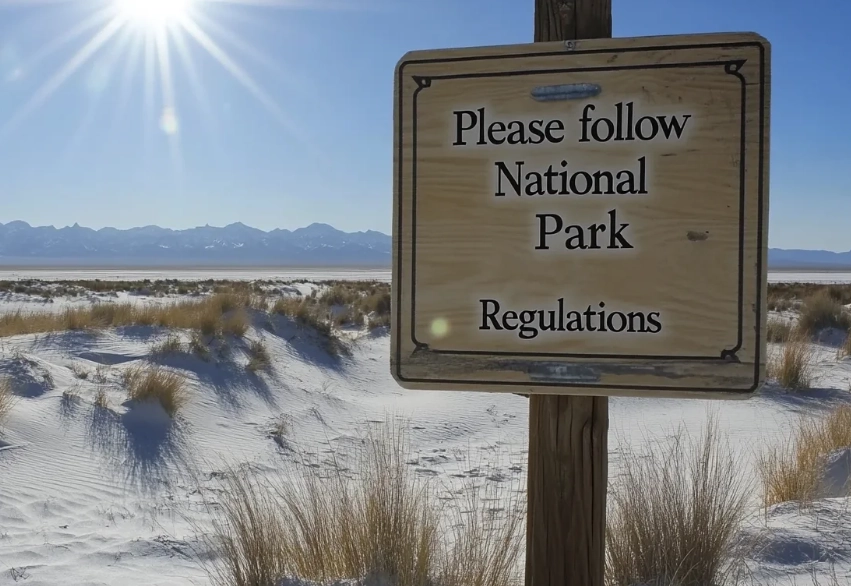
I use a simple note on my fridge:
- Park: Acadia
- Trail: Precipice Loop (Champlain Mountain)
- Start: Precipice Trailhead, 9 AM
- Car: Blue SUV, License plate XYZ 123
- Check-in Time: By 6 PM
Navigating the Wild Kingdom: Wildlife Safety
Seeing a bear or moose is thrilling. It's also the moment most people panic and do the exact wrong thing.
Bear Safety Beyond the Spray
Everyone knows you might need bear spray in grizzly country (think Glacier, Yellowstone). But here's what they don't tell you: it's useless if it's buried in your pack. It should be on your hip or chest strap, immediately accessible. Practice removing the safety tab with gloves on.
More importantly, most bear conflicts are preventable. Make noise on the trail, especially in dense brush or near loud water. I'm not a fan of bear bells—they sound like dinner bells to some. I prefer occasional clapping or saying "Hey bear!" loudly. It feels silly. It works.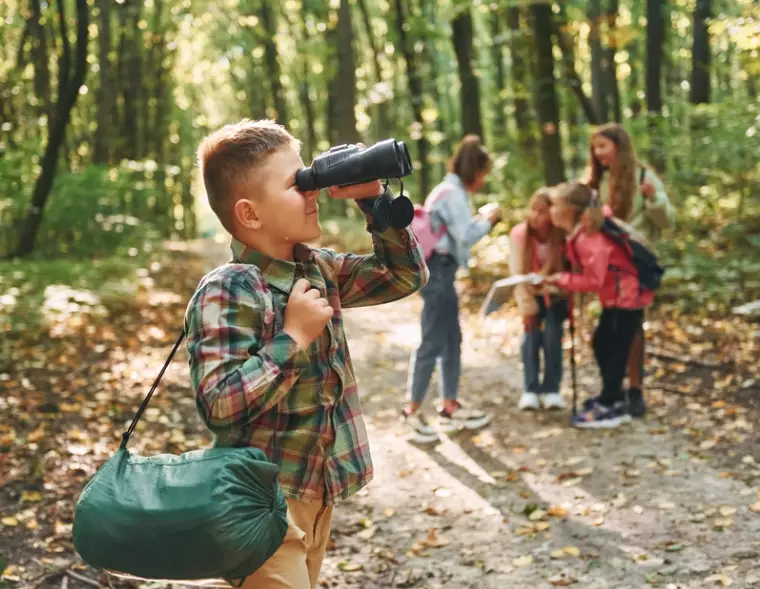
| If You See... | Do This | Do NOT Do This |
|---|---|---|
| A Bear (from a distance) | Enjoy the view quietly from afar. Back away slowly if it hasn't seen you. | Approach for a photo. Run. Make direct eye contact. |
| A Bear (close encounter) | Stand your ground. Speak calmly. Get your spray ready. Back away slowly. | Scream. Play dead (unless it's a defensive attack). Climb a tree (they can climb). |
| A Moose | Give it a WIDE berth (50+ yards). Back away. Get behind a tree or rock. | Assume it's docile. Get between a cow and her calf. Try to feed it. |
| Bison or Elk | Stay at least 25 yards away (the length of two school buses). | Think they're slow. They can run 35 mph and are unpredictable. |
The Smaller Threats: Ticks & Mosquitoes
Lyme disease from ticks is a bigger health risk in many eastern parks than bear attacks. Treat your clothing with permethrin before your trip. Do a thorough tick check every night, especially in hair, armpits, and groin. Mosquitoes in places like the Everglades or Alaska can be brutal—a head net is not overkill.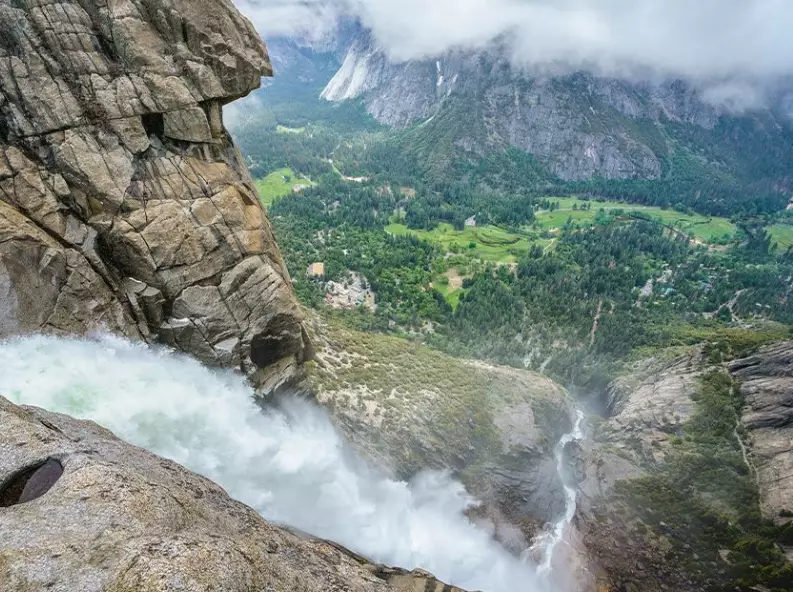
Conquering the Terrain: Hiking & Water Safety
This is where ego gets people hurt. That "shortcut" or that tempting swimming hole.
How to Not Get Lost (And What to Do If You Do)
Stay on the damn trail. Seriously. Most search and rescue missions start with someone leaving the marked path. Trails are maintained for a reason—to keep you safe from unstable terrain, fragile ecosystems, and getting disoriented.
If you realize you're lost, STOP.
- Sit down.
- Think. When did you last see a marker?
- Observe. Landmarks? Water sound?
- Plan. Don't wander. Stay put, conserve energy, signal for help.
Carry a whistle. Three sharp blasts is the universal distress signal. It carries farther than your voice.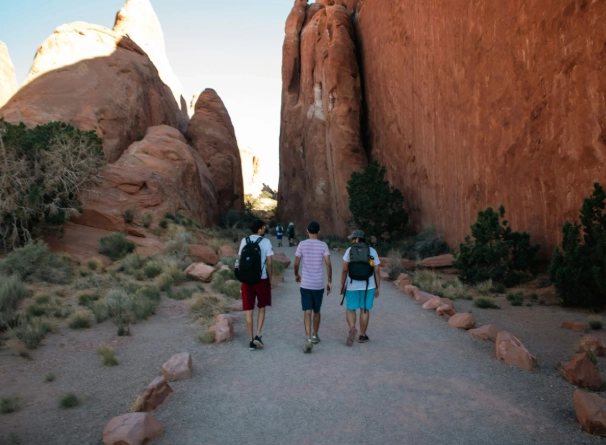
Waterfall and River Dangers
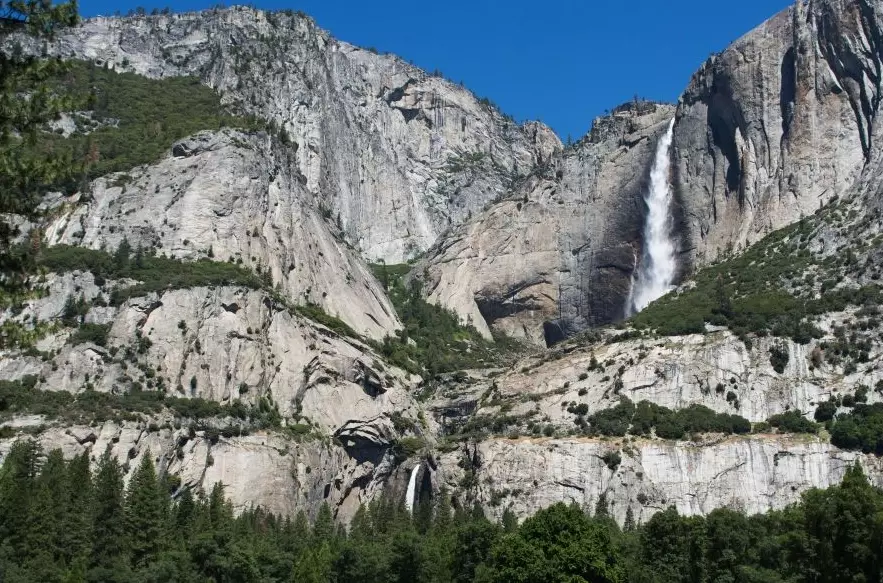
At waterfalls, stay on the official viewing platform. The rocks are coated in invisible, slippery algae. One wrong step and the current will take you over the edge. In rivers, if you must cross, unbuckle your pack's waist strap so you can ditch it if you fall, and use trekking poles for stability. If the water is above your knees, find another route.
The Weather Wildcard
Mountain and desert weather plays by its own rules. In the Rockies, you can get sunburned, hailed on, and chilled in the same afternoon.
The rule is to check the park-specific forecast, not the nearest town's. Weather.gov is reliable. Then, pack for every possibility. My layering system is simple:
- Base: Moisture-wicking shirt (not cotton).
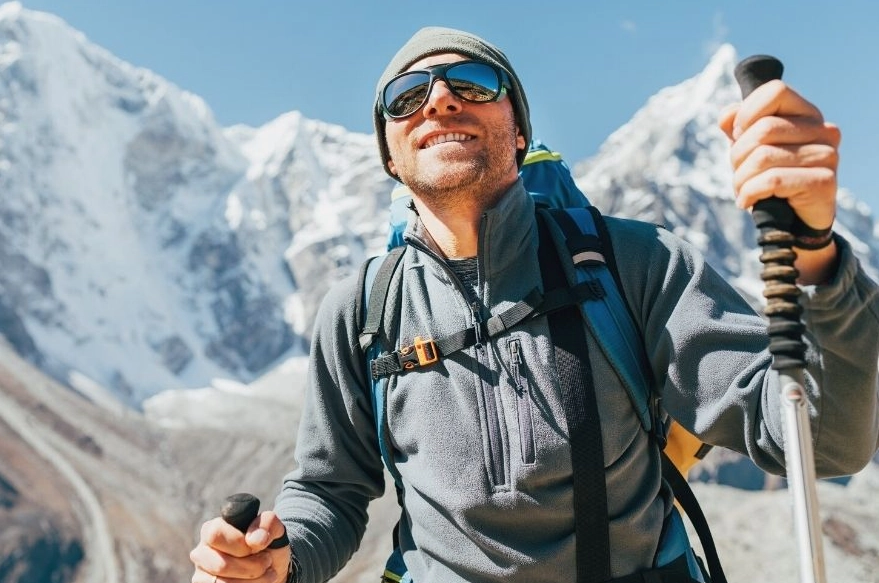
- Mid: Fleece or puffy jacket for insulation.
- Shell: Waterproof & windproof jacket.
- Extras: Hat, gloves, rain pants for exposed ridges.
In desert parks like Zion or Arches, the threat is heat and sun. Hike in the cooler morning hours. Carry a ridiculous amount of water—one gallon per person per day is the minimum. Know the signs of heat exhaustion: headache, dizziness, nausea. If you feel them, stop, find shade, and hydrate.