Quick Navigation
- What Exactly IS a Park Ranger Program? Untangling the Jargon
- The Major Players: Federal, State, and Local Park Ranger Programs
- The Step-by-Step: Your Action Plan to Get Into a Park Ranger Program
- Beyond the Starting Line: Career Paths and Specializations
- Honest FAQs: The Questions You're Actually Asking
- Making Your Decision: Is This Path For You?
I get it. The idea hits you on a Tuesday afternoon, staring at a spreadsheet under fluorescent lights. What if my office had mountains? What if my commute was a trail through pines? The dream of swapping a desk for a vast, protected landscape is powerful. It's not just a job change; it feels like a life realignment. And right at the heart of that transition is the phrase you typed into Google: Park Ranger program.
But here's the thing nobody tells you right away. That search term is a bit of a mirage. It's not one single door you walk through. It's more like arriving at a giant park entrance and finding five different trails, each leading to a different kind of ranger life. Some are paved and well-marked (federal pathways). Others are rougher, more varied trails (state and county routes). My goal here isn't to sell you a fantasy. It's to give you the honest, detailed map—the one I wish I'd had—so you can figure out which trail, if any, is meant for your boots.
Because let's be clear: a career as a park ranger is incredible, but it's also demanding, competitive, and sometimes surprisingly bureaucratic. The right Park Ranger training program is your first, crucial step. Get this part wrong, and you could spend years and money preparing for a path that doesn't suit you. Get it right, and you unlock a career that genuinely doesn't feel like work most days.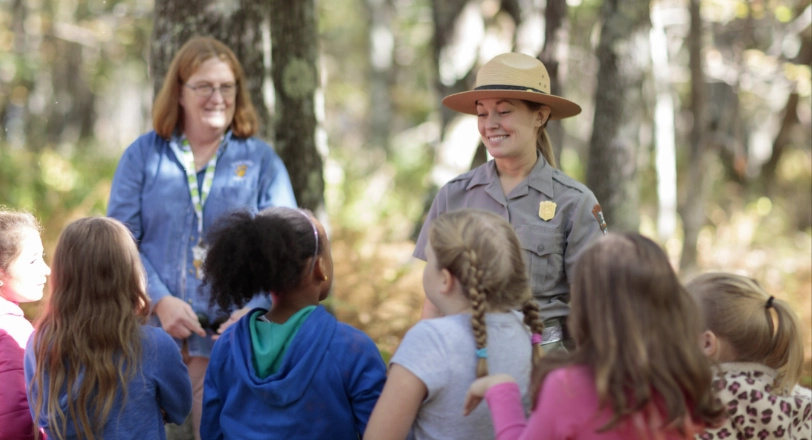
What Exactly IS a Park Ranger Program? Untangling the Jargon
This is where most blogs gloss over the details, but it's the most important confusion to clear up. When people say "program," they could be talking about four completely different things.
The College Route: Degree Programs
This is a classic bachelor's or associate degree. Think majors like Park and Recreation Management, Environmental Science, Forestry, Wildlife Biology, or Natural Resource Management. These aren't officially called "Park Ranger programs" by the schools, but they are the foundational education most agencies want to see. You'll spend years learning ecology, policy, communications, and first aid. It's broad preparation. The upside? A degree is versatile and checks a major box for permanent jobs. The downside? It's expensive and time-consuming, and it doesn't guarantee you a job. You'll still need agency-specific training later.
I have a friend who got a fantastic degree in Environmental Education. He knew all about interpreting ecosystems for the public. What his program barely touched was law enforcement protocol for dealing with off-leash dogs or intoxicated campers—a huge part of many ranger jobs. Something to think about.
The Agency Academy: The Real "Boot Camp"
This is the hardcore, immersive training you do after you're hired by a specific agency. It's the real deal. For federal law enforcement rangers with the National Park Service (NPS), this means the Federal Law Enforcement Training Centers (FLETC) program. It's paramilitary: firearms, defensive tactics, criminal law, investigation. For the U.S. Forest Service, it's their own Forest Service Law Enforcement & Investigations (LEI) Academy.
These aren't programs you just apply to as a civilian. You have to land the job first. The training is intense, physically and mentally grueling, and has a high wash-out rate. Calling this a "Park Ranger training program" is accurate, but it's the final, professional step, not the starting point.
The Gateway: Volunteer and Internship Programs
This is arguably the most practical and accessible starting point for most people. Agencies like the National Park Service and U.S. Forest Service run vast volunteer networks. Programs like the Student Conservation Association (SCA) or AmeriCorps offer structured internships, often with a small living stipend.
Why are these so critical? They get your foot in the door. You build a network, you understand the culture, and you get real experience that makes your resume stand out. I've seen more people transition from a stellar SCA internship into a paid seasonal job than from a generic biology degree alone. For a true Park Ranger career program, this is where it often begins.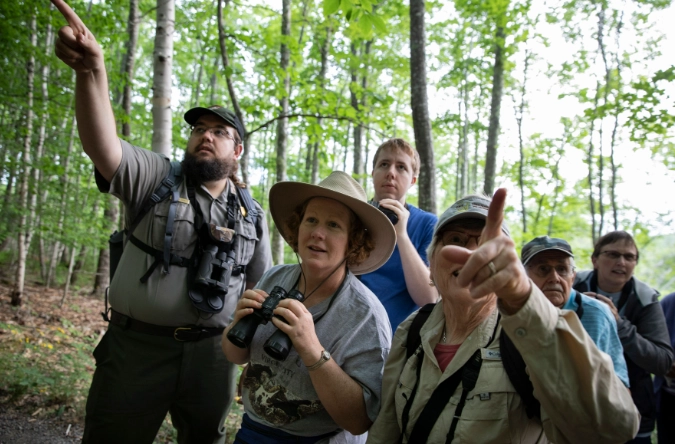
The Specialized Focus: Interpretation vs. Law Enforcement vs. Maintenance
Before you even look at programs, you need to ask yourself: what kind of ranger do I see myself as? The friendly naturalist leading sunset hikes (Interpretation/Education)? The uniformed ranger patrolling campgrounds and enforcing rules (Law Enforcement/Protection)? The skilled worker fixing trails and maintaining historic buildings (Maintenance/Facilities)?
Each path has different program needs. An interpretation ranger might benefit hugely from a degree in communications or history. A law enforcement ranger needs to focus on fitness and criminal justice courses to prepare for the academy. A maintenance ranger might be better served by trade skills or forestry courses.
The Major Players: Federal, State, and Local Park Ranger Programs
This is where a table really helps. The vibe, requirements, and career path can be wildly different depending on who you work for.
| Agency/Level | Typical "Program" Entry Point | Best For People Who... | Reality Check / My Take |
|---|---|---|---|
| National Park Service (NPS) - Federal | Pathways Programs, Seasonal Hire, Volunteer.gov | Want prestige, variety (deserts, mountains, coasts), and are willing to move anywhere. Love the idea of protecting iconic places. | Extremely competitive, especially for permanent jobs. Seasonal life (work 6 months, unemployed 6 months) is the norm for years. The bureaucracy is real, but the mission is inspiring. |
| U.S. Forest Service (USFS) - Federal | Forest Service Jobs, Volunteer Programs | Prefer working in forests over developed parks. Enjoy more focus on resource management (timber, grazing) alongside recreation. | Rangers often cover massive, remote territories. More of a "generalist" expectation in many roles. Can feel more rugged and less "public-facing" than NPS. |
| State Parks (e.g., CA, NY, TX Parks) | Direct state civil service exams, State-specific internships. | Want more stability and are tied to a specific state. Often faster track to permanent, full-year employment. | Often overlooked but fantastic opportunities. Work can be just as rewarding, with sometimes better benefits and closer connection to local communities. |
| County & City Parks | Local government job portals, Community college partnerships. | Want to serve their immediate community. Enjoy urban forestry, local trail systems, and community programming. | The most accessible path. Less focus on wilderness, more on recreation programming, urban natural areas, and community engagement. Great work-life balance potential. |
That federal vs. state choice is a big one. A ranger for California State Parks might spend their entire career in one beautiful region of the state, building deep community ties. A federal NPS ranger might bounce from Alaska to Florida every few years if they want to advance. Which sounds better to you? There's no right answer, only your answer.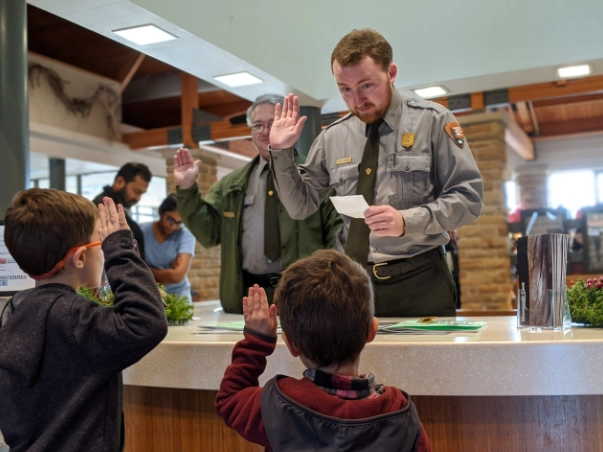
The Step-by-Step: Your Action Plan to Get Into a Park Ranger Program
Let's get practical. Here's a loose, non-linear but essential checklist. You might jump around, but you need to hit most of these points.
Phase 1: Self-Assessment & Research (Do NOT Skip This)
Before you spend a dime or fill out an application, get brutally honest.
- Physical & Mental Fitness: Can you hike 10 miles with a pack in the heat? Can you deal with conflict calmly? Are you okay with isolation or intense visitor interaction?
- Location Flexibility: Are you willing to move to a remote town in Wyoming for a seasonal job? If not, focus intensely on your state's programs.
- Financial Realism: Seasonal work often means low pay and winter unemployment. How will you manage that for 3-5 years?
- Shadow or Volunteer: Seriously, just go do it. Spend a weekend volunteering with your local county park district. The reality of the work will either fuel your fire or douse it quickly.
Phase 2: Skill & Resume Building
You need to become a compelling candidate. Generic won't cut it.
Build This "Must-Have" Skillset:
- Hard Skills: First Aid/CPR (EMT is a golden ticket), Public Speaking, Basic Trail Maintenance, GPS/GIS knowledge, Wildlife Identification, Radio Communication.
- Soft Skills: Conflict De-escalation (take a course!), Customer Service, Teamwork in stressful situations, Cultural Sensitivity.
Get Experience, Any Experience:
Don't wait for the perfect Park Ranger internship program. Lead hikes for a local nature center. Work at a hardware store (learn tools for maintenance). Be a lifeguard (emergency response experience). Bartend (customer service and conflict management!). Frame every job as skill-building for the ranger role.
Phase 3: The Application Grind
This is the least fun part. Government applications are beasts.
Tailor every single application. If a job listing says "experience maintaining historic structures," you better have a bullet point about that time you helped restore a barn, even if it was volunteer work.
And for the love of nature, get your driving record clean and start thinking about any background check issues. Even minor old citations can come up.
Phase 4: Acing the Process & The First Season
You got an interview! Now what?
- Interview Prep: Expect scenario questions. "A camper is drunk and arguing with a neighbor at 11 PM. What do you do?" They care less about a perfect legal answer and more about your process: ensure safety, communicate, de-escalate, follow protocol.
- The First Gig: Your first seasonal position is a 6-month interview. Work hard, be humble, ask questions, say yes to extra tasks. Your supervisors' recommendations are your currency for the next job.
Beyond the Starting Line: Career Paths and Specializations
Okay, let's say you've completed a Park Ranger program and landed a seasonal job. What's next? The career isn't static.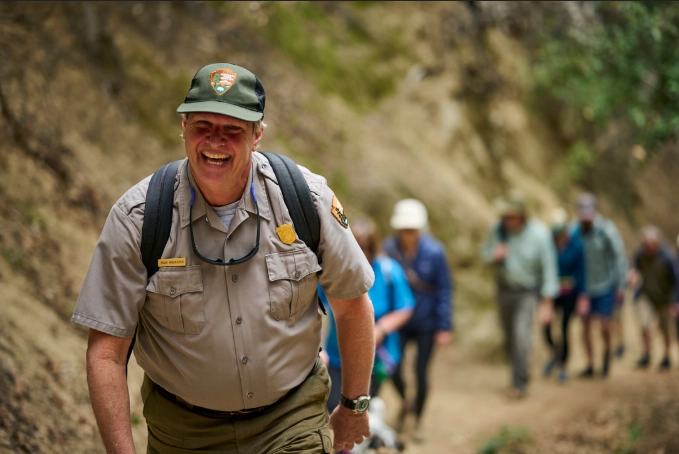
Many rangers specialize over time. You could become a:
- Search and Rescue (SAR) Specialist: Requires advanced medical and technical rescue training.
- Wildland Firefighter: Many rangers are certified firefighters, a critical and intense skill.
- Archaeologist or Historian: Protecting cultural resources in parks.
- Biologist or Ecologist: Focusing on wildlife management, invasive species, or restoration projects.
- Superintendent or Manager: Moving into administration, budgeting, and park leadership.
The beauty of this field is that you can craft a career that matches your evolving interests. The foundational Park Ranger training program is just the launchpad.
"The best rangers I know aren't just experts in trees or trails. They're experts in people. They're part teacher, part counselor, part cop, and part janitor, all wrapped in a deep, unshakable love for a place." – A sentiment echoed by many long-time rangers.
Honest FAQs: The Questions You're Actually Asking
Let's cut through the brochure language.
Do I need a degree to get into a Park Ranger program?
For a permanent federal job, a bachelor's degree is almost always required. For seasonal work or many state jobs, experience can often substitute. But a degree in a relevant field makes everything easier. Check specific vacancy announcements on USAJOBS—they spell out the exact education/experience combo needed.
Is there an age limit?
Generally, no maximum age limit for hiring. However, federal law enforcement ranger positions have a mandatory retirement age and often require you to be hired before age 37 (with some veteran exceptions). For non-LE positions, age is not a formal barrier.
How physically fit do I need to be?
Very. Even interpretive rangers hike miles daily. For law enforcement positions, you'll have to pass a rigorous physical efficiency test (running, push-ups, sit-ups, obstacle course). Start training now.
Is it dangerous?
It can be. Risks include wildlife encounters, severe weather, rugged terrain, and, unfortunately, dealing with armed or unstable individuals. Comprehensive training mitigates these risks, but you must have good situational awareness.
Can I have a family and be a park ranger?
This is a tough one. Seasonal instability is hard on families. Remote housing (if provided) may be small and isolated. Schooling can be a challenge in remote parks. Many rangers with families pursue positions with state or county agencies that offer more stability and are near communities. It's possible, but it requires careful planning and sacrifice.
What's the pay really like?
Starting pay for federal GS-5/7 seasonal rangers isn't great, often in the $30k-$40k range (for the months you work). Permanent positions offer better salaries and full benefits. State pay varies wildly by state. You don't do this for the money; you do it for the lifestyle and the mission.
Making Your Decision: Is This Path For You?
Pursuing a Park Ranger program and this career is a calling, but it's a calling with muddy boots, paperwork, and sometimes frustrating bureaucracy. The Instagram version is all sunsets and bear cubs. The real version is also cleaning vault toilets, filling out incident reports, and explaining for the thousandth time why you can't feed the squirrels.
But then there's that moment. You help a kid see their first owl. You find a lost hiker and guide them to safety. You stand on a ridge you helped protect, knowing your work matters. That feeling is the real compensation.
My strongest advice? Don't romanticize it. Get your hands dirty first. Volunteer. Talk to rangers—you'll find most are happy to share their story. Use the resources from the National Park Service and the California State Parks website (or your own state's) as starting points for real, verified information.
The path isn't easy or fast. But if you've read this far, something is pulling you toward it. Maybe it's time to take that first, real step off the paved path and see where the trail leads.