Quick Navigation
- Why Bother with Snowshoes? Can't You Just Hike?
- Top National Parks for Your Snowshoeing Adventure
- Gear Up: What You Actually Need (And What You Don't)
- How to Actually Snowshoe (It's Not Just Walking)
- Staying Safe & Not Getting Lost: The Unsexy, Important Stuff
- Your Questions, Answered (The Stuff You Were Too Hesitant to Ask)
- Making It Happen: Planning Your Trip
Let's be honest. Summer in a national park can be... a lot. The traffic, the lines for the shuttle, the struggle to find a quiet moment at a famous overlook. It's beautiful, sure, but peaceful? Not always.
Now, imagine that same place a few months later. The roads are silent, blanketed in white. The only sounds are the crunch of your own footsteps and maybe the distant call of a raven. The summer crowds are a distant memory. This is the magic of national parks snowshoeing. It's not just an activity; it's a completely different way to experience these iconic landscapes.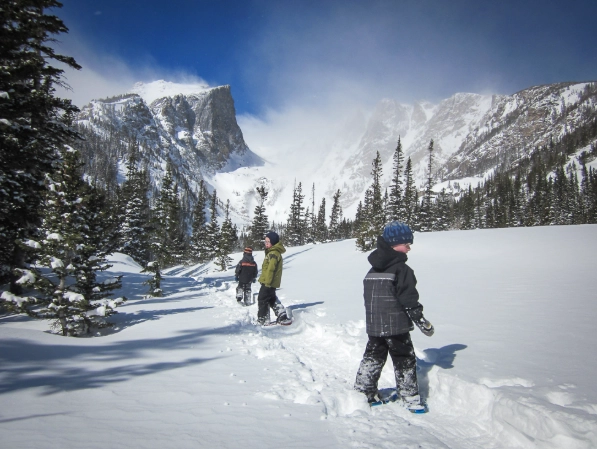
I remember my first time snowshoeing in a national park. It was in Rocky Mountain National Park, on a trail I'd hiked a dozen times in summer. Everything was familiar, yet utterly transformed. The lake I knew was frozen solid, a vast white plain. The pines were heavy with snow. I saw animal tracks everywhere—a storybook of winter life written right there in the snow. I didn't see another person for two hours. That feeling of solitude and raw, quiet beauty is what hooks you.
If you've ever looked at a snowy landscape and felt that pull, this guide is for you. We're going to ditch the complicated jargon and just talk about how to actually do this thing. Where to go, what you really need to wear, how to not get lost, and why this might become your new favorite way to explore.
Why Bother with Snowshoes? Can't You Just Hike?
Good question. On packed snow, maybe you could. But the moment you step off a groomed path into fresh powder, you'll sink. Deep. That's exhausting and dangerous. Snowshoes work by distributing your weight over a larger area, so you float on top of the snow. It's simple physics, but it feels like a superpower.
National parks snowshoeing opens up terrain that's simply inaccessible in winter otherwise. Rangers often groom a few popular trails for walking, but the real adventure—and the real solitude—lies beyond those tracks. With a pair of snowshoes, the whole winter wilderness becomes your trail.
It's also surprisingly affordable. Compared to skiing or snowboarding, the barrier to entry is low. You can rent a decent pair of snowshoes for a day for what you'd spend on a nice lunch. No lift tickets, no fancy lessons. Just strap them on and go.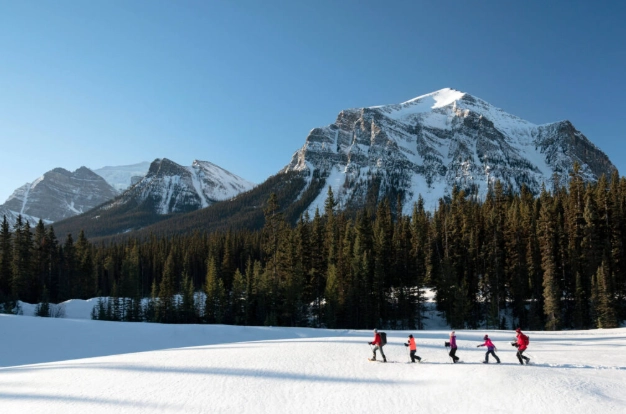
Top National Parks for Your Snowshoeing Adventure
Not all parks are created equal in winter. Some are buried under epic snow, others offer a milder experience. Some have fantastic ranger-led programs, others are more about forging your own path. Here’s a breakdown of the heavy hitters and a few hidden gems.
Yosemite National Park (California)
Yosemite Valley in winter is a secret that shouldn't be a secret. Half Dome and El Capitan look even more majestic dusted with snow. The best part? The summer hordes are gone. The park service does an amazing job plowing roads and maintaining areas like Badger Pass for cross-country skiing and snowshoeing. They offer ranger-led snowshoe walks for beginners, which I highly recommend for your first time. You can rent gear right in the valley. The trail to Mirror Lake on snowshoes is an absolute classic—the view of Half Dome reflected in the (possibly frozen) lake is something else.
Snowshoe Vibe: Accessible, iconic, perfect for families and first-timers. You get the big views with lots of support infrastructure.
Rocky Mountain National Park (Colorado)
This is high-altitude, serious winter. The snow is deep, the air is crisp, and the landscapes are straight out of a painting. Bear Lake Road is closed to cars in winter and becomes a highway for snowshoers and skiers. From there, you can access a network of trails leading to stunning frozen lakes like Dream Lake and Emerald Lake. The wind can be brutal up there, so check the forecast. The park's website has great, current trail condition reports. This is where I learned that cotton kills—the hard way. Dress in layers!
Snowshoe Vibe: Epic, mountainous, for those who want a real workout and breathtaking alpine scenery. Be prepared for weather that changes fast.
Yellowstone National Park (Wyoming/Montana)
Snowshoeing here is a geothermal wonderland experience. Imagine trekking past steaming hot springs and geysers like Old Faithful, all surrounded by deep snow and silent forests. Wildlife viewing is incredible in winter—you might see bison, elk, or wolves. Important: Venturing into the Yellowstone backcountry in winter is not for beginners. I'd stick to the designated trails near developed areas like Mammoth Hot Springs or join a guided tour. The park concessionaires offer fantastic guided snowshoe trips that are worth every penny for the knowledge and safety they provide.
Snowshoe Vibe: Unique, wildlife-focused, otherworldly. Best enjoyed with a guide or on very well-established routes.
But wait, there's more. Acadia National Park in Maine offers stunning ocean-meets-snow vistas. Mount Rainier's lower forests are a quiet, mystical place for snowshoeing. Even parks like Grand Teton or Crater Lake become pristine snowy playgrounds.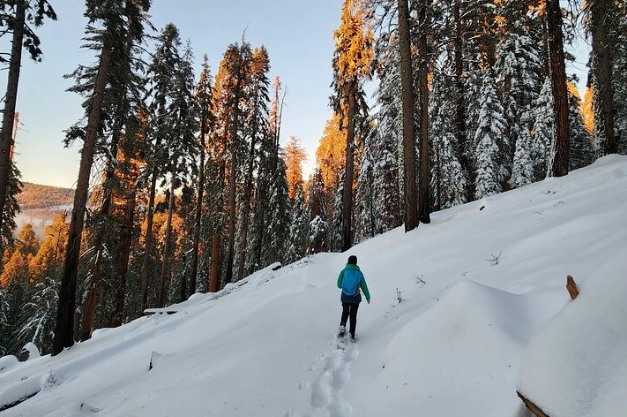
| National Park | Best For | Snow Level | Ranger Programs? | Rentals On-Site? |
|---|---|---|---|---|
| Yosemite | First-timers, Families, Iconic Views | Moderate to Heavy | Yes, excellent | Yes, in Yosemite Valley |
| Rocky Mountain | Alpine Scenery, Workout, Solitude | Very Heavy | Sometimes (seasonal) | No, rent in nearby towns |
| Yellowstone | Geothermal Features, Wildlife | Extremely Heavy | Guided tours available | Yes, at some lodges |
| Acadia | Coastal Views, Less Extreme Winter | Moderate | Yes | In nearby Bar Harbor |
| Mount Rainier | Old-Growth Forest Vibes | Heavy | Limited | In Ashford (gateway town) |
Gear Up: What You Actually Need (And What You Don't)
You don't need a closet full of technical gear, but you do need to be smart. The wrong clothes can turn a fun day into a miserable, even dangerous, one.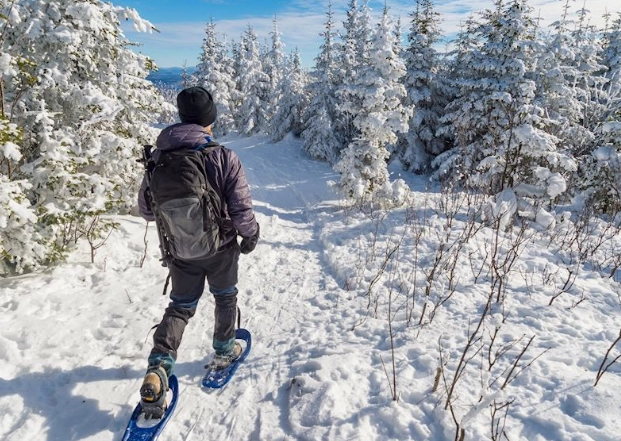
The Absolute Must-Haves:
- Snowshoes & Poles: Rent them! Any good outdoor shop near a national park will have them. Get poles with large baskets to keep them from sinking. The rental folks will size them for you based on your weight and the type of snow.
- Boots: Waterproof hiking boots are fine. You don't need massive mountaineering boots. Just make sure they're warm and not tight. You need blood flow to keep your toes warm.
- Socks: Wool. Merino wool. Not cotton. Cotton gets wet and stays wet, sucking heat from your body. One good pair of wool socks is better than two pairs of cotton ones.
The Layering System (This is Non-Negotiable)
- Base Layer: Tights and a long-sleeve top made of wool or synthetic material (like polyester). Their job is to wick sweat away from your skin. Think of it as your personal moisture management system.
- Mid Layer: Insulation. A fleece jacket or a puffy vest. This traps heat. You can add or remove this layer as you heat up or cool down.
- Outer Layer (Shell): A waterproof and windproof jacket and pants. This keeps the snow and wind out. It doesn't have to be super thick—its job is protection, not insulation.
See? You probably have most of this stuff already. A rain jacket can work as a shell. An old fleece is a perfect mid-layer.
Extras That Make a Big Difference:
- Gaiters: These are cloth tubes that go over your boot and lower leg. They keep snow from going down your boot. For deep powder, they're a game-changer.
- Sun Protection: Sunglasses and sunscreen. The sun reflecting off the snow is intense. You can get a nasty sunburn even on a cloudy day.
- Hydration & Snacks: A water bottle or hydration bladder (insulate the tube so it doesn't freeze!). High-energy snacks like nuts, chocolate, or energy bars. You burn more calories in the cold.
- Backpack: Something to carry your layers, water, and snacks. A 20-30 liter daypack is perfect.
How to Actually Snowshoe (It's Not Just Walking)
Strap them on, stand up, and... walk. It really is that simple at its core. But there are a few tricks to make it easier and more efficient.
The Stance: Widen your stance a bit more than normal walking. You don't want to step on the inside of one snowshoe with the other. It happens, you'll trip, you'll laugh, you'll get up.
Going Uphill: Many snowshoes have a heel lift or “climbing bar.” Flip it up with your pole. It levels your foot on steep slopes, making it way less tiring for your calves. If there's no lift, just kick your toes into the slope to get a bite.
Going Downhill: Bend your knees, lean back a little, and take it slow. It's easy to gain speed. Use your poles for balance and to slow yourself down.
The rhythm finds you. Crunch, crunch, crunch.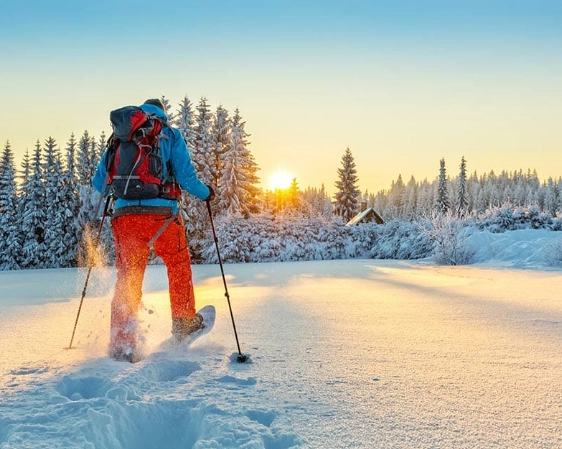
Staying Safe & Not Getting Lost: The Unsexy, Important Stuff
This is the part most blogs breeze over, but it's the most critical. Winter in the backcountry demands respect.
Navigation
Trails disappear under snow. What was an obvious path in summer is now a uniform white field. A map and compass are the gold standard, and you should know how to use them. Realistically, most people on established national parks snowshoeing trails use a GPS device or their phone.
Here's my method: I use the National Park Service website to download the official park map PDF to my phone. Then I use a dedicated app like Gaia GPS or AllTrails (download the map for offline use!). I carry a paper map as a backup, and a small, reliable compass. Your phone can die quickly in the cold. Keep it in an inner pocket to conserve battery.
Weather & Avalanches
Check the forecast religiously before you go. Not just for snow, but for wind chill and temperature. Mountain weather is fickle. Be ready to turn around if conditions deteriorate. Pride has no place out there.
Avalanches: This is a real risk in mountainous terrain, even on some established trails. If you're going into steep, open slopes, you need avalanche training, a beacon, probe, and shovel. For most beginner and intermediate national parks snowshoeing on forested or flat terrain, the risk is low. But you must ask. Check the park's avalanche forecast if they have one (many in the Rockies do), and talk to a ranger. Don't guess.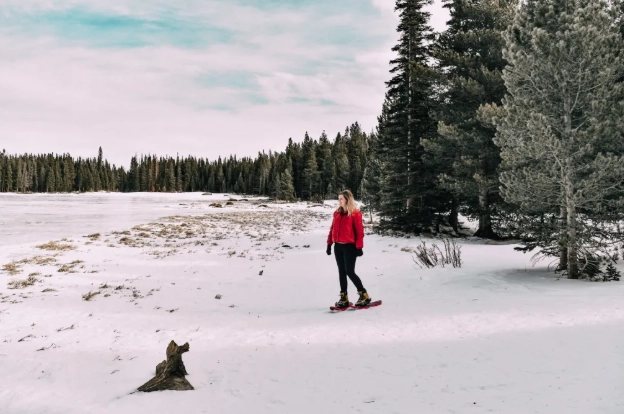
Wildlife & Etiquette
You're a visitor in their winter home. Give animals plenty of space, especially in winter when they're conserving precious energy. Store your snacks in your backpack, not your pockets.
As for trail etiquette: If you're on a shared trail with skiers, generally snowshoers should walk to the side of the groomed track to avoid post-holing (making deep footprints) in the ski lane. Uphill travelers usually have the right of way. A simple “hello” or nod to others you pass is just good trail manners.
Your Questions, Answered (The Stuff You Were Too Hesitant to Ask)
Making It Happen: Planning Your Trip
- Pick Your Park: Use the table above as a starting point. Consider travel distance, the type of winter experience you want (mild vs. epic), and what's manageable for your skill level.
- Check NPS.gov: Go to the park's page. Read the winter-specific section. Note road closures (many park roads close seasonally), entrance fees, and if you need any permits for overnight trips.
- Book Lodging Early: In-park winter lodging is limited and books up fast. Gateway towns near the park are a great alternative.
- Rent Gear Locally: Find an outdoor shop in the nearest town. Renting locally supports the community and lets you get fitted by experts. Reserve ahead if it's a holiday weekend.
- Pack Smart: Use the gear list. Don't forget the essentials: water, food, map, headlamp, first-aid kit, extra warm layer, and fire starters (just in case).
- Go, and Be Flexible: Have a Plan A trail, but also a easier Plan B in case the weather is worse than expected or you're just not feeling it. The point is to be outside, not to conquer a specific peak.
National parks snowshoeing is a gift. It's a chance to trade crowds for quiet, noise for stillness, and the familiar for the transformative. It turns a landscape you might know in one season into something mysterious and new in another.
The snow won't last forever.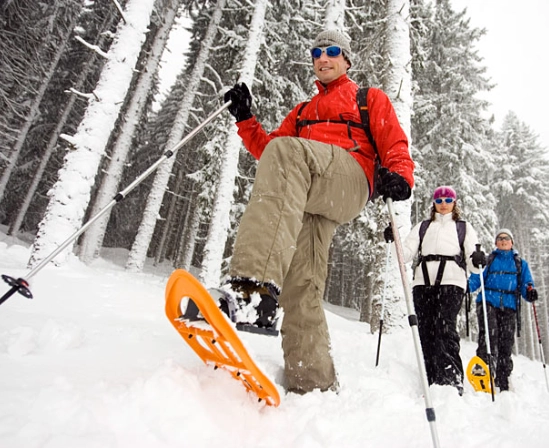
So this winter, consider a different kind of park visit. Strap on some snowshoes, take a deep breath of that cold, clean air, and step into the silence. You might just find your new favorite version of the great outdoors.