Your Bison Adventure Blueprint
Let's be honest. You're not just going to Yellowstone for the geysers. Sure, Old Faithful is cool, but what you're really hoping for, what you're secretly dreaming about, is that moment. The moment you round a bend in the road and there they are. A herd of bison in Yellowstone, massive and prehistoric-looking, grazing right there in the Lamar Valley with steam rising from their backs in the morning cold. It's the iconic image of the American West, alive and breathing. But between that dream and reality lies a bunch of questions. Where do you actually find them? Is it safe? What's the deal with all the cars stopped in the middle of the road? I've been there, stuck in that bison jam, both thrilled and slightly terrified. This isn't a dry park pamphlet. This is the straight talk from someone who's learned (sometimes the hard way) how to experience the wonder of bison in Yellowstone without being that person who does something dumb.
We're talking about the last truly wild, free-roaming bison herd in the United States. Their story is the story of Yellowstone itself—a story of survival, controversy, and sheer, stubborn wildness. Seeing them isn't just checking a box on a wildlife list. It's witnessing a living piece of history that almost didn't make it.
 So, where do we start?
Meet the Yellowstone Bison: Not Your Average Cow
First things first, let's clear up the name. Bison. Buffalo. Everyone says buffalo, but technically, they're bison. The true buffalo are in Africa and Asia. What we have in Yellowstone is the American Bison, Bison bison. And the herd in Yellowstone is special. They're direct descendants of the few dozen that hid out in the park's remote Pelican Valley, escaping the mass slaughter of the 1800s. While other herds across the country were rebuilt from captive animals or hybrids with cattle, the Yellowstone bison are the real, genetically pure deal. That alone makes seeing them feel different.
They're bigger than you think. A mature bull can weigh over a ton (2,000 pounds) and stand six feet tall at the hump. That hump is pure muscle, by the way, for plowing through snow. Their winter coat is so thick and shaggy it makes them look even more massive. In spring, they shed it in ragged patches, which honestly, looks a bit ridiculous—like a worn-out teddy bear. But don't let the shaggy appearance fool you. They can run 35 miles per hour. That's faster than you, me, and definitely faster than it looks like something that size should be able to move.
Quick History Snapshot: By 1902, after decades of commercial hunting and government-sanctioned eradication programs aimed at subjugating Native American tribes, only about two dozen bison remained in Yellowstone, hiding in the backcountry. The current herd of several thousand is a modern conservation miracle stemming from that tiny remnant population. The National Park Service has a detailed timeline of this recovery effort on their official bison page, which is worth a read to appreciate the scale of the comeback.
Where and When: Your Bison Viewing Blueprint
This is the practical stuff you came for. You can't just show up and expect a bison to pose in front of your car. Well, actually, sometimes you can—they love the roads for the easy walking and melted snow in winter. But to have a great experience, you need a plan.
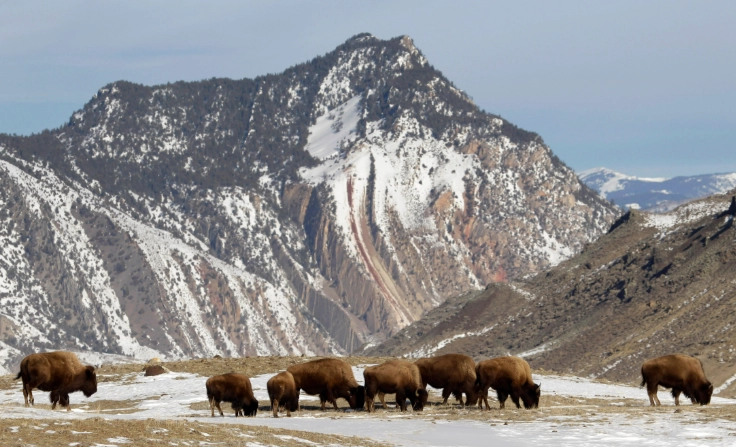
The park's bison herd isn't in one spot. They roughly split into two central groups: the Northern Herd and the Central Herd. Their movements are dictated by one thing: food. In winter, they head to lower elevations where the snow is shallower and they can dig for grass. This often means the geothermal areas like around Old Faithful and the Madison River, or the northern range near Mammoth. In summer, they spread out to the lush, high-elevation meadows.
Top Spots to See Bison in Yellowstone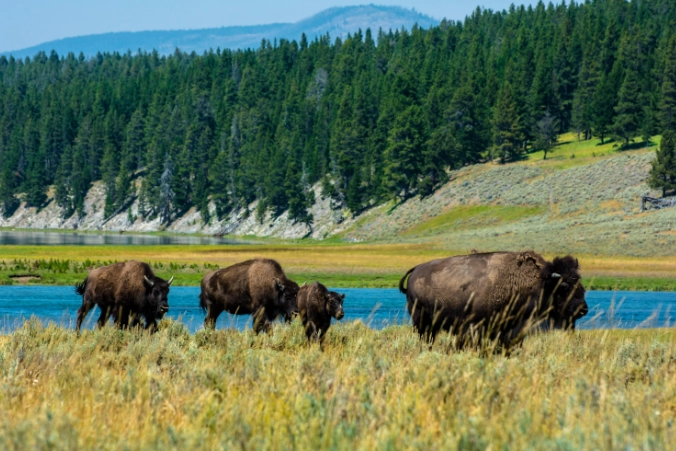
I've had my best luck in these areas, ranked not just by likelihood but by the quality of the experience.
| Location | Best Time of Year | What to Expect & My Notes |
|---|---|---|
| Lamar Valley | Spring, Summer, Fall | Called "America's Serengeti." Wide-open vistas with massive herds grazing. Easy to view from the road. Feels the most "wild." Can get crowded at sunrise/sunset. |
| Hayden Valley | Spring, Summer, Early Fall | Another classic, south of Canyon. Large herds often near the Yellowstone River. Morning fog here is magical. Lots of pullouts, but also lots of tour buses. |
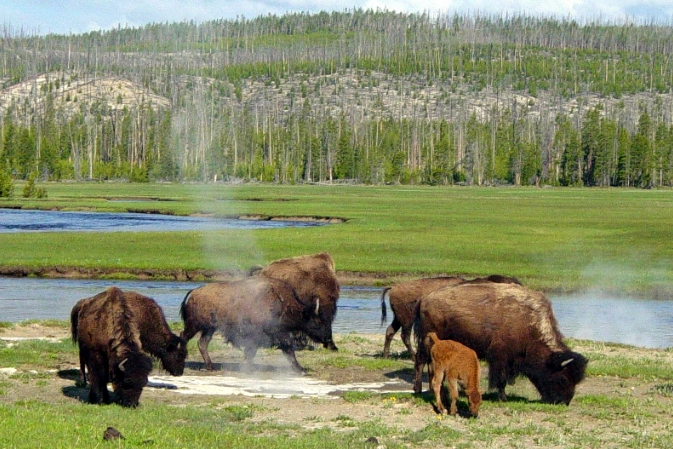
| Old Faithful/Upper Geyser Basin | Winter, Early Spring | Bison love the warm ground. Seeing a bison standing near a steaming hot spring with snow everywhere is surreal. They are very comfortable here, so give extra space. |
| Madison River area | Winter, Spring | A reliable winter haunt. Small groups often walk right along or on the road. Creates famous "bison jams." Be patient. |
| Blacktail Plateau Drive | Summer, Fall | A one-way dirt road. Fewer people, more intimate sightings. I once had a small group cross the road right in front of me, alone. Felt like a secret. |
Time of day is huge. Dawn and dusk are not just clichés for photographers. That's when bison are most active—grazing, moving. The light is beautiful, and the crowds are thinner. Midday in summer, they're often just lying down, chewing their cud, looking like giant, fuzzy boulders. Still cool, but less dynamic.
A Personal View: My absolute favorite memory isn't of a huge herd. It was a freezing October morning in Lamar Valley. Just one massive bull, all by himself, standing on a ridge with his breath creating clouds in the air. He wasn't doing anything special. Just being. It was more impressive than any crowded geyser eruption. That's the magic you're after.
The Non-Negotiable: Bison Safety in Yellowstone
This is the most important part of this guide. People get hurt every year. Not by bears, but by bison. Why? Because they look slow, calm, and almost domesticated when they're grazing. It's an illusion.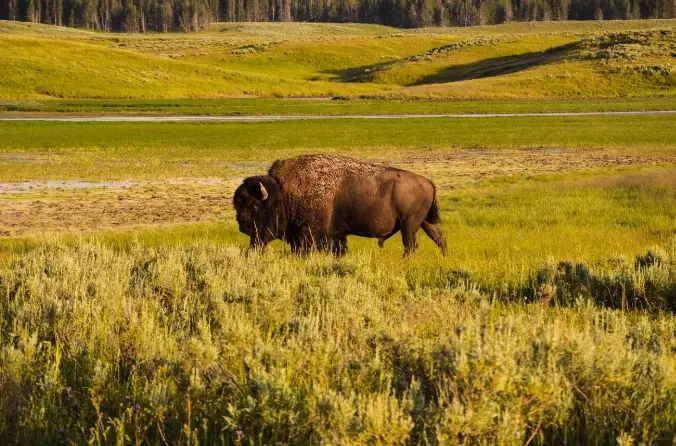
THE RULE: Stay at least 25 yards (23 meters) away from bison at all times. That's the length of two school buses. Park regulations are clear, and for good reason. If the bison is looking at you, you're too close. If you're using your phone's zoom lens to get a picture, you're probably too close.
Bison give warnings. They're not sneaky. They'll raise their tail, snort, paw the ground, or shake their head. That's your final cue to back away slowly. If you wait for a charge, it's too late. They can pivot and accelerate in a heartbeat. Their horns aren't just for show. A goring is a horrific, life-changing injury.
Let's talk about the road situation. Bison use the roads as trails. You will encounter a "bison jam." Here's what NOT to do: Don't get out of your car to take a picture. Don't roll down your window and stick your phone out if the animal is right next to you. Don't honk. Just turn off your engine, enjoy the view from the safety of your vehicle, and wait. They will move. I've seen tourists do all of the above, and it makes me cringe. Your Instagram post is not worth the risk to you or the animal. The NPS safety page has stark videos and stories that hammer this home. It's sobering.
What about hiking? Always be alert. Look ahead on the trail, especially over rises and through trees. If you see a bison on or near the trail, turn around and find another route. Do not try to sneak past. Their hearing and smell are excellent; their eyesight is less so. They may not see you well, but they will know you're there.
Beyond the Photo Op: The Bison's Rocky Role in the Ecosystem
Seeing bison in Yellowstone is awesome, but understanding their job makes it richer. They're a keystone species. That's a biology term for an organism that holds the whole system together, like the keystone in an arch. Remove it, and things fall apart.
How? Their grazing patterns create a mosaic of different grass heights, which benefits different birds and insects. Their wallows—dusty depressions they roll in to deter bugs—become little ephemeral ponds for frogs and insects. Their leftover meals (carcasses) feed everything from grizzly bears and wolves to ravens and beetles. Even their fur, shed in spring, is collected by birds for lining their nests. A study published by the U.S. Geological Survey has tracked how their foraging affects plant diversity and soil health. They're not just living in the landscape; they're actively shaping it every single day.
But their life isn't a peaceful walk in the park. This is where it gets complicated and, frankly, controversial. Yellowstone is an island. The bison population grows, and in winter, they naturally try to migrate north and west out of the park into Montana in search of food. The problem? Ranchers outside the park fear the spread of brucellosis, a bacterial disease some bison carry that can cause cattle to abort their calves. While the risk of transmission is considered very low (it primarily requires contact with birthing materials, and there are no cattle grazing on public lands adjacent to the park in winter), the fear drives policy.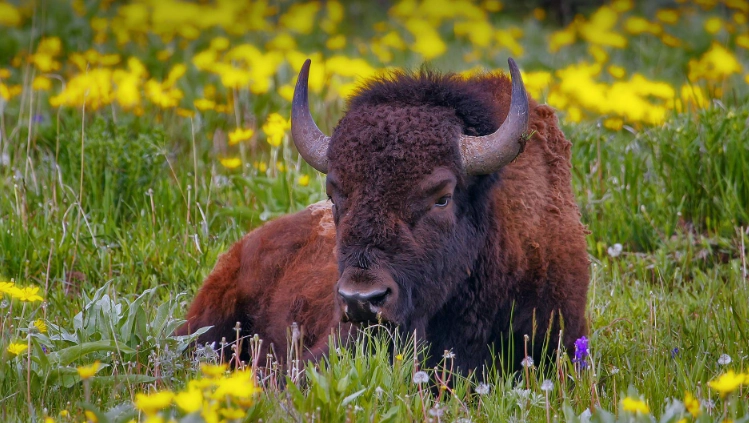
This leads to the park's controversial bison management program. To prevent migration and control numbers, the park uses a combination of techniques, including the hazing of animals back into the park and, in partnership with tribal nations, the transfer of live bison to start or bolster herds on Native American lands—a powerful cultural restoration. However, when population targets are exceeded, it sometimes also involves culling. It's a messy, emotional, and politically charged issue that pits conservation goals against agricultural interests. The park's management plan page outlines the current, multi-faceted approach. It's not a perfect solution, and many wildlife advocates are critical of it, arguing it doesn't honor the natural migratory behavior of the last wild herd.
By The Numbers: The Yellowstone bison population fluctuates but is generally managed between 3,000 and 5,000 animals to maintain ecological balance within the park and address migration concerns. This is a fraction of the 30-60 million that once roamed North America.
Gear & Etiquette: How to Be a Pro Bison Watcher
Okay, you know where to go and how to be safe. What about the gear? You don't need anything fancy, but a few things will up your game.
- Binoculars or a Spotting Scope: This is the #1 tool for respecting the 25-yard rule. A decent pair of 8x42 binoculars lets you see the curl of a horn, the look in their eye, the calves nuzzling their mothers, all from a safe distance. In Lamar Valley, you'll see serious wildlife watchers with scopes on tripods. They're sharing views and knowledge—don't be shy to ask what they're looking at.
- A Good Zoom Lens: If you're into photography, a 200mm lens is a bare minimum. 400mm or more is ideal for frame-filling shots without being frame-filling yourself.
- Patience: Not a physical item, but the most crucial. Wildlife doesn't work on a schedule. Sit. Watch. The longer you observe a herd of bison in Yellowstone, the more you'll see—social interactions, grooming, the way they move together.
- Layers & Rain Gear: Weather changes instantly. A bored, cold watcher is a watcher who starts making bad decisions like edging closer.
Etiquette is simple: Be quiet. Don't make loud noises or sudden movements to try to get them to "do something." Share the pullouts. If you're stopped watching, make sure other cars can get by. And please, for the love of all that is good, take all your trash with you. I've seen snack wrappers blowing near grazing herds, and it's infuriating.
Answers to the Questions You're Actually Asking
Final Thought: Watching bison in Yellowstone is a privilege. It's a connection to a wilder America that we nearly lost. With a little planning, a lot of respect, and a healthy dose of patience, you can have an experience that goes far beyond a snapshot. You'll come away with a sense of awe for these incredible animals and the complex, beautiful, and sometimes difficult world they inhabit. Just remember to keep your distance, and let them be wild. That's the whole point, isn't it?
The next time you're in that bison jam, instead of feeling frustrated, look closely. Watch the social dynamics. See the calves sticking close to their moms. Appreciate the raw power in their stillness. That's the real gift of encountering bison in Yellowstone.