Guide Highlights
Let's be honest. The dream of rolling your home-on-wheels up to a stunning national park vista is a powerful one. Waking up to the sound of birds in Yosemite, having your coffee with a view of the Grand Canyon's rim, or falling asleep under a blanket of stars in Arches – it's the ultimate RV fantasy. But then you start looking for a spot to park that dream rig, and reality hits. Booking national parks RV sites can feel like trying to score tickets to a sold-out concert. Six months out? Already gone. The websites are confusing. Will your 35-footer even fit? Is there a dump station?
I've been there. I've spent frustrating hours clicking refresh, I've booked sites that looked perfect online only to find they were sloped like a ski jump, and I've also stumbled upon absolute gems that weren't on the "top 10" lists. This guide isn't just a rehash of park service brochures. It's the collective wisdom from years of hits, misses, and lessons learned on the road, specifically tailored to help you navigate the world of RV camping in national parks.
We're going to cut through the noise. We'll talk about the unglamorous but crucial details: the booking systems that actually work (and the quirks of each), how to decode campground maps, what "no hookups" *really* means for your trip, and my personal, sometimes brutally honest, picks for the best national parks for RVers. Consider this your backstage pass.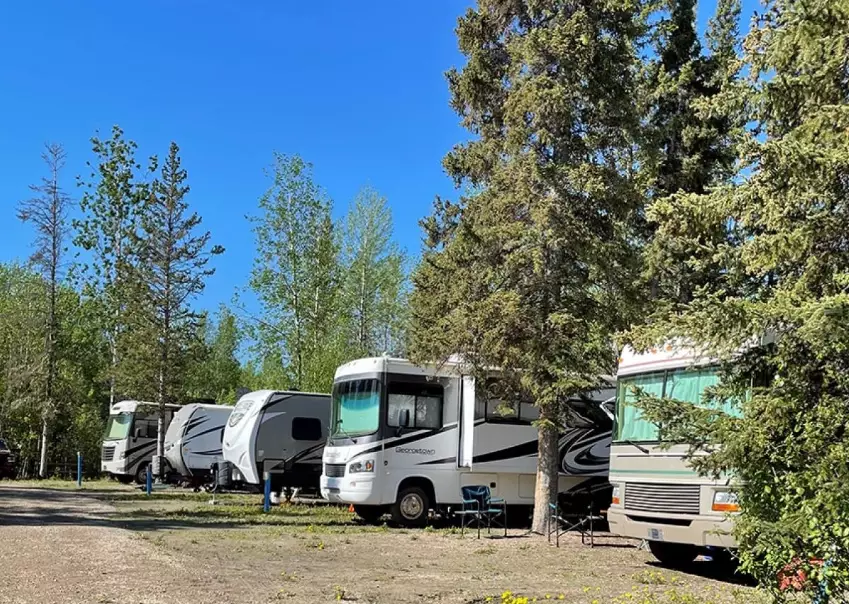
Why Bother with National Parks RV Camping Anyway?
Sure, there are a thousand private RV parks with full hookups, swimming pools, and cable TV. So why deal with the hassle of often-basic, sometimes cramped, and fiercely competitive national park RV sites?
The answer is in the morning light. It's about location in a way no private park can match. You're not just *near* the park; you're *in* it. Your backyard is ancient forest, red rock desert, or alpine meadow. You get the early mornings and late evenings in the park when the day-trippers are gone and the magic happens. The convenience is unbeatable – tired after a long hike? Your bed is five minutes away. Want to catch sunrise? Roll out of bed and go.
But it's not all postcard-perfect. The trade-off is real. You often give up space, privacy, and amenities (goodbye, reliable Wi-Fi). You're playing by the Park Service's rules, which can be strict about generators, quiet hours, and food storage. It's a different kind of camping – more raw, more real, and in my opinion, infinitely more rewarding.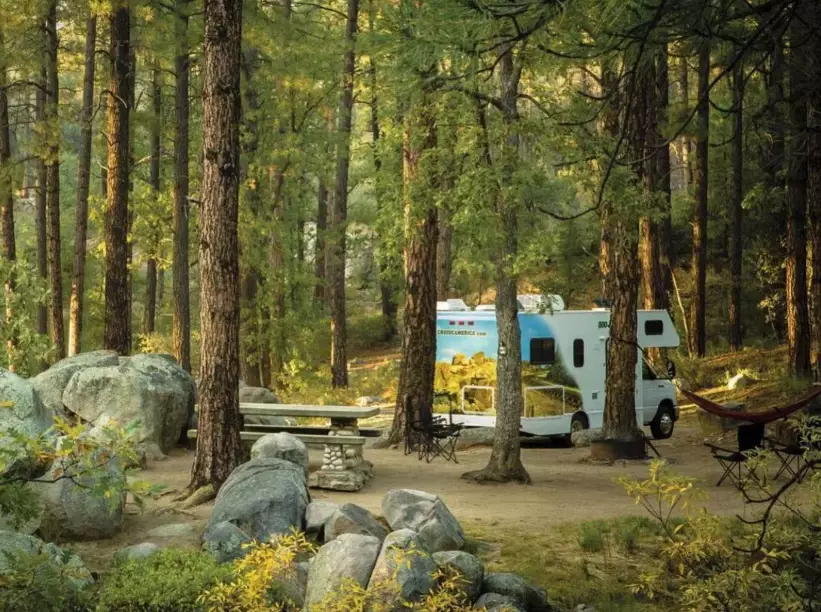
The Great Booking Battle: How to Actually Secure a Spot
This is the make-or-break phase. Understanding the system is 90% of the battle. Gone are the days of just showing up (for most popular parks, at least).
The Two Main Booking Systems
Most, but not all, reservable national parks RV campgrounds are booked through one of two ways. Getting this wrong means you're looking at the wrong inventory.
| Booking Platform | Key Parks That Use It | What You Need to Know (The Good & The Annoying) |
|---|---|---|
| Recreation.gov | Yellowstone, Yosemite (upper pines, etc.), Glacier (Fish Creek, St. Mary), Arches, Canyonlands, Rocky Mountain (Moraine Park), Acadia (Blackwoods, Seawall), Grand Teton (Colter Bay, Signal Mt) | The giant. It's a centralized site for multiple agencies. You can create an account, save payment info. The Recreation.gov website is generally reliable, but its search filters for RV length can be glitchy. Pro Tip: Always double-check the site details on the *park's own official NPS webpage*, as they often have more accurate photos and notes about specific site suitability. The 6-month-advance release at 10:00 AM ET is a notorious digital stampede. |
| Individual Park Websites | Grand Canyon (South Rim Mather, North Rim), Zion (Watchman, South), Bryce Canyon (North, Sunset), Great Smoky Mountains (no reservations for front-country, first-come-first-served only) | These link out to a park-specific booking portal (often run by a concessionaire like Xanterra or Aramark). The look and feel will vary. Sometimes the availability calendar is clearer than Recreation.gov's, sometimes it's worse. A major plus: their cancellation policies and booking windows can be different (sometimes more flexible, sometimes shorter advance windows). Always go via the official National Park Service (NPS) website for the park to find the correct booking link. |
Ever booked a site only to find your rig won't fit? I have. It's a sinking feeling. The listed "max RV length" is a guideline, not a guarantee. It often includes your tow vehicle and assumes a master-level parking job. If you're 30 feet, a 30-foot listed site will be very, very tight. I now use a personal rule: Look for a site listed for at least 5-10 feet longer than my actual RV length. Also, scour the site details for keywords: "pull-through" is gold, "back-in" is standard, "may be unlevel" or "significant slope" are red flags for larger rigs.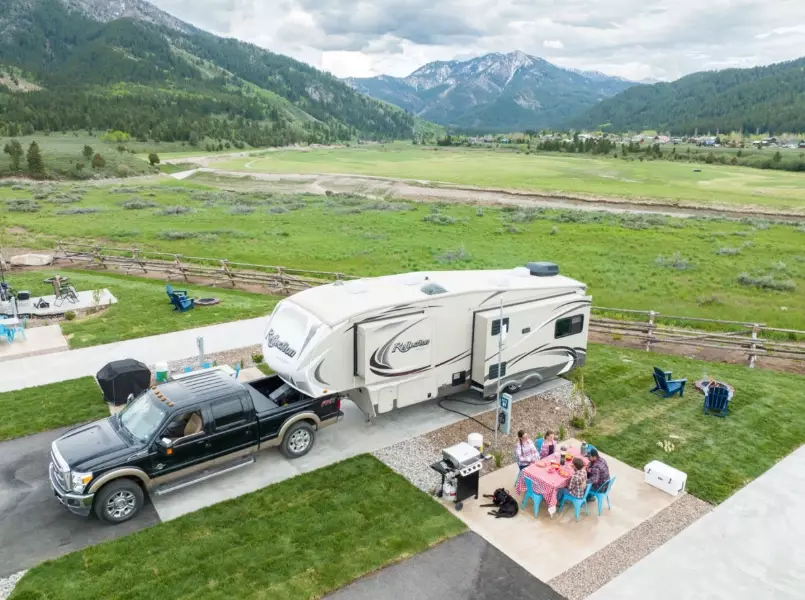
The First-Come, First-Served (FCFS) Gamble
Some parks, or sections of parks, still operate on this old-school system. Great Smoky Mountains is the big one. This requires a different mindset: flexibility and timing.
- When to Arrive: Mid-week is your friend. Aim to arrive early in the morning (before 10 AM) as sites are usually vacated by check-out time (11 AM-ish). Never count on finding a FCFS site on a Friday afternoon or holiday weekend.
- The Process: Drive slowly through the loop, look for a tag or post showing the site is vacant. Pay at the self-registration station immediately. It's a bit stressful, but it allows for spontaneous trips.
- My Take: I avoid FCFS with my larger trailer unless I have a firm backup plan (a known private park nearby). The stress of potentially having nowhere to stay after a long drive isn't worth it for me anymore. But for smaller rigs and flexible schedules, it can be an adventure.
Beyond the Booking: Planning Your National Park RV Stay
You got the site! Congrats. Now, the real planning begins to ensure you don't show up unprepared.
Know Your Rig's Needs (And Limits)
National park campgrounds are not designed for massive 45-foot diesel pushers with four slide-outs. Many have tree branches, tight turns, and small sites.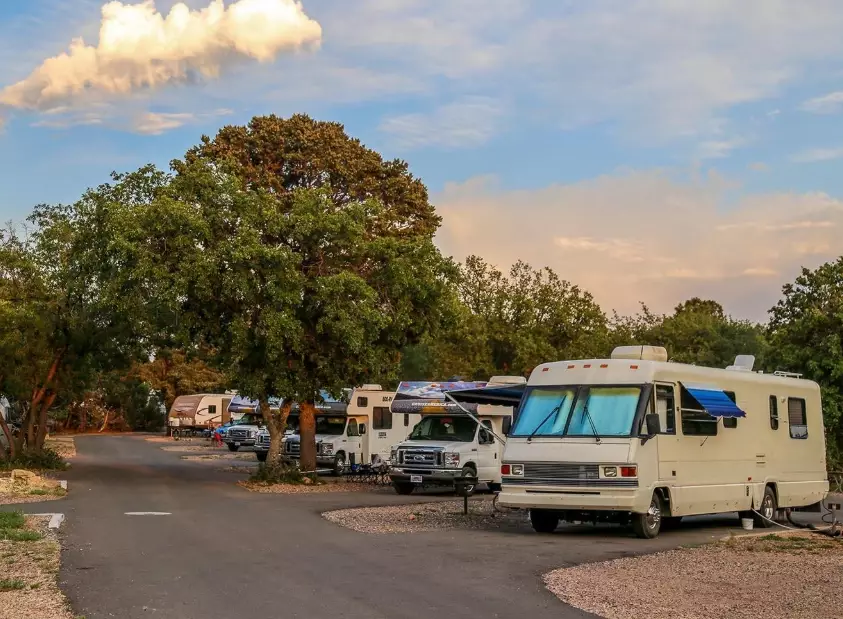
You need to honestly assess your self-sufficiency. How long can your batteries last running the lights and water pump? Do you need a generator? If so, check the generator hours for the campground religiously. Nothing earns you dirty looks faster than running a generator outside permitted times (usually something like 8 AM to 8 PM).
The Non-Negotiable Gear List
Packing for a private RV resort and for a national park are different beasts. Here’s what moves to the top of my list for national parks:
- A Reliable Surge Protector/EMS: Park electrical pedestals can be old and finicky.
- Long, Heavy-Duty Drinking Water Hose & Pressure Regulator: Don't use your standard garden hose.
- Wheel Chocks & Leveling Blocks (more than you think): Sites are rarely level.
- Bear-Proof Food Storage: This is law in many parks. If your RV isn't bear-proof (most aren't), you need a hard-sided food locker (provided at many sites) or certified bear-resistant containers. No exceptions.
- Dark Skies-Friendly Lighting: Red LED lanterns or headlamps to preserve night vision and not bother neighbors.
- A Good Bike or E-Bike: Many park campgrounds are far from services or trailheads. A bike is freedom, especially if shuttle access is nearby.
The Cream of the Crop: Top National Parks for RV Camping
Based on accessibility for RVs, quality of RV sites, and overall experience, here are my picks.
The Classics (Worth the Hype & Hassle)
Yellowstone National Park: It's massive. Fishing Bridge RV Park (the only one with full hookups) is closed for long-term repairs, so plan for dry camping. Madison and Grant Village are great central options with large pull-throughs. The real perk? You're in the middle of the geyser action. Waking up to bison wandering through the campground is not a joke, it happens.
Yosemite National Park: Yosemite Valley is the crown jewel but has size restrictions (often max 35-40 ft, and sites are *tight*). Upper Pines is my favorite for access. If you have a bigger rig or want more space, look at Hodgdon Meadow or Crane Flat just outside the Valley. The reservation release day is a blood sport, but staying in the Valley is transformative.
Glacier National Park: Many Glacier and St. Mary campgrounds have some larger sites, but they're competitive. Fish Creek is more RV-friendly. The Going-to-the-Sun Road has vehicle size restrictions (21 ft length, 8 ft width), so you cannot take your RV over it. You'll need to basecamp and use the park shuttles or a tow vehicle to explore.
The Hidden Gems (Easier to Book, Amazing Rewards)
Bryce Canyon National Park: The North and Sunset campgrounds have great, well-spaced sites among the Ponderosa pines. The elevation keeps it cool in summer. It's stunningly dark at night. The RV sites at Bryce feel more relaxed than at some of the mega-parks.
Capitol Reef National Park: The Fruita Campground is lovely, nestled in an orchard. First-come, first-served, but it's less chaotic than others. A great central base for exploring less-visited Utah parks.
Great Smoky Mountains National Park: The FCFS system is a drawback, but the campgrounds like Elkmont and Cades Cove are beautiful, shaded, and right in the heart of the misty mountains. Ideal for smaller to mid-size RVs where you can navigate the loops easily looking for a spot.
Theodore Roosevelt National Park (North Dakota): Don't sleep on this one. The Cottonwood Campground in the South Unit has spacious sites with incredible badlands views right from your window. Wildlife is abundant, and the night sky is insane. It's a reminder that amazing national parks with RV sites exist beyond the West Coast.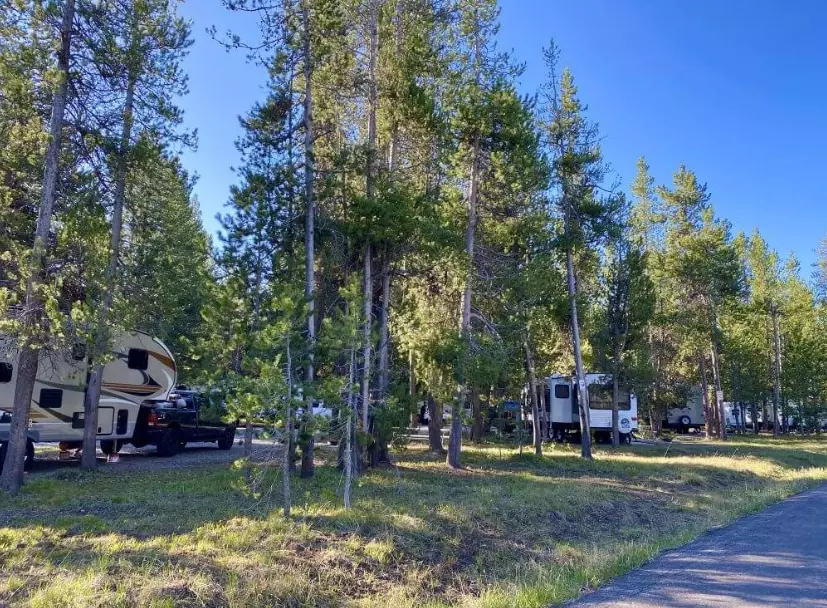
Your Burning Questions, Answered (The FAQ)
Can I bring my pet to national park RV campgrounds?
Yes, but with major restrictions. Pets are almost never allowed on trails (aside from paved paths), in buildings, or in most wilderness areas. They must be leashed at all times in the campground. You cannot leave them unattended. For a hiking-centric trip, consider pet care at home.
What if I need to cancel my reservation?
Policies vary. Recreation.gov has a standard sliding scale fee. Individual park portals may differ. Cancel as early as you can. Someone else is desperately hoping for that spot. Last-minute cancellations do pop up, so if you're looking last-minute, refresh the booking page persistently, especially the night before (people cancel to avoid no-show fees).
Are there any RV sites in national parks available year-round?
Some are, but winter camping is a whole different ballgame. Only a few campgrounds remain open, and services (water, dump stations) are often shut off to prevent freezing. You must be fully self-contained and prepared for cold weather. Check the specific park's winter operations page on the NPS site.
Is there cell service or Wi-Fi at the campgrounds?
How do I deal with waste if there's no sewer hookup?
This is RVing 101. Use the campground's dump station on your way in or out. Manage your tanks wisely. Go easy on the water use. Many national parks RV campgrounds have a dump station, but some don't. Know before you go and plan your route to include a dump at a private RV park nearby if needed.
Wrapping It Up: The Mindset for Success
Landing a great national park RV site is part planning, part persistence, and part luck. Embrace the challenge as part of the adventure. Be flexible with your dates, have backup plans, and don't get discouraged if you miss out on your first choice.
Remember, the goal isn't just to park your RV. It's to use it as a key to unlock a deeper, more immersive national park experience. The early mornings, the quiet evenings, the sense of being a temporary resident rather than a visitor—that's the real reward. Start researching, mark those booking dates on your calendar, and get ready for an unforgettable trip. The parks are waiting.
See you on the road.