Quick Navigation
- What is Mountaineering, Really?
- Why Go Mountaineering? The Good and The Hard
- Your Mountaineering Gear Checklist: What You Actually Need
- Training for the Mountains: It's Not Just Cardio
- Choosing Your First Mountain
- Safety is Non-Negotiable: The Mindset That Saves Lives
- Frequently Asked Questions (FAQs)
So you're thinking about getting into mountaineering. That's awesome. Maybe you saw a stunning picture online, or a friend won't stop talking about their last trip, and now you're curious. But where on earth do you even begin? The world of climbing mountains can seem like a secret club with its own language, gear, and rules. It's intimidating. I remember staring at a wall of ice axes in a shop, completely clueless, wondering if I was in over my head.
Let's clear something up right away: mountaineering isn't just hiking up a steep hill. It's a specific blend of hiking, scrambling, and often technical climbing on snow, ice, or rock to reach a summit. It demands more preparation, different skills, and a sharper focus on safety than your average trail walk. But that's also what makes it so incredibly rewarding.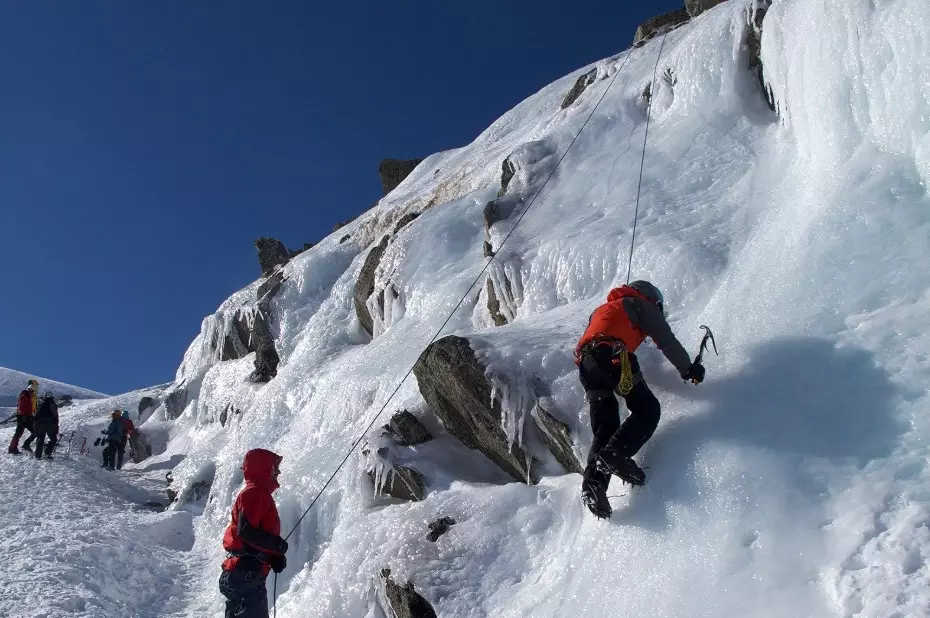
This guide is for the absolute beginner. We're going to walk through everything, step by step. No assumptions, no jargon without explanation. We'll talk gear, training, picking your first mountain, and the non-negotiable safety stuff. My goal is to give you a clear, honest roadmap so you can start this journey with confidence, not confusion.
What is Mountaineering, Really?
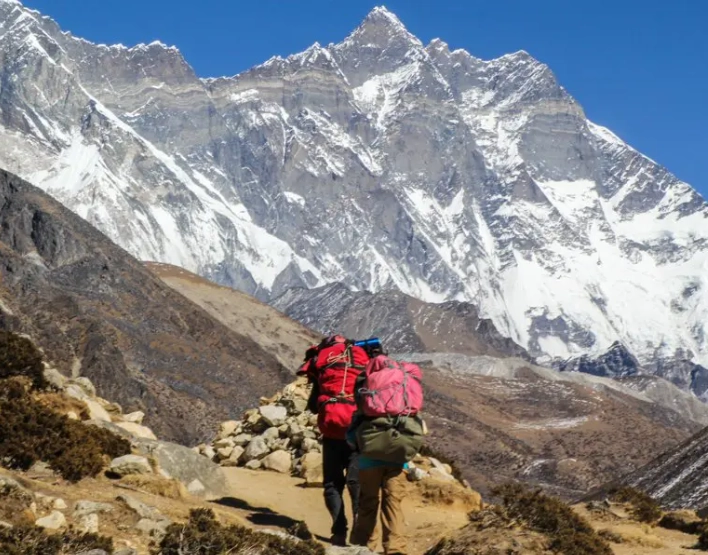
People throw the term "mountaineering" around a lot. Let's define it so we're on the same page. At its core, mountaineering is the sport of ascending mountains. It often involves dealing with objective hazards like glaciers, crevasses, unstable weather, and altitude. It sits on a spectrum. On one end, you have non-technical peak bagging that requires stamina and good route-finding. On the other end, you have high-altitude expeditions to peaks like Everest that are a whole different universe of logistics and risk.
For us beginners, we're looking at the first part of that spectrum. Think peaks that might require an ice axe and crampons, some basic rope work, and a very long day. The focus is on learning and applying foundational skills in a relatively controlled environment. The International Climbing and Mountaineering Federation (UIAA) is a great resource for understanding global standards and safety in the sport.
Why does the definition matter? Because if you're searching for "mountaineering" info, you need to know what *kind* you're looking for. This guide is about alpine mountaineering—climbing mountains where the approach, ascent, and descent are often done in a single day or a short multi-day trip, involving a mix of terrain.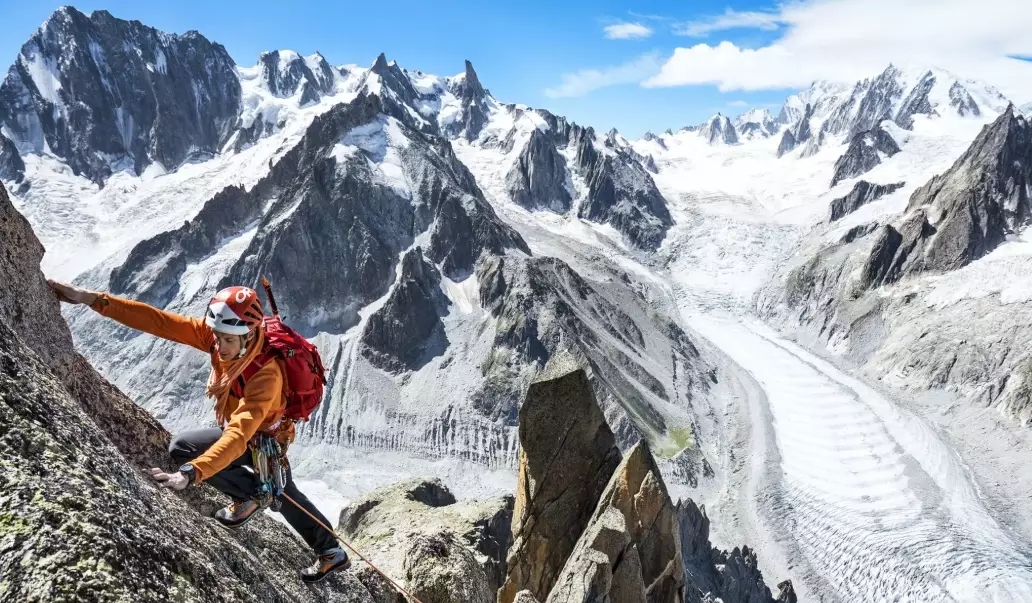
Why Go Mountaineering? The Good and The Hard
Let's be real, it's a lot of work. It's cold, it's early, it's physically punishing. So why do it?
The physical challenge is obvious. You'll get fit in ways the gym never prepared you for. But it's the mental game that's the real draw for most. Mountaineering forces you to be present. There's no room for scrolling through your phone or worrying about work emails. Your entire world narrows to your next footstep, your breathing, the condition of the snow in front of you. It's a form of meditation with consequences.
Then there's the problem-solving. Reading a map, judging weather windows, navigating a rock field. It engages your brain constantly. And of course, the views. There's nothing quite like earning a panorama that 99.9% of people will never see.
But I have to give you the downsides too. It can be expensive. The gear list is long. It's time-consuming to train and plan. There is real risk involved—this isn't a theme park ride. You have to be okay with discomfort and sometimes outright fear. And sometimes, you turn around without summiting. That last one is a tough lesson to learn.
Your Mountaineering Gear Checklist: What You Actually Need
This is where most beginners (myself included) get overwhelmed. The key is to think in layers and systems. You don't need the most expensive thing; you need the right thing that works. Here’s a breakdown of the essentials. I've organized it by priority—what you need for your very first foray versus what you can add as you tackle more technical terrain.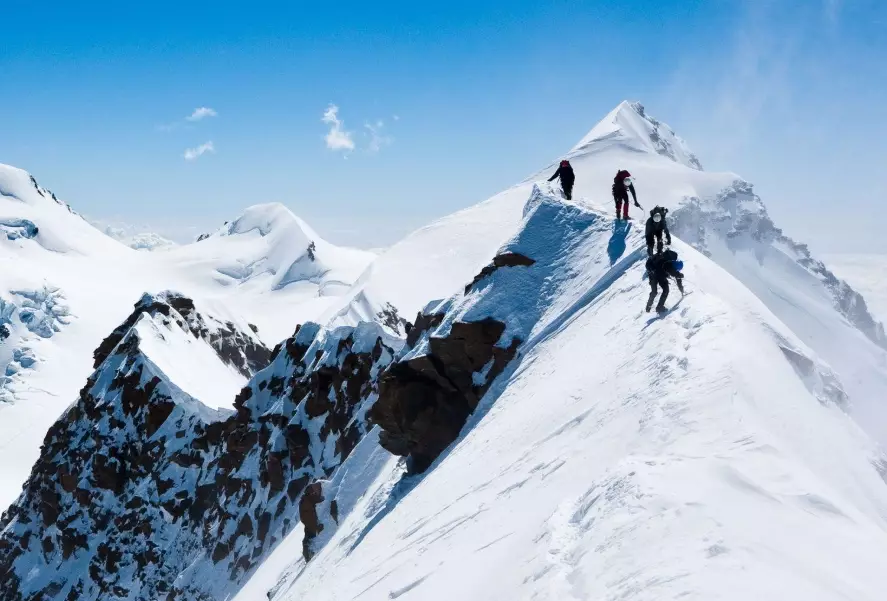
The Clothing System: Staying Dry is Staying Alive
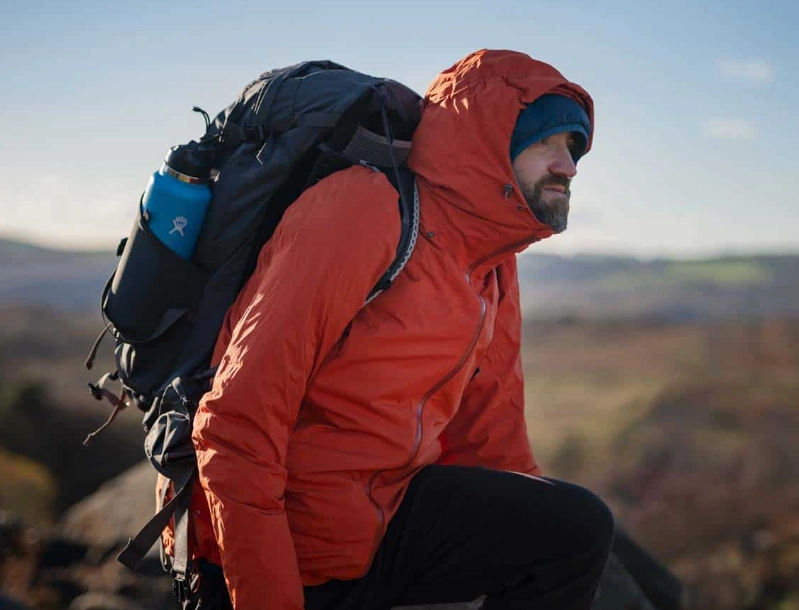
Cotton is rotten. Remember that. Once cotton gets wet, it stays wet and sucks heat from your body. You want synthetic fabrics or wool (merino is fantastic) that move moisture away from your skin. Your clothing system is all about managing sweat and weather.
- Base Layer: This is your underwear layer. Think tight-fitting, moisture-wicking top and bottoms. Merino wool or a synthetic like polyester.
- Mid Layer: This is for insulation. A fleece jacket or a lightweight puffy jacket. This layer gets put on and taken off constantly as you heat up and cool down.
- Shell Layer: This is your armor against wind, rain, and snow. A waterproof and breathable hard-shell jacket and pants are non-negotiable. Don't cheap out here. A leaky shell in a storm is miserable and dangerous.
- Extremities: Good socks (wool blend), sturdy gloves (plus a spare pair), a warm hat, and a sun hat. Never underestimate the sun's power at altitude.
Footwear and Technical Gear
Your boots are your most important piece of equipment. For beginner mountaineering where you might encounter snowfields and need crampons, you'll want a stiff-soled, insulated boot. They should be comfortable for walking but rigid enough for secure crampon attachment. Go to a specialty shop and get fitted properly. Blisters at sea level are annoying; blisters at 10,000 feet are trip-ending.
Now for the iconic tools:
- Ice Axe: It's not just for climbing ice. It's a walking stick, a brake (in a glissade or fall), and an anchor. For general mountaineering, a simple, straight-shafted "walking axe" around 50-70cm is perfect.
- Crampons: Metal spikes that strap to your boots for traction on ice and hard snow. They must be compatible with your boot's sole stiffness. You'll want a general 10- or 12-point mountaineering crampon.
- Helmet: Rocks fall. You might fall. Always wear a helmet. A climbing-specific helmet is best.

You can often rent ice axes and crampons for your first few trips, which is a great way to try before you buy.
The Backpack and Everything Else
A 30-50 liter backpack is usually sufficient for a day trip. It needs to be comfortable, have straps to hold your ice axe, and be simple to organize. Inside, you'll pack:
| Category | Specific Items | Why It's Important | Personal Note |
|---|---|---|---|
| Navigation & Safety | Map (in a waterproof case), compass, GPS device/phone (as backup), headlamp with extra batteries, whistle, multi-tool. | Getting lost is the fastest way to turn a fun day into a survival situation. A headlamp is for when your day takes longer than planned. | I once relied solely on my phone's GPS. The battery died in the cold. I now always carry a paper map and a compass I know how to use. |
| Sustenance | More water than you think (2-3 liters), water filter/purification tablets, high-calorie snacks (nuts, bars, chocolate), lunch. | Dehydration and bonking (running out of energy) severely impair judgment and physical ability. Eat before you're hungry, drink before you're thirsty. | Electrolyte tablets are a game-changer. Plain water isn't always enough on a long, sweaty day. |
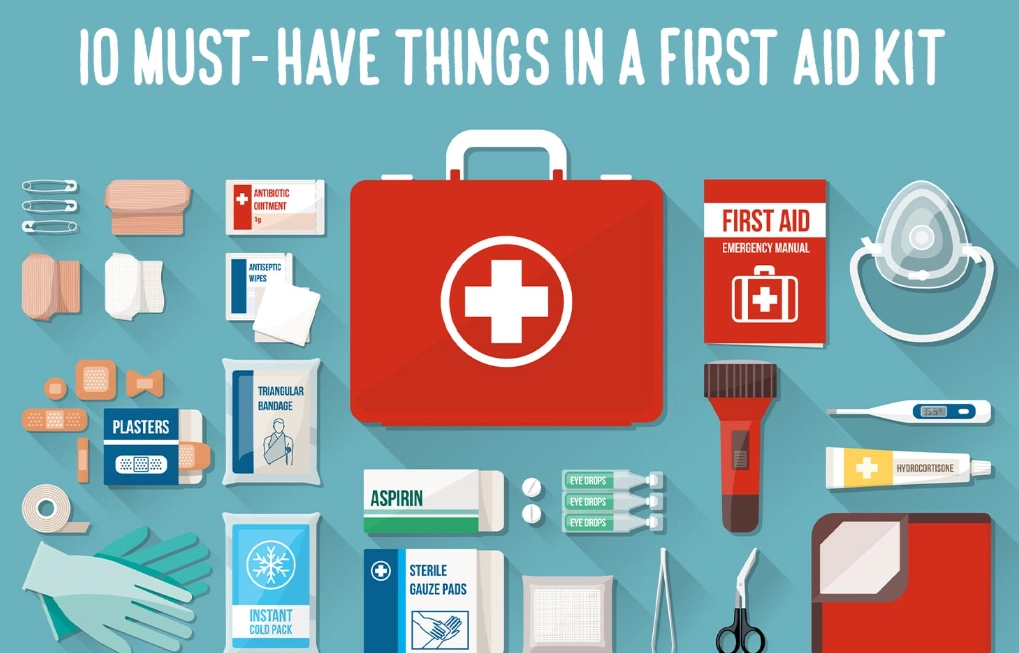
| First Aid & Repair | Personal first-aid kit (blister care, bandages, pain meds), duct tape, zip ties, spare boot laces. | Small problems can become big problems if you can't address them. A blister kit is used more often than anything else. | My first-aid kit is basic but tailored. More blister pads than anything, and a small roll of leukotape is magic. |
| Emergency & Shelter | Emergency bivy sack (a fancy space blanket), firestarter (lighter/matches), extra food. | This is your "oh crap" kit. If you're injured or benighted, this can keep you alive until help arrives. Hope to never use it. | The first time I packed a bivy sack, it felt silly. Now it never leaves my pack. It weighs nothing and is pure insurance. |
Training for the Mountains: It's Not Just Cardio
You can't just decide to climb a mountain next weekend if your usual exercise is a walk to the fridge. The mountains demand a specific kind of fitness. The good news? You can build it without living at the gym.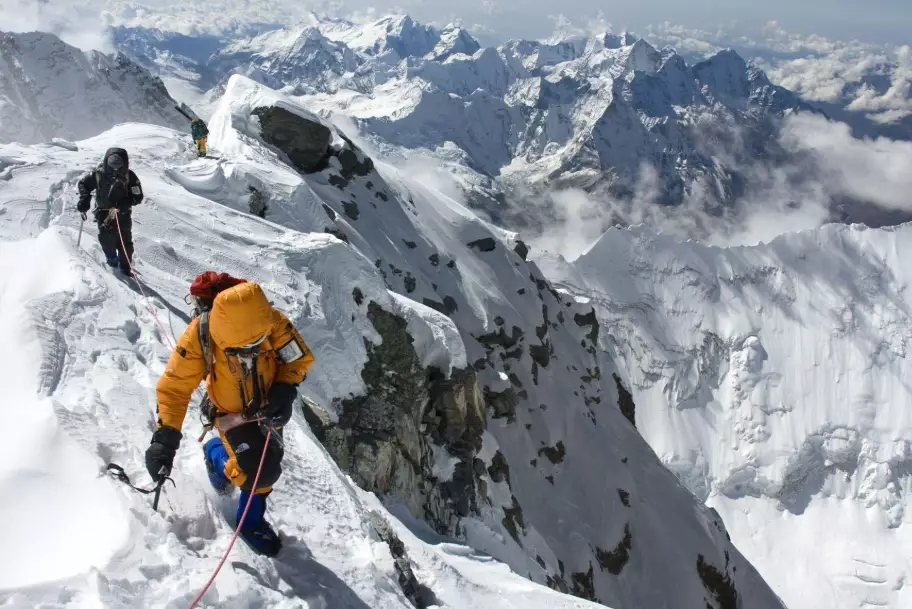
Building the Engine: Cardiovascular Fitness
Mountaineering is hours and hours of steady, uphill grinding. The best training for this is, unsurprisingly, hiking uphill with weight. If you don't have hills, stadium stairs, a stairmaster, or a treadmill on a steep incline are your friends. Aim for long, slow sessions (2+ hours) to build endurance. Mix in some higher-intensity interval training to boost your power for those short, steep sections.
The Strength You Can't See: Legs and Core
Your legs are your primary motors. Squats, lunges, and step-ups are foundational. But don't neglect your core and back. A strong core stabilizes you with a heavy pack and on uneven terrain. Planks, deadlifts (with proper form!), and back extensions are crucial. A weak back will scream at you long before your legs give out.
The Mental Game and Skill Acquisition
Fitness gets you to the base. Skills get you up and down. You need to learn how to use your gear before you're on a steep slope. Practice with your ice axe and crampons in a safe, flat area like a snowy park. Learn the self-arrest position—how to stop a slide on snow. This is a critical skill. Consider taking a formal course from a guiding service or a club. Organizations like the Appalachian Mountain Club (AMC) or local chapters of The Mountaineers offer fantastic beginner courses.
Training is where you build confidence. The fitter and more skilled you are, the more mental bandwidth you'll have to deal with problems and enjoy the climb.
Choosing Your First Mountain
Your first mountaineering objective should be humble. This isn't the time for drama. The goal is to apply your skills in a low-consequence environment and come home smiling, not traumatized.
Look for peaks with:
- Clear, well-documented routes: A "standard route" that gets a lot of traffic is safer and easier to follow.
- Minimal objective hazard: Avoid peaks known for serious rockfall, complex glaciers, or notoriously fickle weather on your first try.
- A reasonable elevation gain: Something in the 3,000-4,000 foot gain range over 5-8 miles round trip is a solid day for a beginner.
- An "escape route": Can you easily bail off the mountain if weather rolls in or you're not feeling it?
Do your homework. Read recent trip reports on sites like SummitPost or AllTrails. What were conditions like? How long did it take others? Local guidebooks are invaluable. And talk to people! Local climbing shops often have bulletin boards or staff who know current conditions.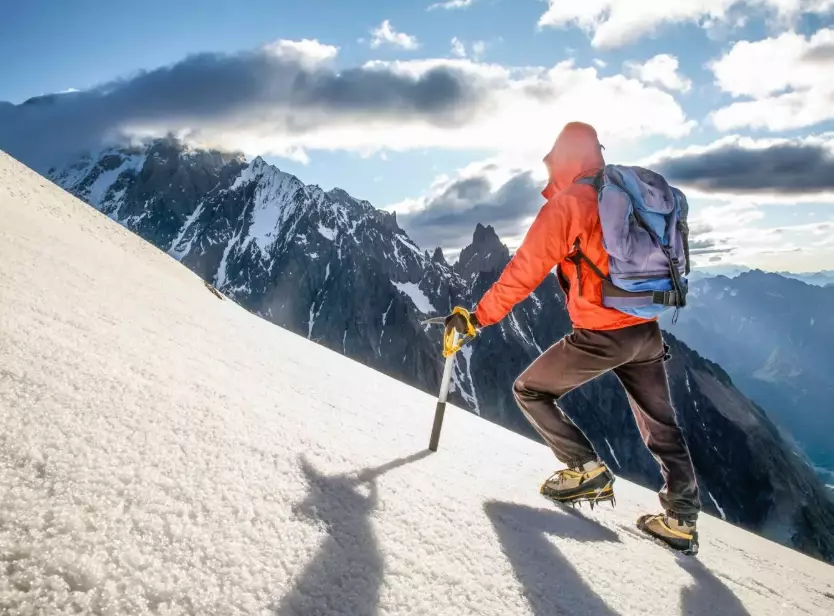
Here are a few classic beginner-friendly mountaineering objectives in North America (always verify conditions and regulations):
| Mountain Name | Location | Elevation Gain | Key Features & Best Season | Why it's a Good First Choice |
|---|---|---|---|---|
| Mount St. Helens (Worm Flows Route) | Washington, USA | ~5,500 ft | Non-technical snow climb. Requires permit. Best in late spring. | No glacier travel. Straightforward navigation. A great intro to snow climbing and glissading down. |
| Mount Elbert (East Ridge) | Colorado, USA | ~4,700 ft | Highest peak in Colorado. A long, non-technical hike. Summer/Fall. | No special gear needed in summer. A major altitude challenge (14,439 ft) to understand acclimatization. |
| Mount Baker (Coleman-Deming Route) | Washington, USA | ~7,000 ft | Glacier travel required. A true alpine climb. Late spring/summer. | NOT a solo first climb. A perfect first major objective with a guide or experienced team to learn glacier skills. |
| Mount Temple (SW Ridge) | Alberta, Canada | ~5,200 ft | Scrambling on rock. Some exposure. Summer/early fall. | A good step up from hiking, introducing hands-on rock scrambling and route-finding in a stunning alpine setting. |
Safety is Non-Negotiable: The Mindset That Saves Lives
We have to talk about this. Mountaineering has risks. The goal isn't to eliminate them—that's impossible—but to manage them intelligently. Developing a safety mindset is your most important skill.
Weather: The Boss of Everything
The mountain doesn't care about your plans. Check the forecast obsessively in the days leading up to your climb, using reliable, mountain-specific sources like Mountain Forecast or NOAA. Look not just for precipitation, but for wind speed, temperature, and freezing level. Be ruthless. If the forecast is bad, postpone. Summits aren't going anywhere. Turning around due to weather is a sign of good judgment, not failure.
Team and Communication
Never go alone as a beginner. Your team is your safety net. Climb with people who have similar or greater experience and whose judgment you trust. Discuss the plan beforehand: turn-around time, emergency signals, decision-making process. A simple "thumbs up / thumbs down" check-in every hour can prevent small issues from becoming big ones. Leave a detailed trip plan with a reliable person back home: your route, your team, your car info, and when to call for help if you don't check in.
Altitude Awareness
As you go higher, there's less oxygen. This can lead to Acute Mountain Sickness (AMS)—headache, nausea, dizziness. The only cure is to descend. To prevent it, ascend slowly (generally, don't sleep more than 1,000-1,500 ft higher than the previous night), stay hydrated, and listen to your body. Pushing through a headache at 12,000 feet is a terrible idea.
The Turn-Around Time
This is your most powerful safety tool. Before you start, pick a firm time (e.g., 1:00 PM) by which you will turn around and head down, regardless of how close you are to the summit. Stick to it. Most accidents happen on the descent, when people are tired and it's getting dark, often because they summited too late. The mountain will be there another day.
Frequently Asked Questions (FAQs)
Let's tackle some of the specific questions buzzing in a beginner's head.
How expensive is mountaineering to start?
It can be pricey, but you can be smart. The big costs are boots, a shell jacket/pants, and a backpack. You can rent technical gear (ice axe, crampons, helmet) for your first trips. Look for used gear on reputable sites or from friends. Prioritize fit and function over brand names. A course is an investment, but it teaches you skills that prevent costly (or dangerous) mistakes.
How fit do I really need to be?
You should be able to hike 8-10 miles with a 20-30 lb pack on hilly terrain comfortably. If that sounds impossible right now, start there. Build up to it over months. It's less about being an elite athlete and more about having a solid base of endurance and strength so you're not completely wrecked and making poor decisions halfway up.
I'm scared of heights. Can I still do this?
Probably more people up there are scared of heights than admit it. I am, sometimes acutely. Mountaineering often involves "exposure"—where a fall would have serious consequences. The key is managing the fear through preparation, focusing on your immediate task (your next three steps), and trusting your skills and gear. It never fully goes away for some of us, and that's okay. It keeps you sharp.
How do I find partners or a community?
This is huge. Don't just grab someone from the internet. Take a course—you'll meet people at your skill level. Join a local hiking or climbing club. Volunteer with a trail maintenance group. The community is generally welcoming but values competence and safety. Be honest about your experience level. A good partner is worth their weight in gold.
What's the biggest mistake beginners make?
Overestimating their ability and underestimating the mountain. This leads to poor turn-around decisions, inadequate gear, and lack of fitness. The second biggest mistake is not learning basic navigation with a map and compass. GPS fails. Phones die. Knowing how to read the land is a fundamental survival skill.
How do I respect the mountain environment?
Follow Leave No Trace (LNT) principles religiously. Pack out all trash (including toilet paper). Stay on durable surfaces. Minimize campfire impacts. Be considerate of other visitors. We're guests in a fragile place. Sustainable climbing means ensuring these mountains are here and beautiful for the next generation of beginners.
Mountaineering is a journey, not a destination. Your first summit is just the beginning of learning. It teaches humility, resilience, and a profound respect for the natural world. It's hard, but the rewards—the views, the camaraderie, the deep sense of accomplishment—are unlike anything else. Start slow, learn constantly, prioritize safety, and the mountains will open up a world of adventure you never knew possible.
Now, go lace up your boots and start training. Your first peak is waiting.