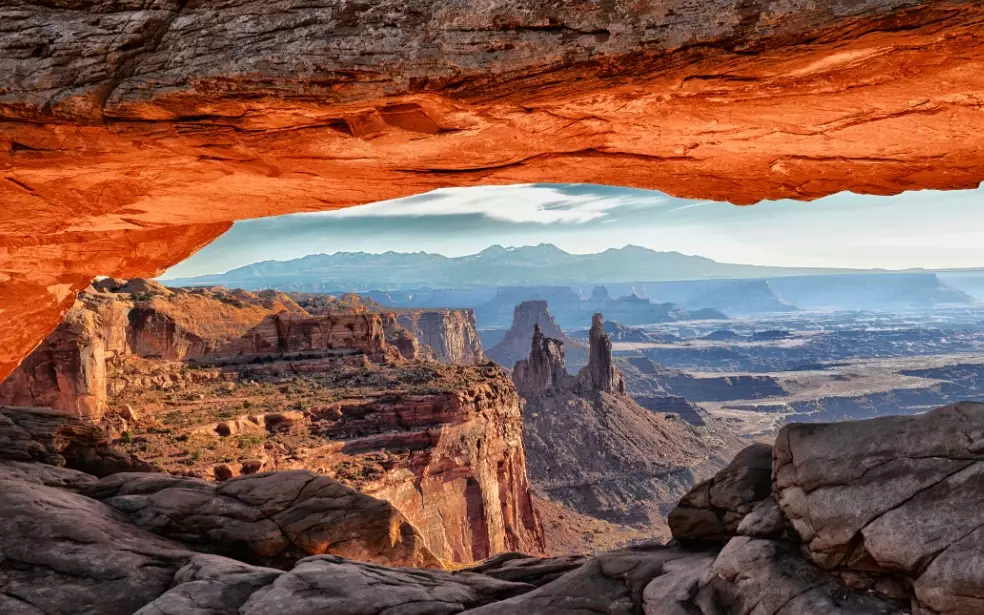
Let's be honest. Every list of stunning national parks shows the same handful of photos: Half Dome at sunrise, Old Faithful erupting, a lone tree in Bryce Canyon. The beauty is undeniable, but it feels distant, almost like a stock image. Real beauty in these places isn't just about the iconic snapshot; it's the smell of pine after rain in a silent forest, the way light paints a canyon wall in the last hour of day, or the unexpected wildlife encounter around a bend. It's personal. So instead of just ranking vistas, let's talk about where you can find those profound, beautiful moments—and how to actually make the trip happen without getting lost in the crowds.
Quick Navigation
What Makes a National Park 'Beautiful'?
We need to define our terms. For this guide, 'beauty' isn't just a pretty view. It's a combination of awe-inspiring scale (think Grand Canyon), unique geological drama (Yellowstone's geysers), diverse ecosystems in one place (Glacier's mountains-meet-lakes), and that intangible feeling of wildness and immersion. Accessibility matters too. A park can have a stunning secret canyon, but if it requires a 10-day backpacking trip, it's not on most people's radar. We're looking for places where sublime beauty meets a realistic chance to experience it.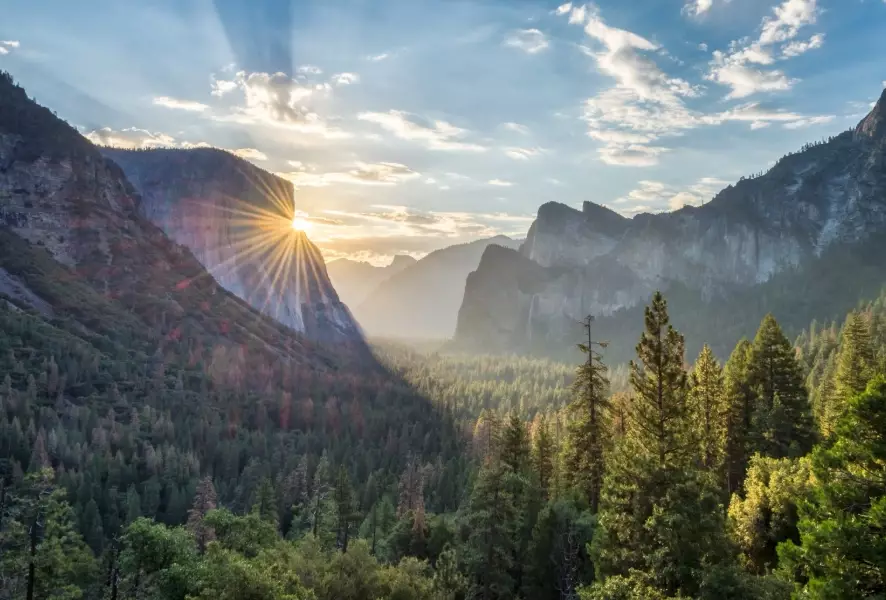
A quick note on crowds: Beauty and popularity are linked. The most visually stunning parks are often the most visited. Part of planning a beautiful trip is figuring out how to experience these places without feeling like you're in a theme park queue. Timing and strategy are everything, which we'll dive into later.
Top Contenders: America's Most Beautiful National Parks
Based on the criteria above—scale, uniqueness, diversity, and accessible wonder—here are the parks that consistently deliver. I'm including the must-know logistics because a beautiful trip turns stressful fast without the right info.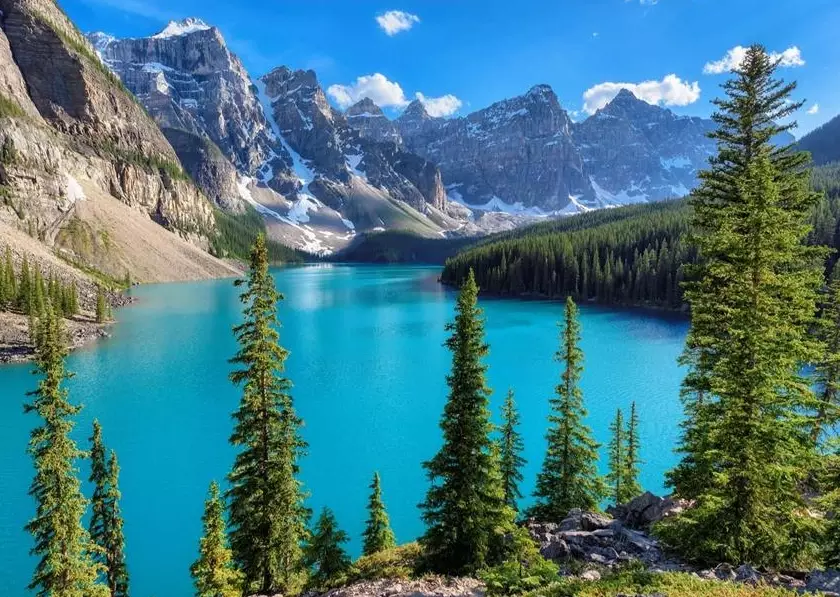
1. Yellowstone National Park
The Gist: It's not just one beautiful thing; it's a hundred. The world's largest collection of geysers, prismatic hot springs, massive waterfalls, and a sprawling mountain wilderness teeming with bison, elk, and wolves. The beauty here is raw, geothermal, and alive.
Don't just see: Old Faithful and Grand Prismatic Spring (though you must). Find your moment at: The Lamar Valley at dawn for wildlife, or the often-overlooked West Thumb Geyser Basin where hot springs spill right into the blue expanse of Yellowstone Lake.
Key Info:
Entrance Fee: $35/vehicle (valid 7 days). Consider the $80 America the Beautiful Annual Pass if visiting multiple parks.
Addresses/Gates: Five entrances: North (Gardiner, MT), Northeast (Cooke City, MT), West (West Yellowstone, MT), East (Cody, WY), South (connects to Grand Teton).
Open: 24/7, year-round, but most roads close to cars from early Nov to late April. Summer is full access.
Getting There: Major airports are Bozeman (MT), Jackson Hole (WY), and Salt Lake City (UT). You need a car. The park's Grand Loop Road is 142 miles long.
2. Grand Canyon National Park (South & North Rims)
The Gist: The scale is what gets you. No photo prepares you for the vastness. The beauty is geological, a billion years of history carved by the Colorado River. The South Rim is iconic and accessible; the North Rim (1,000 feet higher) is greener, quieter, and feels more remote.
Common Mistake: People spend 2 hours at the South Rim overlook and think they've 'seen' it. The beauty reveals itself over time—the changing light, the different perspectives from various points.
Pro Tip: For a unique, less crowded beautiful view, drive Desert View Drive east from Grand Canyon Village. Lipan Point has arguably the best wide-angle panorama.
Key Info:
Entrance Fee: $35/vehicle (valid 7 days, includes both rims).
South Rim Address: South Entrance Station, AZ-64, Tusayan. Open 24/7. North Rim: AZ-67, Jacob Lake. Open mid-May to mid-Oct.
Getting There: South Rim: Fly to Phoenix (3.5hr drive) or Las Vegas (4.5hr drive). North Rim: Much more remote; from Las Vegas it's a 5+ hour drive.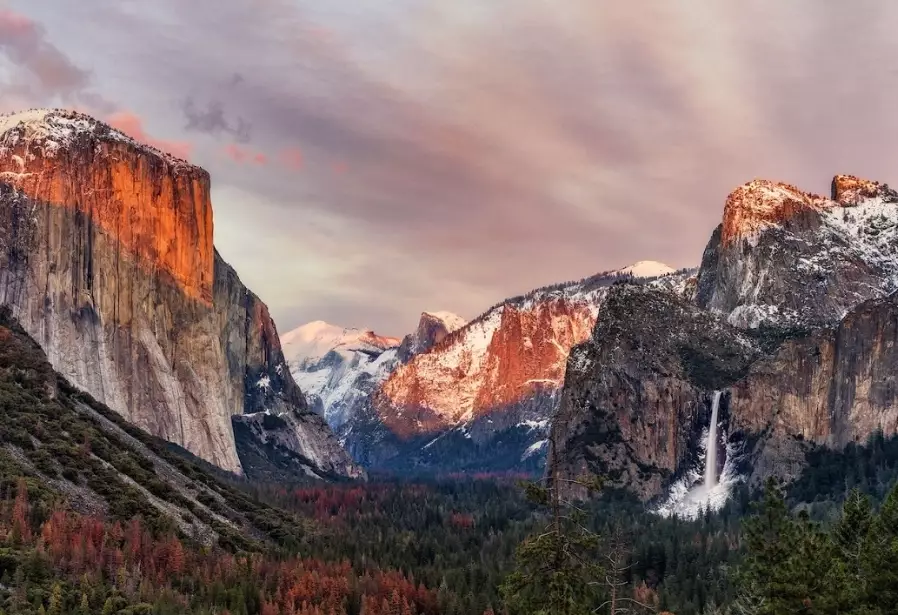
3. Zion National Park
The Gist: Immersive beauty. You don't just look at Zion; you hike up its rivers and between its towering, red Navajo sandstone cliffs. The scale is vertical. The beauty of places like The Narrows (hiking in the Virgin River) or Angels Landing is that you're inside the painting.
Critical Logistics: From March through November, you cannot drive your personal vehicle on the Zion Canyon Scenic Drive. You must use the free park shuttle. This is non-negotiable and actually enhances the experience by reducing traffic.
Permits Required: For Angels Landing and overnight trips in The Narrows (top-down). Apply via the National Park Service lottery system.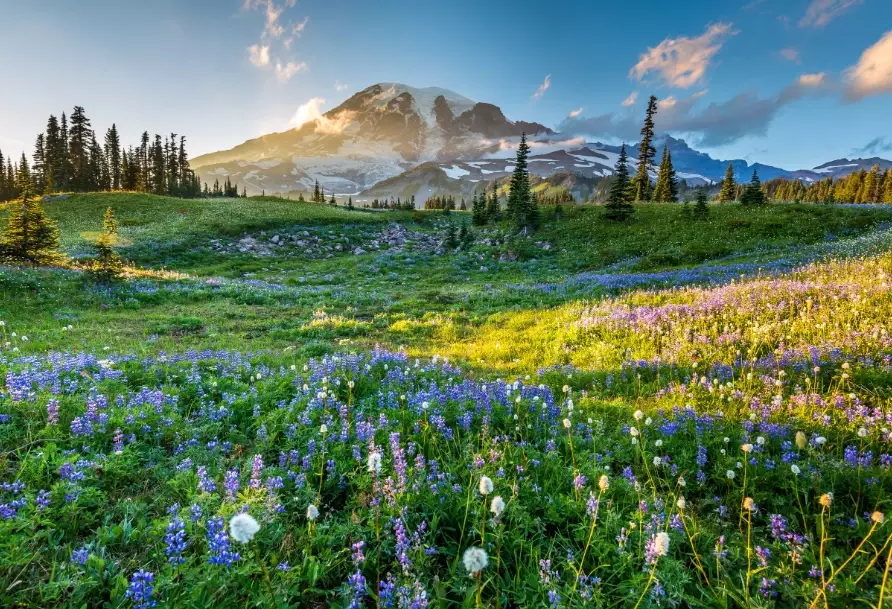
Key Info:
Entrance Fee: $35/vehicle.
Address: Zion Canyon Visitor Center, 1 Zion Park Blvd, Springdale, UT.
Open: 24/7. The shuttle runs roughly 7am-8pm seasonally.
Getting There: Las Vegas (2.5hr drive) or Salt Lake City (4.5hr drive). The town of Springdale is right at the park's south entrance.
4. Glacier National Park
The Gist: Alpine beauty defined. Jagged, glacier-carved peaks reflected in pristine turquoise lakes. The iconic Going-to-the-Sun Road is one of the most beautiful drives in the world. The beauty here feels pristine and fragile.
The Catch: This beauty has a short season. Going-to-the-Sun Road is typically fully open only from late June/July to mid-October. Outside that window, access is severely limited. Also, the park is incredibly popular. A vehicle reservation ticket is required for specific areas (Going-to-the-Sun Road, North Fork, Two Medicine) during peak summer hours. Check the official NPS website for Glacier for the latest rules.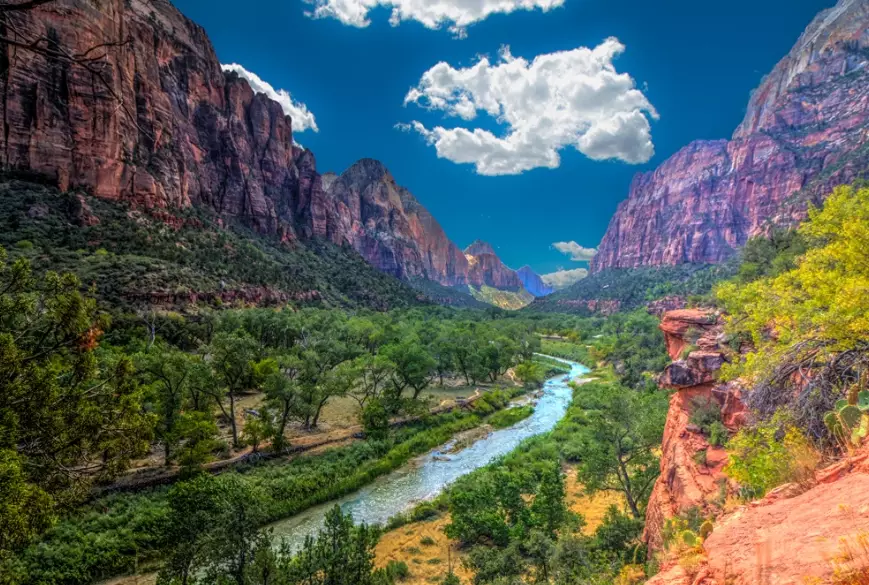
Key Info:
Entrance Fee: $35/vehicle (in winter, $25).
West Side Address: West Glacier Entrance, US-2, West Glacier, MT.
Open: Year-round, but services and road access are seasonal.
Getting There: Fly into Glacier Park International Airport (FCA) in Kalispell, MT, or drive.
5. Acadia National Park
The Gist: Rugged coastal beauty. Where the mountains meet the sea. Think granite peaks, spruce-fir forests, rocky shoreline, and the first sunrise in the United States from Cadillac Mountain. The beauty is refined, accessible, and intertwined with classic New England charm.
Unique Aspect: The 45-mile Park Loop Road efficiently connects the key sites. It's a masterclass in accessible, varied scenery. Also, the park has an extensive network of historic carriage roads perfect for biking or a quiet walk away from traffic.
Key Info:
Entrance Fee: $35/vehicle (June-Oct), $20 (Nov-May).
Address: Hulls Cove Visitor Center, ME-3, Bar Harbor.
Open: Year-round, but Park Loop Road partially closes in winter.
Getting There: Fly into Bangor International Airport (BGR, 1hr drive) or Portland (PWM, 3hr drive).
| Park | State | Peak Beauty Season | Best For |
|---|---|---|---|
| Yellowstone | WY/MT/ID | Late Spring (May-June), Fall (Sept-Oct) | Geothermal wonders, wildlife, vast landscapes |
| Grand Canyon | AZ | Spring (Mar-May), Fall (Sept-Nov) | Geological scale, sunrise/sunset photography |
| Zion | UT | Spring (Apr-May), Fall (Sept-Oct) | Immersive canyon hikes, river walks |
| Glacier | MT | Summer (July-Sept) | Alpine lakes, epic mountain drives |
| Acadia | ME | Fall (Sept-Oct) | Coastal scenery, hiking & biking, foliage |
How to Plan Your Trip to These Stunning Parks
Seeing these beautiful places requires a plan. Here’s the framework I use after years of trips that have gone both perfectly and terribly wrong.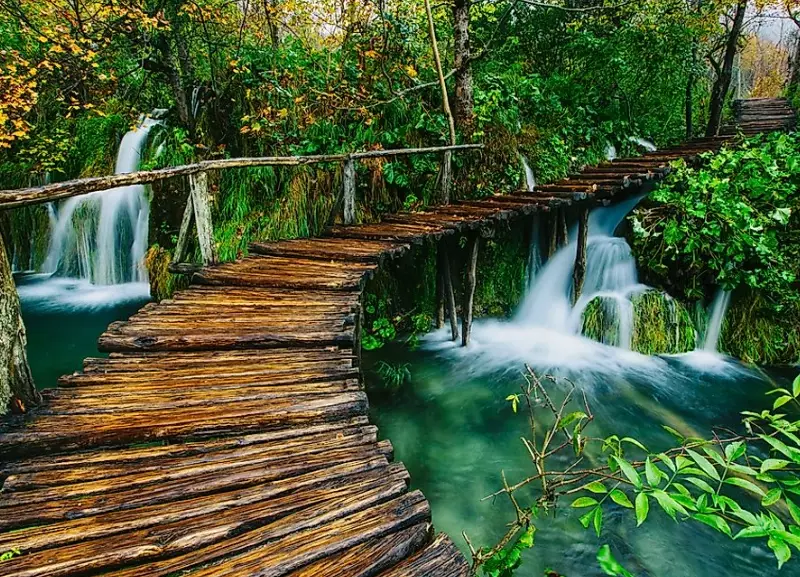
Timing is Everything (Avoiding the Crowds)
Summer is peak for a reason—full access, great weather. It's also peak for people. For a more beautiful (peaceful) experience:
- Shoulder Seasons are Gold: Aim for April-May or September-October. You'll trade some risk of weather (spring snow, fall chill) for fewer crowds, easier lodging, and often more dynamic landscapes.
- Go Against the Clock: The most beautiful light is at sunrise and sunset. Be on the trail at dawn. Have dinner late. You'll have iconic spots nearly to yourself while the crowds are eating breakfast or driving back to town.
- Weekdays Over Weekends: This can cut crowds by 30-50%.
Reservations: Don't Get Locked Out
This isn't 1995. Spontaneity often leads to disappointment.
- Lodging: Inside-park lodges (like Yellowstone's Old Faithful Inn or Grand Canyon's El Tovar) book up 6-12 months in advance for summer. Nearby towns fill up fast too.
- Camping: Official park campgrounds use Recreation.gov. Sites for popular parks disappear within minutes of becoming available (usually 6 months ahead). Set a calendar alert.
- Permits & Passes: Research if you need hiking permits (Angels Landing, Half Dome, The Narrows top-down) or vehicle reservations (Glacier, Rocky Mountain, Arches). These often use lottery systems.
Getting Around & What to Pack
A beautiful view is ruined by sore feet or a dead phone.
Transport: You need a car for most of these parks, but use shuttles where provided. They're efficient and reduce parking stress. For Glacier's Going-to-the-Sun Road, consider the free park shuttle to avoid the narrow, stressful drive.
Packing for Beauty:
Footwear: Not just hiking boots. Water shoes or sandals with grip for river hikes (Zion Narrows).
Layers: Mountain and desert weather changes fast. A packable puffer and rain shell are essential.
Navigation: Download offline maps (Google Maps, AllTrails) and/or carry a paper map. Cell service is unreliable.
Hydration: A 3-liter water bladder is better than bottles for long hikes.
The '10 Essentials': Headlamp, first-aid, knife, fire starter, sun protection, extra food. Don't skip this.
Beyond the Checklist: Finding Your Own Beauty
The parks listed are famous for a reason. But beauty isn't a monopoly. Sometimes the most memorable moment happens away from the top attraction.
In Yellowstone, everyone rushes to see Grand Prismatic from the boardwalk. Few hike the short but steep Fairy Falls Trail to the overlook that gives you a breathtaking aerial view of the spring. That's where I saw its true scale for the first time.
In Grand Canyon, instead of fighting for a spot at Mather Point at noon, I once took a ranger-led fossil walk along the Rim Trail east of the village. We had the edge to ourselves, learning about the canyon's history while soaking in the quiet immensity. It was more beautiful than any crowded overlook.
Look for the 'second best' attraction. It's often 90% as stunning with 10% of the people. Talk to rangers. Ask, "Where's a good place to watch sunset away from the main crowd?" They know.
Your Top Questions Answered
The most beautiful national park is ultimately the one that speaks to you. It's the place where you put down the camera, stop checking the map, and just feel it. Do the research, make the reservations, but then leave room to wander. That's where the real beauty hides.